

Best Battery And Charger Products online UK (United Kingdom)
Explore our real-time updated product directory index curated for performance, verified star metrics, and historical consumer trust rankings.

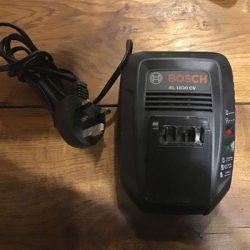
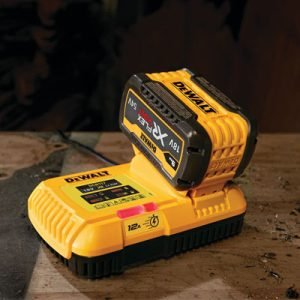


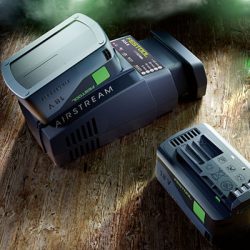

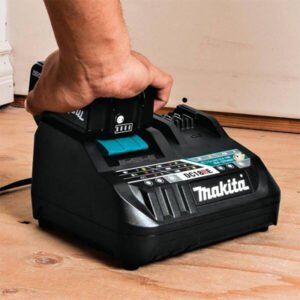
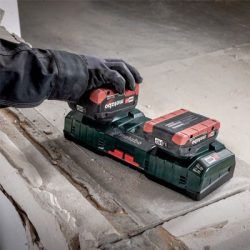
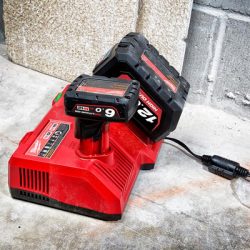
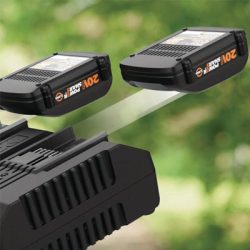


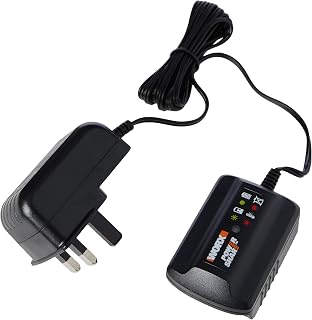
A dependable battery and charger combination can make a significant difference to the performance and convenience of compatible equipment. Batteries provide portable power, while chargers restore that power so the battery can be used again. Selecting the correct products is important because batteries and chargers are not universally interchangeable. Voltage, battery chemistry, capacity, connector design and manufacturer compatibility can all affect whether a product is suitable.
This category is designed for shoppers looking for battery and charger solutions for compatible equipment. It can cover replacement batteries, additional batteries for longer working periods and chargers designed to replenish compatible battery packs. Before placing an order, check the requirements of your equipment and compare them with the product specifications.
Battery selection starts with compatibility. Check the model number, voltage and battery type recommended for your equipment. A battery with the correct physical connection may still be unsuitable if its electrical specifications do not match the equipment. Following the manufacturer's compatibility information helps reduce the risk of poor performance or damage.
Capacity is another important consideration. Battery capacity is commonly expressed in ampere-hours, or Ah. A higher-capacity battery can often provide longer operating time, although actual runtime depends on the equipment, workload, operating conditions and battery technology. If you regularly use equipment for extended periods, an additional compatible battery can provide a convenient way to reduce interruptions.
A suitable charger should match the battery system for which it was designed. Charging requirements can vary between battery technologies, so using an incompatible charger is not recommended. Check the product information for supported battery types and models before buying.
Charging speed may also influence your decision. A standard charger can be appropriate for routine use, while a faster compatible charger may be useful when batteries need to be returned to service quickly. Always follow the manufacturer's charging instructions and use the charger in accordance with its intended purpose.
Voltage indicates the electrical potential of a battery and is one of the key specifications used to determine compatibility. Common battery systems can have different voltage ratings, so shoppers should never select a battery based only on appearance or connector style.
Capacity describes how much charge a battery can store under specified conditions. Higher capacity may offer longer runtime, but it can also affect the size, weight and charging time of a battery pack. Consider how frequently the equipment is used and whether portability or maximum runtime is more important for your application.
Modern rechargeable equipment commonly uses lithium-ion battery technology because it offers a useful combination of energy density, portability and rechargeable performance. Other battery chemistries are also available for particular applications. The correct choice depends on the equipment and the battery system specified for it.
Do not replace one battery technology with another simply because the voltage appears similar. Charging characteristics and protection requirements can differ. Always select a battery and charger intended for the same compatible system.
A replacement battery may be useful when an existing battery no longer provides the expected runtime, has reached the end of its useful service life or needs replacing for operational reasons. Reduced runtime can occur naturally as rechargeable batteries age and are repeatedly charged and discharged.
An additional battery can also be practical even when the original battery still works well. Keeping a charged spare available can help maintain productivity when equipment is used away from a convenient power source.
Compatibility should remain a priority when comparing batteries and chargers. Check the manufacturer's model references, voltage, connector configuration and supported battery platform. If the product information lists specific compatible models, use those details rather than relying on visual similarity.
Compatibility also matters between batteries and chargers. A charger should be designed for the battery technology and system being used. Using the correct combination supports appropriate charging behaviour and helps maintain dependable battery performance.
UK shoppers should compare specifications rather than choosing solely on price. Look at battery voltage, capacity, technology, compatibility and intended application. For chargers, consider supported battery systems, charging capability and the equipment manufacturer's requirements.
It is also sensible to consider how the battery will be used. A compact battery may be preferable when weight matters, while a higher-capacity option may suit longer working sessions. If several compatible products are available, compare the specifications and choose the option that best matches your equipment and routine.
Use batteries and chargers according to the manufacturer's instructions. Inspect batteries, chargers, connectors and cables before use. Do not use equipment that shows signs of damage, swelling, overheating or other abnormal behaviour. Keep charging equipment in an appropriate environment and follow the recommended charging procedure.
Battery products should also be stored and transported responsibly. Keep them away from excessive heat, moisture and sources of physical damage. Follow applicable manufacturer guidance for storage, handling and disposal. Rechargeable batteries should not simply be placed in general household waste. Use appropriate battery recycling or collection facilities where available.
The best battery and charger is the one that meets the exact requirements of your equipment. Start with compatibility, then consider voltage, capacity, battery technology, charging requirements and intended use. This approach makes it easier to compare suitable products and avoid buying a battery or charger that cannot be used with your equipment.
Whether you need a replacement battery, a spare power pack or a compatible charger, careful specification checking can help you make a more informed purchase. Explore the available Battery And Charger range and select products according to your equipment's requirements.