
♥ Wishlist




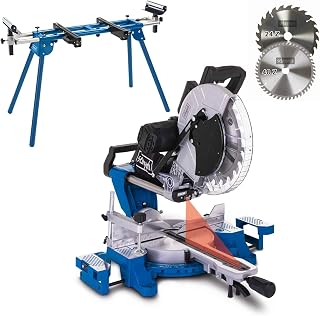
Bosch cordless mitre saws are designed for cutting applications where portability and accuracy matter. Unlike a corded saw, a cordless model does not require you to position your work close to a mains socket. This can be especially useful when working on building sites, during home renovations or in areas where cables could restrict movement.
A mitre saw is primarily used for controlled crosscuts and angled cuts. Depending on the model, you can adjust the cutting angle to produce clean mitres, bevels or compound cuts. This makes the category suitable for a wide range of woodworking jobs, from installing architrave and skirting to preparing timber components for larger construction projects.
Bosch has a long-standing presence in power tools, and its cordless mitre saw range is aimed at users who want dependable cutting performance without a trailing power cable. Battery operation can make it easier to move the saw between work areas and set up wherever the job requires.
For tradespeople, portability can reduce setup time when moving between locations. For DIY users, cordless operation can make occasional cutting jobs more convenient. The right saw depends on the materials you cut, the required cutting capacity, your preferred battery platform and the amount of portability you need.
Mitre saws are useful for creating repeatable angled cuts. Common applications include cutting skirting boards, door trim, flooring components, framing timber, shelving parts and decking materials. A model with suitable mitre and bevel adjustment gives you greater flexibility when producing angled joints.
When comparing models, consider the available adjustment range and the cutting capacity at common angles. If your projects involve wider timber, a sliding mitre saw may provide additional crosscut capacity. If portability is more important, a compact design may be easier to transport and store.
Battery compatibility is one of the most important considerations when choosing a cordless power tool. If you already own compatible Bosch batteries and a charger, selecting a saw from the same battery system can help you avoid buying additional power accessories.
Battery runtime varies according to the battery capacity, material, blade, cutting technique and workload. For demanding jobs or extended use, keeping a charged spare battery available can help reduce interruptions.
Check the maximum cutting dimensions before choosing a saw. The required capacity depends on the width and thickness of the material you normally cut. Wider boards may require a sliding design or a larger saw.
Consider the angles you need for your projects. Adjustable mitre and bevel settings provide greater control for trim work, frames, flooring and other angled assemblies.
The blade specification affects the type of work the saw can handle. Always check the manufacturer's recommendations for compatible blades and materials. Use a blade designed for the intended application to achieve appropriate cutting performance.
A cordless saw can be particularly convenient when the work area changes frequently. Consider the overall size and weight as well as how easily the saw can be transported between your workshop, vehicle and job site.
UK tradespeople and DIY users can benefit from cordless cutting equipment when working in spaces where mains power is inconvenient. A battery-powered mitre saw can simplify setup for renovation work, extensions, carpentry tasks and outdoor projects.
For workshop use, think about the available bench or stand space and how the saw will be stored when not in use. For mobile work, portability and battery availability may be higher priorities. Choosing equipment around your actual working conditions can help you get more value from your purchase.
Always select a suitable blade for the material and follow the manufacturer's operating instructions. Secure the workpiece correctly before cutting and keep hands away from the blade path. Wear appropriate eye and hearing protection and maintain a clear working area.
Before changing a blade or carrying out maintenance, follow the manufacturer's instructions for isolating the tool. Inspect the blade and equipment regularly, and replace damaged or unsuitable components before use.
The best Bosch cordless mitre saw for you depends on your cutting requirements rather than simply the size or specification of the tool. Start by considering the materials you cut, required cutting capacity, angle range, battery system and portability.
If you regularly cut larger timber, prioritise suitable capacity and features that support wider workpieces. For smaller installation and trim jobs, a compact saw may be easier to handle. If you already use compatible Bosch cordless tools, battery compatibility can also be an important part of the decision.
Explore the Bosch cordless mitre saw category to compare available options and select a model that matches your workshop, trade or DIY requirements. With the right combination of cutting capacity, battery compatibility and adjustment features, a cordless mitre saw can become a versatile addition to your woodworking toolkit.
Choose Bosch cordless mitre saws when you want accurate angled cuts without relying on a mains power cable. These battery-powered saws combine the controlled cutting action of a mitre saw with the freedom to work around workshops, construction sites, garages and renovation projects. Whether you are cutting timber for framing, skirting boards, flooring, decking or other woodworking tasks, a cordless mitre saw can make repetitive crosscuts and mitre cuts easier to manage. Bosch offers practical solutions for users who value portability, cutting precision and convenient cordless operation.