

♥ Wishlist


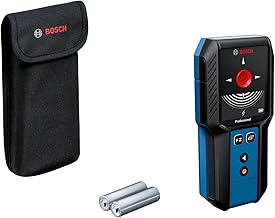

A Bosch cordless wall scanner provides a practical way to detect hidden objects before drilling, cutting, fixing or installing. These professional detection tools help users investigate walls, floors and ceilings for concealed pipes, electrical cables, metal components, timber structures and other materials. For tradespeople, installers, electricians, builders and serious DIY users, a wall scanner can make exploratory work faster and reduce the risk of damaging hidden services.
Designed for users who need dependable detection without relying on a permanently connected power cable, Bosch cordless wall scanners combine portable operation with advanced sensing technology. They are particularly useful on building sites, during refurbishment work and when carrying out installations in existing properties where the construction behind a surface is not immediately visible.
Drilling into an unknown wall can present several risks. Electrical cables, water pipes, heating systems and structural elements may sit behind plasterboard, masonry, concrete or other surfaces. A suitable Bosch wall scanner helps you inspect the area before making an opening.
Bosch detection technology is designed to support informed decisions during construction and installation work. Depending on the model and application, scanners can identify different types of concealed material and provide information through an integrated display or detection indicator. Always check the specifications of the individual model to understand its detection capabilities, supported materials and maximum detection depth.
Cordless operation makes a scanner easier to carry between rooms, floors and work areas. There is no mains cable to manage while scanning a wall, ceiling or floor, which can be useful when working in unfinished buildings or locations without convenient access to a socket.
Portable operation is also helpful for professionals who already use a compatible cordless tool system. Where a particular Bosch model supports the relevant battery platform, using compatible batteries can simplify equipment management across the jobsite. Battery compatibility, runtime and charger requirements vary by product, so check the individual product details before purchasing.
A Bosch cordless wall scanner can be useful across a wide range of professional and renovation tasks. Electricians can use detection equipment when investigating potential cable routes. Plumbers and heating installers can scan surfaces before drilling or fixing brackets. Builders and contractors can inspect walls and floors during refurbishment projects.
They can also assist with kitchen fitting, bathroom installation, shelving, cabinetry, partition work and general property maintenance. Before drilling, the operator can scan the intended fixing area and investigate any detected object. This extra checking step can help reduce avoidable damage and improve confidence during installation.
The right scanner depends on the surface and the type of object you need to locate. Different Bosch models can be designed for different construction materials and detection requirements. Depending on the product, detection may cover materials such as ferrous and non-ferrous metals, live electrical cables, timber or other structures.
Detection performance can vary according to wall construction, moisture, material density, object size, depth and the presence of surrounding materials. For this reason, users should read the manufacturer's instructions and model specifications carefully. A wall scanner is a detection aid rather than a guarantee that every concealed object will be identified.
When comparing Bosch cordless wall scanners in the UK, consider the detection depth, detection modes, supported materials, display information and operating controls. A clear interface can make it easier to interpret scanning results, while appropriate detection modes can help match the tool to the surface being investigated.
Battery type and runtime are also important for mobile work. Consider whether the scanner is supplied with a battery and charger or sold as a bare tool. If you already own compatible Bosch batteries, a bare-tool option may provide a convenient addition to your equipment collection, subject to compatibility.
For consistent results, begin by selecting the appropriate detection mode for the surface and application. Keep the scanner positioned correctly against the surface and follow the manufacturer's recommended scanning procedure. Move the tool steadily rather than rushing across the area, and investigate significant indications before drilling or cutting.
It is also sensible to scan the surrounding area rather than checking only the exact point where a fixing will be installed. Marking detected routes or objects can help you plan the work and avoid potentially hazardous areas. When working near electrical installations, plumbing or structural components, follow appropriate UK safety procedures and seek professional advice where necessary.
Choosing the right Bosch cordless wall scanner starts with the type of work you regularly carry out. Compare detection capabilities, supported surfaces, maximum detection depth, battery requirements and operating features before selecting a model. For professional users, choosing a scanner that matches the materials and environments encountered on site can provide greater practical value.
Whether you are preparing a wall for drilling, checking a floor before fixing, installing services or carrying out refurbishment work, a suitable Bosch detection tool can provide useful information before you start. Review the specifications of each available model carefully and choose the scanner that best matches your application.