

♥ Wishlist


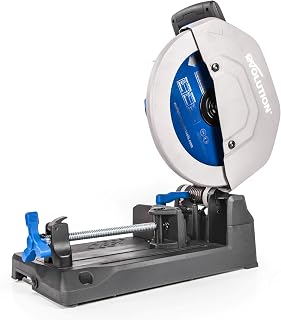


Cordless metal cutting saws offer a practical way to cut metal where mobility matters. Unlike mains-powered equipment, a battery-operated metal saw does not require a nearby socket or extension lead. This makes it easier to move around workshops, construction sites, garages and installation areas. Modern cordless designs can provide the cutting speed, control and portability needed for a wide range of professional and DIY applications.
When choosing a cordless metal cutting saw, consider the type and thickness of material you intend to cut. The right saw and blade combination can make a significant difference to cutting performance, finish and blade life. Always check the manufacturer's specifications to confirm which materials, blade sizes and cutting capacities are suitable for a particular model.
Portability is one of the biggest advantages of a cordless metal cutting saw. You can take the tool directly to the workpiece instead of moving heavy materials towards a fixed cutting station. This can be especially useful for construction, repair, fabrication and installation work.
Battery power also reduces cable management around the working area. With no mains cable running across the floor, users can work more freely and position the saw where it is most convenient. A suitable battery system can also allow the same batteries to be shared with other compatible cordless tools.
Battery voltage can influence the performance and runtime available from a cordless saw. If you already own compatible cordless tools, choosing a saw from the same battery platform can help you share batteries and chargers. Check whether the product is supplied as a complete kit or as a bare tool before ordering.
Cutting capacity is important when working with different profiles, sheets, pipes or other metal sections. Review the manufacturer's stated capacities for the materials you plan to cut. A saw that suits light sheet metal may not provide the required capacity for thicker sections.
The blade must match the saw and the material being cut. Metal-cutting blades are designed differently from blades intended for timber or general-purpose applications. Always use compatible blades and follow the manufacturer's instructions for installation, operation and replacement.
Motor speed and cutting control can affect how effectively a saw works through different metals. Features such as variable speed, electronic control and soft start can help users manage the tool during demanding cutting tasks. Look at the manufacturer's specifications to understand the capabilities of each model.
These saws can be useful for metal fabrication, plumbing and heating work, electrical installation, construction, vehicle maintenance, workshop projects and general repairs. Depending on the model and blade, applications may include cutting metal tubing, profiles, conduit, sheet material and other compatible sections.
For site work, cordless operation can be particularly convenient because the tool can be carried directly to the cutting location. For workshop users, a cordless model can provide additional flexibility when several workstations or cutting areas are involved.
Start by identifying the material you need to cut, its approximate thickness and the frequency of use. Next, compare cutting capacity, battery platform, tool weight, blade compatibility and ergonomic features. If you regularly work away from mains electricity, prioritise battery compatibility and runtime alongside cutting performance.
For occasional DIY projects, a compact and manageable model may be preferable. Professional users may require higher cutting capacity, durable construction and a battery system designed for frequent use. Checking the complete specification before purchase helps ensure the saw matches your intended application.
Metal cutting produces sparks, hot material, sharp edges and potentially hazardous particles. Wear suitable eye and hearing protection, appropriate work clothing and other protective equipment recommended for the task. Secure the workpiece before cutting and keep bystanders away from the immediate working area.
Inspect the blade before use and never operate a damaged or unsuitable blade. Follow the manufacturer's operating instructions and safety guidance. Allow cut material and components to cool when necessary, and maintain a clear, suitable work area throughout the job.
Cordless metal cutting saws combine battery-powered convenience with the cutting capability required for many metalworking tasks. Whether you are working in a workshop, on a construction site or around a property, choosing the correct saw can make metal cutting more convenient and efficient.
Compare the specifications, cutting capacity, battery requirements and compatible accessories of the available options to find a cordless metal cutting saw suited to your work. Select a model based on the materials you regularly handle and the level of performance required for your projects.
Choose cordless metal cutting saws when you need portable cutting performance without relying on a mains power supply. These battery-powered saws are designed for cutting materials such as steel, aluminium and other suitable metals, making them useful for tradespeople, fabricators, installers, maintenance teams and serious DIY users across the UK.