



♥ Wishlist


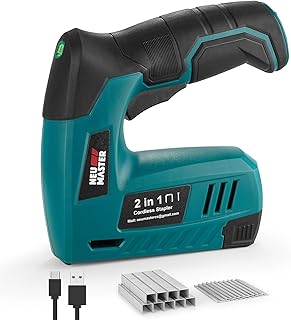

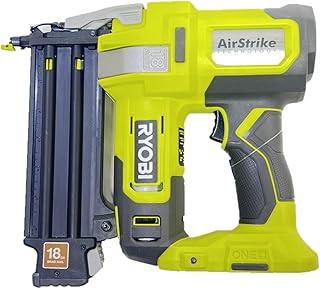


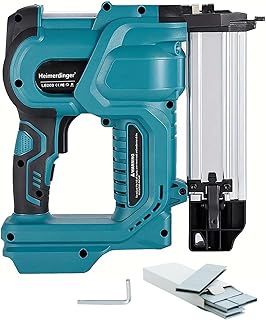


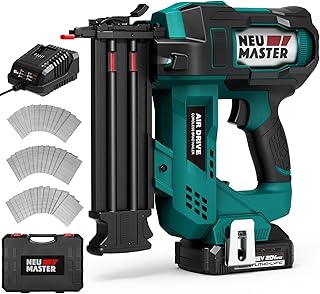


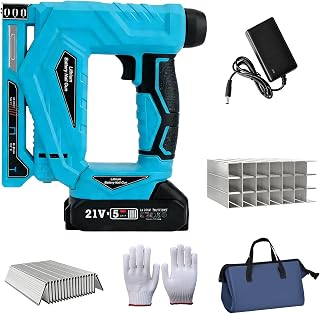
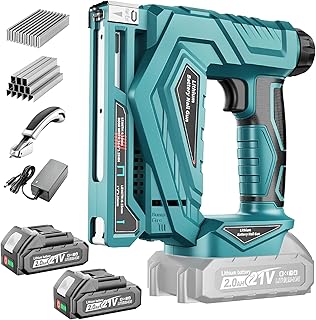


A cordless nail gun provides a practical way to drive nails quickly without relying on a mains power cable, air hose or separate compressor. This makes cordless nailers particularly useful for tradespeople, carpenters, joiners, installers, builders and DIY users who need freedom of movement on site. Battery-powered operation also makes it easier to work in awkward areas, outdoors or in locations where compressed air equipment is inconvenient.
When choosing a cordless nail gun, consider the type of fastening work you regularly carry out. Different nailers are designed for different nail sizes, materials and applications. A finishing nailer can suit detailed woodworking and trim installation, while a framing-style nailer is better suited to heavier construction work. Selecting a model that matches the required nail length and diameter helps deliver reliable results and reduces the risk of unsuitable fasteners.
One of the main advantages of a cordless nail gun is mobility. Without a power lead or compressed-air hose, you can move around a workshop, building site or renovation project more freely. This can be especially useful when fitting timber components, installing mouldings or carrying out repairs in areas where connecting to mains power would be difficult.
Cordless nailers can also simplify setup. There is no need to position an air compressor or manage an air line before starting work. For smaller jobs, this can save preparation time and reduce equipment clutter. Battery-powered designs are also useful for completing multiple fixing tasks in succession, provided the battery has sufficient charge for the application.
A cordless nail gun can support a wide variety of fastening tasks. Woodworkers may use suitable nailers for assembling timber components, securing panels or attaching decorative mouldings. Carpenters can benefit from cordless operation when installing trims, architraves, skirting boards and other finishing materials. On suitable construction projects, more powerful nailers can help with structural timber and general site work.
For DIY users, a cordless nailer can be a convenient alternative to manual hammering when a project involves a large number of fixings. It can help maintain a more consistent fastening process and reduce the effort associated with repetitive nailing. Always check that the selected nailer and fasteners are appropriate for the material and application before beginning work.
Check the battery type and platform before purchasing. If you already own compatible cordless tools, choosing a nailer from the same battery system may allow you to share batteries and chargers. Also consider battery capacity, charging time and how frequently you expect to use the tool.
Fastener compatibility is essential. Check the supported nail type, nail length and nail diameter against the requirements of your project. A nail gun designed for fine finishing work should not be treated as a substitute for a heavy-duty framing nailer.
Consider the material you need to fasten and the expected workload. Regular professional use may justify a robust model with strong driving performance and features designed for repeated operation. Occasional DIY users may prefer a lighter and more compact option that is easy to handle and store.
Weight and balance can affect comfort during extended use. A well-balanced cordless nailer can be easier to control, particularly when working overhead or positioning fixings precisely. Look for practical features such as comfortable grips, accessible controls and a design that suits the way you work.
For UK users, cordless nail guns can be particularly useful on renovation projects, construction sites, workshops and domestic improvement jobs where mobility matters. Battery operation allows work to continue without depending on a nearby socket, while eliminating the need to transport an air compressor for applications that suit cordless fastening.
Before use, read the manufacturer's instructions and select suitable fasteners for the material. Wear appropriate eye protection and follow safe operating practices. Keep hands clear of the firing area and never bypass the tool's safety mechanisms. Proper maintenance, correct storage and suitable batteries can also help maintain dependable performance over time.
The best cordless nail gun depends on the type of work, fastening requirements and frequency of use. Compare compatible nail sizes, battery arrangements, driving performance, ergonomics and intended applications before choosing a model. For detailed finishing work, prioritise precision and handling. For heavier construction applications, focus on suitable fastening capacity and driving power.
Explore cordless nail guns to find a suitable solution for professional jobs, workshop projects and home improvements. With the right nailer and compatible fasteners, you can streamline repetitive fixing tasks while enjoying the freedom of a cordless tool.
Find the right cordless nail gun for efficient, convenient and consistent fastening across woodworking, carpentry, construction and DIY projects. A cordless nailer removes the need for a mains cable, air hose or separate compressor, giving you greater freedom to work where access to power is limited. Whether you need a compact nailer for finishing work or a powerful model for demanding applications, choosing the right cordless system can make repetitive fastening considerably quicker.