

Best Cordless Reciprocating Saws Products online UK (United Kingdom)
Explore our real-time updated product directory index curated for performance, verified star metrics, and historical consumer trust rankings.
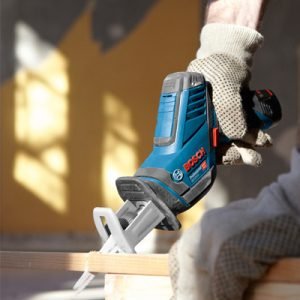
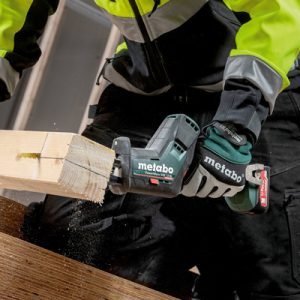
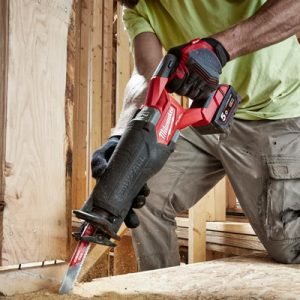
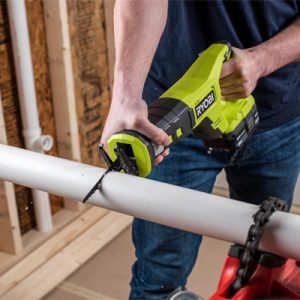


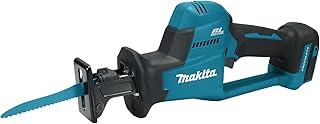


Cordless reciprocating saws provide a convenient solution for cutting where portability matters. Their back-and-forth blade action makes them particularly useful for rapid cuts through a wide range of materials. Unlike a traditional circular saw, the narrow reciprocating blade can reach awkward areas and start cuts in locations where other saws may be difficult to position.
For UK DIY users and tradespeople, cordless operation can be especially useful on renovation projects, maintenance work and outdoor jobs. There is no mains cable trailing across the work area, which can make setup quicker and movement more convenient. Battery-powered models also work well when access to a power socket is limited.
A cordless reciprocating saw can handle many common cutting applications when fitted with the correct blade. Wood-cutting blades are suitable for timber, while specialist blades can be used for metal, plastics and other materials. Demolition blades are also available for demanding work such as cutting through old timber, pipework and construction materials.
Always select a blade designed for the material and application. Blade length, tooth configuration and construction can all affect cutting performance. Using the correct blade helps the saw work more effectively and can reduce unnecessary wear on both the blade and tool.
Battery compatibility is an important consideration when buying a cordless reciprocating saw. If you already own compatible cordless tools, choosing a saw from the same battery platform may allow you to share batteries and chargers. Check the manufacturer's specifications carefully before purchasing a bare tool or battery kit.
Stroke length describes how far the blade travels during each reciprocating movement. Cutting speed is commonly expressed as strokes per minute. Higher specifications can be useful for faster cutting, while variable-speed control can provide greater control when starting a cut or working with different materials.
A lightweight cordless reciprocating saw can be easier to manoeuvre, particularly during overhead or extended cutting tasks. However, balance and grip are just as important as overall weight. Look for an ergonomic design that feels comfortable and provides secure control throughout the cut.
Features such as tool-free blade changes can make it quicker to switch between applications. An adjustable or pivoting shoe can also help provide better contact with the workpiece. These practical details can make a noticeable difference when the saw is used regularly.
The main advantage is flexibility. A cordless model can be carried between work areas without the need to locate a mains supply. This makes it useful for construction sites, gardens, workshops, loft spaces and renovation projects. The compact cutting action can also make these saws useful for trimming, dismantling and cutting in restricted spaces.
For demolition applications, the combination of a powerful motor and suitable blade can help remove unwanted timber, pipework and other materials quickly. For lighter DIY projects, variable speed and a suitable fine-tooth blade can provide more controlled cutting.
Start by identifying the materials and applications you expect to encounter most often. For occasional DIY use, prioritise comfortable handling, straightforward controls and compatibility with an appropriate battery system. For professional or frequent use, consider motor performance, durability, vibration control, cutting capacity and battery runtime.
It is also worth considering whether you need a bare tool or a complete kit. A bare tool can be a practical option if you already have compatible batteries and a charger. A kit may be more suitable when starting with a new battery platform.
The blade is central to reciprocating saw performance. Coarse-tooth blades are often suited to rapid timber and demolition cuts, while finer-tooth blades can be selected for metal or more controlled cutting. Specialist blades are available for particular materials and tasks.
Inspect the blade before use and replace damaged or excessively worn blades. Follow the tool manufacturer's instructions for fitting blades, adjusting settings and operating the saw safely.
Cordless reciprocating saws can suit a broad range of users. DIY enthusiasts may use them for renovation, garden projects and general repairs. Tradespeople can use them for plumbing, electrical installation, carpentry, maintenance and construction work. Their ability to make fast cuts in difficult positions makes them a useful addition to a wider cordless tool collection.
When comparing cordless reciprocating saws, consider the complete specification rather than focusing on one feature. Battery system, cutting performance, speed control, ergonomics, blade compatibility and intended application should all influence your choice. Selecting a saw that matches your regular workload can provide a more practical and efficient cutting solution.
Cut through timber, metal, plastic and other materials with the flexibility of a cordless reciprocating saw. Designed for fast, practical cutting, these versatile saws are useful for DIY projects, renovation work, plumbing, carpentry, demolition and general construction tasks. Without a mains cable to restrict movement, a cordless reciprocating saw can make cutting easier when working outdoors, in confined areas or around a busy job site. When choosing a cordless reciprocating saw in the UK, consider battery compatibility, cutting speed, stroke length, ergonomics, blade selection and the materials you expect to cut. The right combination can help you work efficiently while maintaining better control during demanding applications.