

♥ Wishlist


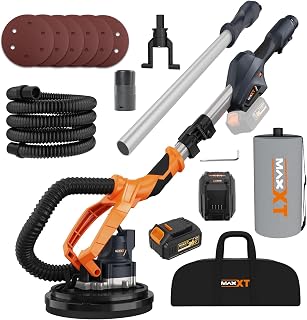


Cordless sanders provide a convenient way to prepare and finish surfaces while keeping your workspace free from a trailing mains cable. They are particularly useful when you need to move between work areas, sand large panels or complete finishing work where access to a power socket is limited. Modern battery-powered sanders can deliver dependable performance for DIY projects, furniture preparation, woodworking and general surface finishing.
When choosing a cordless sander, start by considering the type of work you regularly carry out. Different sanding tools suit different applications, so selecting the right design can improve control, finish quality and productivity. A compact model may suit detailed or occasional work, while a larger machine can be more appropriate for preparing bigger surfaces.
Cordless random orbital sanders are a popular option for producing smooth finishes on wood and other suitable materials. Their orbital sanding action helps remove marks while reducing the risk of creating obvious sanding patterns when the tool is used correctly. They can work well for furniture, worktops, doors and general woodworking projects.
Cordless detail sanders are designed for smaller areas, corners and intricate surfaces. Their compact sanding pads make them useful when working on furniture details, narrow sections or areas that are difficult to reach with a larger sander. For broader material removal, other cordless sanding designs may provide a better balance of coverage and speed.
One of the main advantages of a cordless sander is unrestricted movement. Without a mains cable, you can position the tool around your workpiece without constantly adjusting the lead. This can be especially helpful when working outdoors, on a building site or in locations where sockets are inconvenient.
Battery operation can also make setup simpler. Insert a compatible charged battery, fit the appropriate sanding abrasive and you are ready to work. If you already use cordless power tools from a compatible battery platform, sharing batteries and chargers across tools can also help reduce the amount of equipment you need to carry.
Check the battery voltage, battery compatibility and expected runtime before choosing a model. If you already own compatible cordless tools, staying within the same battery system can be convenient. For longer jobs, having a spare charged battery can help minimise interruptions.
Consider the sanding motion and available speed settings. Variable speed control can provide greater flexibility when working with different materials and finishing requirements. Lower speeds may offer improved control for delicate work, while higher settings can help with faster material removal where appropriate.
A comfortable grip and balanced design can make a noticeable difference during longer sanding sessions. Look for a shape that feels stable in your hand and allows you to maintain consistent pressure. A manageable weight is also important when sanding vertical surfaces or working for extended periods.
Sanding can produce a significant amount of dust, so dust collection is an important feature to consider. Some cordless sanders include integrated collection systems or connections for suitable extraction equipment. Effective dust management can help keep the work area cleaner and improve visibility while sanding.
Cordless sanders are useful for many preparation and finishing tasks. Typical applications include smoothing timber, preparing painted surfaces, removing minor surface imperfections and finishing furniture. They can also be useful for renovation projects where you need to work in different rooms or locations without repeatedly locating a suitable mains socket.
For woodworking, the correct abrasive and sanding technique are just as important as the tool itself. Start with an appropriate grit for the task and progress through finer abrasives when a smoother finish is required. Avoid applying excessive pressure, as allowing the sanding pad to work naturally can provide more consistent results and help prevent unnecessary wear.
For efficient results, keep suitable sanding discs or sheets available before beginning the job. Check the abrasive attachment system and select the correct grit for the material and desired finish. Clean the sanding surface and dust collection components regularly so the tool can continue to operate effectively.
It is also worth considering the wider requirements of your project. If you frequently switch between coarse preparation and fine finishing, a cordless sander with convenient speed control and readily available abrasives can make the process easier. For professional users, battery compatibility across a wider tool collection may also simplify transport and charging.
Explore cordless sanders for DIY, woodworking, renovation and professional surface preparation. Compare the sanding style, battery requirements, ergonomics, speed control and dust-management features that matter to your application. Choosing a suitable cordless sander can give you greater freedom of movement while helping you achieve a clean and consistent surface finish.
Before starting any sanding task, always follow the manufacturer's operating instructions and use appropriate personal protective equipment. Select abrasives and accessories that are suitable for both the sander and the material being worked on.
Cordless sanders offer the freedom to smooth, prepare and finish surfaces without the restriction of a mains power cable. They are a practical choice for DIY enthusiasts, woodworkers, tradespeople and professional users who need convenient sanding performance around the workshop, jobsite or home. With no power lead to manage, a cordless sander can make it easier to work on furniture, doors, panels, timber and other suitable surfaces.