

♥ Wishlist


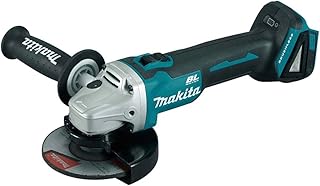


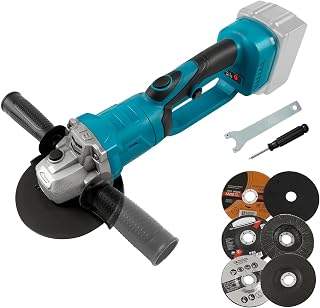


Makita cordless die grinders are compact rotary tools designed for applications where control, access and portability matter. Unlike larger angle grinders, a die grinder uses a smaller rotating accessory mounted through a collet. This makes it suitable for more detailed work, including deburring edges, cleaning welds, shaping metal, removing excess material and preparing surfaces before further finishing.
A cordless design adds another layer of convenience. Without a mains lead trailing across the work area, you can position the tool more freely and move between workstations without repeatedly finding a power socket. This can be useful for maintenance engineers, fabricators, installers and tradespeople who regularly work in different locations.
A Makita battery die grinder can be a useful addition to a cordless workshop tool collection. Battery operation allows you to work around vehicles, machinery, fabrication projects and other areas where cable access may be inconvenient. If you already use compatible Makita cordless tools, selecting a die grinder from the same battery platform can also help simplify battery management.
Makita die grinders are built around the brand's established cordless tool ecosystem. Depending on the model, features may include variable speed control, compact construction, electronic controls, brushless motor technology and protection systems. Always check the specifications of the individual product before buying, as features, battery compatibility and supplied accessories can differ between models.
These tools are commonly used for metalworking, fabrication, engineering, vehicle maintenance and general workshop tasks. Their narrow body and small grinding accessories allow you to reach areas where a larger grinder may be difficult to position.
Speed is an important consideration when selecting a cordless die grinder. Different materials and accessories can require different operating speeds, so variable speed control can provide greater flexibility. A suitable speed setting can help you maintain control while matching the tool to the task and accessory.
Check the maximum no-load speed alongside the manufacturer's guidance for compatible accessories. Never assume that every grinding, cutting or polishing attachment is suitable for every setting. Follow the accessory manufacturer's maximum rated speed and the tool manufacturer's instructions for safe operation.
For cordless tools, battery compatibility is an important part of the buying decision. If you already own Makita batteries, check whether they are compatible with the die grinder you are considering. Battery capacity can also influence runtime, weight and overall handling.
A higher-capacity battery may provide longer working time, while a smaller battery can make a compact tool easier to handle for detailed tasks. Your preferred balance will depend on the application and how long you typically work between battery changes.
The collet determines which compatible accessories can be fitted to the tool. Before ordering a die grinder, check the supplied collet size and confirm that your preferred grinding stones, burrs, polishing accessories or other attachments match the tool's requirements.
Accessory selection should always reflect the material and task. Use accessories specifically designed for the intended application and follow their operating instructions. Correct accessory selection helps you get consistent results while maintaining appropriate control of the tool.
Die grinding often involves detailed movements, so handling can be just as important as raw power. A compact form, balanced weight distribution and comfortable grip can make it easier to guide the tool accurately. Cordless operation can also reduce the need to manage a cable while moving around a workpiece.
If the tool will be used regularly, compare its dimensions, weight with the intended battery and grip design. These factors can influence fatigue during longer workshop sessions.
For UK professionals and serious DIY users, a cordless die grinder can provide a convenient alternative to corded rotary grinding equipment. It can suit workshops, garages, fabrication areas and mobile maintenance work where portability is valuable.
When comparing models, look beyond the headline speed. Consider the battery system, motor technology, variable speed capability, collet arrangement, tool dimensions, runtime and intended applications. A model that matches your existing tools and accessories may provide a more practical long-term choice than simply selecting the highest specification.
Start by identifying the jobs you perform most often. For detailed metal preparation, deburring and finishing, prioritise control, suitable speed ranges and ergonomic handling. For heavier workshop use, consider motor performance, battery capacity and durability alongside accessory compatibility.
Always review the individual product specifications before purchase because battery, charger and accessory inclusion can vary. If you need a complete cordless setup, check whether the selected product is supplied as a bare tool or as part of a kit. This helps you avoid purchasing components you already own or overlooking items required to start working.
Use appropriate personal protective equipment and follow the manufacturer's operating instructions. Eye protection is particularly important when grinding or using rotary accessories. Depending on the application, additional protection such as hearing protection, suitable gloves and respiratory protection may be appropriate.
Inspect accessories before use and never exceed their rated operating speed. Secure the workpiece properly, maintain a firm grip and allow the accessory to perform the work rather than applying excessive pressure. Keep the work area clear and remove the battery before carrying out maintenance or accessory changes when required by the manufacturer's instructions.
Whether you need a portable tool for fabrication, maintenance, deburring or precision finishing, Makita cordless die grinders provide a flexible battery-powered approach to rotary grinding. Compare the available specifications carefully, paying attention to battery compatibility, speed, collet size, ergonomics and intended use. Choosing the right combination of tool and accessories can help you achieve controlled, efficient results across a wide range of workshop tasks.
Makita cordless die grinders offer a practical solution when you need compact grinding and finishing power without a mains cable. Designed for workshop, fabrication, maintenance and trade applications, these battery-powered tools provide freedom of movement around the workpiece. They are particularly useful where access to a socket is limited or where a cable could restrict positioning. This category is focused on cordless die grinders from Makita, covering tools suited to detailed material removal, deburring, surface preparation, polishing and other precision grinding tasks. When choosing a model, consider the battery platform, speed control, collet size, ergonomics, runtime and the type of accessories you plan to use. For UK buyers, compatibility with an existing Makita battery system can also make a significant difference to the overall value of your purchase.