

♥ Wishlist


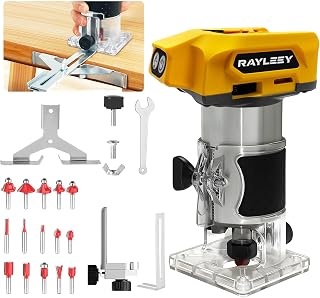


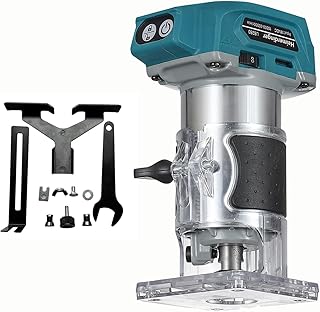


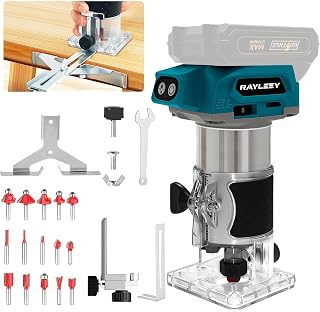

Makita cordless routers are designed for woodworkers, joiners, tradespeople and DIY users who need controlled routing without relying on a mains power cable. These battery-powered tools are particularly useful for trimming edges, creating profiles, cutting grooves and carrying out detailed woodworking where portability and easy handling matter. The cordless design can make it easier to move around a bench, workpiece or jobsite while reducing the need to position an extension lead.
When choosing a Makita cordless router, consider the type of work you expect to complete most often. Compact routers are especially useful for edge trimming, rounding over, chamfering and other finishing tasks. They can also be used for selected joinery applications when paired with an appropriate router bit and suitable setup. If your projects involve repetitive routing, furniture construction or cabinet work, look for a model and configuration that provides the control, adjustment and battery runtime needed for your workload.
One of the main advantages of cordless routing is freedom of movement. Without a mains cable running from the tool to a socket, you can position the router around the workpiece with fewer restrictions. This can be helpful on installation jobs, construction sites and workshops where the work area changes regularly. Battery power also removes one potential source of clutter from the immediate working area.
Compact cordless routers are also valued for their handling. Their smaller format can make detailed work easier to manage, particularly when trimming laminate, shaping exposed edges or producing decorative profiles. Good visibility around the base is important because accurate routing depends on maintaining consistent contact and movement across the material.
A Makita cordless router can support a wide range of woodworking tasks. Common applications include flush trimming, edge profiling, chamfering, rounding over, grooving and rebate work. The correct router bit should always match the intended operation and material. Woodworkers can use different bit profiles to create functional joints or decorative edges, making a router a versatile addition to a workshop tool collection.
These routers can be particularly practical for cabinetry and furniture projects. They can help produce clean edges and repeatable details when the workpiece is properly secured. For joiners and carpenters, cordless operation can also be useful when completing finishing or fitting work away from a permanent workshop setup.
Before selecting a cordless router, check the battery platform you already use or intend to adopt. Using a compatible battery system can make it easier to share batteries and chargers with other cordless tools. Runtime will depend on the battery capacity, material, routing depth, bit size and workload, so consider keeping a charged spare battery available for longer sessions.
Router bit compatibility is another important consideration. Check the collet size and ensure that your existing bits or planned accessories are suitable for the router you choose. Depth adjustment is equally important for controlled results. A practical adjustment system helps you set the required cutting depth and repeat the setting across multiple workpieces.
Speed control can also be useful when working with different router bits and materials. Selecting an appropriate speed can help support cleaner results and controlled operation. Always follow the manufacturer's instructions for the specific router, accessory and material being used.
Makita cordless routers can suit a broad range of UK woodworking environments. In a workshop, they can provide a convenient option for trimming and profiling without adding another mains cable to the bench. On site, cordless operation can be particularly useful where socket access is limited or where work needs to be completed in different areas of a building.
For DIY users, a compact cordless router can be useful for furniture upgrades, shelving, timber projects and other woodworking tasks. Professional users may value the flexibility of adding a cordless router to an existing battery tool collection, especially when the same battery platform is already used for drills, saws and other equipment.
Safe routing starts with a secure workpiece, the correct router bit and suitable personal protective equipment. Inspect the bit before use and make sure it is correctly installed. Allow the router to reach the appropriate operating speed before beginning the cut, then guide it steadily without forcing the tool through the material.
Dust extraction can help keep the working area clearer and reduce airborne woodworking dust. Follow the manufacturer's safety guidance and use appropriate eye, hearing and respiratory protection for the application. Taking time to set the cutting depth and routing direction correctly can also improve both safety and finished quality.
Choosing the right Makita cordless router comes down to your typical applications, required cutting depth, router bit compatibility, battery requirements and preferred handling characteristics. Whether you need a compact tool for edge trimming or a versatile cordless option for regular woodworking, compare the available specifications carefully before making your choice.
Explore the Makita cordless routers category to find a suitable battery-powered routing solution for woodworking, joinery, cabinetry, furniture making and general DIY applications in the UK.
Makita cordless routers provide a convenient battery-powered solution for trimming, edging, grooving and detailed woodworking. Designed for users who want the freedom to work without a mains cable, these compact routing tools are well suited to joinery, cabinetry, furniture making, fitting work and general workshop projects. A Makita cordless router can offer easy handling while giving you the flexibility to move around the workpiece without managing a trailing power lead.