

♥ Wishlist


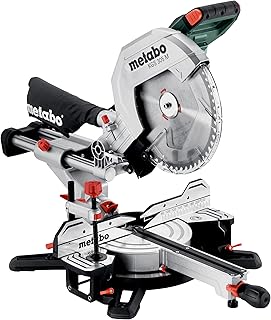

Metabo cordless mitre saws offer a practical solution when accurate timber cutting needs to be combined with the freedom of battery power. A cordless mitre saw removes the need to position a mains cable around the work area, making the tool useful for installation work, renovation projects, workshops and changing job-site conditions. Instead of being restricted by the location of a socket, you can position the saw where the cutting task requires it, provided the appropriate battery is available.
Mitre saws are designed for controlled crosscutting and angled cutting. Depending on the model and specification, users can make straight crosscuts as well as mitre and bevel cuts for applications such as skirting boards, architraves, framing components, flooring, trim and general woodworking. The key is to select a saw with a cutting capacity and adjustment range that matches the materials and joints you regularly work with.
One of the main benefits of a cordless mitre saw is mobility. A battery-powered machine can be moved between work areas without planning around an extension lead. This can be particularly useful for tradespeople carrying out second-fix carpentry, interior fitting, refurbishment and maintenance work. It can also make occasional cutting tasks more convenient for DIY users who do not want a permanent mains-powered saw setup.
When comparing cordless models, consider the battery platform as well as the saw itself. If you already use compatible battery-powered tools, choosing a saw from the same battery family can help simplify battery management. Check the product specification carefully to establish whether a particular saw is supplied as a bare tool or with batteries and a charger.
Cutting capacity is an important consideration when choosing a mitre saw. Think about the width and thickness of the material you normally cut and compare those requirements with the stated capacity of each model. A suitable blade is equally important. Blades with different tooth configurations are designed for different materials and cutting requirements, so always select a blade appropriate for the intended application and compatible with the saw.
For repetitive work, a clearly marked mitre adjustment can make setup easier. Positive stop positions can also help when frequently cutting common angles. If your projects involve compound joints or angled assemblies, look for a specification that provides the required mitre and bevel adjustment rather than choosing solely on portability.
A cordless mitre saw can be valuable for a wide range of woodworking tasks. Carpenters may use one for accurate cuts on framing and timber components, while joiners can use it for trim and finishing work. Installers can benefit from cordless operation when working in rooms where access to power is inconvenient. DIY users can also use a suitable model for home improvement projects involving timber mouldings, shelves, frames and other components.
For longer workpieces, proper support is essential. Use a stable work surface and suitable material supports so that the workpiece remains controlled during cutting. Accurate results depend not only on the saw but also on correct setup, secure workpiece positioning and an appropriate blade.
Portability is one of the strongest reasons to consider a cordless model. A compact setup can be easier to transport between locations, although the total carrying weight will depend on the saw, battery and accessories. If the saw will be moved frequently, consider how easily it can be carried, positioned and stored.
For workshop users, portability may be less important than cutting capacity and repeatability. For mobile tradespeople, however, a balance between capacity, battery runtime and ease of transport can make a significant difference to everyday productivity.
Always follow the manufacturer's operating and safety instructions before using a mitre saw. Wear suitable eye and hearing protection where required, keep hands away from the blade path and make sure the workpiece is properly supported. Inspect the blade before use and ensure that guards and other safety features are operating correctly.
Keep the cutting area clean and provide sufficient space for the workpiece. Remove or secure loose materials that could interfere with the saw. Disconnect the battery before carrying out maintenance, blade changes or other procedures where the manufacturer's instructions require the tool to be isolated from its power source.
The best Metabo cordless mitre saw depends on the type of cutting you perform, the material sizes you handle and how often you move between work locations. Compare cutting capacity, blade specification, mitre and bevel adjustment, battery compatibility, portability and included accessories before making a decision. Checking these factors together helps you select a saw that fits your working method rather than choosing on brand or appearance alone.
Whether you need a mobile saw for professional installation work or a flexible cutting solution for woodworking and home improvement, cordless mitre saws provide a convenient alternative to mains-powered equipment. Review the available specifications carefully and choose a model that provides the capacity, control and battery setup required for your intended applications.
Metabo cordless mitre saws combine the controlled cutting action of a mitre saw with the flexibility of battery power. They are suited to tradespeople, installers, joiners and DIY users who need accurate crosscuts, mitre cuts and bevel cuts without relying on a mains cable. For UK users, a cordless design can make it easier to work in different rooms, on building sites, during installations or wherever access to a power socket is limited.