
♥ Wishlist
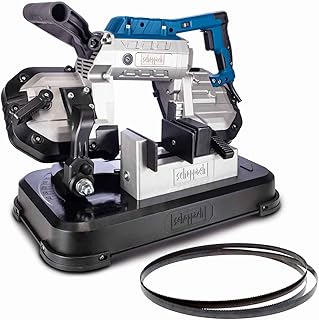


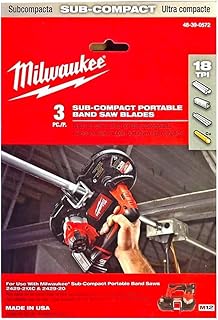


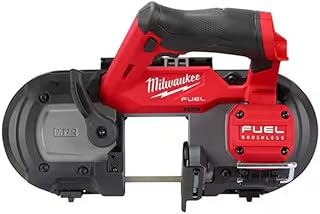


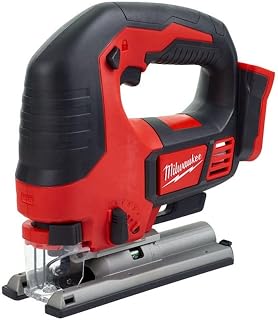


A Milwaukee cordless bandsaw can be a practical choice for UK tradespeople, installers, maintenance professionals and serious DIY users who need portable cutting performance. Unlike a conventional corded machine, a battery-powered bandsaw can be moved around a worksite without searching for a nearby mains socket or managing an extension lead. That freedom can make a noticeable difference when materials need to be cut away from a fixed workshop.
The best Milwaukee cordless bandsaw for your work depends on what you cut, how frequently you cut it and how much portability matters. Before buying, look beyond the brand name and compare the specifications that affect everyday use. Cutting capacity, blade compatibility, overall size, weight, battery requirements and handling should all form part of your decision.
Cordless operation is one of the main reasons to consider a battery-powered bandsaw. Without a mains cable running across the workspace, you can position the tool more easily around equipment, vehicles, frames and construction materials. This can also help when working in locations where access to electrical power is limited.
A bandsaw uses a continuous blade loop rather than the reciprocating blade found on many portable saws. This cutting principle can provide controlled, consistent movement through suitable materials. However, performance depends on selecting the correct blade and using a cutting speed and technique appropriate for the material.
Cutting capacity is an important specification because it determines the size of material the saw can accommodate. Think about the largest pipes, profiles, bars or other workpieces you regularly expect to cut. A suitable capacity gives you useful clearance without making the tool unnecessarily large for your everyday jobs.
Check which battery system the particular bandsaw uses and whether you already own compatible batteries and a charger. A bare-tool purchase can be attractive when you already have the required battery platform. If you are starting from scratch, remember to account for the cost and availability of batteries and charging equipment.
The blade is central to bandsaw performance. Different materials and cutting requirements can call for different blade specifications. Check the required blade dimensions and tooth configuration before purchasing replacement blades. Keeping suitable spare blades available can also reduce downtime during demanding projects.
A cordless bandsaw should feel manageable in the positions where you expect to use it. Weight becomes increasingly important when making repeated cuts, working at shoulder height or moving between different areas of a jobsite. Consider the complete working weight with the battery fitted rather than looking only at the bare-tool specification.
Portable bandsaws can suit a range of professional applications where controlled cutting and mobility are valuable. Depending on the blade and model specification, typical tasks can include cutting suitable metal stock, pipe, profiles and other compatible materials. Always confirm the manufacturer's specifications before using a bandsaw on a particular material.
For installation and maintenance work, portability can be especially useful. A cordless design allows the tool to travel with the rest of your battery-powered equipment. This can simplify workflows where repeated cutting is required at different points around a site.
When comparing Milwaukee cordless bandsaws, start with your actual workload rather than choosing solely by price. A compact model may be preferable when portability and manoeuvrability are priorities, while a model with greater capacity may make more sense for larger workpieces. Battery runtime should also be considered in relation to the number of cuts you expect to make during a typical working session.
It is also worth checking what is included with each listing. Some power-tool purchases are supplied as bare tools, while other packages may include batteries, chargers, cases or accessories. Comparing the complete package can help you understand the real cost of getting the tool ready for work.
Always read the manufacturer's instructions before operating a cordless bandsaw. Use the recommended blade and inspect it before starting work. Secure the workpiece appropriately, maintain a stable grip and keep hands clear of the cutting area. Wear suitable personal protective equipment for the task and material, including appropriate eye and hearing protection where required.
Do not force the tool through material. Allow the blade and saw to work at an appropriate rate for the application. If the blade becomes damaged, excessively worn or unsuitable for the material, stop work and replace it with the correct specification.
Choosing a Milwaukee cordless bandsaw becomes easier when you match the tool to your cutting requirements, battery setup and working environment. Consider capacity first, then assess battery compatibility, blade requirements, weight, ergonomics and included accessories. This approach helps you focus on practical performance instead of choosing a model based only on headline specifications.
For UK shoppers, comparing available Milwaukee cordless bandsaw options online can also make it easier to review specifications and current purchasing options before making a decision. Whether you need a portable saw for regular trade work or occasional workshop projects, select a model that fits the materials, dimensions and frequency of cutting you actually expect.