

Best Nippers Hand Tools for Precise Cutting in the UK Products online UK (United Kingdom)
Explore our real-time updated product directory index curated for performance, verified star metrics, and historical consumer trust rankings.


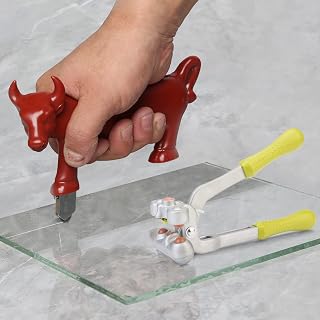


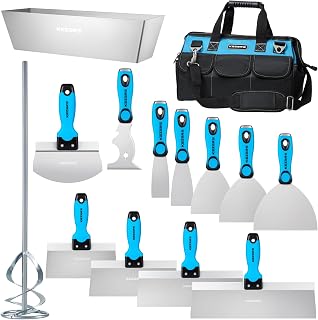


A nippers hand tool is a compact cutting tool designed for tasks where control, access and accuracy matter. Unlike larger cutting equipment, nippers can be used comfortably in confined areas and provide a direct manual cutting action. They are useful across workshops, maintenance jobs, DIY projects and a range of trade applications.
When choosing nippers, consider the type of material you need to cut, the available working space and how frequently the tool will be used. Different designs offer different jaw shapes, cutting positions and levels of access. Selecting the right configuration can make everyday cutting tasks faster and more comfortable.
Nippers are commonly used for cutting, trimming and removing small sections of suitable materials. Depending on the design, they can help with tasks such as cutting wire, trimming small components, removing unwanted material and working around tight spaces. Their compact construction makes them particularly useful when a conventional cutting tool is difficult to position.
Always match the nippers to the material and cutting capacity specified by the manufacturer. Using a tool beyond its intended application can damage the cutting edges and may create a safety risk. For demanding jobs, check the product specifications before starting work.
End cutting nippers have cutting edges positioned at the end of the jaws. This design is useful when you need to approach material from the front and can be particularly practical for trimming protruding sections or accessing areas where side cutters are less convenient.
Side cutting designs provide a cutting edge along the side of the jaws. They are useful for general-purpose wire and small-material cutting where a sideways approach offers better access and control.
Some nippers are designed for particular applications or materials. Specialist versions may have shaped jaws, reinforced construction or specific cutting geometry. These features can improve performance when the tool is used for its intended purpose.
Look at jaw design, cutting capacity, handle shape and overall construction when comparing nippers. A well-designed handle can provide a secure grip and better control during repetitive work. Precision-ground cutting edges can also help achieve a clean cut when working within the tool's rated capacity.
For regular workshop or professional use, durability is another important consideration. Check the construction materials, joint design and finish. If the tool will be carried between jobs, compact dimensions and practical storage can also be useful.
For occasional DIY projects, a versatile pair of nippers can be a useful addition to a general hand-tool collection. They can handle small cutting and trimming jobs around the home, garage or workshop when the material falls within the tool's specification.
Professional users may need a more specialised option for repeated cutting tasks. In this situation, pay close attention to cutting capacity, ergonomics and construction. A suitable professional-grade tool can provide consistent handling throughout a working day.
Start by identifying exactly what you need to cut. Wire, small metal components and other materials can require different cutting capacities and jaw designs. Next, consider access. If you regularly work close to a surface or inside a restricted area, the position and shape of the jaws can be especially important.
It is also worth considering handle comfort and tool size. A compact pair may be easier to control in restricted spaces, while a larger design can offer a different level of leverage. Compare the manufacturer's specifications rather than choosing based on appearance alone.
Wear appropriate eye protection when cutting materials that could produce flying fragments. Keep fingers away from the cutting area and use the tool only for materials within its rated capacity. Do not use nippers as a substitute for pliers, gripping tools or other equipment unless the manufacturer specifically permits that application.
Keep the cutting edges clean and dry, and inspect the jaws and pivot regularly. If the tool develops damage, excessive looseness or damaged cutting edges, stop using it and replace or repair it as appropriate. Store nippers in a dry location to help maintain their working condition.
The right nippers can make detailed cutting and trimming work easier to control. Whether you are preparing for a DIY project, maintaining equipment or adding a practical cutting tool to a professional kit, choosing a design that matches the application is essential.
Explore the Nippers Hand Tool category to compare suitable options for your requirements. Check each product's specifications, cutting capacity and intended application before purchase so you can select a hand tool that fits the job.
Find reliable nippers hand tools for controlled cutting, trimming and workshop tasks. This category is designed for UK DIY users, tradespeople, maintenance professionals and anyone who needs a compact hand tool for precise work. Nippers are available in different shapes and cutting configurations, making it easier to choose a tool suited to the material, access and application.