

Best Garden Trimmers for Neat Lawns, Borders & Garden Edges Products online UK (United Kingdom)
Explore our real-time updated product directory index curated for performance, verified star metrics, and historical consumer trust rankings.


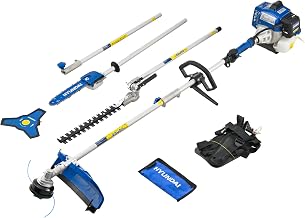


Garden trimmers make it easier to maintain the areas that a lawn mower cannot always reach. They are ideal for tidying grass around borders, fences, walls, paths, trees and other awkward spaces. Whether you need a lightweight trimmer for occasional lawn maintenance or a capable machine for regular garden work, choosing the right type can make trimming quicker and more comfortable.
For UK gardeners, a garden trimmer can be particularly useful when maintaining lawns with irregular edges, raised borders or narrow sections. Grass trimmers are also helpful after mowing, allowing you to create a cleaner finish around areas where a mower cannot safely or accurately cut. The best option depends on your garden size, cutting requirements, available power source and preferred working style.
Garden trimmers come in different designs to suit a wide range of outdoor maintenance jobs. Some models are designed primarily for grass trimming, while others offer features that make them suitable for tougher vegetation and more demanding areas. Consider where you will use the machine before selecting a model.
A grass trimmer is useful for finishing lawn edges after mowing. It can help tidy grass alongside paving, walls, fences and flower beds. Models with adjustable heads or edging functions can make it easier to maintain a consistent boundary between lawn and other garden surfaces.
For longer or thicker grass, look for a trimmer with suitable cutting performance and a robust cutting system. More powerful models can provide greater capability when dealing with areas that have been left unattended for longer periods.
Compact garden trimmers can be convenient for smaller gardens or occasional jobs. A lightweight design may reduce fatigue during shorter sessions and make the machine easier to manoeuvre around beds, paths and garden furniture.
The power source is one of the most important factors when comparing garden trimmers. Each type has advantages depending on how and where you plan to work.
Cordless trimmers offer freedom of movement without a mains cable. They are convenient for navigating gardens with several borders, trees or separate lawn areas. Battery-powered models can also be easier to store and prepare for quick maintenance jobs. When comparing cordless options, consider battery voltage, compatible batteries, charging requirements and expected runtime.
Mains-powered electric trimmers can provide a practical solution when continuous operation is important and a suitable outdoor power supply is available. They can be useful for regular lawn maintenance without requiring battery charging. Always consider cable management and safe working practices when using a corded machine outdoors.
Petrol-powered garden equipment can be suited to demanding outdoor work where high power and extended operation are priorities. However, these machines may require more maintenance and can be heavier than many electric or cordless alternatives. For routine domestic lawn edging, a cordless or electric trimmer may be more convenient.
Comparing practical features can help you choose a garden trimmer that matches your garden and working habits. Cutting width affects how much grass can be trimmed in each pass, while a larger cutting width can help cover open areas more efficiently. A narrower cutting area may offer better control around borders and confined spaces.
Weight is another important consideration, particularly if you expect to use the trimmer for longer periods. Adjustable handles and shafts can improve comfort by helping you find a more suitable working position. Some models also include adjustable cutting heads, edging functions, plant protectors or telescopic adjustments.
The cutting system also deserves attention. Many garden trimmers use line or cord systems for grass cutting, while other designs use blades. Check the manufacturer's specifications to understand the intended vegetation, replacement requirements and compatible accessories.
Start by considering the size and layout of your garden. A small lawn with a few edges may only require a compact trimmer, while a larger garden with extensive borders may benefit from longer runtime, a wider cutting area or a more powerful machine. Think about whether the trimmer will be used mainly for lawn edging or for tackling longer grass and heavier growth.
Comfort should also influence your decision. If you expect frequent use, look for features that support easier handling, such as adjustable shafts, comfortable grips, balanced construction and manageable weight. For cordless models, check whether the battery and charger are included or sold separately, as this can affect the overall purchase cost.
Always read the manufacturer's instructions before operating a garden trimmer. Wear suitable eye protection and sturdy footwear, and keep other people and pets at a safe distance while cutting. Check the cutting area for stones, branches and other objects before starting work.
Keep the trimmer clean and inspect the cutting system regularly. Replace worn line, blades or other consumable components according to the manufacturer's guidance. For cordless models, store batteries as recommended and keep contacts clean and dry. Proper maintenance can help preserve cutting performance and extend the useful life of the equipment.
The right garden trimmer can simplify routine lawn maintenance and help give outdoor spaces a cleaner, more finished appearance. Compare power sources, cutting performance, weight, cutting width, adjustment options and accessories before making your choice. Whether you are tidying a small domestic lawn or maintaining larger garden borders, selecting a trimmer that matches your workload can make regular garden care more efficient.