

♥ Wishlist


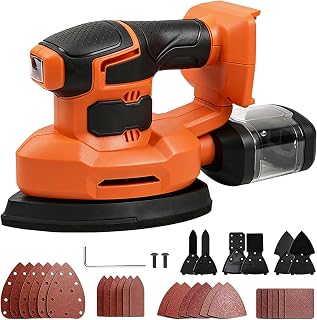


Makita cordless sanders give UK tradespeople, woodworkers and DIY enthusiasts the freedom to sand without being restricted by a mains cable. This category brings together cordless sanding solutions designed for different jobs, from fine finishing and furniture preparation to material removal, polishing and larger surface work. Whether you need a compact palm sander for detailed woodworking or a more powerful belt or random orbital sander, choosing the right machine can make surface preparation faster and more consistent.
Battery-powered sanding is particularly useful when you need to move around a workshop, work on a renovation site or sand in areas where access to a power socket is inconvenient. Makita offers cordless platforms such as LXT and XGT, while individual models can differ significantly in sanding action, pad size, battery system, speed control and dust-management features. Always check the exact product specification before purchasing to confirm battery and charger requirements.
The best sander depends on the material, surface area and finish you want to achieve. Random orbital sanders are versatile choices for smoothing timber, removing old finishes and preparing surfaces for painting or polishing. Their sanding action is suited to general-purpose work where a balanced combination of material removal and surface quality is important.
Finishing and palm sanders are useful when you need controlled sanding on furniture, doors, panels and other relatively flat surfaces. Their compact designs can make them easier to handle during detailed work. Belt sanders, meanwhile, are designed for faster stock removal and can be particularly useful when working on larger timber surfaces or demanding preparation tasks.
For specialist applications, Makita also offers cordless sanding equipment intended for tasks such as drywall preparation. These products can provide greater reach and are designed around the practical requirements of sanding walls and ceilings. Consider the type of work you regularly undertake before selecting a machine based solely on power or speed.
Battery compatibility is one of the most important considerations when choosing a cordless sander. If you already use Makita cordless tools, selecting a model from a compatible battery platform can help you make better use of existing batteries and chargers. Check whether the product is supplied as a bare tool or as a kit with batteries and a charger. Runtime will also vary according to battery capacity, sanding pressure, material and operating conditions.
The sanding format affects both productivity and the type of abrasive you need. Smaller sanding pads can provide greater control for detailed jobs, while larger formats can cover more surface area. Belt sanders use continuous abrasive belts and are better suited to aggressive sanding. Before buying, check the required abrasive dimensions and availability of replacement sanding media.
Variable-speed control can be valuable when working with different materials or when switching between material removal and finishing. A lower setting may offer more control for delicate surfaces, while a higher setting can help with faster sanding where appropriate. Use the manufacturer's recommended settings and avoid excessive pressure, as letting the sander work at its intended rate can improve both finish quality and abrasive life.
Sanding creates fine particles, so effective dust management is an important feature for workshops and indoor renovation projects. Depending on the model, dust may be collected through an integrated container, dust bag or connected extraction system. Good dust collection can help keep the work area cleaner and improve visibility around the sanding surface. Appropriate respiratory protection and workshop ventilation should still be considered when sanding materials that generate hazardous dust.
Makita cordless sanders can suit a wide range of applications across home improvement, joinery, furniture restoration, construction and general workshop work. For DIY users, cordless operation can simplify projects by removing the need to manage a trailing mains cable. For professionals, a suitable battery system can provide greater mobility across jobsites and reduce the need to position work around available sockets.
When comparing products, look beyond headline specifications. Consider the sanding action, ergonomics, vibration control, dust extraction, abrasive availability, battery compatibility and the amount of sanding you expect to perform. A compact finishing sander may be preferable for occasional furniture work, while a robust random orbital or belt sander can be more appropriate for frequent renovation and workshop applications.
Start by identifying the main sanding task and the material you will work on. Next, decide whether you need a finishing, random orbital, belt or specialist sander. Check the battery platform and determine whether you need a body-only machine or a complete kit. Then compare pad or belt dimensions, speed settings, dust-management options and handling characteristics.
It is also worth checking the cost of compatible abrasives and replacement accessories. A competitively priced sander may become less economical if suitable sanding media are difficult to source or expensive to replace. For regular professional use, prioritise durability, comfort and compatibility with your existing cordless tool setup.
Makita cordless sanders offer a practical choice for users who want portable sanding performance without relying on a mains cable. With options covering finishing, random orbital, belt and specialist applications, the right model can make surface preparation more efficient and manageable. Compare the available specifications carefully, match the sanding type to your project and check battery requirements before making a purchase. This approach helps you choose a Makita cordless sander that fits your workshop, jobsite or DIY requirements in the UK.