

♥ Wishlist


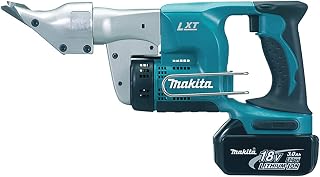
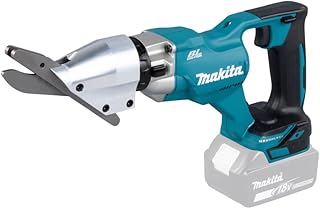


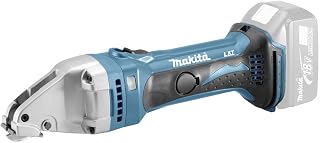


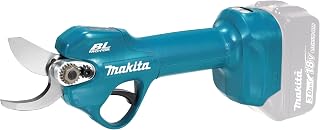


Makita metal shears are designed for users who need controlled cutting performance when working with suitable sheet metal and other compatible materials. Instead of relying on manual snips for every job, powered metal shears can provide a faster and more consistent approach to repetitive cutting tasks. They can be useful for tradespeople, fabricators, installers, maintenance professionals and serious DIY users who regularly handle metal sheet.
When choosing a metal cutting tool, the right combination of cutting capacity, handling, power source and application suitability matters. Makita metal shears can offer a practical solution where clean cutting, manoeuvrability and efficient operation are important. For UK workshops and job sites, a suitable cordless model can also reduce dependence on mains power and make it easier to work in areas where access to a socket is limited.
Powered shears are particularly useful when a project involves multiple cuts or longer cutting runs. Their operating design allows the user to guide the tool through the material while maintaining control over the cutting path. This can help make repetitive work less demanding than using traditional hand-operated cutting tools.
Makita metal shears are also worth considering when portability is a priority. Cordless equipment can be convenient for installation work, repairs and construction environments because there is no mains cable trailing behind the tool. Battery compatibility may also be an important consideration for users who already have compatible Makita cordless equipment.
Metal shears can be suitable for a range of professional and workshop applications, depending on the specification of the individual model. Typical tasks may include cutting suitable sheet metal for fabrication, installation, ducting, roofing, cladding, repairs and general maintenance.
Before starting a project, always check the manufacturer's specifications for the exact material type and thickness the selected shear is designed to cut. Different metals and gauges can place different demands on a cutting tool. Using a shear within its specified capacity helps support safer and more effective operation.
Check the maximum recommended material thickness before choosing a model. Cutting capacity is one of the most important specifications because it determines whether the tool is appropriate for the sheet metal used in your projects. Do not select a tool based on brand alone; compare its published specifications with your actual requirements.
A cordless metal shear can provide greater freedom of movement and is useful on mobile jobs. Battery-powered operation may be especially convenient for installers and contractors working across different locations. If you already use compatible Makita batteries and chargers, platform compatibility can also help simplify your tool setup.
Consider the tool's weight, grip design and overall balance. Metal cutting can involve extended periods of guiding the tool through a workpiece, so comfortable handling can make a meaningful difference during repetitive jobs. A compact design may also help when working around restricted areas or awkward profiles.
Look at the specifications for stroke rate, cutting method and other performance characteristics relevant to your intended work. The ideal specification depends on the material, cutting pattern and frequency of use. Professional users should prioritise specifications that match their everyday workload rather than simply choosing the highest-rated option.
For UK customers, Makita metal shears can be a useful addition to a broader professional tool collection. They can support fabrication and installation work where sheet metal needs to be cut efficiently without using larger stationary equipment. Cordless operation can be particularly useful on construction sites, maintenance jobs and other locations where portability is important.
When comparing options, consider the type of metal you normally cut, the thickness of that material, how frequently you use the tool and whether battery compatibility matters. These factors can help narrow the selection to a tool that is practical for your working environment.
Metal shears are precision cutting tools, but they are not intended for every metal-cutting application. Always verify the manufacturer's stated material compatibility and maximum capacity. For thicker sections, structural materials or applications outside the shear's specifications, another type of cutting equipment may be more appropriate.
For best results, secure the workpiece appropriately, wear suitable personal protective equipment and follow the manufacturer's operating and maintenance instructions. Sharp metal edges can cause injury, so handle cut material carefully and keep the work area organised.
Choosing the right Makita metal shears starts with understanding the work you need to complete. Compare cutting capacity, power source, handling characteristics and compatibility with your existing equipment. A well-matched shear can make repetitive sheet-metal cutting more manageable while providing the portability needed for professional and workshop environments.
Explore the available Makita metal shears category to identify a suitable cutting solution for your requirements. Check each product's specifications carefully before purchase, particularly when material thickness, battery compatibility or a specific cutting application is important.
Discover Makita metal shears for accurate, efficient cutting across suitable sheet-metal applications. Choose a practical metal cutting tool for workshop, fabrication, installation and maintenance work.