

♥ Wishlist
Compare 7 verified Cordless Trimmers And Hedge Cutters products in United Kingdom. Reviews, ratings, pros, cons and buying advice updated for October 2026.
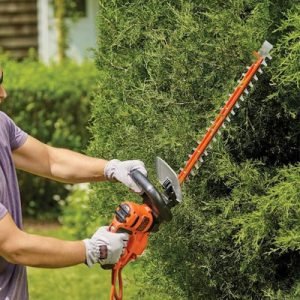
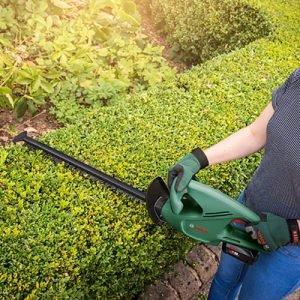
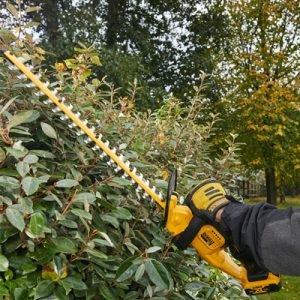
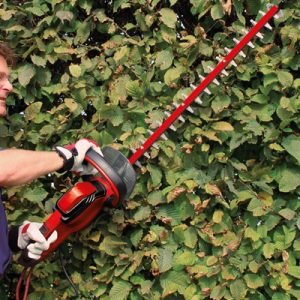
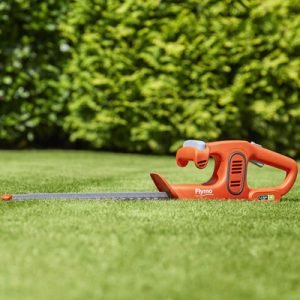
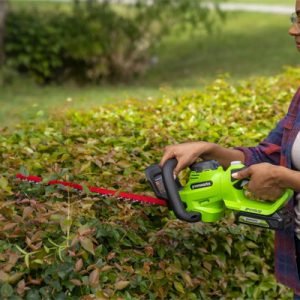
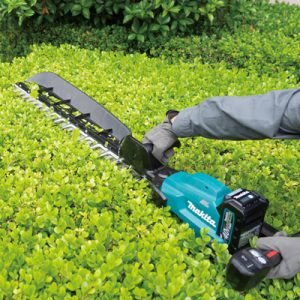
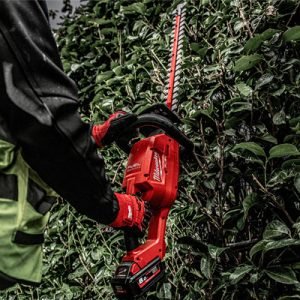
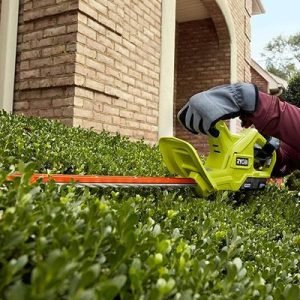
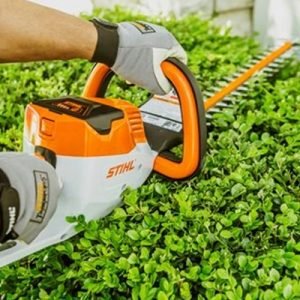
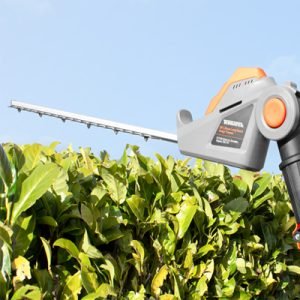
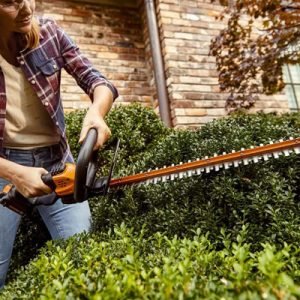


Choosing between cordless grass trimmers, cordless hedge cutters and combination garden tools is easier when the decision is based on the type of work you actually need to complete. Battery-powered garden equipment has become a practical option for many UK gardens because it avoids petrol fuel, eliminates trailing mains cables and can be considerably easier to manoeuvre around borders, fences, paths and established planting.
However, cordless models vary substantially in cutting capacity, battery platform, runtime, weight, balance and intended workload. A compact trimmer designed for lawn edges should not be judged by the same criteria as a long-reach hedge cutter intended for mature hedges. The most suitable choice is therefore not necessarily the model with the highest voltage, longest blade or largest cutting width.
This buying guide explains the specifications and practical considerations worth checking when comparing top-rated cordless trimmers and hedge cutters in the UK market in 2026. Always check the current manufacturer's specification and retailer listing before buying because supplied batteries, chargers, accessories, dimensions and model variants can differ.
The terms can sometimes appear together in product searches, but a grass trimmer and a hedge cutter perform different jobs.
A cordless grass trimmer, also called a strimmer or grass trimmer, is primarily designed for cutting grass where a lawn mower cannot easily reach. Typical applications include trimming around trees, garden furniture, walls, fences, borders and other obstacles.
Most models use a rotating nylon line or similar cutting system. Some are designed primarily for lighter lawn maintenance, while more capable machines can handle thicker grass and tougher vegetation. Adjustable shafts, rotating heads, edging functions and variable cutting widths can make a noticeable difference to usability.
A cordless hedge cutter uses a toothed reciprocating blade to cut and shape hedges. The appropriate blade length and tooth spacing depend on the hedge size and the thickness of the branches being cut.
Shorter hedge cutters can be easier to control for detailed shaping, whereas longer blades can cover more hedge surface with fewer passes. Longer equipment can also become more demanding to handle, particularly when working at shoulder height or above.
Battery voltage is one of the most visible specifications on cordless garden tools, but it should not be treated as a direct measurement of cutting performance. Motor design, electronic controls, gearing, blade or cutting-head design, battery capacity and overall engineering all contribute to how a tool performs.
Common cordless garden-tool systems include lower-voltage compact platforms and higher-voltage systems designed for more demanding work. A higher-voltage platform may be attractive for heavy-duty applications, but it can also involve larger batteries, greater weight and higher overall cost.
For occasional grass edging, a compact battery platform may provide more than enough capability. For larger gardens or frequent hedge maintenance, a more powerful platform may make more sense, especially when the same batteries can be shared with other compatible garden tools.
Voltage and amp-hours describe different characteristics. Voltage relates to the electrical potential of the battery system, while amp-hours are a measure of battery capacity. A higher-capacity battery can generally provide more stored energy, although actual runtime depends on the tool, workload, battery condition, temperature and operating conditions.
When comparing cordless equipment, consider the complete battery system rather than focusing on voltage alone. A tool that appears inexpensive may become less attractive if it is supplied without a battery and charger and you do not already own compatible batteries.
Runtime is particularly important for cordless garden equipment because cutting performance is only useful if the battery lasts long enough for the intended job.
Manufacturers may publish runtime figures under particular test conditions or with specific batteries. Real-world runtime can vary because dense grass, thick hedge growth, repeated cutting, long sessions and aggressive use can increase energy consumption.
When assessing battery suitability, consider:
For occasional maintenance, a single battery may be sufficient. Larger gardens can benefit from having an additional charged battery available, particularly when multiple cordless tools share the same battery ecosystem.
One of the most important purchasing details is whether a cordless trimmer or hedge cutter is sold as a complete kit or as a bare tool.
A complete kit normally includes the tool, at least one compatible battery and a charger, although the exact contents must always be checked. A bare tool normally excludes the battery and charger and is aimed at users who already own compatible equipment.
A bare tool can be economical when you already own compatible batteries from the same manufacturer and battery platform. It can also make it easier to expand an existing collection without repeatedly purchasing chargers and batteries.
If this is your first cordless garden tool, a kit may be the simpler choice. Check the battery capacity, charger type and exact model number rather than assuming every battery shown in a product photograph is included.
Brands such as Bosch, Makita, DeWalt, Ryobi, Einhell, BLACK+DECKER and Greenworks offer cordless tool ecosystems in different configurations. Compatibility is platform-specific, so a battery should never be assumed to work simply because the voltage appears similar.
Cutting width determines how much grass can be covered during each pass. A wider cutting path can make open areas quicker to maintain, while a narrower cutting head can be easier to control around confined borders and obstacles.
For small lawns and detailed edging, manoeuvrability may be more valuable than maximum cutting width. For larger areas of grass, a wider cutting path can reduce the number of passes required.
Also consider the available line system. Replacement line may be supplied in different diameters and formats, and some trimmers use proprietary cutting systems. Before purchasing, check the availability and cost of compatible replacement consumables.
Grass trimmers can use different cutting systems. Nylon line is common because it is flexible and suitable for routine grass trimming. Some products use plastic or polymer blades, while other systems are designed around specific replacement cutting components.
The appropriate system depends on the work. Flexible line is useful where the cutting head may occasionally contact hard surfaces such as edging stones, although repeated contact can consume line more quickly. Blade-based systems can offer a different cutting feel but may require specific replacement components.
Do not choose a cutting system solely on the assumption that a more aggressive-looking cutter is automatically better. Consider replacement availability, operating technique, compatibility and the type of vegetation you actually need to cut.
Blade length is one of the most important hedge-cutter specifications. Longer blades can cover more hedge surface in a single movement, which can be useful when maintaining broad or lengthy hedges. Shorter blades can offer easier handling and greater control for detailed shaping.
A very long blade is not necessarily the best option for every gardener. Weight distribution, reach and personal control become increasingly important as blade length increases.
Tooth spacing is particularly important when buying a hedge cutter for established growth. The gap between blade teeth affects the type of branches the cutter is designed to handle.
For routine trimming of relatively fine hedge growth, a smaller tooth spacing may be entirely appropriate. For thicker branches, look for a model whose stated cutting capacity is suitable for the material you intend to cut.
Do not use the maximum advertised cutting diameter as an indication that every branch of that size should routinely be cut with the machine. Hard, woody, unusually shaped or dense branches can behave differently from the material used for manufacturer testing.
A long-reach hedge cutter can be particularly useful for taller hedges where using a conventional hedge cutter would require a ladder or awkward stretching. Adjustable heads can also help when trimming the top surface or angled sides of a hedge.
The extra reach comes with a trade-off. Holding a tool farther away from the body increases leverage and can make the equipment feel heavier than its stated weight suggests.
For tall hedges, assess the complete working position rather than looking only at the maximum reach. Balance, shaft design, head adjustment and harness compatibility can all influence practical comfort.
Garden tools are often described by their total weight, but two tools with similar weights can feel very different in use. Battery position, motor location, shaft length, handle placement and cutting-head design all affect balance.
This is especially relevant for hedge cutters because the tool is frequently used with the blade held away from the body. A well-balanced machine can be easier to control than a lighter model with an awkward centre of gravity.
When comparing models, consider:
Comfort becomes increasingly important when garden equipment is used for extended periods. Look for handles that provide secure control without forcing the wrists into an uncomfortable position.
Rotating rear handles can be useful on some hedge cutters because they allow the user to change the orientation of the tool when trimming different sides of a hedge. Adjustable shafts and heads can similarly reduce awkward working positions on suitable models.
These features should be considered practical aids rather than luxury additions. Better positioning can make it easier to maintain control and work consistently.
Motor technology can also influence the buying decision. Brushless motors are widely used in higher-specification cordless tools and can provide advantages in efficiency, durability and electronic control. Brushed motors remain common in simpler and more affordable equipment.
For a homeowner who trims a small garden occasionally, motor type alone should not determine the purchase. Battery compatibility, cutting capacity, ergonomics and the overall suitability of the tool may matter more.
For frequent or demanding use, a brushless platform can be worth considering, particularly if it forms part of a broader battery ecosystem. However, specifications should be compared model by model rather than assuming every brushless tool is automatically superior for every application.
Cordless electric garden tools are generally different from petrol equipment in their operating characteristics, but they still produce noise and vibration. The cutting action, motor, gearbox and vegetation being cut all contribute to the overall sound and feel.
If you live in a densely populated UK area, consider when you will use the equipment and whether your local area has restrictions or expectations relating to garden machinery noise. A quieter operating profile can also make routine maintenance more pleasant.
For vibration, look at handle design and overall ergonomics. Even modest vibration can become noticeable during prolonged use, particularly when working with a hedge cutter at an extended angle.
Garden equipment used outdoors needs sensible storage. A cordless tool should generally be protected from unnecessary exposure to rain and prolonged damp conditions, following the manufacturer's storage and operating instructions.
Batteries deserve particular attention. Store and charge them according to the manufacturer's instructions and avoid leaving battery packs exposed to extreme temperatures or moisture.
A practical storage area should keep the tool, battery and charger clean and dry while reducing the chance of accidental damage. Before storing the equipment, remove grass clippings, leaves and hedge debris from the cutting area and housing where appropriate.
Safety should be considered alongside cutting performance. Cordless equipment eliminates the specific risk of accidentally cutting through a mains cable, but it still contains rapidly moving cutting components capable of causing serious injury.
Useful design features can include two-stage activation controls, blade guards, safety switches, hand protection and systems intended to reduce accidental activation.
Rather than choosing a tool from one headline specification, compare several characteristics together. A useful comparison framework is to score each model against the actual requirements of your garden.
Voltage is easy to compare, but it does not tell the complete story. A well-designed lower-voltage tool can be more appropriate for light garden maintenance than a heavier high-voltage machine.
A headline price may refer to a bare tool. Always check exactly what is included before comparing two models.
Longer is not automatically better. A longer blade may increase coverage, but handling and balance can become more demanding.
Do not assume batteries are interchangeable between brands or even between every product family within a brand. Verify the exact battery platform and model compatibility.
More power can be useful, but it may also mean additional weight and expense. Match the machine to the scale of the work instead of paying for capability you are unlikely to use.
A grass trimmer is only useful if compatible line or cutting components remain readily available. Check replacement requirements before committing to an unfamiliar cutting system.
Manufacturers and retailers may present weight information in different ways. Where possible, determine the working weight with the battery installed because that is the weight you will actually handle.
For a small garden, prioritise manoeuvrability, manageable weight and straightforward operation. A compact cutting width can be advantageous around flower beds, paving and narrow lawn edges.
Battery capacity does not necessarily need to be excessive if the trimmer is only used for occasional edging. A compact battery can help keep the overall tool lighter.
Buyers who already own compatible cordless tools should also consider whether a bare-tool option can use their existing batteries.
For larger gardens, runtime becomes more important. A wider cutting path can also reduce the number of passes needed over open grass.
Consider the battery ecosystem carefully. Having access to additional compatible batteries can be more useful than selecting a tool solely because it has a higher nominal voltage.
For substantial gardens, it is also worth considering whether the same battery system can power a mower, blower, hedge cutter or other garden equipment. A coherent battery platform can reduce the number of separate chargers and battery types required.
For a small ornamental hedge, control and manoeuvrability are often more important than maximum blade length. A compact hedge cutter can be easier to position accurately and may reduce fatigue during detailed shaping.
Look for a blade and tooth configuration appropriate for the hedge rather than choosing the largest cutting capacity available.
Larger hedges can require a different approach. A longer blade can help cover more surface area, while an appropriate tooth spacing can improve suitability for thicker growth.
Battery capacity becomes more significant when cutting large hedges, especially if the work is performed continuously. Weight and balance should be considered just as carefully as cutting specifications.
For very tall hedges, a long-reach or telescopic model may reduce the need for awkward stretching. However, users should follow safe working practices and never rely on extended equipment as a substitute for appropriate access equipment or professional assistance where the job is beyond safe ground-level operation.
Cordless equipment provides freedom from a mains cable, which can be particularly convenient around trees, borders and irregularly shaped gardens. There is also no extension cable to manage during cutting.
Corded tools can offer continuous operation while connected to the mains, but cable management becomes part of the job. The best option depends on the garden layout and the type of maintenance required.
Petrol equipment can be appropriate for certain demanding professional applications, but it involves fuel, engine maintenance and a different operating experience. Cordless electric equipment is attractive to many domestic gardeners because it is straightforward to start and generally requires less routine mechanical maintenance.
For household hedge trimming and grass edging, the convenience of a cordless platform can be particularly appealing. The key limitation is battery energy and the need to manage charging for longer jobs.
For regular DIY and garden-tool users, choosing a battery ecosystem can have long-term advantages. Once you own compatible batteries and chargers, additional bare tools can potentially be added without duplicating those components.
Popular UK cordless tool ecosystems include Bosch, Makita, DeWalt, Ryobi, Einhell and Greenworks, among others. Each has different product ranges, battery capacities and compatibility rules.
Before committing to an ecosystem, consider the tools you may want in the future. Someone who expects to purchase a mower, leaf blower, hedge cutter and drill may benefit from a platform covering both garden and general-purpose tools.
Routine maintenance helps keep a cordless trimmer ready for use. After each session, remove accumulated grass and vegetation from the cutting head and surrounding areas in accordance with the manufacturer's instructions.
Hedge cutters should be cleaned regularly because sap, leaves and small pieces of vegetation can accumulate around the blade and housing.
Technique can make as much difference as equipment. Avoid forcing the hedge cutter through vegetation faster than the blade can comfortably process it. Allow the cutting action to work through the growth rather than repeatedly pushing the machine aggressively into dense material.
For shaping, consistent passes can help create a more even finish. Where appropriate, maintaining a slightly narrower top than base can allow more light to reach the lower parts of a hedge.
Always check the specific hedge species and local nesting considerations before carrying out substantial hedge work. Garden wildlife can be affected by hedge trimming, so timing and local guidance should be considered before starting significant cutting.
Use a controlled sweeping motion rather than trying to remove excessive grass in one pass. When edging near hard surfaces, work carefully because repeated contact with paving, walls or edging materials can accelerate wear of the cutting line or cutting components.
Keep the cutting head at an appropriate angle and avoid striking hidden objects. Before trimming, inspect the area for stones, wire, plastic, branches and other debris that could become projectiles or damage the cutting system.
Not every premium feature provides equal value. The most worthwhile upgrades depend on how frequently the tool will be used.
Customer ratings can help identify recurring strengths and weaknesses, but they should not be treated as a substitute for checking specifications. A product may receive positive feedback from users with small gardens while being unsuitable for someone maintaining a large mature hedge.
When reading verified customer reviews, look for repeated comments about battery runtime, balance, cutting performance, ease of assembly, charger compatibility and durability. Give greater weight to feedback that describes the actual workload and conditions rather than isolated comments about packaging or first impressions.
It is also useful to distinguish between comments about the tool itself and comments about a retailer, delivery experience or unrelated product variant. Check the exact model number before applying a review to a particular purchase decision.
Price comparisons can be misleading when different packages contain different batteries, chargers or accessories. A bare tool and a complete kit should not be compared simply by headline price.
For a fair comparison, calculate the complete equipment you need:
Also check the current retailer price and exact product configuration before buying. Cordless tool prices can change, and promotional bundles may contain different battery capacities.
Brand reputation can be useful when evaluating cordless garden equipment, particularly when the purchase involves a battery ecosystem. However, brand name alone should not replace model-specific research.
Bosch offers cordless garden equipment across different product families, while Makita and DeWalt are well established across broader cordless tool ranges. Ryobi is notable for its extensive battery-platform approach, and Einhell and Greenworks also provide cordless garden-tool ranges.
The important question is whether the specific product meets your requirements for cutting capacity, battery compatibility, ergonomics, parts availability and intended workload.
For UK buyers comparing cordless garden tools in 2026, the most sensible approach is to start with the job rather than the product. Measure the hedge, estimate the lawn area that needs trimming, identify the thickness of the vegetation and determine whether you already own a battery platform.
Next, narrow the options according to cutting capacity, tool weight, battery requirements and ergonomics. Only after these fundamentals are established should features such as rotating handles, telescopic shafts, brushless motors and advanced adjustment systems influence the final choice.
Finally, compare the complete purchase package and current retailer pricing. Check whether the model is supplied with a battery and charger, read verified customer feedback for the exact product configuration and confirm the manufacturer's current specifications.
There is no single best model for every UK garden. The right choice depends on whether you need grass edging, hedge shaping, heavy hedge cutting, long-reach capability or a combination of these requirements. Battery compatibility, cutting capacity, weight and included equipment should all be considered before choosing.
Many cordless hedge cutters are designed for substantial garden maintenance, but suitability depends on the specific model's stated cutting capacity and the thickness and type of branches involved. Always compare the manufacturer's cutting specification with the vegetation you need to handle.
They can be, provided the battery capacity and cutting configuration are appropriate. For a large garden, consider cutting width, available battery capacity and whether spare batteries can be used on the same platform.
No. Higher voltage can be associated with more powerful cordless systems, but it does not automatically make a tool the best choice. Weight, runtime, motor efficiency, cutting design, balance and workload should also be considered.
If you do not already own compatible batteries, a complete kit can be the most straightforward option. If you already have batteries from the same compatible platform, a bare tool may be more economical.
No. Battery compatibility depends on the manufacturer's battery platform and exact model requirements. Check compatibility information before purchasing or connecting a battery.
It depends on the hedge. Shorter blades can be easier to control, while longer blades can cover more hedge surface per pass. For large hedges, a longer blade may be advantageous, but balance and handling should also be considered.
Choose tooth spacing according to the thickness of the hedge growth you intend to cut. Finer hedge growth can be suitable for smaller tooth spacing, while thicker growth generally requires a cutter designed for a larger cutting capacity.
Brushless technology can provide advantages in efficiency, durability and motor control, particularly for users who operate tools frequently. For occasional garden maintenance, however, the overall design and suitability of the individual model may matter more than motor type alone.
Yes. Cleaning the blade and housing, checking for damage, following lubrication instructions where applicable and storing the equipment correctly can help keep the tool ready for use. Always follow the manufacturer's maintenance instructions.
Battery runtime varies according to battery capacity, tool design, vegetation density, cutting technique, temperature and workload. Manufacturer runtime figures should be treated as guidance based on specified conditions rather than a guaranteed runtime for every garden.
A long-reach model can be useful when maintaining taller hedges from a stable ground position. It can also introduce additional leverage and weight, so check the tool's balance and handling characteristics before choosing one.
For many gardens, the absence of a mains cable makes cordless equipment more convenient to manoeuvre. Corded tools, however, can provide continuous operation without battery charging. The better choice depends on garden layout, available power and expected workload.
Trimming frequency depends on the hedge species, desired shape, growth rate and time of year. Avoid treating every hedge as if it has the same maintenance requirements. Consider the characteristics of the particular plant and relevant UK wildlife and nesting considerations before substantial cutting.
The best cordless trimmer or hedge cutter is the one that matches the actual workload without introducing unnecessary weight, cost or complexity. For grass trimming, concentrate on cutting width, line system, manoeuvrability and battery runtime. For hedge cutting, pay closer attention to blade length, tooth spacing, cutting capacity, balance and reach.
If you already use cordless power tools, battery compatibility can be one of the most valuable purchasing considerations. If you are starting from scratch, compare complete kits and consider which other garden tools you may want to add later.
Before making a purchase, verify the exact model number, current manufacturer's specifications, included accessories, battery configuration and current retailer price. Use verified customer reviews as supporting evidence, particularly when reviewers describe a garden and workload similar to yours. A careful comparison of these factors is more useful than selecting a product solely because it has the highest rating, largest battery or longest blade.
For an independent buying decision, compare the shortlisted cordless trimmers and hedge cutters side by side, check today's prices from trusted retailers and select the configuration that provides the right balance of cutting performance, battery convenience, comfort and long-term practicality for your UK garden.