

♥ Wishlist
Compare 10 verified Pressure Washers for Powerful Outdoor Cleaning products in United Kingdom. Reviews, ratings, pros, cons and buying advice updated for October 2026.
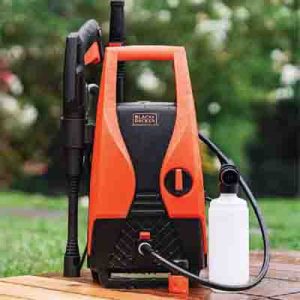
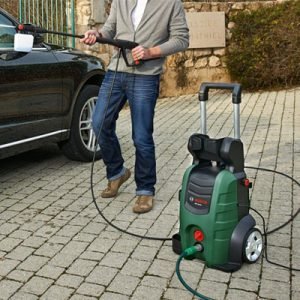
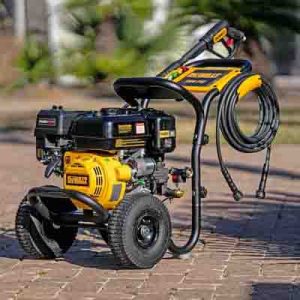
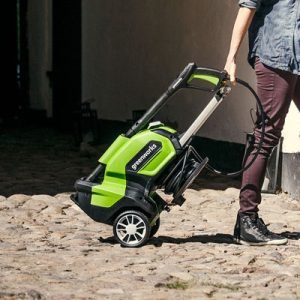
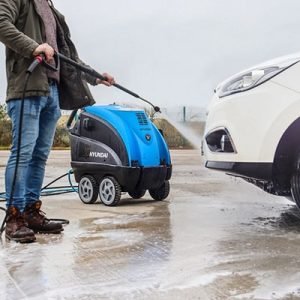
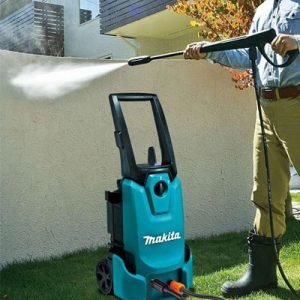


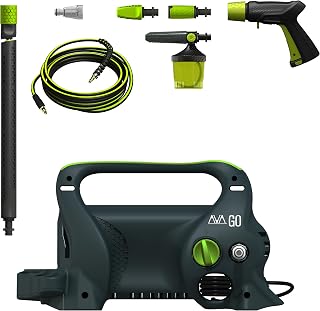

Choosing a top-rated pressure washer is not simply a matter of selecting the model with the highest pressure figure. For UK homes, the better buying decision comes from balancing pressure, water flow, motor design, hose length, accessories, portability, cleaning controls and the type of work you expect the machine to perform.
A compact pressure washer can be ideal for bicycles, garden furniture, bins and occasional car cleaning, while a more powerful machine can make much faster work of patios, driveways, walls, decking and heavily soiled outdoor surfaces. The important distinction is that maximum pressure and real-world cleaning performance are not the same thing.
When comparing pressure washers from brands such as Kärcher, Nilfisk, Bosch, Vax, Ryobi, Makita, Worx and Einhell, look beyond the headline specification. Consider the pressure washer as a complete cleaning system: the pump, motor, water delivery, hose, lance, nozzle system and accessories all influence how useful it will be.
Pressure is normally stated in bar or PSI. Bar is the more common measurement in UK product specifications. A higher maximum pressure indicates the potential force available at the nozzle, but maximum pressure should not be treated as the sole measure of cleaning ability.
A pressure washer advertised with a high maximum bar rating may not necessarily clean faster than another machine with a lower maximum figure if its water flow is substantially lower. Maximum pressure can also describe a peak figure rather than the pressure delivered continuously during a particular cleaning task.
Water flow is another important specification and is usually expressed in litres per hour. Flow rate determines how much water the machine can deliver over time and can have a significant effect on how quickly loosened dirt is rinsed away.
For practical comparisons, consider pressure and flow together. A machine that combines adequate pressure with a useful flow rate can provide a more convincing cleaning performance than a product chosen purely because it has the largest pressure number on the box.
Flow rate also matters when cleaning large patios and driveways. A machine that takes a long time to rinse a large area may become frustrating even if its maximum pressure is impressive.
Pressure helps provide the force needed to break the bond between dirt and a surface, while water flow helps carry away loosened contamination. The two specifications therefore serve different purposes.
For small jobs, the difference may not be particularly noticeable. When cleaning larger outdoor areas, however, water delivery becomes increasingly important. Buyers should therefore compare the manufacturer's pressure and flow specifications rather than ranking machines according to pressure alone.
Many compact domestic pressure washers use universal motors. These can provide strong performance from a relatively small and lightweight package and are common in consumer-oriented machines.
The trade-off is that motor noise can be noticeable, particularly when the machine is operating continuously. Buyers who expect to use a pressure washer for short cleaning sessions may find this perfectly acceptable, whereas frequent users may place greater value on refinement and durability.
Some larger domestic and semi-professional pressure washers use induction motors. These motors are commonly associated with quieter operation and robust construction, although the complete machine design matters more than motor type alone.
Induction-motor pressure washers can also be heavier. That may be a worthwhile compromise for buyers who prioritise regular cleaning performance over easy transportation and compact storage.
The pump is central to pressure washer performance because it converts the incoming water supply into pressurised water. Pump materials and construction can vary considerably between entry-level and more substantial machines.
Do not assume that one pump material automatically makes a pressure washer suitable for every application. Instead, consider the manufacturer's intended use, duty guidance, warranty terms, replacement parts availability and the specifications of the complete machine.
For car cleaning, maximum pressure is less important than controlled water delivery, suitable nozzles and good detergent application. A pressure washer should allow you to work without placing excessive force close to delicate trim, badges, seals, paintwork or other vulnerable areas.
A long hose can be particularly useful because it allows the machine to remain stationary while you move around the vehicle. A dedicated foam or detergent attachment can also make pre-washing easier by helping loosen traffic film before contact washing.
For routine vehicle cleaning, look for adjustable or interchangeable spray options, a practical hose length, easy lance handling and a detergent system that is straightforward to use.
Patios are among the most demanding common domestic pressure-washing jobs because dirt, algae, moss and other organic contamination can accumulate across large areas.
A patio cleaner attachment can be more useful than simply using a concentrated jet. Rotary surface cleaners help contain spray and can make it easier to achieve more consistent coverage across paving.
Before cleaning, check the condition and construction of the surface. Older paving, loose joints, damaged slabs and vulnerable coatings may require lower pressure or an alternative cleaning method.
Driveways can benefit from a pressure washer with a reasonable combination of pressure and flow. Large surfaces are time-consuming when the machine has limited water delivery, so buyers who regularly clean driveways should pay particular attention to performance rather than choosing the smallest available machine.
Block paving requires additional care because aggressive cleaning can disturb jointing material. Avoid assuming that maximum pressure is always desirable. The correct nozzle, distance and technique are often more important than using the machine at its most aggressive setting.
Plastic garden furniture can often be cleaned effectively with a modest pressure washer, but lightweight furniture can move under the force of a concentrated jet. Use a wider spray pattern where appropriate and maintain a sensible working distance.
Wooden furniture requires more caution. Excessive pressure can mark timber, raise fibres or strip protective finishes. A lower-pressure setting and controlled technique may produce a better result.
Decking is one of the surfaces where more power can easily become a disadvantage. A narrow, concentrated jet held too close to timber can leave visible grooves or rough patches.
When cleaning wooden decking, use a wider spray pattern, keep the lance moving and avoid lingering over a single section. Composite decking should also be cleaned according to the manufacturer's recommendations because different boards and finishes can respond differently to pressure.
Brickwork, masonry and fencing can often be cleaned with a pressure washer, but surface condition should always be assessed first. Loose mortar, damaged coatings and deteriorated timber can be affected by high-pressure water.
Start with a less aggressive setting and increase cleaning intensity only when necessary. This approach reduces the risk of removing material that you intended to keep.
A patio cleaner is one of the most useful accessories for homeowners who regularly clean paving. It typically uses a rotating spray mechanism inside a housing, helping distribute cleaning action over a broader surface.
Its main advantages are more controlled coverage and reduced splash compared with a concentrated lance. If patio cleaning is one of your main reasons for buying a pressure washer, the availability and quality of a compatible surface cleaner should form part of your comparison.
A rotary nozzle produces a more concentrated cleaning action than a standard wide spray. It can be useful for stubborn dirt on suitable hard surfaces, but it should not automatically be used on delicate materials.
Keep the nozzle moving and test an inconspicuous area first. Paint, soft timber, decorative coatings and vulnerable masonry can be damaged by concentrated water jets.
An adjustable lance can make a pressure washer more versatile because you can change the spray pattern for different jobs. A wider fan is generally useful for broad, sensitive surfaces, while a narrower spray can provide more concentrated cleaning action.
A good adjustment mechanism should be easy to operate while wearing gloves and should not require excessive force.
Detergent application can be useful when cleaning vehicles, garden furniture and other surfaces where loosening contamination before rinsing reduces the need for aggressive pressure.
Check whether detergent is applied through an integrated system, a separate bottle or an external attachment. Compatibility can vary between machines, so confirm the connection and recommended detergent type before purchasing accessories.
Hose length has a surprisingly large effect on usability. A short hose may force you to repeatedly move the machine around a car or patio. A longer hose can provide greater working freedom, provided it remains easy to store and does not become awkward to manage.
Look at how the hose connects to the machine and lance, how it is stored and whether replacement hoses are available. A pressure washer with a practical hose-management system is generally easier to live with than one that requires the hose to be loosely wrapped around the machine.
Extension lances can help reach awkward areas, while soft brushes can be useful for particular vehicle or household cleaning tasks. However, accessories should be regarded as task-specific tools rather than universal upgrades.
Before buying a large accessory kit, identify the jobs you actually perform. Paying extra for attachments that remain unused is one of the easiest ways to increase the total cost of a pressure washer without improving its usefulness.
Specifications such as hose and cable length can look minor when comparing pressure washers, but they influence everyday convenience considerably.
A longer high-pressure hose can make it easier to clean a vehicle without constantly repositioning the machine. It can also be useful around patios, steps and garden paths where the machine needs to remain on a stable surface.
Electrical cable length matters for similar reasons. Always use the electrical arrangement recommended by the manufacturer and keep connections away from water. Outdoor electrical equipment should be operated with appropriate protection and according to the instructions supplied with the machine.
Most domestic pressure washers are designed to work from a suitable mains water supply. The exact requirements vary between models, so check the manufacturer's minimum water supply and inlet requirements before purchase.
Do not assume that a pressure washer can compensate for inadequate incoming water. If the supply cannot provide sufficient flow, the machine may not perform as expected.
Some pressure washers can draw water from alternative sources such as water butts, but this is not universal. The machine must be designed or equipped for the intended water source, and the water must be suitable for the pump.
Rainwater storage can contain debris or contaminants that may not be appropriate for every pressure washer. If a model supports alternative water sources, follow its instructions regarding filtration, hose arrangement, priming and water quality.
An inlet filter can help prevent particles from entering the pump. If your water source may contain sediment, inspect the filter regularly and clean it according to the manufacturer's instructions.
A neglected filter can reduce water flow and potentially contribute to poor performance. Keeping the water inlet system clean is therefore a small maintenance task with practical benefits.
A pressure washer that is technically powerful but difficult to move may become inconvenient if it needs to be carried between a shed, garage and garden. Consider the machine's weight, wheel arrangement, handle design and balance.
Compact models are generally easier to store in smaller sheds or garages. Larger machines may require more dedicated storage space, particularly when a long hose, lance and accessory set are included.
Check whether accessories can be stored directly on the pressure washer. Integrated storage can reduce the likelihood of losing nozzles or repeatedly searching for attachments before each cleaning session.
Pressure washers can be surprisingly loud, particularly when used continuously on hard surfaces. Motor design, pump construction and the surrounding environment all influence perceived noise.
If you live close to neighbours, consider when and where you will use the machine. Shorter cleaning sessions, sensible operating hours and avoiding unnecessary high-pressure operation can make outdoor cleaning less disruptive.
Noise should not be considered solely a comfort issue. A machine that is unpleasantly loud may discourage regular maintenance, even if its cleaning performance is otherwise strong.
Build quality is difficult to judge from a single specification sheet. Examine the construction of the chassis, wheels, handle, hose connections, trigger gun and accessory storage.
For frequent use, pay particular attention to components that are likely to experience repeated handling. Quick-connect fittings should be easy to attach without feeling excessively fragile, while the hose should be flexible enough to manage without constant kinking.
Brands such as Kärcher and Nilfisk have broad pressure-washer ranges covering different domestic requirements, while Bosch, Ryobi, Makita, Worx, Vax and Einhell also offer models across different segments. Brand reputation can be a useful starting point, but individual model specifications and intended use should always take priority.
Brand comparison is useful when building a shortlist, but it should not turn into a simple brand-versus-brand ranking. Each manufacturer can offer machines aimed at different users, and the strongest choice for a compact car-cleaning setup may not be the strongest choice for regular driveway cleaning.
The best approach is to shortlist individual models and then compare their pressure, flow, hose length, motor type, accessories, dimensions, weight, warranty information and replacement-part support.
Corded electric pressure washers remain a practical choice for many home users because they can provide sustained operation without depending on battery capacity. Their main limitation is the need to manage an electrical cable around the working area.
Battery-powered pressure washers can offer greater freedom of movement and may be particularly convenient for quick jobs in locations where mains power is inconvenient. Their suitability depends on battery capacity, water source, operating duration and the cleaning performance of the specific model.
Do not compare a battery pressure washer and a mains-powered model using maximum pressure alone. The power source changes how the machine is designed and how long it can operate at its intended performance.
The most common mistake is assuming that the highest pressure specification automatically means the best pressure washer. It does not account for flow rate, spray pattern, accessory design or how safely the machine can be used on different surfaces.
Buyers sometimes compare machines solely by pressure and overlook litres-per-hour figures. For large surfaces, water delivery can have a noticeable effect on cleaning and rinsing speed.
A very powerful machine may be unnecessary for someone who mainly cleans bicycles, bins and garden furniture. Extra power can add cost, weight and storage requirements without delivering meaningful benefits for light-duty work.
The opposite mistake is choosing a compact entry-level model when the main requirement is regular cleaning of a large patio or driveway. The machine may still complete the job, but the process can be considerably slower and more tiring.
The base pressure washer is only part of the cleaning system. If patio cleaning is important, check for a compatible patio cleaner. If car cleaning is a priority, consider detergent application and suitable vehicle-cleaning accessories.
Long-term ownership can be affected by whether hoses, lances, connectors, filters and other wear-prone components can be replaced. Before purchasing, investigate the manufacturer's approach to spare parts and consumables.
Pressure washers can cause damage when used incorrectly. A concentrated jet can remove paint, damage timber, disturb pointing or mark softer materials. Always select the appropriate spray pattern, distance and pressure for the surface.
A pressure washer should be treated as powerful cleaning equipment rather than simply as a garden hose with a motor. The water jet can cause injury and can also damage property if directed incorrectly.
Car cleaning benefits from a controlled process rather than maximum pressure. Begin by rinsing loose dirt from the vehicle using an appropriate spray pattern and sensible working distance.
Apply a suitable vehicle-cleaning detergent if the machine and cleaning product support that application. Allow the product to work according to its instructions, then rinse thoroughly.
When using a pressure washer around paintwork, avoid holding a concentrated jet close to the surface for an extended period. Pay particular attention to badges, seals, trim and damaged areas of paint.
A pressure washer is most useful as part of a complete car-washing process. It can remove loose contamination efficiently, but it does not eliminate the need for appropriate washing and drying techniques when a high-quality finish is the goal.
Start by removing movable furniture, plant pots and other objects from the area. Sweep away loose debris before introducing high-pressure water.
Test the chosen nozzle and pressure on a small inconspicuous section. This is especially important for older paving, painted surfaces, natural stone, timber and areas with deteriorated joints.
Work systematically rather than randomly moving the lance across the surface. Keep the nozzle at a consistent distance and move at a steady pace to produce more even results.
For large flat surfaces, a compatible patio cleaner can reduce splash and make coverage more consistent. After cleaning, inspect joints and surface condition rather than assuming that a visually brighter result means the surface has been cleaned without damage.
Follow the manufacturer's procedure for shutting down and flushing the pressure washer after use. This helps remove residual detergent and contamination from the relevant parts of the water system.
Check the high-pressure hose for cuts, abrasion, kinks and other damage. Do not continue using a damaged high-pressure hose simply because the machine still operates.
Inspect and clean the inlet filter at the intervals recommended by the manufacturer. A blocked or dirty filter can restrict water delivery and contribute to poor operation.
Blocked nozzles can affect spray pattern and pressure. Clean them using the method specified by the manufacturer rather than inserting unsuitable objects into the nozzle opening.
Storage is particularly important during periods of cold weather. Follow the manufacturer's instructions for draining and storing the pressure washer, especially where freezing temperatures could expose residual water to the pump or other components.
Pressure washers can use several approaches to detergent application. Some have an integrated detergent tank, while others use an attachment or bottle connected to the lance.
The key consideration is compatibility. Not every detergent is suitable for every pressure washer or surface. Automotive cleaning products, patio cleaners and general-purpose detergents can have different formulations and intended applications.
Use cleaning chemicals according to their instructions and avoid assuming that stronger chemical concentration is automatically better. Effective cleaning is usually a combination of suitable chemistry, dwell time, mechanical action and rinsing.
For occasional domestic cleaning, convenience can be more important than maximum performance. A compact machine that is easy to unpack, connect, use and store may be more valuable than a heavier model with capabilities you rarely need.
Prioritise straightforward controls, useful hose length, easy accessory changes and sufficient pressure for your main tasks. If you clean only a car, bicycle, bins and small garden areas several times a year, there is little reason to buy a machine designed around demanding commercial-style workloads.
Frequent users should pay more attention to construction, cooling, pump design, hose quality, duty guidance, replacement parts and serviceability.
Repeated cleaning of large patios or driveways places different demands on a pressure washer than occasional car washing. In this situation, a machine with useful water flow, durable components and a practical accessory system can be more valuable than a compact model with an impressive headline pressure figure.
There is no single pressure rating that is perfect for every UK household. The correct specification depends on what you clean, how frequently you clean it and how delicate the surfaces are.
For light cleaning, controlled pressure and a broad spray may be more useful than extreme output. For stubborn contamination on robust hard surfaces, additional pressure can provide a useful advantage.
The sensible approach is to buy enough performance for the hardest job you regularly expect to perform rather than buying for the most extreme job you might perform once every few years.
Customer ratings can be useful, but they should be interpreted carefully. A pressure washer can receive positive feedback from users who mainly clean cars while being less suitable for someone expecting to clean large driveways every weekend.
When reading reviews, look for comments about the tasks the reviewer actually performed. Pay attention to recurring observations about hose length, accessory quality, ease of assembly, water flow, noise, storage and reliability rather than relying solely on the average star rating.
Also distinguish product feedback from retailer-specific experiences such as delivery or packaging. For an equipment buying decision, technical performance and long-term usability are more informative than comments unrelated to the pressure washer itself.
Check both water flow and pressure, then consider whether a compatible patio cleaner is included or available. Large surfaces benefit from efficient coverage, so accessory design matters almost as much as the machine itself.
Most domestic pressure washers can be used for appropriate vehicle-cleaning tasks when operated correctly, but the specific nozzle, distance and detergent system matter. Look for controllable spray options rather than assuming the highest setting is best.
Only if the particular pressure washer is designed or equipped for that method. Check the manufacturer's water-source requirements, filtration recommendations and priming procedure.
Yes. A longer hose can make it easier to move around a vehicle or large garden area without relocating the main unit. However, excessive hose length can add weight and storage complexity.
No. Pressure should be assessed alongside water flow, spray control, accessories and intended surface. Excessive pressure can also increase the risk of damage when used incorrectly.
It depends on driveway size, dirt level and how often you clean it. For occasional small-area cleaning, a compact machine may be sufficient. For large driveways, prioritise water delivery and sustained cleaning performance.
They can be used carefully on suitable decking, but timber can be damaged by concentrated high-pressure water. Use the manufacturer's recommended technique and start with a less aggressive spray pattern.
Not every feature should influence a purchase equally. Some features improve convenience without materially changing cleaning performance.
Prioritise the features that solve a genuine problem in your cleaning routine. A sophisticated accessory system is of limited value if the machine will only be used twice a year.
Marketing specifications can make certain features appear more important than they are. Maximum pressure is one example. A very high figure can attract attention but tells you relatively little about hose usability, flow rate, accessories, storage or long-term convenience.
Another example is a very large accessory bundle. More accessories do not necessarily mean better value. Compare what is included with what you actually need, and investigate the cost and availability of individual replacement accessories where appropriate.
Value is best judged by how well the pressure washer matches your intended use. Spending more can make sense when the additional cost provides better water delivery, stronger construction, useful accessories or improved usability.
Conversely, spending substantially more on capabilities you never use is poor value even if the machine is technically excellent.
When comparing deals, calculate the effective package value. A slightly more expensive machine that includes the patio cleaner you need may be a better purchase than a cheaper pressure washer that requires several separate accessories.
A practical shortlist should contain several machines that meet your minimum requirements rather than ten products selected simply because they have high ratings.
First establish the minimum acceptable pressure, water flow and hose length. Then remove machines that lack essential accessories or cannot handle your intended water supply. Finally, compare weight, storage, build quality, warranty information, replacement parts and current customer feedback.
This method prevents a common shopping problem: becoming distracted by one impressive specification while overlooking a limitation that will affect every cleaning session.
The best pressure washer depends on the cleaning jobs, budget, storage space and performance requirements of the individual buyer. A compact machine may be the best option for vehicle and garden cleaning, while a more powerful model may be better for frequent patio and driveway work.
Look at pressure, water flow, motor and pump design, hose length, accessories, portability, storage, water requirements, warranty information and customer feedback. The combination of these factors is more useful than any single specification.
Pressure around this level can be sufficient for many light domestic cleaning tasks, but suitability depends on water flow, spray equipment and the surface being cleaned. Always compare the complete specification rather than judging performance from bar alone.
A machine around this pressure level can provide substantial cleaning capability for domestic hard-surface work, but the exact suitability depends on flow rate, nozzle selection and intended use. Higher pressure should not be treated as automatically safer or better.
There is no universal ideal figure. Higher flow can be advantageous when cleaning large areas because more water is available for rinsing and moving loosened dirt. Compare the flow specification alongside pressure and the size of the surfaces you intend to clean.
Yes, but care is required. Aggressive cleaning can remove or disturb jointing material and may affect damaged or weakened paving. Start cautiously, test a small area and use a suitable spray pattern and working distance.
Yes, provided the pressure washer is used correctly. Use a suitable spray pattern and sensible distance, avoid sensitive areas and consider a compatible vehicle-cleaning detergent. The highest-pressure setting is not necessarily appropriate for close-range vehicle cleaning.
Pressure washing can remove moss and surface contamination from suitable hard surfaces, although the effectiveness and appropriate technique depend on the material. Removing visible growth does not necessarily prevent it from returning, so ongoing surface maintenance may still be necessary.
For homeowners who regularly clean vehicles, patios, paths, garden furniture, bins or other outdoor surfaces, a pressure washer can save substantial manual effort. If you only have a small number of cleaning tasks each year, hiring or borrowing suitable equipment may also be worth considering.
If patio or paving maintenance is one of your primary uses, a compatible patio cleaner can be a valuable accessory. It can provide more controlled coverage and reduce splash compared with a concentrated lance.
No. Kärcher is a prominent pressure-washer brand, but buyers can also compare machines from Nilfisk, Bosch, Vax, Ryobi, Makita, Worx and Einhell. The best choice depends on the individual model and the buyer's requirements.
No. More expensive machines can offer stronger construction, higher performance or better accessory systems, but those advantages are not necessarily useful for every household. Choose according to the jobs you actually perform.
There is no reliable universal lifespan because longevity depends on construction, frequency of use, water quality, storage, maintenance and operating conditions. Manufacturer specifications, warranty information and availability of replacement parts provide more useful buying indicators than an assumed number of years.
The strongest pressure washer purchase is not necessarily the most powerful or the most expensive model. It is the machine whose performance, accessories and design align with the jobs you regularly need to complete.
For occasional cleaning, prioritise compact dimensions, ease of storage and straightforward operation. For regular vehicle cleaning, look for controllable spray options, practical hose length and suitable detergent accessories. For patios and driveways, pay greater attention to water flow, sustained performance and compatible surface-cleaning attachments.
Before buying, compare the exact specifications of shortlisted models, read recent customer feedback, check the manufacturer's instructions and verify current retailer pricing. Brands such as Kärcher, Nilfisk, Bosch, Ryobi, Makita, Worx, Vax and Einhell can all be useful starting points, but the individual machine should ultimately determine the buying decision.
A considered comparison of pressure, flow rate, motor and pump design, accessories, hose length, portability, maintenance requirements and intended use will give you a much clearer picture of which top-rated pressure washer is genuinely right for your UK home.