

♥ Wishlist
Compare 10 verified Cordless Radios for Worksites, Workshops and Outdoor Use products in United Kingdom. Reviews, ratings, pros, cons and buying advice updated for October 2026.
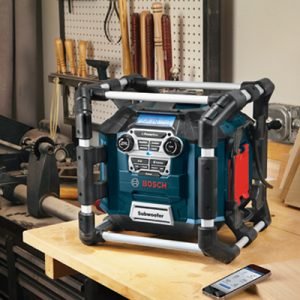
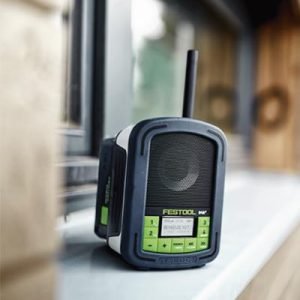
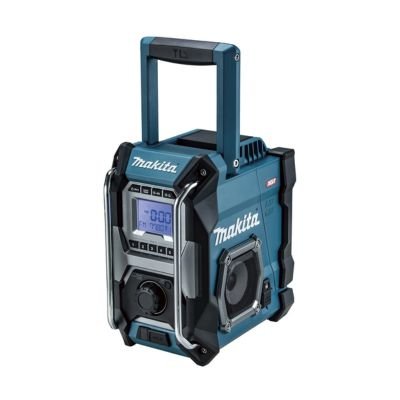
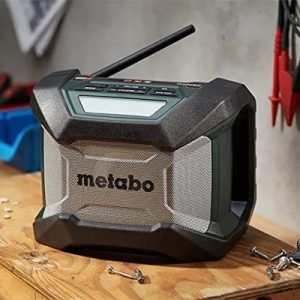
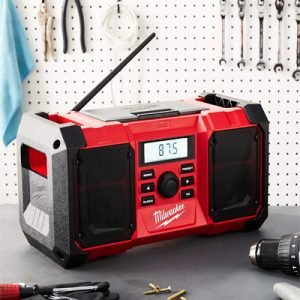


A good cordless radio for a workshop, building site, garage or outdoor job needs to do more than simply produce sound. The best models combine dependable reception, useful battery life, clear audio, robust construction and controls that remain practical when your hands are occupied. For UK buyers, compatibility with an existing power-tool battery platform can be particularly important because a radio that accepts batteries you already own may be considerably more convenient than starting another battery system.
When comparing the best top-rated cordless radios in the UK, look beyond star ratings alone. A radio can be highly rated because it is compact and inexpensive, while another may receive strong feedback because it is exceptionally rugged, has better speakers or integrates with a professional battery platform. The right choice depends on where you intend to use it, how often you need it, whether mains operation matters and what type of battery ecosystem you already have.
The most useful cordless radios tend to balance several characteristics rather than maximising one specification. Sound quality matters, but a powerful speaker is less useful if the radio is awkward to carry. Battery runtime is valuable, but it is less important if you already have several compatible batteries available. Ruggedness matters on a construction site, whereas a homeowner may prioritise compact dimensions, simple controls and low cost.
Radio reception is one of the first specifications worth checking because cordless radios are frequently used in locations where signal conditions vary. DAB can provide access to a broad selection of digital stations, while FM remains useful in areas where digital reception is weaker or where a particular station is primarily available through FM.
DAB+ compatibility is also worth checking when comparing newer radios. Do not assume that every product described simply as a digital radio offers exactly the same reception features. Examine the manufacturer's specification for the exact model rather than relying on a retailer's short product title.
Digital radio is convenient because stations can be selected by name rather than manually tuning through frequencies. However, reception still depends on location, building construction and local coverage. A radio used inside a reinforced concrete building, basement or enclosed workshop may experience different reception from the same unit used outdoors.
FM gives you another reception option and can be valuable as a fallback. If a radio supports both digital and FM reception, you have more flexibility when working in different areas of the UK.
For regular power-tool users, battery compatibility can be more important than almost any other feature. Manufacturers such as Makita, Bosch Professional, DeWalt and Milwaukee offer cordless radios designed around their respective battery ecosystems, although compatibility varies by model and battery generation.
A cordless radio does not necessarily accept every battery sold under a manufacturer's brand. Before buying, check the precise radio model and the supported battery ranges. Voltage, battery interface and platform generation can all matter.
If you already own several batteries and a charger for your cordless tools, a compatible radio can fit naturally into your workshop setup. You can move a charged battery from one tool to another when necessary and avoid maintaining an additional proprietary battery arrangement.
Battery runtime is often presented as a simple specification, but real-world operating time depends on several variables. Volume level, speaker configuration, Bluetooth use, display settings and battery capacity can all influence how long a radio operates between charges.
A higher-capacity battery generally provides more stored energy, but it can also add weight. For a radio that spends most of its time sitting on a workbench, additional battery weight may not matter. For someone carrying it around a building site throughout the day, a lighter battery may be preferable.
Do not automatically select the largest compatible battery simply because it offers more capacity. A compact radio paired with a smaller battery can be easier to transport, while a larger battery may make sense when uninterrupted operation is the priority.
When comparing advertised runtime figures, check the conditions under which they were measured. Manufacturer runtime claims may use particular battery capacities, volume settings or operating modes. Treat them as useful comparison information rather than a guarantee of exactly how long your radio will operate on every battery.
A construction radio needs to be intelligible in a noisy environment. Sound quality therefore involves more than bass response. Clear speech, sufficient volume and controlled distortion are especially useful when listening to radio presenters, podcasts or spoken content.
Some premium cordless radios incorporate larger speaker systems, passive radiators, stereo arrangements or equalisation controls. These features can improve the listening experience, but they may also increase size and weight.
The loudest radio is not automatically the best radio. Excessive volume can introduce distortion, particularly when a compact speaker is pushed hard. A well-designed unit that remains clear at practical working volume can be more useful than one that simply produces a higher maximum output.
Hard walls, machinery and background noise can make music sound very different from how it sounds in a quiet room. For workshop use, prioritise clear midrange frequencies and easy volume adjustment. Bass-heavy tuning may sound impressive indoors but may not provide the clearest speech in a noisy environment.
Bluetooth turns a cordless radio into a more versatile audio system. Instead of relying exclusively on radio reception, you can connect a compatible smartphone or other device and listen to stored music, streaming services, podcasts or audiobooks.
When assessing Bluetooth, consider how simple the pairing process is and whether the radio remembers previously connected devices. A well-positioned control panel also makes it easier to pause, adjust volume or change the input without repeatedly handling your phone.
Cordless radios intended for professional environments are often built differently from ordinary portable home radios. A workshop or construction site exposes equipment to dust, knocks, vibration, moisture and frequent transportation.
Look for physical protection around corners and vulnerable controls. Protective bumpers can reduce damage from accidental impacts, while a sturdy carry handle can make transportation easier. Some models are designed with sealed or protected controls, but you should never assume that a rugged appearance means a radio is waterproof or dustproof.
Terms such as water-resistant, weather-resistant and waterproof should not be treated as interchangeable. If a manufacturer provides an ingress-protection rating, check the exact rating and what it means. If no suitable rating is specified, avoid treating the radio as suitable for exposure to heavy rain.
Even a robust jobsite radio should ideally be protected from prolonged exposure to rain, standing water and unnecessary moisture. Always follow the manufacturer's operating and storage instructions.
For construction use, prioritise durability and battery flexibility. A radio used around tradespeople may be exposed to more abuse than one kept in a home workshop, so a sturdy enclosure and protected controls can be worth paying for.
DIY users may not need the largest professional jobsite radio. A smaller model can be easier to store and transport, particularly if it will spend most of its life on a garage shelf or workbench.
If you already own cordless tools, battery compatibility remains a strong reason to choose a particular model. If you do not own a battery platform, compare the complete cost of the radio, battery and charger rather than looking only at the advertised price of the radio itself.
Garages and sheds present different requirements from large construction sites. Space may be limited, mains electricity may be available intermittently, and the radio may need to be stored for long periods between uses.
For occasional use, a compact radio with straightforward controls may be more practical than a large professional unit. If the radio will remain in a shed or unheated garage, follow the manufacturer's storage recommendations and avoid leaving batteries exposed to unsuitable temperatures or moisture.
A conventional portable radio can be smaller and may use disposable or built-in rechargeable batteries. A power-tool cordless radio, by comparison, is often designed around the same battery ecosystem as professional tools and may offer a more rugged enclosure.
Bluetooth speakers and cordless jobsite radios overlap considerably, but they are not identical products. A Bluetooth speaker may focus heavily on music playback, while a jobsite radio is generally designed around physical durability, radio reception and battery-platform compatibility.
If you primarily listen to Spotify, podcasts or downloaded audio from a smartphone, a Bluetooth-focused product may make more sense. If live radio, DAB reception and compatibility with your power-tool batteries are important, a cordless radio is usually the more natural choice.
Brand selection can help narrow the market, particularly when you already own cordless tools. Bosch Professional, DeWalt, Makita and Milwaukee are prominent names in professional power-tool ecosystems and each has offered cordless audio products across different ranges and generations.
Do not select a radio solely because its brand matches your tools. Compare the individual model's battery compatibility, radio reception, dimensions, weight, audio design, protection features and included accessories. Product specifications can change between generations, so the exact model number matters.
Makita has a broad cordless tool ecosystem and offers radio products designed for users who already operate compatible Makita battery platforms. When comparing a Makita radio, check the supported battery series, whether mains operation is available and whether the particular model provides the reception and connectivity features you require.
DeWalt cordless radios are commonly considered by tradespeople who already use the company's battery system. Compare individual models carefully because size, battery compatibility, connectivity, charging functionality and speaker arrangements can vary considerably.
Milwaukee offers jobsite-oriented audio products aimed at users within its cordless tool ecosystem. When comparing models, pay attention to the distinction between compact radio units and larger audio systems, as portability and sound performance can differ substantially.
Bosch Professional radio products can be attractive to tradespeople who already use compatible Bosch Professional batteries. Check the exact voltage platform and product specifications before purchasing, particularly if your tool collection includes batteries from different Bosch ranges.
Product specification tables can contain a large amount of information, but not every figure has equal importance. A useful comparison should focus on specifications that affect how you will actually use the radio.
A low-cost bare radio can appear attractive until you discover that you need to purchase a battery and charger separately. Calculate the complete setup cost.
Battery ecosystems can contain multiple voltage classes and generations. Always verify compatibility for the exact radio model and battery.
A very loud radio is not necessarily clearer. For workplace use, intelligibility and controlled sound at practical volume levels are often more valuable.
If DAB is important to you, verify that the specific model supports it. Likewise, do not assume a product described casually as a "radio" includes every reception mode you expect.
Impact protection does not automatically mean water protection. Check official protection information before using a radio outdoors in poor weather.
A large speaker system may sound appealing, but the radio can become inconvenient if you regularly carry it together with tools and batteries.
For users entering a new battery platform, the radio is only part of the investment. Compare the cost of the complete operating setup.
Ratings provide useful consumer feedback, but they do not replace specification checking. A compact DIY radio and a heavy-duty jobsite radio can both receive excellent feedback while serving completely different needs.
Customer reviews can reveal practical issues that are difficult to understand from a specification sheet, but they should be interpreted carefully. Look for repeated comments about reception, battery runtime, control layout, durability, Bluetooth reliability and sound quality rather than focusing on isolated complaints or praise.
Recent reviews can also be more useful for current products because product revisions, firmware changes, accessories and battery compatibility can change over time. Always distinguish reviews for the exact model from reviews for a similar-looking product in the same range.
Dual-power operation can be particularly convenient for a workshop or garage. If mains power is available, you can preserve the battery for situations where portability matters. When working away from an electrical outlet, the battery provides the freedom expected from a cordless tool.
However, mains capability should not automatically make a radio the better purchase. If you rarely use mains power, you may place more value on compactness, battery compatibility or rugged construction.
Some cordless radios can provide USB power for compatible devices. This can be useful when a phone needs topping up during a long workday, especially when there is no convenient electrical outlet.
Consider this an additional feature rather than the primary reason to buy a radio. USB output can draw energy from the radio's battery, potentially reducing the remaining operating time. Check the manufacturer's specifications for the supported output and charging behaviour.
Controls become surprisingly important when a radio is used in a workshop. Small buttons can be inconvenient when wearing gloves, while an unclear display can make station selection unnecessarily difficult.
Look for a logical control layout with dedicated or easily identifiable functions for volume, station selection, source switching and Bluetooth. A sturdy control panel can also be preferable to a design dominated by delicate touch controls in a dusty working environment.
A cordless radio is often moved more frequently than a conventional home audio system. A balanced carry handle can make a significant difference, especially when a larger battery is attached.
Before choosing a large model, consider where you will store it, how often you will carry it and whether it needs to share transport space with tools. Compact dimensions can be a more valuable advantage than additional speaker hardware for mobile users.
Good maintenance can help preserve the condition of a cordless radio, particularly when it is used in dusty workshops or on construction sites.
Many modern cordless-tool radios rely on lithium-ion battery platforms. Battery care should follow the instructions supplied with the battery and charger. Avoid using visibly damaged battery packs and do not attempt to modify battery packs or charging equipment.
Because batteries are often shared between radios and power tools, it is worth keeping track of which packs are charged and which are ready for use. This simple approach can make a battery-powered radio much more convenient during a long working day.
There is no single ideal budget because the complete cost depends heavily on whether you already own compatible batteries. A bare radio can represent very different value for an existing battery-platform user compared with someone starting from scratch.
Instead of setting a budget based solely on the radio's purchase price, consider the total cost of ownership:
Once the complete cost is understood, compare features within the same general price bracket. Spending more can make sense when you genuinely benefit from better construction, reception, audio performance or battery compatibility, but paying for features you will never use offers limited practical value.
Compact radios are easier to store and carry. They can be particularly suitable for DIY users, smaller workshops and tradespeople who already carry substantial amounts of equipment.
Larger radios can provide more room for speakers, controls and protective construction. They may be better suited to a fixed position on a jobsite or workshop where portability is less important.
The best size is therefore determined by your working environment rather than by specifications alone.
Tradespeople should begin with their existing battery platform. If you already use a large collection of compatible batteries, staying within that ecosystem can simplify charging and transportation.
Next, consider the environment. A carpenter working indoors may have different priorities from a landscaper working outside. A site electrician may prioritise compactness, while a workshop-based professional may prefer stronger audio and mains operation.
DIY users should avoid paying professional-site premiums unless the associated features will genuinely be useful. If the radio will be used occasionally in a garage, a straightforward compact model can be more sensible than a large jobsite system.
On the other hand, someone who spends several hours every weekend renovating a property may benefit from the durability and battery flexibility of a professional-grade radio. Consider frequency of use, not simply the label attached to the product.
A useful comparison should score each model against your own priorities rather than treating every specification equally. For a professional construction environment, durability and battery compatibility may deserve more attention than appearance. For home use, portability and cost may be more important.
There is no universal cordless radio that is ideal for every UK buyer. A builder who spends long days on changing sites may value ruggedness and battery compatibility above all else. A homeowner may want a compact radio for occasional garage projects. A tradesperson who already owns a particular battery platform may naturally favour compatible equipment.
For that reason, a top-rated cordless radio should be judged against its intended role. Customer satisfaction is useful evidence, but specifications and practical requirements should determine the final shortlist.
The best cordless radio depends on your battery platform, intended environment, preferred radio reception, audio requirements and budget. A professional user may benefit from a rugged battery-platform model, while a DIY user may prefer a smaller and simpler design.
They can be particularly worthwhile if you already own compatible power-tool batteries. They provide portable audio without requiring a separate rechargeable system and many models combine traditional radio with Bluetooth connectivity.
Some are sold as complete kits, while others are sold as bare units without a battery or charger. Always check the exact package contents before buying.
Only if the radio is designed to accept that battery platform. Brand matching alone is not sufficient. Check the exact battery compatibility information for the radio and battery.
Not necessarily. Compatibility varies between radio models and battery platforms. Check the manufacturer's specification for the exact radio and battery you intend to use.
Compatible models can use specified DeWalt battery platforms, but compatibility should be confirmed for the exact radio and battery combination rather than assumed from the brand name.
Many models do, but not every cordless radio provides the same reception options. Check the exact specification for DAB, DAB+ and FM support.
Bluetooth is valuable if you want to stream music, podcasts or other audio from a smartphone. If you only listen to broadcast radio, it may be less important.
Not automatically. Rugged construction and water resistance are different features. Look for an explicit protection rating or manufacturer's environmental guidance before exposing a radio to rain.
Some models provide USB charging or power-output functionality, while others do not. Check the exact specification and remember that powering another device can consume energy from the radio's battery.
A cordless radio is generally more suitable if you want traditional radio reception, jobsite durability and power-tool battery compatibility. A Bluetooth speaker may be preferable when smartphone streaming is your main requirement.
Choose based on portability and working environment. Compact models are easier to transport, while larger designs can provide additional speaker hardware and a more substantial enclosure.
Start with battery compatibility, then consider durability, clear audio, reception, Bluetooth, portability and protection against the conditions in which you will use it.
Compare the complete operating cost. A cheaper bare radio may become more expensive if you need to purchase a battery and charger, while a slightly more expensive kit may include components you already need.
The strongest cordless radio choice is the one that fits your existing equipment, working environment and listening habits rather than simply the product with the highest headline rating. For many UK power-tool users, battery-platform compatibility is the logical starting point because it can simplify charging and reduce the number of battery systems they need to maintain.
From there, compare DAB/DAB+ and FM reception, Bluetooth connectivity, speaker performance, durability, weight, controls and power options. If the radio will be used outdoors or on a construction site, pay particular attention to the manufacturer's stated environmental protection rather than relying on a rugged appearance.
Before purchasing, verify the exact model specifications, package contents and current retailer pricing. Read recent verified customer feedback alongside the technical information, and compare several suitable models rather than selecting solely on brand recognition. Taking this approach makes it easier to identify a top-rated cordless radio that genuinely suits your workshop, garage, construction site or everyday DIY use in the UK.