

♥ Wishlist


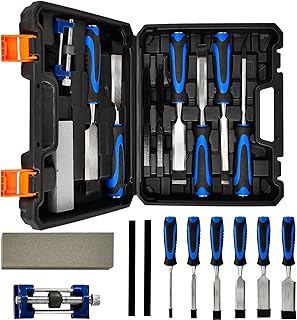


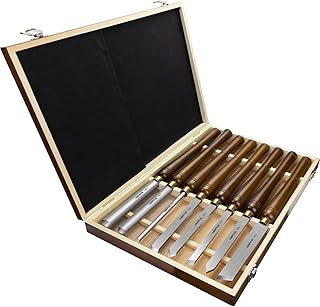


Chisels are essential hand tools for many woodworking, carpentry and joinery applications. They use a sharpened cutting edge to remove, shape or clean material under controlled pressure. Depending on the design, a chisel can be used for fine joinery, creating recesses, cleaning corners, trimming wood and carrying out general workshop tasks. The right option gives you better control over the cut and helps you achieve a cleaner finish.
When choosing chisels hand tools for UK projects, consider the material you are working with, the type of cut required and how frequently the tool will be used. A woodworking chisel intended for controlled hand pressure may suit detailed joinery, while a more robust design can be appropriate for demanding tasks where additional force is required. Matching the tool to the application helps reduce unnecessary effort and supports more consistent results.
Woodworking chisels are widely used for creating and refining joints, removing waste material and shaping timber. They are particularly useful when accuracy matters, such as when fitting components together or cleaning a recess. Different blade widths allow you to work on both broad surfaces and smaller details. Narrow chisels can provide useful control in confined areas, while wider blades can remove material efficiently across larger sections.
For joinery work, sharpness and control are particularly important. A well-maintained cutting edge can make it easier to pare timber accurately and reduce the need for excessive force. When working on visible surfaces, controlled cuts can also help produce a neater finish with less unwanted damage around the work area.
Blade width is one of the simplest ways to distinguish between chisel applications. Wider blades are useful for removing more material, whereas narrower blades are better suited to smaller joints, corners and detailed work. If you regularly undertake different types of projects, a selection of sizes can provide greater versatility.
The blade material influences durability, sharpening requirements and how well the cutting edge performs during repeated use. Look for a construction appropriate to your intended workload and maintenance routine. Keeping the blade correctly sharpened is just as important as selecting a durable chisel because a blunt edge can make accurate work more difficult.
A comfortable handle can make a noticeable difference during extended work. Consider how the chisel feels in your hand and whether the handle provides a secure grip. For tasks involving controlled hand pressure, good handling can help you maintain accuracy. Where a chisel is designed for striking, ensure the handle and overall construction are appropriate for that type of use.
Chisels can be useful in both professional workshops and home tool collections. DIY users may need them for repairing furniture, fitting timber components, modifying wooden parts or completing renovation projects. Professional carpenters, joiners and woodworkers may require several sizes and designs to handle different materials and cutting requirements throughout the working day.
For occasional DIY work, choosing a versatile chisel that matches your most common tasks can be a practical approach. For regular professional use, a broader selection can help you move between detailed cuts, joint preparation and material removal without relying on one tool for every application.
Always use a chisel for its intended purpose and work with appropriate personal protective equipment. Secure the workpiece firmly before cutting and keep your hands away from the cutting path. Take controlled cuts rather than forcing the blade through the material. If striking is required, use a suitable striking method and avoid using equipment that is not designed for the task.
Regular maintenance can extend the useful life of a chisel. Clean the blade after use, inspect it for damage and maintain a suitable cutting edge through correct sharpening. Store chisels so that their cutting edges are protected and cannot easily contact other tools. Proper storage also makes it easier to find the correct size when starting a new project.
The best chisel depends on the material, cutting technique and level of precision required. Before choosing, think about whether you need the tool for general woodworking, detailed joinery, trimming, recessing or material removal. Also consider the blade size, handle construction and expected frequency of use. Taking these factors into account can help you select a hand tool that suits your working style.
Explore the chisels hand tools category to compare suitable options for woodworking, carpentry, joinery and DIY applications. Selecting the correct tool can improve control, support cleaner cuts and make precision handwork more straightforward.
Discover practical chisels hand tools for woodworking, joinery, carpentry, renovation and other precision cutting tasks. A suitable chisel can help you remove material accurately, clean joints, shape wood and complete detailed work with greater control. Whether you are a professional tradesperson, experienced woodworker or DIY enthusiast, choosing the right chisel for the job can make everyday projects easier and more precise.