

♥ Wishlist
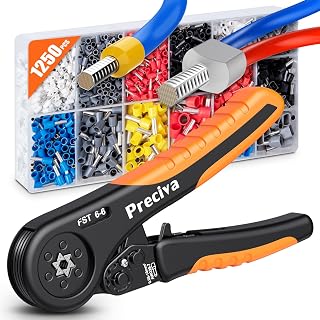


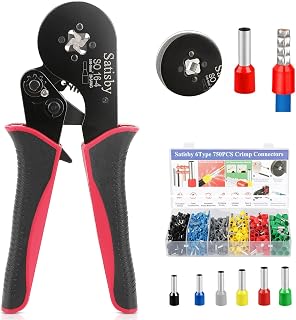
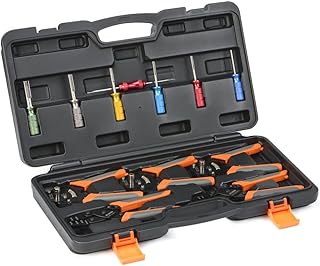

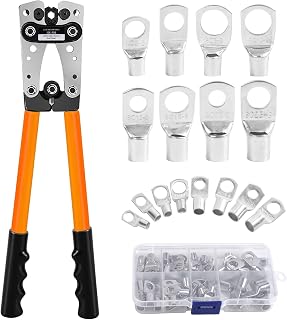


Crimping is a practical method of joining wires, cables, terminals and connectors without relying solely on soldering. A suitable crimping tool applies controlled pressure to a terminal or connector, forming a secure mechanical connection around the conductor. The right tool can make repetitive wiring tasks faster, cleaner and more consistent, whether you are working on electrical installations, vehicle wiring, control panels, maintenance projects or general workshop repairs.
When choosing crimping tools in the UK, it is important to match the tool with the type of terminal and cable you intend to use. Different connectors require different crimp profiles, jaw designs and operating methods. A tool that works well with insulated terminals may not be suitable for specialist connectors or larger cable sizes. Checking compatibility before buying helps you select a crimper that suits the job rather than simply choosing a tool based on appearance or price.
Manual crimpers are a popular choice for electricians, installers, technicians and DIY users who need a straightforward solution for occasional or regular wiring work. They are generally compact, easy to store and simple to operate. Depending on the design, they can accommodate different terminal types and cable sizes, making them useful for everyday electrical and maintenance tasks.
For frequent professional work, a more specialised crimping tool can provide greater control and consistency. Ratchet mechanisms can help maintain a complete crimp cycle and reduce the risk of releasing the handles too early. Some tools also feature interchangeable dies or adjustable settings, allowing one tool to support a broader range of connector types and applications.
Crimping tools are widely used when terminating electrical wires and cables. They can help create neat connections for terminals, cable lugs, connectors and other compatible components. For electrical work, always check the required conductor size, terminal specification and crimp profile before starting. Correct preparation and tool selection are essential for achieving a reliable connection.
For automotive and vehicle wiring, crimpers can be particularly useful where numerous connections must be completed in restricted spaces. A suitable tool can help produce tidy terminations without the need for additional soldering equipment. The exact crimper required depends on the connector system, wire gauge and application, so compatibility should remain a priority.
Start by identifying the terminals or connectors you will use. Crimping tools are not universally compatible, so check the manufacturer's specifications for supported terminal styles and crimp profiles. This is especially important when working with specialist connectors.
Check the tool's stated cable or wire capacity. A crimper designed for smaller conductors may not provide the required performance on larger cables. Selecting a tool within its recommended operating range helps support consistent results.
Comfort becomes increasingly important when making many crimps. Look for a handle design that provides a secure grip and sensible leverage. A ratchet mechanism can also reduce repeated hand effort during high-volume work.
The die determines how pressure is applied to the terminal. Different applications can require different profiles, so inspect the available die configuration before purchasing. Interchangeable dies may provide additional flexibility for users working with several connector systems.
Professional installers may need a dependable crimping tool for repeated cable termination, maintenance and installation work. DIY users may prefer a compact and versatile option for smaller electrical, automotive or workshop projects. In both cases, the best choice is the tool that matches the intended connectors and cable sizes.
Before crimping, prepare the cable carefully and follow the connector manufacturer's instructions. Strip only the required amount of insulation, position the conductor correctly inside the terminal and use the appropriate section of the crimping jaws. After crimping, inspect the connection for correct positioning and mechanical security. Never rely on the tool alone to compensate for an incorrectly selected connector or poorly prepared cable.
A suitable crimper can improve consistency across repeated connections while helping you work efficiently. It can also reduce the need for improvised methods that may produce unreliable results. For tradespeople, the correct tool can become an important part of a professional wiring kit. For home users, a well-matched crimper offers a practical solution for occasional repairs and projects.
When comparing products in this category, consider the connector type, cable range, operating mechanism, die configuration, build quality and frequency of use. A basic manual crimper can be sufficient for straightforward jobs, while a professional user may benefit from a more versatile or specialised design.
Explore the Crimping category to find tools suited to cable, wire and terminal connection tasks. Compare specifications carefully and select a crimper that matches your intended application. Whether you are completing electrical maintenance, automotive wiring, installation work or a home workshop project, choosing the correct crimping tool can help you create cleaner and more dependable connections.
Find practical crimping solutions for creating secure, consistent connections across electrical, cable, wiring and workshop applications. The Crimping category brings together tools designed to compress terminals, connectors and related components accurately, helping UK tradespeople, installers, maintenance teams and DIY users complete connection work with confidence.