
♥ Wishlist


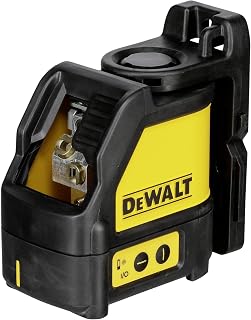




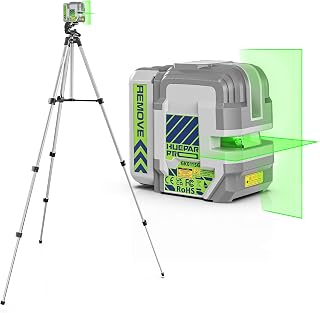


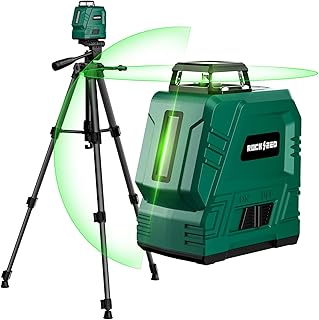
A line laser level provides a visible reference line that helps you establish accurate horizontal, vertical or cross-line positions. Unlike traditional spirit levels, a laser can project a reference over a much greater working area without requiring you to repeatedly reposition the tool. This makes laser levels useful for interior fitting, construction, carpentry, electrical installation, plumbing, decorating and general renovation work.
When choosing a line laser level in the UK, start by considering the type of work you normally carry out. A horizontal line can help with tasks such as fitting shelves, cabinets, dado rails and wall decorations. A vertical line is useful when aligning frames, doors, partitions and other upright components. Cross-line models combine horizontal and vertical projection, making them particularly practical for general building and installation work.
Laser visibility is an important consideration. A bright projected line is easier to see in well-lit indoor environments, while some models are designed to remain useful over longer working distances. Think about where you will use the tool and whether the laser needs to remain visible across a large room or workspace.
Self-levelling is another valuable feature. A self-levelling laser automatically compensates for minor positioning errors within its specified range, helping you establish a reliable reference without manually adjusting the tool every time. For more specialised applications, manual modes may also allow angled lines for slopes, stair layouts and other non-level installations.
Also check the working range, accuracy specification, levelling range, laser class, power source and mounting options. A compact model can be convenient for indoor DIY projects, while a more robust professional line laser may suit regular trade use and demanding working environments.
Line laser levels can support a wide variety of professional tasks. Builders can use projected lines when setting out walls, partitions and fixtures. Joiners and carpenters can use them to align cabinets, shelving and timber components. Electricians can establish consistent positions for sockets, switches and cable routes. Plumbers may find horizontal and vertical references useful when positioning pipework and fittings.
For decorating and refurbishment, a laser level can simplify wallpapering, tiling and the installation of wall features. A straight projected line provides a continuous visual guide, which can be easier to follow than transferring measurements manually with a pencil and conventional level.
Laser colour can influence visibility. Red lasers are widely used for indoor levelling and alignment because they provide a practical balance of visibility and power consumption. Green laser lines are often easier for the human eye to see, particularly in brighter conditions, although visibility depends on the surroundings and the specific laser design.
Choose the laser colour based on your working environment rather than assuming one option is always better. For typical indoor applications, a red line laser can be perfectly suitable. If you regularly work in brighter spaces and need enhanced line visibility, a green laser may be worth considering.
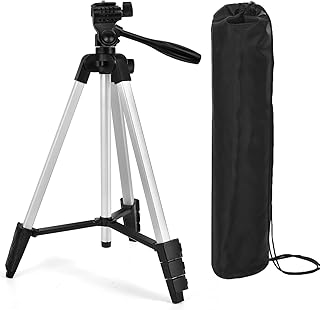
Consider the working distance you need, the accuracy required for your projects and whether you need horizontal, vertical or cross-line projection. A model with a suitable mounting system can also save time because you can position it securely on a tripod, bracket or compatible surface.
Durability matters if the laser level will be used frequently on construction sites. Look for a design that suits the conditions in which you work, and check the manufacturer's stated protection rating where applicable. Battery life is also important for mobile work, particularly when the tool is used throughout a full working day.
The right line laser level can improve consistency across measuring, setting-out and alignment tasks. Before choosing a model, match its projection type, range, accuracy, visibility, power system and mounting options to your intended application. This approach helps you select a laser level that provides useful performance without paying for features you may not need.
Explore the available line laser level options and compare their specifications to find a practical solution for DIY, renovation, installation or professional trade work in the UK.
Find a line laser level designed to make levelling, alignment and layout work faster and more consistent. A laser level projects clear reference lines across walls, floors and other surfaces, helping you position fittings, frames, cabinets, tiles and construction elements with greater accuracy. Whether you work in construction, renovation, installation or DIY, choosing the right line laser level can make everyday measuring and alignment tasks easier.