

♥ Wishlist



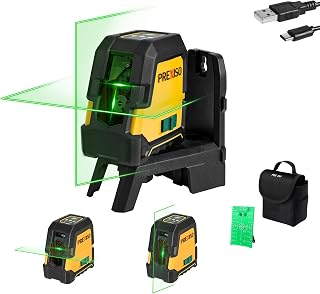


A Milwaukee line laser level can provide a practical solution when you need dependable horizontal, vertical or combined reference lines on a jobsite. Instead of relying solely on spirit levels, tape measures and manual marking, a line laser projects visible laser lines across a working area. This gives you a consistent reference for positioning, alignment and installation tasks.
Milwaukee line laser levels are particularly useful for professional trades where accuracy and repeatability matter. They can support applications such as partition installation, suspended ceiling work, cabinetry, joinery, electrical installation, plumbing, tiling and general building layout. The right model can also help reduce time spent checking measurements between different points.
Laser layout tools can simplify jobs where straight and accurately aligned reference points are required over longer distances. A projected line can be easier to follow than a manually marked reference, especially when several installation points need to remain aligned. Milwaukee's range is aimed at demanding users who need practical jobsite equipment for regular professional use.
Depending on the model, features may include multiple projected lines, horizontal and vertical alignment, self-levelling functionality, mounting options and visibility features designed for different working conditions. Always check the specifications of the individual product before choosing a model for a particular application.
A Milwaukee line laser level can be useful across a wide range of indoor construction and installation tasks. Electricians can use projected lines when positioning sockets, switches, cable routes and other fittings. Plumbers can benefit when setting consistent installation points. Joiners and kitchen fitters can use laser lines when aligning cabinets, shelving and other fixed components.
Builders and renovators can also use line lasers for partitioning, ceiling installation, wall preparation and general setting out. Tilers may find projected horizontal and vertical references useful when maintaining consistent layouts. For each job, select a laser with the required projection pattern, working range, visibility and accuracy.
When choosing a Milwaukee line laser level, consider the type of work you regularly carry out. Start with the required laser line configuration. A basic horizontal or vertical line may be sufficient for straightforward alignment, while a multi-line model can provide greater flexibility for more complex layout work.
Consider working range and visibility as well. The ideal specification depends on the size of the working area and the lighting conditions. If the tool will be used frequently on busy jobsites, also consider its construction, mounting options, ease of setup and compatibility with the accessories required for your workflow.
Self-levelling performance is another important consideration. A self-levelling laser can help establish a reference quickly when the tool is positioned within its specified operating range. Accuracy specifications should always be checked against the manufacturer's information so that the selected product matches the requirements of the project.
The best laser level depends on how and where you intend to use it. A tradesperson completing small indoor installations may prioritise compact design and straightforward setup. A contractor working across larger areas may need broader coverage, additional projected lines and features suited to demanding site conditions.
It is also worth considering how the laser will be positioned during everyday work. A practical mounting system can make setup easier, while a clear interface can help reduce adjustment time between tasks. Think about the accessories and support equipment needed for your applications before making a final selection.
For UK tradespeople, a suitable line laser can become a valuable part of a wider measuring and layout toolkit. From renovation projects and property improvements to commercial installation work, accurate reference lines can help maintain consistency throughout a job.
When comparing products, focus on the specifications that directly affect your applications rather than choosing solely on appearance or headline features. Check accuracy, levelling range, projected lines, operating range, power system and construction details. This approach helps you select a Milwaukee line laser level that fits the demands of your work.
Explore the available Milwaukee line laser level options to find a model suited to your professional requirements. Compare the available specifications and choose the laser that provides the projection, accuracy, range and practical features needed for your projects. With the right layout tool, measuring and alignment work can become more consistent and efficient.
Find a Milwaukee line laser level for accurate levelling, alignment and layout work across professional construction, installation, renovation and maintenance projects. Milwaukee laser levels are designed to help tradespeople establish clear reference lines while reducing the need for traditional manual measuring and repeated checking. Whether you are fitting cabinets, installing partitions, setting out electrical work or working on larger construction tasks, a suitable line laser can make everyday layout work faster and easier.
Primary: Transactional
Secondary: Commercial investigation