

♥ Wishlist
Compare 17 verified Cordless Disc Cutters products in United Kingdom. Reviews, ratings, pros, cons and buying advice updated for October 2026.


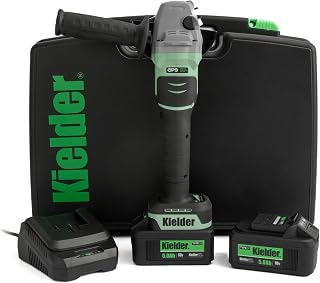


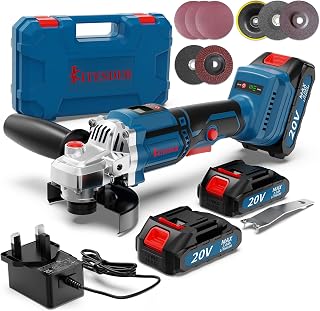


Choosing a cordless disc cutter is less about finding the tool with the highest headline specification and more about matching the machine to the materials, cutting depth, frequency of use and battery platform you actually need. A compact cordless cutter can be extremely convenient for repair work, landscaping, installation and general building tasks, but the right model for occasional masonry cutting may be quite different from the right model for demanding professional work.
For UK buyers, it is worth comparing the complete tool rather than focusing on the cutter alone. Battery compatibility, charger requirements, disc size, spindle arrangement, guarding, dust management, ergonomics and replacement consumables can all influence the practical cost and usability of a cordless disc cutter.
A cordless disc cutter is a battery-powered cutting tool designed to use an abrasive or diamond cutting disc to cut materials such as masonry, concrete, paving products, metal and other suitable construction materials, depending on the particular machine and disc specification.
Unlike a corded disc cutter, a cordless model does not require a mains cable running to the work area. This can be particularly useful on construction sites, outside buildings, in gardens, on driveways and in locations where access to mains electricity is inconvenient.
The term “cordless disc cutter” can cover several types of equipment. Some compact models resemble cordless angle grinders, while larger machines are designed specifically around deeper cutting and may have a dedicated water connection or dust-management arrangement. Always check the manufacturer's stated application before using a particular machine on a material.
The biggest advantage of cordless equipment is mobility. There is no mains cable to position around the workpiece, and the operator can move between cutting locations without relocating an extension lead or power supply.
For buyers who already own batteries from a compatible professional platform, a bare cordless tool can also make more financial sense than starting a completely new battery system. However, compatibility should never be assumed simply because two tools use batteries from the same manufacturer. Check the exact platform and model requirements.
Battery voltage is one of the specifications frequently used to distinguish cordless power tools, but voltage by itself does not tell you how long a cutter will operate or how effectively it will perform a particular job.
Battery capacity is commonly expressed in ampere-hours, or Ah. In general terms, a higher-capacity battery can provide more stored energy, although actual runtime varies substantially according to load, cutting material, disc type, battery condition, temperature and operating technique.
For occasional DIY use, buying a very large battery purely for the highest possible capacity may not be necessary. For repeated cutting on site, however, having more than one compatible battery can be more useful than relying on a single large pack because one battery can be charging while another is in use.
Many premium cordless power tools use brushless motors. A brushless motor eliminates the conventional carbon-brush arrangement used by brushed motors and uses electronic control instead.
For a cordless disc cutter, brushless technology can be attractive because manufacturers can design the motor and electronic controls to work efficiently with the battery system. Depending on the specific tool, electronic management may also support features such as overload protection, controlled starting or other protective functions.
Brushless does not automatically mean that one cutter will outperform every brushed model in every application. The complete design still matters, including motor output, gearing, electronics, cooling, battery system, disc diameter and intended workload.
Disc diameter is one of the most important specifications to compare when shopping for a cordless disc cutter. A larger disc can generally accommodate a greater potential cutting depth, although the exact maximum depth depends on the machine's design and guard arrangement.
Do not select a cutter solely because it accepts a large disc. Consider whether the extra cutting capacity is genuinely required for your projects. A smaller and lighter machine may be easier to control for shallow cuts, while a dedicated larger cutter can be more appropriate where deeper cuts are repeatedly required.
The cutting disc is just as important as the power tool. A high-quality cutter fitted with an unsuitable disc can deliver poor results, excessive wear or an unsafe operating condition.
Diamond discs are commonly associated with cutting hard mineral materials. Depending on their design and specification, they may be intended for concrete, brick, blockwork, paving products, stone or other masonry applications.
Different diamond discs have different segment configurations and intended uses. A disc designed for one class of material should not automatically be treated as suitable for every type of masonry or stone.
Abrasive discs are available for applications including metal cutting. The correct disc depends on the material and the manufacturer's instructions. Disc thickness can affect cutting speed, control and durability, so the specification should be checked rather than selecting solely on appearance or price.
Every cutting disc has a maximum permitted rotational speed. The disc must be compatible with the rotational speed of the power tool. Never fit a disc when its speed rating is below the tool's relevant maximum operating speed.
Some masonry cutting applications can benefit from water-assisted cutting, while others are designed for dry operation. The correct method depends on the cutter, disc and material.
Wet cutting can help manage airborne dust in suitable applications, but water and electrical equipment require careful consideration. A cordless tool should only be used with water in the manner specifically permitted by its manufacturer. Do not improvise a water-supply arrangement or assume that a cordless cutter is suitable for wet operation simply because it can physically be exposed to water.
Dry cutting may be more convenient for smaller jobs, but cutting masonry can generate significant airborne dust. Appropriate dust-control measures and respiratory protection should be considered according to the material, environment and applicable UK workplace guidance.
Dust is a major consideration when using a disc cutter on concrete, brick, stone and other mineral materials. The correct approach is not simply to choose a powerful machine. The cutting method, disc, ventilation, extraction or water-control system and personal protective equipment all contribute to safer working conditions.
For professional users, dust-control requirements can be particularly important. Workplace risk assessments and applicable UK health and safety requirements should take precedence over convenience.
Safety features can vary considerably between cordless disc cutters. When comparing models, look beyond motor power and examine how the machine is designed to control common cutting hazards.
These features should be treated as part of the overall tool design rather than substitutes for correct operating technique. Guards should remain correctly fitted, and protective equipment should be used as appropriate for the task.
A disc cutter can become tiring quickly because cutting involves sustained grip, vibration, reaction forces and repeated positioning. A model that looks impressive on a specification sheet may not be the easiest machine to handle for the intended task.
Look for a handle arrangement that gives you secure control while keeping the cutting line visible. The position of the battery can also affect balance. A large battery mounted behind the handle may feel very different from a compact battery positioned elsewhere on the tool.
Marketing specifications can make cordless disc cutters appear easy to compare, but individual numbers rarely provide the complete picture. A high no-load speed, for example, does not automatically mean faster cutting in every material.
Practical cutting performance is influenced by the relationship between motor output, gearing, electronic control, battery capability, disc characteristics, material hardness and operator technique.
For commercial investigation, give greater weight to specifications that directly relate to your task. If you need to make deep cuts through paving, cutting depth and suitable disc availability may matter more than an isolated headline RPM figure. If you are doing short installation cuts, compact dimensions and controllability may be more important.
Professional users generally need a tool designed around repeated workloads rather than occasional convenience. The most useful comparison is therefore between the complete operating system and the demands of the job.
Brands such as Makita, DeWalt, Bosch Professional, Milwaukee, HiKOKI and Metabo have extensive cordless power-tool ranges, but the best choice depends on the exact model, battery platform and intended application. Brand familiarity should not replace model-by-model specification checking.
For occasional DIY projects, it is often unnecessary to buy the largest or most powerful machine available. A sensible DIY choice should provide enough cutting capacity for the materials you actually expect to encounter while remaining manageable and compatible with an affordable battery arrangement.
Before purchasing, make a list of the jobs you expect to perform. Cutting a few paving slabs is a different requirement from regularly cutting concrete blocks, masonry channels or structural construction materials.
Cordless tools can become considerably more economical when several tools share the same battery platform. If you already use cordless equipment from Makita, DeWalt, Bosch Professional, Milwaukee, Ryobi or another established platform, check whether a suitable disc cutter is available within that exact system.
A shared battery platform can reduce the number of chargers and battery types required. It can also make it easier to maintain several tools on a job. However, professional and consumer ranges from the same manufacturer can use different battery families, so the exact compatibility information should always be verified.
Do not use unofficial battery adapters simply to force compatibility unless the tool manufacturer explicitly permits the arrangement. Battery-powered cutting equipment can place substantial demands on the electrical system.
Cordless disc cutters may be sold as bare tools or as complete kits. A bare tool generally excludes the battery and charger, while a kit may include one or more batteries and a charger. Packaging differs by manufacturer and model, so the contents should be checked carefully before ordering.
A bare tool can be the logical choice if you already own compatible batteries. For someone entering a new battery platform, the kit price needs to be assessed alongside the cost of acquiring additional batteries and a charger.
Voltage is useful for identifying a platform, but it is not a complete measure of cutting performance. Motor design, battery capability, electronics and disc selection all matter.
A cutter is only as useful as the compatible discs available for your applications. Check diameter, bore, material suitability and maximum permitted speed before choosing a machine.
More cutting capacity can also mean greater size, weight and cost. A large machine can be unnecessarily cumbersome for small or shallow cuts.
Published tool weights may not always reflect the weight you will actually hold during work. Consider the complete tool with the battery installed.
Different discs can have different material applications and operating requirements. Always follow the disc manufacturer's instructions.
Dust should be treated as a core consideration when cutting mineral materials, not an accessory concern. The cutting method should be planned before work begins.
A comparison table is useful, but only if it includes specifications that affect the intended application. When assessing models, consider the following checklist.
There is no single price point that represents good value for every UK buyer. The appropriate budget depends on whether the machine is intended for occasional DIY use, frequent home improvement projects, landscaping or professional construction work.
When comparing prices, distinguish between the cost of the bare tool and the cost of a complete working setup. A seemingly inexpensive cordless cutter can become significantly more expensive once a compatible battery, charger and suitable cutting discs are added.
Likewise, the cheapest available machine is not necessarily the lowest-cost option over its useful life. A compatible battery platform, replacement consumables, service arrangements and the tool's suitability for repeated workloads can all affect overall value.
Online product listings can contain abbreviated specifications or vary in the way weights and package contents are presented. Before purchasing, cross-check the important details against the manufacturer's information where possible.
Retailer listings can change, so buyers should check the current specification, package contents, seller information and price immediately before ordering.
Cordless angle grinders and dedicated disc cutters can look similar, but they are not necessarily interchangeable for every cutting application. An angle grinder is generally designed as a versatile multi-purpose tool, while a dedicated disc cutter can be designed around a particular cutting capacity and application.
An angle grinder may be preferable when the buyer needs one compact tool for grinding, deburring and occasional cutting. A dedicated cutter can make more sense when cutting is the primary task and greater cutting capacity or a specialised dust-management arrangement is required.
Never fit an accessory simply because its physical dimensions appear compatible. Follow the tool manufacturer's approved accessory specifications and operating instructions.
Routine maintenance can help preserve performance and identify problems before the tool is needed for demanding work. Maintenance requirements vary by manufacturer, so the owner's manual should remain the primary reference.
Battery care matters because the battery is one of the most expensive components in a cordless tool system. Use the manufacturer's specified charger and follow its recommendations for storage, charging and temperature conditions.
Do not use a visibly damaged battery. Batteries should also be protected from conditions that the manufacturer identifies as unsuitable, including excessive heat, moisture or physical impact.
If a cutter will not be used for an extended period, follow the battery manufacturer's recommended storage procedure rather than assuming that fully charging or fully discharging the pack is always best.
Even a high-quality cordless disc cutter needs to be used with controlled technique. Allowing the disc to do the cutting rather than forcing the tool can help maintain control and reduce unnecessary loading.
The suitable material range depends on the exact machine and disc. Depending on the manufacturer's specification, cordless disc cutters may be designed for applications involving masonry, concrete, brick, paving materials, stone or metal.
Do not assume that one disc can safely cut every material. Materials can behave differently under cutting loads, and some may require a specific disc construction or cutting method.
Brick and blockwork are common applications for suitable masonry-cutting discs. The appropriate disc should be selected for the material, while dust control should be considered carefully.
Concrete can place substantially greater demands on a cutter than softer masonry materials. The correct diamond disc, cutting depth and machine specification should be checked before attempting the work.
Cordless cutting equipment can be convenient for paving and landscaping projects because the work frequently takes place outdoors and away from convenient mains sockets. Disc suitability is especially important for hard paving products and natural stone.
Metal cutting requires a disc specifically intended for the material and compatible with the tool's operating speed. Sparks, hot particles and sharp edges create additional hazards that must be considered before cutting.
Cordless technology is convenient, but it is not automatically the best solution for every cutting job. A corded machine can be more practical when mains electricity is readily available and extended continuous cutting is required.
For very occasional small cuts, a suitable compact grinder or another specialised cutting tool may be easier to handle. For extremely demanding professional work, the buyer should compare dedicated high-capacity cutting equipment rather than assuming that a compact cordless model will provide sufficient endurance.
The correct choice is the machine that provides enough capacity for the job without introducing unnecessary weight, expense or complexity.
The UK cordless power-tool market includes several established manufacturers with broad battery ecosystems. Makita, DeWalt, Bosch Professional, Milwaukee, HiKOKI, Metabo and other established brands may offer relevant products, depending on the required specification.
Rather than choosing a brand purely because it is familiar, compare the exact model's disc capacity, cutting depth, battery system, ergonomics, safety features, accessories and intended application.
Good value is determined by how effectively a cutter meets the intended workload over time. A lower purchase price can be attractive, but it should be assessed alongside battery requirements, consumable costs, cutting capacity and expected workload.
For a homeowner completing one project, a modestly specified tool may provide better value than an expensive professional machine. For a tradesperson using the cutter regularly, paying more for an established battery ecosystem, appropriate cutting capacity and a design suited to repeated use may be more rational.
A cordless disc cutter can be a strong choice for DIY users, landscapers, builders, installers, maintenance teams and tradespeople who value mobility and already use a compatible cordless battery ecosystem.
It is particularly useful when cutting locations are outdoors, distributed across a property or difficult to reach with a mains cable. The convenience becomes more significant when the user already owns several compatible batteries and chargers.
However, buyers who perform long periods of uninterrupted cutting should pay close attention to battery requirements and thermal management. In some situations, corded or dedicated petrol-powered equipment may be more appropriate, depending on the work environment and applicable regulations.
When shopping in the UK, compare the current model number and specification rather than relying on an old product name or an outdated comparison article. Manufacturers can revise kits, battery bundles, accessories and product ranges over time.
Check whether the advertised product is intended for the UK market and confirm the supplied accessories before ordering. Prices, retailer stock, promotional bundles and customer-review counts can change, so these details should be checked at the time of purchase.
For safety-related information, the manufacturer's current instructions and applicable UK workplace requirements should take priority over general buying-guide advice.
The best cordless disc cutter depends on the material, cutting depth, workload, battery platform and budget. A suitable choice for occasional paving work may not be the best option for frequent professional concrete cutting. Compare the exact specifications and intended applications rather than selecting solely by brand or price.
Some cordless disc cutters are specifically designed for suitable concrete-cutting applications. Whether a particular model is appropriate depends on its manufacturer-rated application, disc compatibility, cutting depth, battery system and dust-management requirements.
Some models are suitable for paving applications when fitted with the correct disc. Always verify that the machine and disc are specified for the particular paving material before cutting.
Only if the disc is explicitly compatible with the cutter's diameter, bore, speed rating, application and mounting specification. Physical fit alone is not sufficient evidence of compatibility.
A brushless motor can offer advantages in modern cordless tool design, but brushless technology should be evaluated alongside the complete specification. Motor type alone does not determine whether a particular cutter is best for your application.
The appropriate battery depends on the workload and tool platform. Higher-capacity batteries can provide more stored energy but may also add weight. For frequent work, having multiple compatible batteries can be more practical than relying on a single pack.
Any powered cutting tool can present serious hazards if used incorrectly. Safe operation depends on using the correct disc, keeping guards correctly installed, controlling the workpiece, managing dust and debris, wearing appropriate protective equipment and following the manufacturer's instructions.
Not all cordless disc cutters require water. Some applications and machines support wet cutting, while others are designed for dry cutting or compatible extraction systems. Use water only where the specific tool and cutting system permit it.
Maximum cutting depth varies by model and disc diameter. The manufacturer's published maximum cutting depth should be used when comparing machines rather than estimating depth from disc size alone.
Some models can be used for metal with a suitable metal-cutting disc. Check the manufacturer's permitted applications and use a disc specifically rated for the material and tool speed.
If you already own compatible batteries, a bare tool can be convenient. If you are entering a new battery platform, a complete kit may be more practical. Compare the total cost of the working setup rather than the tool price alone.
Established brands including Makita, DeWalt, Bosch Professional, Milwaukee, HiKOKI and Metabo have extensive cordless power-tool ranges. The right brand is ultimately the one whose specific model and battery platform best match your application.
Before placing an order, use this checklist to narrow the selection to models that genuinely fit your requirements.
The most effective buying strategy is to start with the work rather than the product list. Write down the materials you expect to cut, the maximum depth required, the frequency of use and whether you already own a cordless battery platform. These four factors eliminate many unsuitable options before price becomes the deciding factor.
Next, compare the complete operating setup. A cutter that requires a new battery ecosystem may have a very different overall cost from a bare tool that works with batteries already in your workshop. Include discs, chargers and additional batteries in the calculation.
Finally, check the manufacturer's instructions for the exact model and disc combination. A buying guide can help narrow the field, but the official specification should determine whether the selected machine is appropriate for a particular cutting task.
Customer ratings can be useful when comparing cordless disc cutters, but ratings should be considered alongside objective specifications and the type of work described in individual feedback. A product receiving positive comments for occasional DIY work may not necessarily be suitable for intensive professional use.
For a balanced assessment, compare customer feedback with disc capacity, cutting depth, battery requirements, ergonomics, dust-control options and manufacturer-rated applications. Look for patterns across multiple reviews rather than relying on one unusually positive or negative comment.
The strongest purchasing decision is therefore not necessarily the machine with the highest rating or the most impressive specification. It is the model that offers an appropriate combination of cutting capability, control, battery convenience, accessory compatibility and overall ownership value for the work you intend to perform.