

♥ Wishlist
Compare 31 verified Milwaukee Cordless Metal Cutting Saws products in United Kingdom. Reviews, ratings, pros, cons and buying advice updated for October 2026.


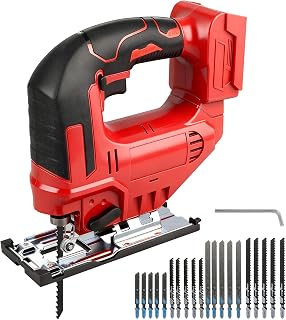


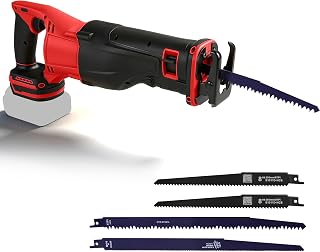


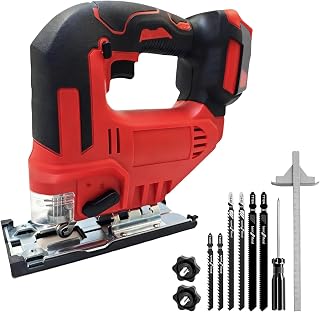


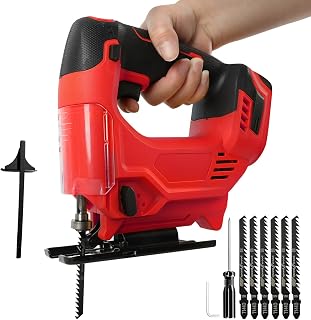


Choosing a Milwaukee cordless metal cutting saw is less about finding the tool with the longest feature list and more about matching the saw to the material, cutting depth, workload, battery platform and type of work you actually carry out. A compact saw that is ideal for conduit, threaded rod and light fabrication may not be the right choice for repeated cuts through heavier sections, while a larger metal-cutting circular saw can be unnecessarily bulky for occasional installation work.
For UK buyers, it is also important to distinguish a dedicated metal-cutting saw from a conventional cordless circular saw, angle grinder or reciprocating saw fitted with an appropriate blade. Dedicated metal saws are designed around the characteristics of metal cutting, including blade selection, chip management, cutting control and the need to minimise unwanted heat, sparks or burr formation.
Milwaukee's M18 platform is particularly relevant to buyers who already own compatible M18 batteries, chargers and other cordless tools. However, a bare-tool purchase only makes financial sense when the existing battery ecosystem genuinely suits the intended workload. New users should compare the complete kit cost rather than judging a tool solely by the advertised body-only price.
A metal-cutting saw is engineered for a very different cutting environment from a conventional wood-cutting circular saw. Metal creates greater resistance, produces chips rather than sawdust, can generate significant heat and often requires controlled cutting speeds and purpose-designed blades.
A dedicated metal-cutting circular saw typically combines a suitable motor and gearbox with a blade designed for ferrous or non-ferrous material. The result can be a controlled cutting process that is more appropriate for fabrication, installation and construction work than simply adapting a general-purpose saw.
The distinction matters when comparing products. Two cordless saws may both use an 18V battery, yet their practical performance can differ considerably because of motor design, gearing, blade diameter, electronics, battery capacity, cutting depth and the type of material they are designed to process.
Within the Milwaukee cordless ecosystem, buyers will commonly encounter M18 metal-cutting saw configurations designed around different cutting requirements. Product naming can also vary between bare-tool versions and complete kits, so the exact model number should always be checked before purchase.
The M18 FUEL metal saw family is particularly important when researching cordless metal-cutting applications. Buyers may encounter compact 150 mm-class metal saws as well as larger 66 mm cutting-depth configurations. These are not simply interchangeable versions of the same tool: blade size, cutting capacity, physical dimensions and intended applications can materially affect which option is most suitable.
When comparing a Milwaukee M18 metal saw, look beyond the FUEL branding and examine the actual specification sheet for the exact model. Pay attention to the blade diameter, maximum cutting depth, no-load speed, supplied blade, bare-tool or kit status, battery requirements and included accessories.
Maximum cutting depth is one of the most useful specifications when comparing metal-cutting saws. It tells you how deeply the blade can potentially enter the workpiece, although the practical result depends on the material profile, blade and cutting technique.
Do not choose a saw simply because its maximum cutting depth is greater than the thickest material you own. Consider the shapes you actually cut. A flat sheet, angle section, box section, channel, conduit and structural profile can all present different cutting conditions even when their nominal thickness appears similar.
Sheet-metal work often rewards control and visibility more than maximum theoretical cutting depth. A compact saw can be easier to position, especially when making straight cuts during installation work.
When cutting conduit or tubing, blade engagement and support are important. The workpiece should be securely supported so that it cannot rotate or move as the blade exits the cut.
Structural sections can require the operator to maintain a stable cutting path across changing surfaces. A saw with appropriate cutting capacity and good line-of-sight can make repeated fabrication work easier.
If your work routinely involves larger steel sections, verify that the selected saw is specifically appropriate for the material dimensions and cutting application. Maximum depth alone does not establish whether a cordless saw is the correct solution for heavy structural cutting.
Blade diameter influences cutting depth, tool dimensions and the type of applications for which the saw is practical. Larger blades can provide greater cutting capacity, but a larger tool may also feel less convenient for confined installation work.
Never assume that a blade with the same apparent diameter is automatically compatible. Bore size, blade construction, tooth configuration, intended material and manufacturer specifications all matter.
For metal cutting, blade selection is particularly important. A blade intended for ferrous metals should not automatically be assumed to be suitable for every aluminium, stainless-steel or specialist alloy application.
The blade is effectively the cutting interface between the saw and the material, so it deserves as much attention as the motor. A powerful saw fitted with the wrong blade can deliver disappointing results, while an appropriate blade can significantly improve cutting quality and control.
For buyers comparing replacement blades, brands such as Milwaukee, Bosch, Makita and Evolution are worth considering where the particular blade specification matches the saw and material. Brand recognition should never override compatibility: the correct diameter, bore, speed rating and application are essential.
Brushless motor technology is one of the most relevant features in a cordless metal-cutting saw because metal cutting can place sustained demands on the motor and battery system. Milwaukee's FUEL designation is associated with its higher-performance cordless tool architecture, but buyers should still judge a particular model according to the actual workload.
A brushless motor can offer advantages in efficiency, durability and electronic control compared with older brushed designs. Those benefits become more meaningful for users who make frequent cuts rather than someone who only needs a metal saw occasionally.
If the saw will be used every working day, motor efficiency, heat management, battery performance and overall ergonomics deserve considerable attention. If it will be used only a few times per month, a lower-cost configuration may represent better value depending on the required cutting capacity.
Cordless metal cutting performance is closely tied to the battery system. Battery capacity is usually expressed in amp-hours, but a larger capacity does not automatically mean that every user should purchase the largest available pack.
A higher-capacity battery can be useful for longer periods of cutting, particularly where changing packs repeatedly would interrupt the workflow. However, a larger battery can also add weight and affect the balance of a compact handheld saw.
The best approach is to consider the complete battery rotation rather than asking which single battery has the highest capacity. A professional user with several compatible packs can often keep working while another battery is charging.
Milwaukee cordless tools are commonly sold as bare tools as well as battery-and-charger kits. The right option depends heavily on whether you already own compatible M18 equipment.
When comparing UK prices, calculate the total cost of ownership. A cheap bare tool can become considerably more expensive if you also need batteries, a charger, storage and suitable replacement blades.
One of the reasons dedicated metal-cutting saws can be attractive is the emphasis on controlled, relatively low-spark cutting compared with abrasive cutting methods. This does not mean that metal cutting is risk-free or that sparks are impossible.
The exact amount of heat, sparks and debris depends on the material, blade, cutting technique and condition of the equipment. Always follow the manufacturer's instructions and site safety requirements.
For indoor work, workshops and occupied construction environments, reduced airborne debris and controlled chip direction can be valuable. Nevertheless, operators should never treat a low-spark cutting method as a substitute for proper PPE, housekeeping or fire-risk assessment.
Metal chips can be sharp, hot and difficult to manage. A well-designed chip collection or debris-management system can therefore be more useful than it initially appears.
Good chip management can improve visibility of the cut, reduce loose debris around the operator and make post-cut cleaning easier. However, collection systems have limits, and the work area should still be cleaned regularly.
Pay particular attention to the type of chips produced by the material. Fine metal particles, larger chips and hot fragments require different handling precautions. Never assume that a collection feature captures every particle generated during cutting.
A metal-cutting saw is only as useful as your ability to guide it accurately. When comparing models, consider the position of the cutting guide, visibility around the blade, handle placement and whether the shoe remains stable against the workpiece.
A clear line of sight is especially valuable for installation work where cuts need to align with existing components. LED lighting can help in dim areas, but it should be treated as an aid rather than a replacement for adequate workplace lighting.
For repeated straight cuts, a suitable guide system or compatible rail can potentially improve consistency. Check compatibility with the exact Milwaukee model before purchasing accessories.
Weight figures do not tell the whole story. Two saws with similar weights can feel very different because of battery position, handle design, centre of gravity and trigger placement.
For repetitive work, look for a configuration that allows a stable two-handed grip where appropriate and does not force the wrist into an awkward position. For overhead or ladder-based work, reducing unnecessary weight becomes more important.
Consider the following ergonomic factors:
Safety should be considered before power, speed or price. Metal cutting involves rotating blades, sharp chips, hot surfaces and potentially significant kickback forces if the tool is used incorrectly.
Features such as an electric brake, dual-action activation, blade guarding, overload protection and secure depth adjustment can contribute to safer operation, but no electronic or mechanical feature eliminates the need for correct technique.
Milwaukee is not the only manufacturer worth considering. The best choice depends on the battery ecosystem, application and availability of suitable accessories.
Milwaukee is particularly attractive to users already invested in the M12 or M18 cordless ecosystem. The M18 range includes dedicated metal-cutting solutions as well as a broad selection of complementary trade tools, making platform compatibility a major consideration.
Bosch offers a broad professional power-tool ecosystem and is worth comparing where battery-platform compatibility, ergonomics or a particular metal-cutting configuration are priorities.
Makita's cordless platform is another major option for UK tradespeople. Existing battery ownership can make a significant difference to the overall value of a comparable metal-cutting tool.
Evolution is particularly relevant to buyers researching metal-cutting saws and multi-material cutting equipment. It can be a useful comparison brand when the intended application extends beyond the specific Milwaukee ecosystem.
The important point is not to select a brand simply because it is well known. Compare the exact model, blade system, cutting capacity, battery cost, included equipment and intended materials.
An angle grinder remains one of the most versatile metalworking tools, but versatility does not make it the ideal solution for every cut.
A grinder can be useful for trimming, shaping, grinding, deburring and making cuts in locations where a circular saw cannot easily operate. A dedicated metal-cutting saw can be more appropriate when the primary objective is making repeated controlled cuts through suitable metal stock.
| Consideration | Metal-Cutting Saw | Angle Grinder |
|---|---|---|
| Repeated straight cuts | Often better suited | Possible but technique-dependent |
| Grinding capability | Not its primary purpose | Major advantage |
| Cutting versatility | Depends on blade and design | Very versatile |
| Spark management | Can be advantageous with suitable cutting technology | Often produces substantial sparks during abrasive cutting |
| Blade replacement | Requires application-specific blade selection | Wide range of discs available |
| Long straight cuts | Generally easier to guide | Requires more operator control |
A reciprocating saw is excellent for demolition, awkward access and cutting applications where a circular blade cannot be positioned effectively. It is not automatically a substitute for a dedicated metal-cutting circular saw.
If the job involves repeated straight cuts through suitable metal sections, the circular saw format can offer a more predictable cutting path. If the priority is access into confined spaces, dismantling existing structures or cutting irregular components, a reciprocating saw may be more practical.
A standard circular saw is primarily designed around the material and blade combination for which it is rated. A conventional wood-cutting circular saw should not be treated as a metal saw simply because a metal blade appears physically compatible.
Check the manufacturer's instructions and approved applications before attempting any alternative blade configuration. The tool's speed, guard arrangement, blade mounting system and intended use all matter.
A Milwaukee cordless metal saw can be a strong candidate for tradespeople, fabricators, installers, maintenance workers and DIY users who need portable metal-cutting capability and value cordless operation.
It is particularly worth considering if you already use Milwaukee M18 batteries. Platform compatibility can simplify charging, battery rotation and tool ownership across a wider collection of equipment.
A bare tool can look attractive until the cost of batteries and a charger is added. Always compare complete ownership cost.
Not every Milwaukee battery belongs to every Milwaukee platform. Check whether your existing batteries are compatible with the exact saw.
A higher no-load speed does not automatically mean a better metal-cutting saw. Cutting performance depends on the entire system, including gearing, motor behaviour, electronics, blade design and material.
A saw is only practical if appropriate replacement blades are readily obtainable for the materials you cut.
Maximum depth is only one specification. Material type, profile, blade and safe operating conditions must also be considered.
More capacity can be helpful, but additional battery weight may make a compact saw less comfortable during overhead or repetitive work.
Cordless operation removes the power cable but does not eliminate blade inspection, cleaning, guard checks, battery care or general tool maintenance.
Milwaukee product names can be similar across generations and configurations. Confirm the complete model or manufacturer part number before comparing specifications.
Online listings can make product comparison surprisingly difficult because retailers may use abbreviated model names, different kit descriptions or inconsistent specification fields.
Before adding a product to your shortlist, record the following:
Do not compare a bare tool with a full kit as though they were equivalent products. A complete kit may appear more expensive while containing several components that would otherwise need to be purchased separately.
Customer reviews can help identify practical issues that are difficult to understand from a specification sheet, but they should be interpreted carefully.
Look for repeated comments about battery runtime, balance, blade changes, cutting performance, visibility, durability and ease of use rather than relying on a single five-star or one-star review.
Also check whether reviewers are discussing the same model. Similar Milwaukee product names can make it easy to accidentally combine feedback from different tools.
Recent reviews may also reflect changes in retailer stock, packaging or included accessories, so confirm the exact configuration being sold.
Regular maintenance helps preserve cutting performance and makes it easier to identify problems before they become serious.
A worn or damaged blade can increase cutting resistance and place additional load on the tool. If cutting becomes noticeably slower, rougher or less controlled, inspect the blade before assuming that the motor or battery is at fault.
Metal chips can accumulate around moving components and ventilation areas. Follow the manufacturer's cleaning instructions and avoid methods that could drive conductive debris deeper into the tool.
Use compatible batteries and chargers and follow Milwaukee's instructions for storage, charging and inspection. Avoid using packs that show signs of physical damage.
A dedicated case or suitable tool box can protect the saw and reduce the chance of accidental damage during transport between workshop and jobsite.
Keep blades protected and separate from loose tools where practical. Sharp metal-cutting blades can damage other equipment and should be handled carefully.
If the saw is stored for an extended period, follow the manufacturer's recommendations for battery storage rather than leaving batteries exposed to unsuitable temperatures or conditions.
UK buyers should consider how the saw fits into their existing tool collection. If you already own multiple Milwaukee M18 tools, an M18 metal saw can provide a straightforward way to extend the same battery platform to metal-cutting work.
If you are not already invested in M18, compare the total platform cost against competing systems. A battery ecosystem can become a significant long-term purchase, so the decision should be based on more than one saw.
Also consider VAT-inclusive pricing when comparing UK retailers. Some listings prominently display ex-VAT prices, while others show prices including VAT. Comparing like-for-like totals prevents misleading conclusions about which product is cheaper.
The lowest advertised price is not always the best deal. A lower-priced listing may be a bare tool, an older configuration or a package with fewer accessories.
When checking prices, compare the exact model number and package contents. Then compare the cost of any additional batteries, charger, case and replacement blade that you actually need.
It is also sensible to check several reputable UK retailers and read the current product description before purchasing. Retailer stock, promotional pricing and kit configurations can change, so historical prices should not be treated as current pricing.
For buyers using Amazon UK or another online marketplace, verify the seller and product configuration carefully.
Before choosing a Milwaukee cordless metal-cutting saw, answer these questions:
For an existing M18 user, the most logical starting point is generally a Milwaukee metal-cutting model that matches the material and cutting capacity required while allowing existing compatible batteries to be used.
The main advantage is not simply avoiding the purchase of another charger. A shared battery platform can make it easier to maintain a consistent workflow across drills, impact drivers, grinders, saws and other cordless equipment.
However, do not select a saw solely because it accepts your existing batteries. Confirm that its cutting capacity and blade system are appropriate for the actual metalwork.
For frequent cutting, prioritise the complete cutting system rather than a single headline specification. Motor performance, battery capacity, thermal behaviour, blade availability, ergonomics and chip management all become more important as workload increases.
A professional user should also consider how quickly blades and batteries can be changed. Small interruptions repeated hundreds of times can have a greater practical impact than a modest difference in purchase price.
For occasional users, avoid paying for capabilities that will rarely be used. If the tool will only cut a small number of suitable metal components each year, a compact configuration may be more convenient than a larger high-capacity machine.
However, safety and correct application should never be compromised to save money. If your intended material exceeds the capabilities of a compact cordless saw, choose a more appropriate machine or have the material cut using suitable professional equipment.
Cordless metal cutting is particularly useful where portability and rapid setup matter. There is no mains cable to position around the workpiece, and the saw can be used in locations where access to a suitable power outlet is inconvenient.
This can be valuable on construction sites, during installation work, in maintenance environments and in partially completed buildings.
The trade-off is that runtime depends on battery capacity and workload. Cordless tools also require battery management, and sustained heavy cutting may require several charged packs.
Cordless does not automatically mean superior. A workshop carrying out continuous high-volume cutting may benefit from equipment designed specifically for stationary production work.
For large volumes, specialist bandsaws, chop saws or other dedicated machinery can offer advantages in stability, repeatability and continuous operation. The best cordless saw is still the wrong tool if the application exceeds its intended role.
Durability depends on how a tool is used, maintained and stored. A professional-grade saw can still suffer premature wear when used with unsuitable blades, excessive force, damaged batteries or materials outside its intended application.
One of the most important habits is allowing the blade to perform the cutting rather than forcing the tool through the workpiece. Excessive pressure can increase heat and load while producing poorer cuts.
Keep the blade sharp and appropriate for the material, maintain a stable workpiece and follow the operating instructions for the exact model.
The best Milwaukee cordless metal cutting saw depends on the material, required cutting depth, frequency of use, battery platform and preferred tool size. There is no single model that is automatically best for every UK buyer. Start by identifying the material and maximum section size, then compare compatible Milwaukee models against those requirements.
Suitable Milwaukee metal-cutting models are designed for specified metal-cutting applications, but the exact material and thickness must be checked against the manufacturer's instructions for the model and blade being used. Do not assume that every M18 saw is designed for every type of steel.
Do not assume that a blade intended for ferrous metal is suitable for aluminium. Aluminium and other non-ferrous materials can require different blade specifications and operating guidance. Check the exact blade and saw instructions before cutting.
M18 models are designed around Milwaukee's M18 battery platform, but compatibility should always be confirmed for the exact model. Check the manufacturer's current compatibility information rather than relying on the general M18 name alone.
A bare tool is usually most attractive to buyers who already own compatible M18 batteries and a charger. If you are new to the platform, compare the cost of a complete kit with the cost of purchasing the battery equipment separately.
Modern cordless metal-cutting saws can be appropriate for many professional applications, but suitability depends on the specific model and workload. Material thickness, cutting frequency, blade selection and battery management all affect practical performance.
Neither is universally better. A dedicated metal saw can be preferable for repeated controlled cuts, while an angle grinder offers greater versatility for cutting, grinding and finishing. Select the tool according to the task rather than the brand or headline power rating.
The appropriate battery depends on the workload and desired balance. Larger-capacity packs can be useful for extended cutting, while smaller packs can reduce weight for short or overhead tasks. Check the exact tool's recommendations and consider the batteries you already own.
No metal-cutting process should be described as completely spark-free. Certain dedicated cutting systems are designed to reduce sparks compared with abrasive methods, but the amount of sparks and heat depends on the material, blade and cutting conditions. Always follow appropriate fire and PPE precautions.
There is no universal replacement interval. Blade life depends on material, thickness, cutting frequency, technique and blade construction. Replace the blade when it is damaged, excessively worn or no longer produces the required cutting performance, following the manufacturer's guidance.
No. Blade diameter, bore size, speed rating, tooth design, material compatibility and manufacturer approval must all be considered. Use blades that are specified as compatible with the exact saw and intended material.
Milwaukee, Bosch and Makita all offer professional cordless power-tool ecosystems. The most suitable choice depends on the exact metal-cutting model, existing batteries, accessories, ergonomics, application and total cost. For existing M18 owners, Milwaukee may offer the greatest platform convenience.
Prioritise material compatibility, cutting depth, blade availability, battery compatibility, ergonomics, guard design, chip management, motor performance and the availability of suitable replacement parts and accessories. Then compare the complete purchase cost rather than the body-only price.
The best top-rated Milwaukee cordless metal cutting saw for a UK buyer is ultimately the model that fits the actual cutting job rather than the one with the most impressive specification sheet. Start with the metal you need to cut, determine the maximum thickness and profile, estimate the amount of cutting you perform and then select the appropriate Milwaukee M18 configuration.
For existing M18 users, battery compatibility can make Milwaukee an especially convenient choice. For buyers entering a new cordless ecosystem, compare Milwaukee with alternatives such as Bosch, Makita and Evolution based on the complete system rather than one tool.
Before purchasing, verify the exact model number, current specifications, included accessories, battery configuration and blade compatibility. Check current UK retailer listings and verified customer reviews for the precise configuration you are considering, because prices, packages and availability can change throughout 2026.
A well-matched cordless metal saw should make the cutting process more controlled and convenient without encouraging the user to exceed the tool's intended application. The most valuable purchase is therefore not necessarily the most powerful or most expensive option, but the one that provides the right combination of cutting capacity, portability, battery compatibility, ergonomics, blade support and long-term practicality for the work you actually perform.