

♥ Wishlist
Compare 13 verified Cordless Metal Cutting Saws products in United Kingdom. Reviews, ratings, pros, cons and buying advice updated for October 2026.


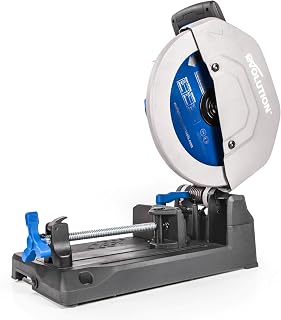


Choosing a cordless metal cutting saw involves more than comparing motor power or the headline cutting capacity. The right saw needs to match the type of metal you cut, the thickness and profile of the material, the frequency of use, the battery platform you already own, and the level of portability you need. A compact cordless saw can be extremely convenient for installation work, fabrication, maintenance and construction, while a heavier-duty model may be preferable for repeated cuts through thicker steel.
For UK buyers, it is also worth considering the availability of compatible batteries, replacement blades, accessories and manufacturer support. A saw that appears inexpensive as a bare tool can become considerably more expensive if you need to purchase batteries, a charger and specialist cutting discs separately. Comparing the complete setup rather than the tool alone gives a more realistic picture of overall value.
A cordless metal cutting saw is a battery-powered cutting tool designed to cut metal using a purpose-designed blade or abrasive cutting system, depending on the model. Unlike a conventional mains-powered saw, it does not require a power cable, making it particularly useful where access to mains electricity is inconvenient or where a workpiece needs to be cut away from a fixed workshop.
Different cordless metal-cutting saws use different cutting mechanisms. Cold-cutting models generally use toothed metal-cutting blades and are designed to remove material efficiently while limiting heat generation compared with abrasive cutting. Other machines use abrasive discs and are suited to applications where a high-speed cutting action is required. These technologies should not be treated as interchangeable because they have different blade requirements, cutting characteristics, noise profiles and approaches to managing sparks and heat.
One of the most important decisions is whether a cold-cutting metal saw or an abrasive cutting tool is better suited to your work. Cold-cutting saws commonly use specialised carbide-tipped or metal-cutting toothed blades. They can produce fast, relatively clean cuts and may generate less heat at the workpiece than abrasive methods when used correctly.
Abrasive cutting systems remove metal using a high-speed abrasive disc. They can be effective for cutting steel sections, rods, pipes and other metal stock, but they typically produce sparks and substantial heat. The resulting cut and consumable requirements are different from those of a toothed metal-cutting saw.
Specifications can look impressive on a product listing, but individual figures should always be considered in context. The most useful comparison is between the features that directly affect your intended cutting work.
Motor performance affects how effectively the saw maintains cutting speed under load. For occasional light-duty work, maximum power may be less important than low weight and convenient handling. For repeated fabrication or installation work, maintaining performance during sustained cutting can become more important.
Do not assume that a higher stated voltage automatically means that one cordless metal saw will outperform every lower-voltage alternative. Motor design, electronic control, blade design, gearing, battery characteristics and the intended application all influence real-world performance.
Blade diameter is closely related to the maximum cutting capacity of the saw, but it should never be used as the only specification. The actual capacity can vary according to the shape and orientation of the workpiece.
A saw may have different maximum capacities for round stock, square or rectangular sections, flat bar and other profiles. Before buying, check the manufacturer's stated capacity for the particular material and cutting configuration you expect to use.
Rotational speed affects the cutting behaviour of a metal saw, but faster is not automatically better. Metal-cutting blades are designed around particular operating conditions, and the correct blade speed depends on the blade construction and material being cut.
Electronic speed management can help maintain consistent operation under varying loads. Some cordless tools also incorporate electronic protection systems intended to reduce the likelihood of overload, overheating or excessive battery stress. These features can be useful for demanding applications, although they do not remove the need to select the correct blade and use the tool within its specified limits.
Battery platform compatibility can be one of the most important purchasing considerations for cordless power tools. If you already own compatible batteries from a major platform, a bare tool can sometimes make more financial sense than starting a completely new battery system.
For buyers starting from scratch, compare the complete cost of the tool, batteries and charger. Also consider whether the battery platform offers other tools that could be useful in the future. Established ranges from manufacturers such as Makita, DeWalt, Milwaukee, Bosch Professional and HiKOKI include numerous cordless power tools, although compatibility is normally limited to the manufacturer's relevant battery family and should always be checked before purchase.
Battery capacity influences how long a cordless saw can operate between charges. Higher-capacity batteries can provide more energy, but they can also add weight and affect balance.
For short installation tasks, a smaller battery may provide a more comfortable setup. For repeated cutting away from a charger, a higher-capacity battery or additional compatible batteries may be more practical. The ideal choice therefore depends on whether portability or runtime is the bigger priority.
Weight matters particularly when cuts are performed away from a workbench or when the tool must be carried around a construction site. A powerful saw that is difficult to control can be less useful than a slightly lighter model that can be positioned accurately.
Look at the complete operating weight rather than only the advertised bare-tool weight. Battery size, blade or disc, guard and other installed components can significantly alter how the tool feels during use.
The cutting blade is a critical part of the system. Buying an expensive saw and pairing it with an unsuitable or poor-quality blade can compromise cutting performance and may increase wear or safety risks.
Metal-cutting blades are available for different applications and materials. Tooth geometry, tooth count, blade construction and intended material all influence performance. A blade intended for structural steel should not automatically be assumed to be the correct choice for stainless steel or non-ferrous metals.
Mild steel is a common material in fabrication, construction and general workshop applications. A suitable metal-cutting blade can provide efficient cutting through steel tube, angle, box section, flat bar and other profiles, provided the saw's capacity is appropriate.
Stainless steel can be more demanding because it has different cutting characteristics from ordinary mild steel. Blade selection becomes particularly important, and excessive heat or inappropriate cutting conditions can affect both the consumable and the workpiece.
Aluminium is softer and behaves differently from ferrous metals. The correct blade must be specifically appropriate for aluminium or the relevant non-ferrous application. Do not select a blade solely because its packaging mentions metal cutting.
Pipe and hollow section present a different cutting load from solid stock. The saw must accommodate the external dimensions and wall thickness of the material. For repeated fabrication work, a model with a suitable clamping arrangement can make positioning and repeatability easier.
Metal should be properly supported before cutting. A good clamp or vice arrangement keeps the workpiece stable and reduces unwanted movement as the blade engages the material.
When comparing saw designs, consider how easily the supplied or integrated clamping mechanism can accommodate the sizes and profiles you normally cut. A useful clamp should make it straightforward to position the material securely without interfering with the cutting path.
Some metal-cutting saws allow the workpiece or cutting assembly to be positioned for angled cuts. This can be valuable for fabrication, frame construction, pipework and other applications where accurate mitre cuts are required.
Before buying, check the available angle range and how the adjustment mechanism works. A wide angle range is useful only if the adjustment can be made securely and accurately. Look for clear scales, positive stops or other mechanisms that make repeatable positioning straightforward where the manufacturer provides them.
Metal cutting can produce hot particles, chips and, depending on the cutting technology, sparks. The way a cordless saw manages these by-products is an important practical consideration.
A cold-cutting saw can produce metal chips rather than the characteristic stream of sparks associated with abrasive cutting. Chips can still be sharp and hot, so appropriate protective equipment and a suitable work environment remain important.
When using an abrasive cutting system, spark direction should be considered before starting the cut. Keep combustible materials away from the work area and make sure other people are not positioned where sparks or hot fragments could reach them.
Safety features should be evaluated alongside performance rather than treated as optional extras. A metal-cutting saw should be used strictly according to its manufacturer's instructions and the requirements of the specific blade or disc.
Appropriate eye protection is particularly important when cutting metal. Depending on the application, additional protective equipment such as hearing protection, suitable gloves, protective footwear and work clothing may also be appropriate. Always follow the manufacturer's safety instructions and applicable workplace requirements.
A cordless metal cutting saw may be used repeatedly throughout a working day, so controls and handling can matter just as much as headline specifications. Consider the position of the main handle, auxiliary handle, trigger, battery and adjustment controls.
Good balance can make it easier to position the cutting mechanism accurately. Battery placement also influences balance, and a large battery mounted at the rear can change how the tool feels compared with a compact battery.
Many modern cordless professional tools use brushless motors. Compared with traditional brushed motor designs, brushless systems can offer advantages in efficiency, electronic control and motor durability, depending on the particular tool.
For frequent users, brushless technology can be attractive because it is common in higher-end cordless tool ranges and works well with electronic management systems. However, the presence of a brushless motor should not automatically determine the purchase. Overall cutting capacity, ergonomics, battery compatibility, blade availability and suitability for the intended workload remain more important.
The best cordless metal cutting saw for a professional fabricator may not be the best choice for a homeowner or occasional DIY user. Workload should influence how much emphasis you place on motor performance, battery capacity, durability, ergonomics and accessory availability.
Occasional users may prioritise affordability, ease of storage, compact dimensions and compatibility with batteries already owned. If metal cutting is infrequent, investing in a large professional system may offer little practical benefit unless the additional capability is genuinely needed.
Tradespeople carrying out repeated installation, fabrication or maintenance work may benefit from a more robust cordless platform with readily available batteries and consumables. Runtime, cutting speed, handling and reliability become increasingly important as the number of cuts increases.
Workshop users should pay particular attention to cutting capacity, repeatability, clamping arrangements, angle adjustment and blade availability. A saw that integrates well with a stable workbench setup can be more useful than a model selected solely for maximum portability.
A useful comparison should start with your actual cutting requirements. Write down the largest material you expect to cut, the most common material type, the approximate number of cuts you make in a typical session and whether the work is performed mainly in a workshop or at different locations.
Cordless metal cutting saws are commonly sold as bare tools or complete kits. A bare tool can be attractive when you already have batteries and a charger from the same compatible platform. It avoids paying for duplicate batteries that may not be necessary.
A complete kit can make more sense for someone entering a new battery ecosystem. However, compare the included battery capacity rather than simply checking whether a battery is included. A kit supplied with a small battery and a kit supplied with a higher-capacity battery may have very different practical value.
Battery compatibility is especially important when building a cordless tool collection. Brands such as DeWalt, Makita, Milwaukee, Bosch Professional and HiKOKI have extensive cordless ranges, but different voltage classes and battery families should never be assumed to be interchangeable.
Before purchasing, identify the exact battery family rather than relying only on the brand name. Check the manufacturer's compatibility information for the specific model number. This is particularly important when buying online because similarly named tools can belong to different generations or battery systems.
Metal cutting can be noisy, and the noise level can vary according to the saw, blade, material and cutting method. For workshop or construction use, consider how the tool will fit into the working environment rather than judging it only by its published specifications.
Hearing protection may be appropriate where noise exposure warrants it. Consider nearby workers, enclosed spaces and the duration of cutting tasks when planning how and where the saw will be used.
Regular care can help keep a cordless metal cutting saw operating correctly. Maintenance requirements vary between manufacturers, so the model's instructions should take priority.
Cut quality depends on the combination of the saw, blade, material support and cutting technique. Even a high-quality tool can produce poor results if the workpiece moves during the cut or the blade is unsuitable.
Start by measuring and marking the material accurately. Secure it firmly, position the saw correctly and allow the cutting system to do the work rather than forcing the blade through the material. Excessive pressure can affect cutting behaviour and place unnecessary load on the tool and consumable.
For repetitive work, consistency becomes particularly important. A stable cutting setup, clearly marked reference points and repeatable clamping position can often make a bigger practical difference than a small difference in headline motor specifications.
A blade does not remain at its original performance level indefinitely. As cutting edges wear, cutting can become slower and the user may be tempted to apply more pressure. That can increase the load on the tool and produce less controlled cutting.
Inspect the blade regularly and follow the manufacturer's replacement guidance. If cutting performance changes noticeably, do not automatically assume that the motor or battery is at fault. Blade condition, material choice, incorrect accessory selection and workpiece support should also be considered.
When comparing products online, read beyond the headline product title. Product listings can vary in how they describe included accessories, battery status and cutting capacity. Check the exact model number and compare the manufacturer's specifications wherever possible.
When researching cordless metal cutting saws, established power-tool manufacturers can provide useful starting points because their product ranges often include compatible batteries, chargers and accessories. Names worth comparing in the UK market include Makita, DeWalt, Milwaukee, Bosch Professional, HiKOKI and other established manufacturers with dedicated cordless platforms.
Brand reputation alone should not determine the purchase. Compare the exact tool model, cutting capacity, battery platform, included accessories, blade compatibility, ergonomics and intended workload. A highly regarded brand can still produce several models aimed at very different applications.
A cordless metal cutting saw can be a strong choice for users who value mobility and already work within a compatible battery ecosystem. It is particularly useful when cuts need to be made away from a convenient mains socket or when transporting an extension lead would be inconvenient.
For a permanent workshop where power is readily available and extremely high cutting volumes are expected, a corded or stationary metal-cutting machine may also be worth considering. The cordless format offers convenience, but convenience should be weighed against battery runtime, charging requirements and the cost of maintaining the battery platform.
Cordless does not automatically mean better. If the majority of your work takes place at a fixed workstation, portability may have limited value. Similarly, users who only make a few occasional metal cuts may find that another existing tool is sufficient for their requirements.
The best purchase is the one that matches the workload. Consider a cordless metal saw when freedom from a mains cable is genuinely useful, rather than selecting one simply because cordless tools are convenient.
There is no single model that is best for every UK buyer. The right choice depends on the material, maximum cutting dimensions, cutting frequency, preferred cutting system, battery platform and budget. Compare these factors before choosing between models.
Many cordless models are designed specifically for metal-cutting applications, including steel. However, suitability depends on the exact tool, blade, material thickness and manufacturer's specified capacity. Always compare the published specifications with the steel sections you intend to cut.
Some models and blades are suitable for stainless steel, but the accessory must be appropriate for the material. Do not assume that a general-purpose metal-cutting blade is suitable for every grade or type of stainless steel.
Some systems can cut aluminium when fitted with a blade specifically designed and approved for the application. Check the manufacturer's instructions and blade requirements before cutting non-ferrous metals.
A brushless motor can provide advantages in efficiency, electronic control and motor design, but it is only one consideration. Cutting capacity, blade compatibility, battery system, ergonomics and intended workload should also influence the decision.
Yes. Metal-cutting saws require blades or discs appropriate for the particular cutting system and material. Always check diameter, bore, maximum speed and material compatibility before purchasing replacement consumables.
Choose a bare tool if you already have compatible batteries and a charger. A kit may be more convenient if you are starting a new cordless platform. Compare the battery capacity and included accessories rather than judging the kit only by its advertised price.
Battery capacity affects available runtime, although actual runtime varies with material, blade, cutting conditions and workload. Larger batteries can provide more energy but may also add weight. Choose according to the balance between runtime and portability that suits your work.
No. Voltage is only one part of the specification. Motor design, electronics, blade technology, gearing, battery capacity and cutting requirements all affect how suitable a tool is for a particular application.
Check the blade diameter, arbor or bore, maximum permitted speed, tooth configuration and intended material. Most importantly, confirm that the blade is approved or specified for your exact saw and application.
Do not assume that a metal-cutting saw can safely be converted for wood cutting. Use only accessories and applications permitted by the manufacturer. The cutting speed, guard arrangement and accessory design may differ significantly between applications.
There is no universal replacement interval because blade life depends on the blade type, material, cutting frequency, technique and operating conditions. Inspect the blade and follow the manufacturer's guidance rather than replacing it according to an arbitrary schedule.
A useful independent buying guide should look beyond star ratings and headline specifications. Customer feedback can provide insight into everyday usability, but specifications are needed to establish whether a particular model actually matches the intended application.
For a meaningful comparison, consider cutting performance, capacity, battery compatibility, blade availability, handling, clamping, portability, safety features and overall ownership requirements. Product specifications and current retailer information should be checked before purchase because models, kit configurations and pricing can change during 2026.
The strongest choice is not necessarily the most expensive or most powerful saw. It is the model whose capabilities align most closely with the materials you cut, the amount of work you perform and the cordless platform that makes sense for your workshop or job site.
As cordless tool ranges continue to expand, buyers have more choice than ever across compact, professional and heavy-duty metal-cutting systems. The best way to narrow the field is to start with your application rather than a brand or specification.
Make a shortlist of models that meet your required cutting capacity, then compare battery compatibility, blade technology, ergonomics, included accessories and total ownership cost. Check the latest specifications and today's prices before ordering because product configurations and retailer offers can change throughout the year.
Whether you are a DIY user, tradesperson, maintenance worker, installer or workshop professional, taking this approach can help you select a cordless metal cutting saw that provides the right combination of cutting capability, portability and long-term practicality for your work in the United Kingdom.