

♥ Wishlist
Compare 18 verified Blackdecker Chainsaws products in United Kingdom. Reviews, ratings, pros, cons and buying advice updated for October 2026.


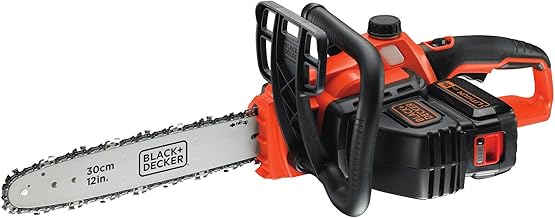


Choosing a BLACK+DECKER chainsaw is less about finding the model with the biggest headline specification and more about matching the saw to the type of cutting you actually expect to do. Garden pruning, cutting fallen branches, processing firewood and tackling thicker timber place very different demands on a chainsaw.
For UK buyers, the choice is also influenced by whether you want cordless convenience, mains-powered operation or a model suited to occasional heavier work. Before comparing individual BLACK+DECKER chainsaws, consider the bar length, power source, battery compatibility, chain speed, safety features, weight, oiling system and the availability of replacement chains and consumables.
BLACK+DECKER is a long-established power-tool brand with a broad range of garden and DIY equipment. Its chainsaw offering is particularly relevant to homeowners who need a saw for routine domestic cutting rather than professional forestry work.
The most important advantage of choosing a chainsaw from an established power-tool ecosystem can be compatibility and familiarity. If you already own compatible BLACK+DECKER battery-powered tools, a cordless chainsaw may be more attractive than buying into an entirely separate battery platform. However, compatibility should always be checked against the exact battery voltage and model requirements rather than assumed from the brand name alone.
A compact domestic chainsaw is not automatically suitable for felling trees, cutting large-diameter hardwood or carrying out sustained professional forestry work. Those applications can require substantially different equipment, training and protective clothing. If your intended work regularly involves large trees or demanding commercial use, compare professional-grade chainsaws from manufacturers such as STIHL, Husqvarna or Makita as part of a wider assessment rather than selecting solely on brand familiarity.
The power source has a major effect on convenience, runtime, maintenance and the situations in which a chainsaw can be used. BLACK+DECKER is particularly relevant to homeowners considering electric and cordless equipment, but each configuration has practical trade-offs.
Cordless chainsaws are attractive for garden work because there is no mains cable to manage while cutting. They can be convenient for moving around a garden, especially when branches are scattered over a larger area.
The main consideration is runtime. Battery capacity, cutting conditions, wood hardness, chain condition and cutting technique can all influence how long a charge lasts. A buyer should therefore distinguish between the battery voltage and the actual battery capacity. Voltage alone does not tell you how much cutting time a battery will provide.
A mains-powered electric chainsaw can be practical when cutting close to a suitable outdoor electrical supply. It avoids the need to manage petrol and can be appropriate for homeowners who expect relatively predictable garden tasks.
The cable is the principal limitation. It restricts movement and introduces an additional safety consideration around the cutting area. The manufacturer's instructions should always be followed regarding extension leads, outdoor electrical equipment and safe operation.
Petrol chainsaws remain important for demanding outdoor work because they are not dependent on a mains cable or battery charge. They can also offer a wider range of equipment for heavier cutting applications.
For occasional domestic users, however, petrol equipment can involve more maintenance and preparation than an electric alternative. Fuel handling, starting, engine maintenance, storage and noise are all factors to consider.
The guide bar determines the length of chain travelling around the cutting assembly and is one of the easiest specifications to misunderstand. A longer bar does not automatically mean a better chainsaw.
A compact bar can make a saw easier to control and can be well suited to smaller branches. A longer bar can provide additional cutting capacity, but it may also add weight and change the handling characteristics of the machine.
Never select a replacement bar simply because it physically fits. The bar, chain, drive links, pitch, gauge and sprocket arrangement need to be compatible with the chainsaw. Use the manufacturer's specified replacement components wherever possible.
Cutting performance cannot be judged from one specification. A chainsaw's motor or battery system, chain speed, chain sharpness, bar length, chain pitch and the condition of the timber all interact.
A high chain speed can contribute to fast cutting, but only when the rest of the system is appropriately matched. A blunt chain can make even a capable saw feel underpowered. Likewise, forcing a compact chainsaw through material beyond its intended capacity can increase strain and reduce cutting efficiency.
The chain is the actual cutting component, so its condition has a direct effect on performance. A correctly sharpened chain should remove material efficiently rather than requiring excessive pressure from the operator.
Signs that a chain may need attention can include slower cutting, excessive effort, unusual vibration or the production of fine sawdust rather than larger chips during appropriate cutting conditions. A damaged or improperly sharpened chain should not simply be used until it fails. Inspect it and follow the manufacturer's maintenance and replacement guidance.
Chain lubrication is essential because the chain and guide bar operate under considerable friction. Many modern electric chainsaws use an automatic oiling system to deliver chain oil during operation.
Before buying, check the oil reservoir design and whether the model provides a practical way to monitor the oil level. Also check the manufacturer's specification for the correct chain lubricant. Do not assume that any household oil is an acceptable substitute.
Chainsaw safety should be treated as a purchasing priority rather than an optional extra. A suitable model should incorporate the safety mechanisms specified by its manufacturer, and the operator should understand how they work before using the machine.
A chain brake is a critical safety mechanism designed to stop chain movement under specified circumstances. Learn its operating procedure before using the chainsaw and understand when it should be engaged.
The front hand guard is associated with protection and chain-brake operation on many chainsaw designs. It should remain correctly positioned and must not be removed or modified.
Electric chainsaws commonly incorporate controls intended to reduce the likelihood of accidental activation. Familiarise yourself with the correct starting procedure and never bypass a safety switch or lock-off mechanism.
Kickback is one of the major hazards associated with chainsaw use. Chain design, bar design and operating technique all influence the risk. Buyers should look for the safety information and chain specifications provided for the exact model rather than assuming that a particular bar length eliminates kickback risk.
Kickback can occur when the moving chain contacts material in a particular area near the upper portion of the guide-bar nose. The saw can react rapidly towards the operator, making correct technique and protective equipment essential.
Good purchasing decisions should therefore consider handling as well as raw cutting capacity. A lighter saw that the operator can control confidently may be preferable to a larger machine that is unnecessarily difficult to handle for routine garden work.
Chainsaw weight can have a significant effect on comfort and control. The published weight should be checked carefully to determine whether it refers to the bare machine, the machine with battery, or another configuration.
For cordless models, the position and weight of the battery can also influence balance. A well-balanced chainsaw can feel easier to control than a heavier or poorly balanced alternative even when the difference in published weight is relatively small.
Correct chain tension is fundamental to safe and efficient chainsaw operation. Too much slack can allow the chain to behave incorrectly, while excessive tension can place unnecessary stress on components.
Different BLACK+DECKER chainsaw models may use different tensioning arrangements, so prospective buyers should inspect the exact design rather than assuming all models operate identically. Tool-free adjustment can be convenient for domestic users, but convenience should never replace checking the manufacturer's specified tension procedure.
One of the easiest mistakes when shopping for cordless garden tools is assuming that every battery carrying the same brand name will fit every machine. Battery platforms can differ by voltage, generation, connector design and intended tool range.
If you already own BLACK+DECKER cordless tools, identify the exact battery model and voltage before choosing a chainsaw. Check the chainsaw's stated compatibility rather than relying on photographs, retailer descriptions or assumptions based on appearance.
For buyers starting from scratch, a kit containing the required battery and charger can be simpler because the machine can be used without sourcing compatible accessories separately.
A bare-tool package can make more sense when you already have the exact compatible battery and charger. However, compare the complete cost rather than assuming the bare tool is automatically the better value.
A brand comparison should focus on the job rather than treating one manufacturer as universally superior. BLACK+DECKER can be particularly relevant for domestic DIY and garden users, while other brands have different strengths and product ranges.
Bosch offers a substantial range of domestic power and garden equipment. When comparing a Bosch and BLACK+DECKER cordless chainsaw, pay particular attention to the battery ecosystem you already own, the exact cutting specifications and the availability of replacement consumables.
Makita has a broad cordless tool ecosystem and a substantial presence in professional and enthusiast equipment. A Makita chainsaw may be worth considering if you already use compatible Makita batteries. Compare the individual model specifications rather than selecting solely on brand reputation.
STIHL is strongly associated with chainsaws and forestry equipment across a wide range of applications. For demanding cutting work, its broader selection of specialist equipment can make it an important comparison. For occasional household work, however, a compact electric saw may better match the user's needs.
Husqvarna has extensive experience across chainsaws, forestry equipment and outdoor power products. Buyers considering larger or more demanding chainsaws should compare Husqvarna models with alternatives based on intended workload, power source, bar length, maintenance requirements and operator experience.
Customer reviews can provide useful information, but the most valuable reviews are those that explain how and where the product was used. A review from someone pruning small garden branches is not directly comparable with a review from someone processing substantial hardwood logs.
When evaluating reviews, look for recurring comments about handling, battery runtime, chain adjustment, oiling, ease of assembly, maintenance and suitability for the stated application.
Do not give excessive weight to isolated comments about performance. A dissatisfied review may reflect an inappropriate application, incorrect chain tension, an improperly sharpened chain or expectations that exceed the manufacturer's intended use.
More bar length is not automatically better. Choose a bar appropriate to the material and application rather than selecting the largest option.
A cordless chainsaw's real purchase requirement may include the machine, battery and charger. Always compare the complete configuration.
Battery voltage is useful for identifying a platform, but it does not by itself determine runtime or real-world cutting performance.
Chains are wear components. Before purchasing, identify the correct replacement chain specification and investigate whether suitable replacement parts are readily obtainable in the UK.
Electric does not automatically mean lightweight pruning saw. Check the exact design and intended application of the model.
The purchase decision should include the cost and availability of appropriate chainsaw protective equipment, not just the saw itself.
Chainsaw work presents risks from the moving chain, flying debris, noise and falling or moving timber. Appropriate protective equipment should be selected for the work being undertaken and used in accordance with relevant safety guidance and the manufacturer's instructions.
For tree work, working at height or professional chainsaw operations, additional training, equipment and procedures may be necessary. A domestic chainsaw should never be treated as a substitute for competent tree-care practice.
Regular maintenance can help preserve safe operation and cutting performance. Always disconnect the power source or remove the battery before carrying out maintenance procedures where the manufacturer's instructions require it.
Storage should protect both the chainsaw and its battery from unnecessary environmental exposure. Clean the machine after appropriate use, protect the chain and guide bar as directed, and store the battery according to the manufacturer's recommendations.
Keep the chainsaw away from children and unauthorised users. Batteries should be stored and charged using the procedures specified for the particular battery system rather than following generic advice intended for a different platform.
If your primary purpose is preparing firewood, consider the diameter and quantity of timber rather than simply searching for the highest-rated chainsaw. Occasional cutting of already manageable logs is a different requirement from processing large quantities of substantial hardwood.
For occasional domestic firewood preparation, an appropriately sized electric chainsaw may provide a convenient solution. If you routinely process large volumes of timber, compare heavier-duty equipment and make sure your chosen machine is specifically suitable for the work.
For pruning tasks, manoeuvrability and control can be more important than maximum cutting capacity. A compact saw may be easier to handle when working with suitable branches at ground level, while specialist pole saws may be more appropriate for certain elevated branches.
Do not use a standard chainsaw from a ladder or improvise an elevated cutting setup. Working at height with chainsaw equipment can introduce significant additional hazards and should be approached using appropriate professional methods.
Rather than choosing the first model described as “top rated”, use a consistent comparison process. Product rankings and customer ratings can change over time, while individual users may have very different requirements.
A useful comparison table should contain more than price and star rating. The following specifications can provide a more meaningful picture of how different BLACK+DECKER chainsaws differ.
Price is important, but a low initial cost can become less attractive if the saw requires additional batteries, specialist accessories or replacement components that are difficult to source.
When comparing current UK offers, consider the total configuration: chainsaw, battery, charger, compatible replacement chain, chain oil and appropriate protective equipment. Retailer pricing can change, so check the current product specification and final price before purchasing.
Independent comparison sites can help identify specifications and differences between models, while established UK retailers can provide current availability and pricing. Manufacturer documentation is particularly important for confirming technical compatibility, operating limitations and replacement-part specifications.
For an affiliate buying guide, readers should verify the exact model number, included accessories, current retailer information, delivery details, warranty terms and return conditions directly with the retailer before completing a purchase.
A relatively compact electric chainsaw may be easier for a homeowner to approach than a large petrol machine, but that does not make chainsaw operation inherently simple or risk-free.
New users should read the complete operating instructions, understand the safety controls, use appropriate protective equipment and practise only within the machine's intended application. If you are unfamiliar with chainsaw operation, formal practical training is preferable to learning solely from online videos or written instructions.
UK users should consider the environment in which the saw will be operated. Wet weather, unstable ground, nearby people, overhead branches, electrical hazards and unexpected movement of timber can all change the risk profile of a job.
Tree work can also involve issues beyond the chainsaw itself, including protected trees, property boundaries and professional responsibilities. If a job involves significant tree removal, work at height or uncertain legal or safety requirements, obtain appropriate professional advice before starting.
There is no single best model for every UK buyer. The right choice depends on the material being cut, expected workload, desired bar length, power source, battery requirements, handling characteristics and budget. Compare the exact specifications of the models available at the time you purchase rather than relying only on an overall ranking.
A suitable cordless model can be convenient for domestic garden cutting because it avoids the need for a mains cable. Its suitability depends on the exact model and the size and type of material being cut. Check the manufacturer's intended application before use.
Some models can be suitable for appropriate firewood preparation within their specified cutting capacity. The diameter, species and quantity of timber matter, so choose a machine according to the manufacturer's stated capabilities rather than assuming every chainsaw is suitable for heavy firewood processing.
Runtime varies according to the battery capacity, chainsaw model, timber, chain condition, cutting technique and workload. A published battery specification should therefore be treated as part of the comparison rather than as a guaranteed number of minutes of cutting.
Chainsaws generally require appropriate lubrication for the cutting chain and guide bar. Check the exact BLACK+DECKER model instructions for the specified lubricant and lubrication procedure.
There is no universal time interval because sharpening frequency depends on usage and cutting conditions. Inspect the chain regularly and follow the manufacturer's sharpening and replacement guidance. A chain that becomes damaged should be dealt with immediately rather than continuing to use it.
Many chainsaws are designed to allow the user to remove and replace the chain, but the procedure varies by model. Use the exact replacement specification and follow the manufacturer's instructions for fitting and tensioning.
Not necessarily. A longer bar can increase potential cutting capacity but can also affect weight and handling. Select the bar length appropriate for the material and application instead of choosing the longest available option.
If you already own the exact compatible battery and charger, a bare tool may be convenient. If you do not have the required battery system, a complete kit may be more practical. Always confirm compatibility before purchasing.
Suitability depends on the specific chainsaw and the job. Tree felling is substantially more demanding and hazardous than routine garden cutting. Large trees, difficult positions, overhead hazards and work near buildings or public areas should be handled by appropriately trained professionals using suitable equipment and procedures.
Prioritise reviews that describe the actual application, material size, frequency of use and operating conditions. Recurring comments about battery runtime, handling, chain adjustment, maintenance and build quality are generally more informative than isolated comments based only on first impressions.
Before purchasing one of the top-rated BLACK+DECKER chainsaws featured in a UK comparison, confirm the exact model number and compare its complete specifications with your intended work. A good buying decision should balance cutting capability, handling, safety, battery requirements, maintenance and long-term consumable availability.
The most useful chainsaw comparison is one that helps readers understand why a particular model may suit one application better than another. Ratings, specifications and customer feedback should therefore be considered alongside practical factors such as power source, cutting capacity, handling, battery compatibility, maintenance requirements and replacement-part availability.
Product details, retailer pricing, package contents and customer ratings can change. Before purchasing, verify the current specification and the exact contents of the selected offer. This is especially important when comparing cordless chainsaws, where a similar-looking listing may contain the tool only, a battery kit or a different battery capacity.
For UK homeowners, the best choice is ultimately the chainsaw that provides an appropriate level of cutting capacity without being unnecessarily large or difficult to control. Match the tool to the job, prioritise safe operation, and compare the complete ownership requirements before making a final decision.