

♥ Wishlist
Compare 31 verified Bosch Angle Grinders for Cutting, Grinding & Metalwork products in United Kingdom. Reviews, ratings, pros, cons and buying advice updated for October 2026.


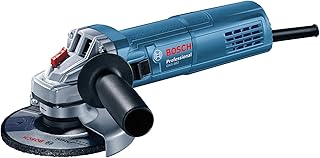


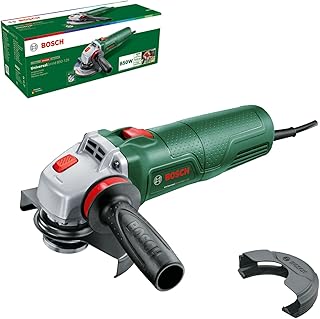


Choosing the right Bosch angle grinder is less about finding the most powerful model and more about matching the grinder's disc size, power source, motor characteristics, speed control, handling and intended workload to the jobs you actually perform. A compact grinder can be easier to control for occasional DIY work, while a larger machine may be more appropriate for demanding cutting and grinding applications.
For UK buyers, it is also worth considering whether a corded or cordless grinder makes more sense, which disc diameter is appropriate, what accessories are compatible, and whether the model is intended for occasional household use or frequent workshop and trade applications. Bosch offers angle grinders across different performance categories, including compact DIY-oriented tools and professional-focused machines under the Bosch Professional range.
The best choice should therefore be based on the complete specification rather than motor wattage alone. A grinder with a sensible combination of power, ergonomics, safety features and accessory compatibility can be more useful than a higher-powered model that is unnecessarily heavy or difficult to control.
One of the first decisions is understanding the difference between Bosch's consumer-oriented tools and its Bosch Professional range. The two ranges serve different types of users and workloads, so comparing only the Bosch name can be misleading.
Bosch's green DIY range is generally aimed at homeowners, hobbyists and users who need power tools for occasional maintenance, renovation and workshop projects. For light cutting, surface preparation, rust removal and general DIY grinding, a compact model can provide a practical balance between capability and ease of handling.
If the grinder will only be used occasionally, buying a substantially heavier professional machine may not provide meaningful advantages. The smaller and easier-to-handle option may be more convenient, particularly for short jobs where precise control matters.
Bosch Professional grinders are designed around more demanding working conditions and are particularly relevant to tradespeople, workshops and experienced DIY users who regularly work with metal, masonry or other abrasive materials. Depending on the model, the range can include corded and battery-powered machines, compact grinders and larger machines designed for heavier applications.
Professional models can justify their additional cost when the tool is expected to work frequently, operate for longer periods or withstand more intensive use. However, specifications should still be compared individually because not every professional model is designed for exactly the same application.
When comparing the best Bosch angle grinders in the UK, focus on the specifications that directly affect cutting ability, grinding performance, control and usability.
Disc diameter is one of the most important specifications. Common angle grinder sizes include approximately 115 mm, 125 mm and 230 mm, although availability varies by model and market.
A compact 115 mm or 125 mm grinder is usually easier to handle and can be well suited to general DIY, metal cutting, deburring, surface preparation and smaller grinding tasks. A 230 mm grinder provides a substantially larger cutting depth and is more appropriate for applications where deeper cuts are required.
Do not assume that a larger disc automatically makes a grinder better. The larger machine can also be heavier, less convenient in confined spaces and more demanding to control. Choose the disc size around the material thickness and type of work you expect to perform.
Corded Bosch angle grinders are commonly specified by electrical input power, expressed in watts. Higher wattage can indicate greater potential under load, but wattage should never be used as the only measure of performance.
A grinder's real-world usefulness depends on the motor design, gearing, electronics, disc diameter, operating conditions and the type of abrasive accessory being used. For occasional work, a compact grinder with moderate power may be sufficient. For demanding grinding and prolonged material removal, a more powerful machine can be preferable.
No-load speed describes how quickly the spindle rotates when the grinder is running without a cutting or grinding load. Angle grinders can operate at very high rotational speeds, which is why choosing the correct accessory and observing its maximum rated speed is essential.
A higher no-load speed is not automatically better. Different accessories and applications require different operating speeds, and some tasks benefit from variable-speed control rather than maximum rotational speed.
Variable-speed grinders provide additional control over the operating speed. This can be useful when working with accessories or materials that benefit from a lower speed, especially polishing, finishing or particular surface-preparation applications.
If the grinder will primarily be used for conventional cutting and grinding, a fixed-speed model may be perfectly adequate. If you expect to use a broader range of accessories, variable-speed functionality can make the tool more versatile.
Check the spindle arrangement and accessory specifications before purchasing. The disc diameter alone does not tell you whether every accessory will fit a particular grinder.
Pay attention to the maximum accessory diameter, bore size, spindle thread and the manufacturer's instructions. Cutting discs, grinding discs, flap discs, wire brushes and other accessories are designed for specific applications and operating limits.
The choice between a mains-powered and battery-powered Bosch angle grinder can have a greater impact on day-to-day usability than a small difference in motor specification.
The cordless option is not automatically the better choice. Battery capacity, charger availability, additional battery cost and expected runtime should all be considered. If you already own compatible Bosch Professional batteries, a bare-tool grinder can be a particularly different proposition from buying into a battery platform from scratch.
For many general-purpose users, a compact grinder with a 115 mm or 125 mm disc can provide a useful combination of accessibility and control. These sizes are commonly considered for general metalwork, cutting smaller metal sections, removing rust, grinding welds and preparing surfaces.
A 230 mm grinder is a different category of tool. Its larger disc can reach considerably deeper into material, making it relevant to applications involving larger sections or deeper cuts. The trade-off is increased size and weight, so it should not be selected simply because the disc is larger.
Always select discs specifically rated for the grinder and application. Never install an accessory whose maximum permitted speed, size or mounting specification is incompatible with the grinder.
Angle grinders are high-speed power tools capable of removing material very quickly. Safety should therefore be part of the buying decision rather than an afterthought.
A correctly fitted guard is a fundamental component of an angle grinder. It helps provide protection from fragments and directs the exposure of the rotating accessory away from the operator. The guard must be correctly positioned for the intended accessory and application.
Restart protection is designed to reduce the risk of the grinder unexpectedly starting after an interruption to its power supply. This can be particularly useful if the tool is left switched on when mains power is interrupted and subsequently restored.
Some Bosch Professional grinders incorporate electronic protection systems designed to help reduce the consequences of sudden accessory binding or related overload conditions. The exact functionality varies by model, so buyers should check the individual specification rather than assuming every Bosch grinder has identical electronic protection.
Soft-start functionality can make a grinder easier to control when switching it on by allowing the motor to accelerate progressively rather than immediately reaching operating speed. This can be particularly useful on larger or more powerful machines.
Where provided, electronic overload protection can help protect the motor and electronics when the grinder encounters excessive load. It is useful for demanding applications, although it does not replace correct technique, appropriate accessories or sensible operating pressure.
Angle grinders can produce significant vibration and require a firm two-handed grip for many operations. Consequently, physical design can make a substantial difference to usability.
Look at the overall weight, body shape, auxiliary handle positions, switch arrangement and grip surfaces. A compact grinder may be preferable when working overhead, inside restricted spaces or on smaller components. A heavier machine can be advantageous for certain demanding applications but may become tiring during extended use.
The position of the side handle is particularly important. Being able to place it in an appropriate position for the job can improve control and reduce awkward wrist and shoulder positions.
An angle grinder should be controllable throughout the operation, not merely powerful enough to perform the cut. The auxiliary handle provides another point of control and can make a noticeable difference when applying pressure or managing the movement of the grinder.
Before choosing a model, consider whether the handle can be mounted in positions that suit both left- and right-handed operation and the particular direction of work. Also consider how easy the handle is to adjust when switching between applications.
An angle grinder is a platform for different accessories rather than a single-purpose cutting machine. The correct accessory can change the tool's function significantly.
Cutting discs are designed for making cuts rather than removing large amounts of material through sideways grinding. Use the correct type of cutting disc for the material and follow the disc manufacturer's instructions.
Grinding discs are designed for material removal and grinding operations. They are useful for applications such as shaping metal and removing excess material, but they should be used only in accordance with their intended application and rated specifications.
Flap discs combine abrasive material with a layered construction and are commonly used for blending, finishing and controlled material removal. They can be useful when the job requires a smoother finish than conventional grinding alone provides.
Wire brush accessories can be used for certain cleaning and surface-preparation tasks, such as removing loose rust, paint or contamination from suitable surfaces. They can shed wires during use, making eye and appropriate protective equipment especially important.
Diamond cutting and grinding accessories can be appropriate for certain masonry, stone and construction materials. The accessory must be specifically intended for the material and grinder, and dry or wet use requirements must be followed exactly.
A useful comparison should consider several specifications together rather than focusing on one headline feature. Start by identifying the jobs you expect to perform, then narrow the options according to disc size, power source and operating requirements.
Bosch has a broad range of power tools, making its angle grinders relevant to both household users and professionals. For DIY buyers, the most important consideration is selecting a model appropriate to the scale and frequency of the work.
Tasks such as cutting suitable metal sections, removing rust, cleaning surfaces, grinding welds and carrying out renovation work can all call for an angle grinder. However, the grinder should be treated as a specialist high-speed cutting and grinding tool rather than as a general-purpose handheld appliance.
For occasional DIY users, a compact grinder can often be easier to control and store. For users who regularly work with metal, masonry or construction materials, a Bosch Professional model may provide a more appropriate combination of durability, power and protection features.
The Bosch Professional range becomes particularly relevant when an angle grinder is expected to perform regularly rather than occasionally. Frequent users can benefit from paying closer attention to motor performance, switch design, electronic protection, vibration characteristics, serviceability and battery-platform compatibility.
Trade users should also consider how the grinder fits into their existing tool ecosystem. A cordless machine that shares batteries with other Bosch Professional tools may be more practical than introducing a completely different battery platform.
When comparing cordless models, do not evaluate the grinder without considering the battery system. Runtime depends on the battery, workload, material, accessory and operating conditions.
Higher-capacity batteries can provide longer working periods but may also add weight. A smaller battery may make a compact grinder easier to handle for short tasks. If you already own compatible Bosch Professional batteries, check the exact battery platform and compatibility before buying a bare tool.
It is also sensible to consider whether the intended workload requires one battery or multiple batteries. For occasional use, a single compatible battery may be sufficient. For continuous trade work, additional batteries and appropriate charging arrangements may be much more important.
Angle grinders are inherently noisy and can generate substantial vibration, particularly when used with abrasive accessories. Buyers should not interpret a grinder's compact size as meaning that it can be operated without appropriate protective equipment.
For regular use, pay attention to handle design, vibration characteristics and how naturally the grinder sits in the hands. Good ergonomics can reduce fatigue and help maintain consistent control.
Hearing protection, suitable eye protection, appropriate gloves where justified by the task, suitable clothing and other task-specific protective equipment should be selected according to the material, accessory and working environment.
One of the most important purchasing and safety considerations is accessory selection. A high-quality grinder cannot compensate for an inappropriate or incorrectly rated disc.
Before fitting an accessory, check its diameter, bore, maximum permitted rotational speed and intended application. Inspect discs for damage before use and replace accessories that are cracked, excessively worn or otherwise unsuitable.
Never assume that a disc designed for one application is suitable for another simply because it physically fits the grinder. Cutting and grinding accessories have different designs and operating requirements.
Regular care can help keep an angle grinder in suitable working condition and can also make problems easier to identify before they become serious.
Cutting performance is affected by more than motor power. The disc type, disc condition, material thickness, cutting technique and pressure applied all have an influence.
Allow the abrasive accessory to perform the cutting rather than forcing the grinder through the material. Excessive pressure can increase heat, slow the operation and place unnecessary stress on the tool and accessory.
Use a disc specifically intended for the material being cut, keep the grinder stable and maintain a controlled movement. The manufacturer's instructions should take priority over generic cutting techniques.
Grinding requires a different approach from cutting. The accessory should be selected for material removal and used in accordance with its specified operating position and angle.
Avoid treating a cutting disc as a general grinding wheel. Cutting discs are designed primarily for cutting and should not be subjected to inappropriate sideways loading. Conversely, grinding accessories are designed for material removal and have their own operating requirements.
Online product listings can contain different configurations of the same or similar tool. Before making a purchase, compare the complete model designation rather than relying on a product photograph or a short title.
A common source of confusion when comparing cordless angle grinders is the difference between a bare tool and a complete kit. A bare tool may include the grinder and basic accessories but exclude the battery and charger.
If you already have compatible Bosch Professional batteries, a bare tool can potentially be a practical way to expand an existing collection. If you do not own compatible batteries, calculate the complete system cost before comparing the grinder with a corded alternative or a kit containing the necessary battery and charger.
Bosch is not the only established power-tool manufacturer worth considering. Depending on your application, it can be sensible to compare Bosch with brands such as Makita, DeWalt, Milwaukee, Metabo and HiKOKI.
The right alternative depends on the battery platform you already use, the availability of compatible accessories, the required disc size, ergonomics and the level of protection and performance offered by the specific model. Brand reputation alone should not replace model-by-model comparison.
Bosch and Makita both offer compact and professional-oriented angle grinders. When comparing them, look beyond brand recognition and evaluate the individual tool's disc size, power source, weight, speed, controls, battery compatibility and protection features.
For cordless users, the existing battery ecosystem can be especially important. Someone already invested in one manufacturer's compatible batteries may have a practical reason to remain within that platform.
DeWalt is another major option for buyers looking at professional cordless power tools. A Bosch Professional grinder may be the more logical choice for users already using compatible Bosch Professional batteries, while DeWalt can be attractive to users committed to its battery platform.
The comparison should ultimately be based on the specific models being considered, because disc size, motor output, ergonomics and protection systems can differ considerably within each manufacturer's range.
Milwaukee's cordless power-tool ecosystem gives it particular relevance to professional users who prioritise battery-powered mobility. Bosch Professional offers its own extensive professional tool ecosystem, so the most sensible option often depends on which compatible platform best fits the user's existing tools.
For a single angle grinder purchase, compare the complete ownership cost rather than choosing a brand solely because of its broader cordless range.
Customer feedback can provide useful information about everyday ownership, but reviews should be read in context. A grinder receiving praise from an occasional DIY user may not necessarily be the right choice for a professional who uses the tool every day.
Look for recurring comments about handling, switch operation, battery life where applicable, vibration, durability, accessory compatibility and ease of use. Give more weight to reviews that explain the type of work performed and the circumstances in which the tool was used.
Also distinguish between reviews of the exact model and reviews that have been combined across several variants. Similar-looking Bosch products can have significantly different specifications.
The cheapest Bosch angle grinder is not necessarily the best-value option, and the most expensive model is not automatically the best choice. Value depends on how effectively the tool meets the intended workload.
For occasional users, paying more for professional features that will rarely be used may provide limited benefit. For frequent users, spending more on a better-suited machine can be justified if it improves handling, productivity, durability or compatibility with an existing battery system.
Remember to include accessories and, for cordless models, batteries and chargers when calculating the overall cost. Checking current prices from reputable UK retailers is also important because promotional pricing and bundle contents can change.
Store the grinder where it will be protected from excessive moisture, dust and accidental impact. Keep abrasive discs in suitable conditions and handle them according to the accessory manufacturer's storage guidance.
Keeping frequently used discs and accessories organised can also make it easier to select the correct accessory for each job. Avoid storing damaged or questionable abrasive accessories for future use.
The best model depends on the type and frequency of DIY work. A compact Bosch grinder can be a sensible choice for occasional cutting, grinding and surface preparation, while a Bosch Professional model may be more appropriate for frequent or demanding applications. Compare disc size, weight, power and protection features before choosing.
A 125 mm grinder can be a versatile size for many household and workshop applications. It is generally more compact than a large 230 mm grinder while supporting a broad range of suitable accessories. Whether it is appropriate depends on the material and cutting depth required.
Not necessarily. A 230 mm grinder can provide greater cutting depth, but it is also larger and heavier. A 125 mm model can be more convenient for smaller jobs and restricted spaces. Choose the size based on the work rather than assuming that larger means better.
Choose corded if continuous mains-powered operation is your priority. Choose cordless if mobility and freedom from a power cable are more important. For Bosch Professional users, existing compatible batteries can make the cordless option particularly convenient.
They can be worthwhile for users who regularly perform demanding work or need professional-oriented features and compatibility. For occasional DIY tasks, a less expensive compact model may provide sufficient capability.
Many angle grinders can be used for both cutting and grinding when fitted with the correct accessories. However, cutting and grinding discs are designed for different purposes, so the accessory must always be selected and used according to its rating and intended application.
No. Diameter is only one compatibility requirement. Check the accessory's bore, maximum rotational speed, intended material and application, along with the grinder's instructions and specifications.
It depends on the specific product configuration. Some listings are supplied as bare tools while others are sold as kits containing batteries and chargers. Always check the exact contents of the particular listing before purchasing.
Bosch is an established power-tool manufacturer with consumer and professional product ranges. The suitability of an angle grinder still depends on the individual model, intended workload, accessory compatibility and required features.
For professional use, compare motor performance, disc size, weight, ergonomics, electronic protection, switch design, cooling, battery compatibility for cordless models and suitability for the expected workload.
For many general applications, a compact 115 mm or 125 mm grinder can be practical. If deeper cuts are routinely required, a 230 mm machine may be more suitable. The correct choice depends on material thickness, working environment and required cutting depth.
Modern cordless angle grinders can provide substantial performance, but the practical result depends on the specific model, battery, accessory and workload. Compare the manufacturer's specifications and consider battery capacity when evaluating cordless performance.
The best Bosch angle grinder for your needs is the model that matches your workload rather than the one with the longest specification list. Start with the job: identify the materials, cutting depth, frequency of use and working environment. Then choose the appropriate disc size and power source.
For occasional household jobs, a compact grinder can provide the right combination of control and versatility. For frequent metalworking, workshop applications or trade use, Bosch Professional models deserve closer consideration because their specifications and feature sets are designed around more demanding requirements.
Before buying, compare the exact model number, disc diameter, motor or battery specification, no-load speed, weight, electronic protection, included accessories and kit contents. If choosing cordless, include the cost and compatibility of batteries and chargers. Finally, check current UK retailer pricing and verified customer feedback for the exact model rather than relying on generic product ratings.
A careful specification-based comparison will make it easier to identify the Bosch angle grinder that offers the right balance of performance, control, safety, portability and long-term value for your particular needs.