

♥ Wishlist
Compare 6 verified Cordless Die Grinders for Precision Grinding & Finishing products in United Kingdom. Reviews, ratings, pros, cons and buying advice updated for October 2026.
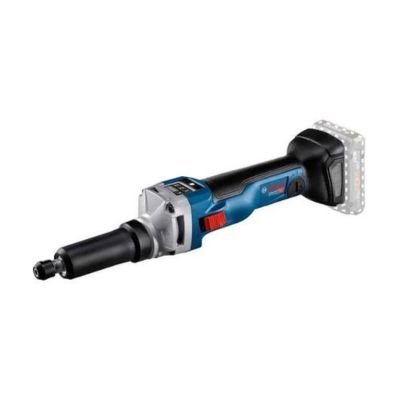
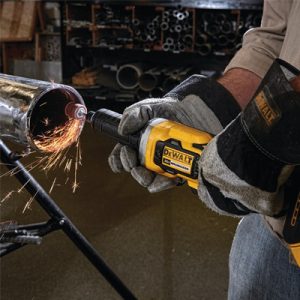
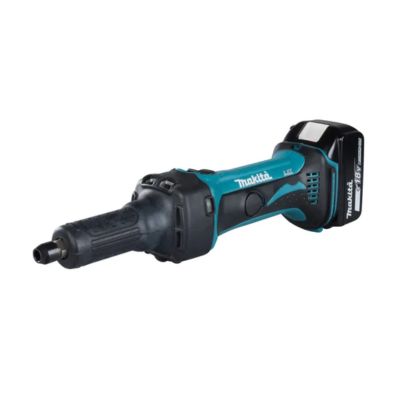
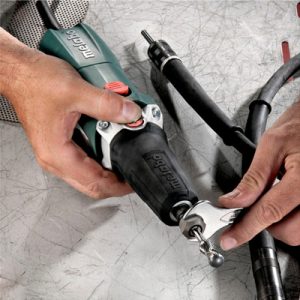
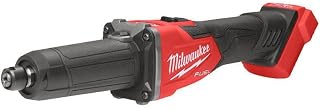


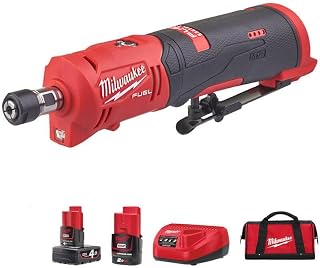
A cordless die grinder can be a remarkably versatile addition to a workshop, garage, fabrication bench or maintenance kit. Unlike a conventional corded grinder, a battery-powered model gives you freedom to work without routing a mains cable around the job. That convenience is particularly useful when working inside vehicles, on machinery, around a fabrication project, or in locations where access to a socket is inconvenient.
However, cordless die grinders vary considerably in power delivery, speed control, battery platform, collet size, runtime, ergonomics and suitability for continuous work. The best model for occasional DIY use is not necessarily the right choice for fabrication, engineering or professional maintenance. Before buying, consider the material you intend to work on, the accessories you will use, how frequently the tool will operate and whether you already own compatible batteries.
A cordless die grinder is a compact rotary power tool designed to drive small abrasive wheels, mounted points, carbide burrs, polishing accessories, sanding drums and other compatible rotary attachments. Its narrow body and relatively small working accessories make it useful for jobs where a larger angle grinder would be cumbersome or difficult to control.
Typical applications include deburring freshly cut metal, cleaning welds, smoothing edges, removing rust and scale, enlarging or finishing holes, shaping metal, preparing surfaces for welding or painting, and carrying out detailed grinding or polishing work.
Most cordless models use a rechargeable lithium-ion battery and a brushless or brushed motor. Brushless designs are particularly attractive for demanding users because they can provide efficient power delivery while avoiding conventional motor brushes as a routine wear component.
The choice between cordless and corded equipment is primarily about the working environment and workload rather than simply which type is more powerful. A corded die grinder can be convenient for prolonged workshop use because it does not depend on battery capacity. A cordless model, meanwhile, can be substantially easier to manoeuvre and transport.
For short jobs, portability can outweigh the inconvenience of charging batteries. For repeated heavy grinding throughout a working day, battery capacity, charging arrangements and the availability of spare batteries become much more important.
The motor design deserves attention when comparing cordless die grinders. Brushed motors use physical brushes that make electrical contact with the rotating component of the motor. Brushless motors use electronic control instead.
A brushless motor can offer several practical advantages in a cordless tool, including efficient operation, reduced routine brush wear and potentially better battery utilisation. This does not automatically make every brushless grinder superior for every buyer, but it is a worthwhile feature for frequent users.
For occasional DIY work, a well-built brushed model may still provide perfectly adequate performance. For professional users, frequent fabrication work or buyers planning to keep the tool for many years, brushless technology can be an attractive investment.
No-load speed describes how quickly the spindle rotates when the tool is running without a working load. Cordless die grinders commonly operate at high rotational speeds, making speed control particularly important.
A high maximum RPM can be useful for certain grinding and finishing applications, but maximum speed alone should never be treated as a measure of overall tool quality. The accessory must be rated for the intended speed, and the correct operating speed depends on the accessory, material and task.
Variable speed is one of the most useful features to look for. Different materials and accessories can require different operating speeds. Lower settings can offer better control for polishing, finishing or delicate work, while higher speeds may be appropriate for certain grinding operations when the accessory manufacturer permits it.
A grinder with several speed settings is generally more versatile than one that only operates at a single high speed.
Collet compatibility determines which accessories can be securely fitted to the grinder. Common die-grinder configurations include 6 mm and 1/4-inch accessories, although exact compatibility depends on the tool and supplied collets.
Do not assume that every die grinder accepts every rotary accessory. Check the manufacturer's specification, supplied collets and accessory requirements before purchasing.
Battery voltage can help indicate the intended platform and overall tool class, but it should not be used by itself to predict grinding performance. Motor design, electronic control, gearing, battery technology and load handling all influence how a cordless grinder behaves in actual use.
For buyers already using a cordless power-tool ecosystem, platform compatibility can be more useful than comparing voltage numbers across unrelated brands.
Battery capacity is normally expressed in ampere-hours. A larger-capacity battery can provide more stored energy, although actual runtime depends on the workload, motor efficiency, material, accessory and operating conditions.
Heavy grinding can consume considerably more energy than light deburring or polishing. If the tool will be used regularly, compare battery options and consider whether spare batteries are available for the platform.
Weight becomes especially important when grinding for extended periods or working above shoulder height. A heavier tool may feel substantial and robust but can cause fatigue sooner during detailed work.
Remember that advertised bare-tool weight may exclude the battery. For a realistic comparison, consider the complete working weight with the battery and accessory fitted.
A die grinder is often used with one hand while the other hand supports or positions the workpiece. The shape and diameter of the body therefore matter. Look for a comfortable grip, sensible control placement and a design that allows the tool to be positioned securely without excessive wrist strain.
Rubberised grip areas can improve handling, while a well-positioned trigger or paddle control can make repeated operation easier. If possible, compare the physical dimensions as well as the headline specifications.
One of the most important buying decisions is whether to purchase a bare tool or a complete kit. If you already own compatible batteries and a charger from the same manufacturer, a bare cordless die grinder can avoid unnecessary duplication.
Brands such as DeWalt, Makita, Bosch Professional and Milwaukee have extensive cordless tool ecosystems, although battery compatibility is normally limited to the manufacturer's intended platform. Do not assume that batteries with similar voltage ratings are interchangeable.
When comparing platforms, consider more than the die grinder itself. Look at the batteries, chargers and other tools you may realistically buy in the future. A slightly more expensive grinder can make sense if it integrates into a battery system you already use.
Occasional users generally benefit from a grinder that is easy to control, reasonably compact and compatible with readily available accessories. Extremely high performance may be unnecessary if the tool will mainly be used for occasional deburring, light grinding, rust removal or small fabrication projects.
Automotive applications can include cleaning welds, preparing surfaces, removing corrosion and working around components where access is restricted. Compact dimensions, good control and sufficient battery capacity are valuable considerations.
Fabrication work can place greater demands on the motor and battery. Frequent weld dressing, edge preparation and material removal make sustained performance, heat management, battery availability and accessory compatibility particularly important.
Professional users should place greater emphasis on durability, ergonomics, serviceability, battery availability and suitability for repeated workloads. A tool that performs well for ten minutes is not necessarily the best choice for several hours of intermittent professional use.
The grinder is only one part of the system. The accessory determines much of the actual cutting, grinding, shaping or finishing behaviour.
Always verify the accessory's maximum permitted rotational speed, shank dimensions and material suitability before fitting it to a high-speed rotary tool.
There is no universal grinding accessory that is ideal for every type of metal. Aluminium, mild steel, stainless steel and other materials can behave differently during grinding and finishing.
The accessory should be selected according to the material, desired finish and amount of material that needs to be removed. Using the wrong accessory can reduce productivity, increase heat generation and produce an unsatisfactory surface.
For precision work, smaller accessories can provide better access and control. For faster material removal, an appropriately sized and rated accessory may be more productive. Always follow the accessory manufacturer's instructions rather than choosing solely by appearance.
High-speed rotary tools deserve careful attention to safety. Useful design features can include electronic controls, overload protection, restart protection, a secure spindle-lock arrangement and clear controls. The precise features available vary between manufacturers and models.
Safety features should complement, not replace, safe working practices. Eye protection is essential for grinding and debris-producing operations, and additional protection such as suitable hearing protection, gloves and respiratory protection may be appropriate depending on the task and material.
A common buying mistake is focusing heavily on the grinder's maximum RPM while overlooking the accessory's speed rating. A high-speed grinder must only be used with accessories designed and rated for the operating speed involved.
Inspect abrasive and rotary accessories before use. Do not use accessories that are damaged, cracked, excessively worn or otherwise unsuitable. Follow the accessory manufacturer's fitting and operating instructions and use the correct guard or protective equipment where required.
Published battery capacity should be treated as a comparison specification rather than a guaranteed working-time figure. Grinding load can vary dramatically. Light deburring may consume relatively little power compared with sustained material removal.
For frequent use, it can be more practical to maintain multiple compatible batteries than to rely on one large battery. This also reduces downtime when one battery needs charging.
When comparing kits, check whether the advertised package includes a battery and charger. A product described as a cordless die grinder may be sold as a bare tool, while another listing may include one or more batteries and a charger.
A useful comparison should look at the complete package rather than one impressive specification. Start by defining the work you actually need to perform, then narrow the options using the following criteria.
Good value does not necessarily mean the lowest purchase price. A better approach is to consider the complete cost of ownership and how well the grinder fits your workload.
For an occasional user, paying substantially more for features that will rarely be used may not provide meaningful value. For a professional, however, better ergonomics, a brushless motor, efficient battery use, stronger construction and compatibility with an established battery platform can justify a higher initial investment.
Also compare what is included. A seemingly inexpensive bare tool can become considerably more expensive once a compatible battery and charger are added. Conversely, a complete kit may be attractive if you need those components anyway.
Established power-tool manufacturers such as DeWalt, Makita, Bosch Professional and Milwaukee are worth considering when comparing cordless die grinders because their broader cordless ecosystems can be an important part of the ownership decision.
The best brand for one buyer may not be the best for another. Someone already using Makita batteries, for example, may have a strong practical reason to remain within that platform. Another buyer with existing DeWalt or Milwaukee equipment may place more value on battery interchangeability within that ecosystem.
Rather than selecting a brand based purely on reputation, compare the specific model's specifications, included equipment, ergonomics, intended workload and compatibility with the batteries you actually have.
Customer reviews can provide useful information, but they should be interpreted carefully. Look for reviews that explain what the buyer used the tool for rather than relying solely on a star rating.
Pay attention to recurring comments about battery runtime, heat, vibration, ergonomics, speed control, accessory compatibility and long-term reliability. A review describing light DIY use may have little relevance to someone intending to grind welds every working day.
It is also useful to compare reviews across reputable retailers rather than drawing conclusions from a small number of comments on a single listing.
Grinding creates dust and debris that can accumulate around ventilation openings, controls and the tool body. Clean the grinder according to the manufacturer's instructions and avoid allowing debris to build up around cooling areas.
Before each use, inspect grinding points, burrs, wheels, sanding accessories and other attachments for damage or excessive wear. Replace accessories that are no longer safe or suitable.
The collet needs to grip accessories securely and correctly. Keep the relevant components clean and use the manufacturer's specified fitting procedure. Do not improvise with incompatible shanks or attempt to compensate for an incorrect accessory fit.
Use the correct charger and battery for the manufacturer's platform. Store batteries according to the manufacturer's instructions and avoid exposing them to unsuitable temperatures, moisture or physical damage.
Stop using the tool if you notice abnormal vibration, unusual noises, burning smells, damaged components, erratic operation or another significant change in behaviour. Investigate the cause before returning the grinder to service.
Effective die-grinder technique is not simply a matter of applying more pressure. Excessive force can reduce control and place unnecessary stress on the motor, battery and accessory.
Allow the correctly selected accessory to perform the work. Maintain a stable grip, use controlled movements and avoid forcing a high-speed tool into the material. For finishing work, several controlled passes can produce a better result than attempting to remove excessive material in one operation.
For precise work, begin conservatively and adjust the speed and accessory selection according to the material and desired finish.
Although the terms can sometimes be used loosely, a compact cordless rotary tool and a cordless die grinder are generally aimed at different levels of work. Rotary tools are often designed around smaller accessories and fine-detail tasks. Die grinders are typically built for more demanding grinding, deburring and fabrication applications.
If your work involves light craft, hobby detailing or very small components, a rotary tool may be more appropriate. If you need to remove weld material, shape metal or perform heavier workshop tasks, a dedicated die grinder is usually the more relevant category to investigate.
A die grinder is versatile, but it should not be treated as a replacement for every other grinder. A larger angle grinder can be more appropriate for substantial cutting or grinding operations requiring larger discs. A dedicated polisher may be preferable for particular finishing applications, while a rotary tool may provide better control for very small detailed work.
Select the tool according to the size of the job, material removal requirements, accessory type and level of control required. Using a smaller tool for a task that demands a larger machine can reduce productivity and place unnecessary strain on the equipment.
For UK buyers, availability of batteries, accessories and replacement equipment should form part of the buying decision. A tool may look attractive on paper but become inconvenient if compatible batteries or accessories are difficult to obtain.
It is also sensible to compare the exact model number rather than relying solely on a product family name. Manufacturers can offer several versions of a tool with different kits, batteries, chargers, speed controls or regional configurations.
Before purchasing, check the current specification, included accessories, battery configuration, warranty information and retailer terms for the exact product listing. Product configurations and availability can change during the year.
Many cordless die grinders are designed specifically for metalworking applications, including grinding, deburring and weld preparation. Whether a particular model is suitable depends on its motor, battery, accessory and intended workload. For demanding applications, compare the manufacturer's specifications and choose a model designed for the level of work required.
A brushless model can be particularly appealing to frequent users because of its motor design, efficiency and reduced dependence on conventional motor brushes. Occasional users may find that a good brushed model meets their requirements, so the extra cost should be considered against actual usage.
There is no universally best battery size. A larger battery can provide greater energy capacity but may also increase the weight of the tool. Choose according to expected workload, desired runtime and how important low weight is for your particular application.
Some cordless die grinders can be used for compatible polishing applications, provided the accessory is approved for the tool and its operating speed. Always check the accessory manufacturer's instructions and maximum speed rating before use.
Yes, suitable die-grinder accessories can be used for certain rust and corrosion removal tasks. The appropriate accessory depends on the material and desired surface finish. For extensive rust removal over a large surface, a larger tool may be more efficient.
Suitable die grinders can be useful for dressing and refining welds, especially in areas where a larger grinder is difficult to position. The correct abrasive or carbide accessory should be selected for the material and task.
It depends on the specific product configuration. Many manufacturers offer both bare-tool and complete-kit versions. Always check the exact contents of the package before comparing prices.
No. The appropriate speed depends on the accessory, material and application. A high maximum RPM can increase versatility, but controlled speed adjustment can be more useful than simply having the highest possible speed.
Choose the collet that matches the accessories you intend to use. Check the exact manufacturer's specification because collet configurations differ between models and may include adapters or multiple collets.
Beginners can use a die grinder, but high-speed rotary tools require responsible handling and appropriate protective equipment. New users should read the manufacturer's instructions, understand the accessory limitations and practise with controlled applications before attempting demanding work.
Some are specifically designed for demanding professional applications. Professional buyers should evaluate durability, workload capability, battery availability, ergonomics, service arrangements and long-term platform support rather than relying solely on the tool's advertised RPM.
An established manufacturer can be attractive because of its wider battery ecosystem, documentation and product range. However, the individual model still needs to meet your requirements. Compare the actual specifications, included equipment and current warranty terms before making a decision.
It can be extremely important. If you already own compatible batteries and chargers, staying within the same platform can reduce the cost and inconvenience of building a second battery system.
Basic inspection should be carried out before use, while cleaning and other maintenance should follow the manufacturer's recommendations. Accessories should be inspected regularly and replaced when damaged or unsuitable.
The best cordless die grinder is the one that matches your workload, accessories, battery ecosystem and working environment. Do not choose solely by maximum RPM, battery voltage or purchase price. Consider the complete tool, including its motor, speed control, collet system, ergonomics, battery options, protection features and intended duty cycle.
For occasional DIY users, simplicity, comfort and reasonable value may be the priorities. For automotive and fabrication work, control, battery capacity and accessory compatibility become increasingly important. Professional users should additionally consider durability, ergonomics, platform investment and long-term availability of batteries and consumables.
Before buying, compare the exact model specifications, check what is included in the package, read verified customer feedback relevant to your type of work and confirm current UK retailer and manufacturer information. Taking those steps makes it easier to distinguish a genuinely suitable cordless die grinder from a model that simply has an attractive specification sheet.