

♥ Wishlist
Compare 6 verified Cordless Plunge Saws products in United Kingdom. Reviews, ratings, pros, cons and buying advice updated for October 2026.
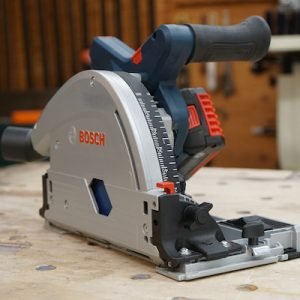
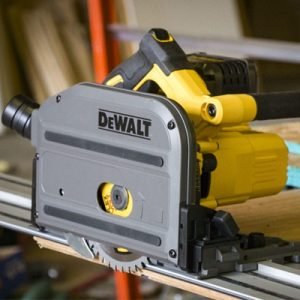
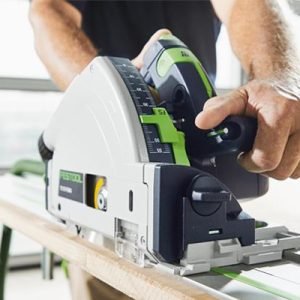
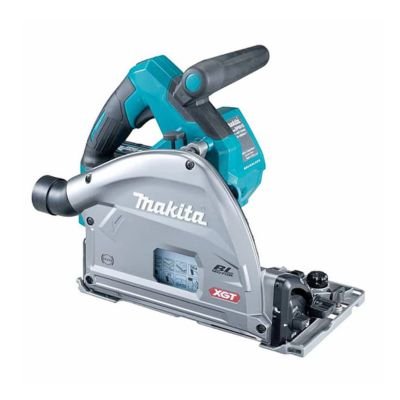
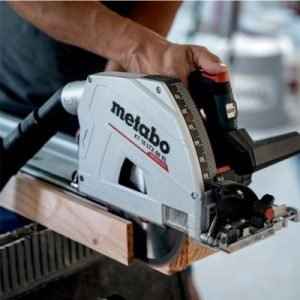


Choosing a cordless plunge saw is less about finding the saw with the biggest specification and more about matching the machine to the type of cutting you actually do. For UK users, factors such as battery platform, blade availability, dust extraction, guide-rail compatibility, cutting capacity and after-sales support can make a significant difference to long-term ownership.
A good cordless plunge saw should deliver controlled, accurate cuts without the restriction of a mains cable. It can be particularly useful for sheet materials, kitchen worktops, doors, flooring, furniture components and general site work where moving between cutting locations is common. However, cordless convenience does not automatically make one model better than another. Motor efficiency, battery technology, ergonomics and the quality of the plunge mechanism all influence real-world performance.
When comparing the best top-rated cordless plunge saws in the UK, consider the complete cutting system rather than the bare tool alone. The saw, battery, charger, blade, guide rail, dust extraction arrangement and storage requirements can collectively determine whether a particular option represents good value.
A cordless plunge saw is a circular saw designed to enter the workpiece from above rather than requiring the blade to begin at an exposed edge. The blade is normally enclosed within a housing and lowered into the material using a controlled plunge mechanism.
This design makes a plunge saw especially useful for making straight internal cuts, trimming panels and producing accurate cuts when used with a guide rail. Unlike a conventional circular saw, the operator does not necessarily need to start from the edge of the board.
The cordless version replaces the mains power cable with a rechargeable battery. This provides greater freedom of movement and can simplify work on construction sites, outside workshops and in locations where access to a convenient power socket is limited.
Both designs can produce highly accurate cuts, but each has advantages that suit different working environments.
For professionals already invested in a battery platform such as Makita, DeWalt, Bosch Professional, Milwaukee or HiKOKI, staying within the existing ecosystem can be a major consideration. A bare tool may avoid buying another charger and battery, although compatibility should always be confirmed for the exact model.
Maximum cutting depth is one of the most important specifications to check. The stated depth may vary depending on whether the saw is being used at 90 degrees or at an angle such as 45 degrees.
Think about the materials you expect to cut rather than simply choosing the largest advertised capacity. A saw intended primarily for sheet goods may not need the same depth as one being used for thicker timber or construction materials.
Blade diameter affects the potential cutting depth and the range of blades available for the saw. Common cordless plunge-saw designs use relatively compact blades to balance cutting capacity with battery efficiency and handling.
Do not assume that a larger blade is automatically preferable. The correct blade diameter is the one specified for the saw because the blade guard, spindle, depth mechanism and motor are designed around that size.
Battery voltage is useful when comparing cordless tools, but it should not be treated as a direct measurement of cutting performance. Motor design, electronic control, battery capacity, blade choice and material resistance all affect performance.
Battery platform compatibility can be more important for an existing power-tool owner. If you already have several compatible batteries, buying a bare cordless plunge saw can potentially reduce the overall cost of entering the system.
A brushless motor is often desirable in a modern cordless power tool because brushless systems can be designed for efficient operation and electronic control. However, the presence of a brushless motor should not be used as the only buying criterion.
Useful electronic features may include controlled starting, overload protection, electronic speed management and battery protection. The precise features vary by manufacturer and model, so check the manufacturer's specification for the exact machine under consideration.
For many users, guide-rail compatibility is one of the most important characteristics of a plunge saw. A good rail system can help produce repeatable straight cuts in sheet materials and other large workpieces.
Compatibility is not universal. Some saws are designed around the manufacturer's own rails, while others may work with particular third-party systems or adapters. Before purchasing, verify that the saw and rail system are genuinely compatible rather than assuming that all plunge saws use the same interface.
A plunge saw becomes considerably more useful when paired with a suitable guide rail. The rail provides a reference edge that helps keep the saw travelling in a consistent line, reducing the need to mark and manually follow a cutting line throughout the entire cut.
Guide rails are particularly useful when cutting large sheet materials such as plywood, MDF and laminated panels. They can also make repeated cuts easier because the same reference arrangement can be used across multiple workpieces.
For cabinetmaking and furniture work, rail accuracy can be just as important as the saw itself. A high-quality saw attached to an unsuitable or poorly positioned rail may still produce disappointing results.
Dust management should be considered before buying a cordless plunge saw, especially when working indoors. Cutting MDF, engineered boards and other materials can generate substantial airborne dust, making effective extraction an important part of the overall setup.
Many plunge saws incorporate a dust outlet designed for connection to an extractor. The outlet size and connector arrangement should be checked against the dust extractor you intend to use.
Dust extraction should not be viewed purely as a cleanliness feature. Good dust control can improve visibility around the cutting area and reduce the amount of airborne dust generated during work.
The supplied blade is only one part of the cutting equation. Blade tooth count, tooth geometry, kerf, material construction and intended application can significantly affect cut quality and cutting speed.
A general-purpose blade may be suitable for a broad range of timber and sheet-material applications. Finer-toothed blades can be preferable when a cleaner finished edge is more important than maximum cutting speed.
Laminated boards can be more demanding because the visible surface may be prone to chipping. The correct blade, appropriate cutting direction and a stable guide-rail setup can help improve the finished result.
Plywood and MDF have different cutting characteristics. MDF can produce considerable fine dust, while plywood construction varies according to the number and type of veneers. Use a blade designed for the material and check its suitability for the specific saw.
Tooth count involves a trade-off. A higher tooth count can support finer cutting in suitable materials, while a lower tooth count can favour faster material removal. The correct choice depends on the material, desired finish and manufacturer's blade recommendations.
Bevel capacity matters if you regularly cut mitres, angled joints or components that require something other than a 90-degree cut. Check the maximum bevel angle and, equally importantly, how easily the bevel adjustment can be set and locked.
A practical plunge saw should allow the user to establish the required angle securely without excessive movement in the mechanism. Clear scales and positive locking can make repeated angle adjustments easier.
The plunge action is central to the design of this type of saw. A smooth, controlled mechanism helps the operator lower the blade into the workpiece in a predictable manner.
Look for a design that provides a comfortable grip and allows the plunge action to be controlled without awkward wrist positioning. The balance of the saw can also influence how easy it is to maintain a straight path on a guide rail.
For repetitive work, small ergonomic details can become more significant than headline specifications. Trigger placement, handle shape, plunge resistance, visibility of the cutting area and access to adjustment controls can all affect day-to-day usability.
Different manufacturers equip their cordless plunge saws with different electronic and mechanical safety features. Depending on the model, these may include controlled starting, electronic braking, overload protection, battery monitoring and other protective systems.
Do not assume that a particular feature is present simply because another saw in the same brand range has it. Check the specifications and operating instructions for the exact model.
Safe operation also depends on correct user technique. A sophisticated electronic safety system does not replace appropriate personal protective equipment, secure workpiece support, correct blade selection or the manufacturer's operating instructions.
Weight is especially important for cordless plunge saws because the battery contributes to the overall mass. A large-capacity battery may extend working time but can also make the tool heavier.
When comparing models, consider the complete working configuration rather than the bare-tool weight alone. If the saw will be used for long periods, balance and grip comfort can have a noticeable effect on fatigue.
Battery runtime cannot be predicted accurately from capacity alone because cutting conditions vary substantially. A saw making shallow cuts through thin sheet material can place a very different load on its battery from one making repeated deep cuts through dense timber.
Blade sharpness, blade design, feed rate, material thickness, material density, cutting depth and operator technique can all influence energy consumption.
If you expect to use a cordless plunge saw heavily, having more than one compatible battery can be more useful than relying on a single very large battery. This allows one battery to charge while another is being used, subject to the manufacturer's charging recommendations.
Brushless motors have become common in higher-end cordless tools. They use electronic commutation rather than conventional brushes and can provide manufacturers with greater control over motor operation.
The better choice depends on the complete tool rather than the motor label alone. Compare cutting performance, battery platform, ergonomics, warranty terms, accessories and long-term system value alongside motor technology.
The UK cordless power-tool market includes several established manufacturers with broad battery ecosystems. Brand reputation alone should not determine a purchase, but it can be relevant when you want to build a larger cordless tool collection.
Before choosing a brand, check the battery platform you already own, the tools you expect to add later and the availability of compatible batteries, chargers, blades and guide rails in the UK.
A common purchasing decision is whether to buy a bare tool or a kit containing one or more batteries and a charger.
A bare tool can make sense when you already own compatible batteries. A complete kit may be more appropriate when entering a new battery platform or when you do not currently have a suitable charger.
DIY users may not need the most expensive professional system. If the saw will only be used occasionally for home renovation, furniture projects or sheet-material cutting, prioritise straightforward adjustment, reliable guide-rail compatibility, comfortable handling and access to suitable blades.
However, buying a very inexpensive machine solely because it has a lower purchase price can be a false economy if replacement batteries, rails or accessories are difficult to obtain.
For occasional users, the best value often comes from selecting a platform that offers enough performance for the intended projects without paying for specialist features that will rarely be used.
Professionals should consider the entire workflow. Cutting speed is important, but so are battery availability, dust extraction, guide-rail compatibility, blade changes, ergonomics and the ability to integrate the saw into an existing tool system.
For kitchen fitting, joinery, carpentry and interior installation work, repeatability can be particularly important. A saw that works naturally with a dependable guide-rail system may save more time over a long project than a model with a higher headline specification but an inconvenient accessory ecosystem.
Kitchen worktops require careful measurement and controlled cutting. A plunge saw can be useful for long straight cuts when paired with an appropriate guide rail, but the blade must be selected for the worktop material and the manufacturer's instructions should be followed.
For laminate worktops, avoiding unnecessary chipping is a major consideration. The cutting setup should be stable, the guide rail correctly positioned and the blade suitable for the material. For solid timber or other worktop materials, blade selection should again follow the material and saw manufacturer's recommendations.
Users cutting expensive worktops should practise their technique on scrap material before making an irreversible cut.
Flooring projects can involve repetitive straight cuts, trimming boards and working in confined spaces. A cordless saw can be convenient because there is no trailing power cable across the working area.
For flooring materials, check whether the selected blade is appropriate for the specific product. Engineered wood, laminate, solid timber and other flooring products can have different cutting requirements.
Dust management is particularly important indoors. Use suitable extraction and follow the flooring manufacturer's guidance concerning cutting and dust control.
Furniture work places a premium on accuracy and repeatability. Guide-rail compatibility, a stable plunge mechanism and precise adjustments may therefore be more important than maximum cutting depth.
A clean blade and well-supported workpiece can also contribute significantly to the final result. When producing visible edges, choose a blade appropriate for the material and finish requirements rather than automatically using the blade supplied with the saw.
Voltage provides useful information about the battery system but does not independently determine how well a plunge saw will cut. Motor efficiency, electronic management, blade choice and the load placed on the tool all matter.
A plunge saw without a suitable rail can be much less useful for users who regularly make long, precise cuts. Confirm the rail system before buying the saw.
A low bare-tool price can look attractive until the cost of batteries and a charger is added. Compare the complete setup you actually need.
The wrong blade can produce poor finishes, excessive resistance or unsuitable cutting performance. Always select a blade designed for the material and compatible with the saw.
Indoor cutting can create significant dust. If the saw will be used in workshops, homes or occupied buildings, extraction compatibility should be considered before purchase.
A high-performance saw is not necessarily the best option for precision woodworking. If most projects involve sheet materials and furniture components, control, guide-rail performance and clean cutting may be more valuable than maximum cutting capacity.
When comparing several models, use the same criteria for every saw. This avoids being influenced by isolated specifications that may not reflect your actual requirements.
Product specifications can be confusing because manufacturers do not always present information in identical formats. When comparing two models, make sure that figures are describing equivalent conditions.
For example, cutting depth may be quoted at 90 degrees, while another specification may emphasise bevel cutting. Battery runtime figures, where provided, can also depend heavily on test conditions and workload.
Do not compare one isolated number without understanding what it represents. The most useful comparison is a complete assessment of the machine, battery system and accessories.
Regular maintenance can help keep a plunge saw operating reliably. Always follow the manufacturer's maintenance instructions and disconnect the battery before carrying out cleaning or blade-related work where required by the instructions.
Cut quality depends on more than the saw itself. A sharp, suitable blade, properly supported material and stable guide rail can make a substantial difference.
Before cutting, measure carefully and position the rail according to the offset between the rail's reference edge and the saw blade. Do not assume the blade will cut directly along a marked line simply because the rail is aligned with it.
For repeat cuts, establish a consistent measuring method and verify the first cut before repeating the setup. On expensive sheet materials, a small measurement error can waste an entire component.
When joining multiple guide rails, ensure the connection is secure and the rails remain properly aligned. Follow the instructions supplied with the particular rail system.
Online listings can make different cordless plunge saws appear similar even when their included accessories and battery configurations differ considerably. Read the full specification rather than relying only on the product title.
The headline price of a cordless plunge saw is only one part of the ownership cost. A user entering a new battery platform may need batteries and a charger, while a user who already owns the platform may only need the saw body.
Guide rails can also represent a significant accessory purchase, particularly when longer rails or multiple rails are required. Replacement blades and additional batteries are ongoing considerations for frequent users.
For this reason, compare the cost of the complete cutting setup rather than comparing bare-tool prices in isolation.
Although the two tools share a circular blade concept, their intended workflows differ.
If your work regularly involves large panels and precise straight cuts, the plunge-saw format can be worth the additional investment. If most cuts start from an exposed board edge and speed is the priority, a conventional circular saw may be sufficient.
The terms plunge saw and track saw are often used interchangeably because many plunge saws are designed to operate on guide rails or tracks. In practice, the important question is the complete saw-and-rail system rather than the terminology used by a retailer.
When comparing systems, check the exact rail interface, available rail lengths, joining options and any required adapters. Compatibility should be verified for the specific model rather than assumed from similar-looking rails.
A plunge saw may be unnecessary if your work rarely involves large panels or internal cuts. A conventional circular saw, jigsaw or other cutting tool may be more appropriate depending on the application.
Users who only make occasional rough cuts may also find that the additional cost of a guide rail and specialist accessories is difficult to justify. The right tool is the one that matches the work rather than the one with the longest feature list.
Power saws should always be treated as serious cutting equipment. Read the manufacturer's instructions before use and follow the safety requirements for the specific saw and material.
There is no single best cordless plunge saw for every UK buyer. The right choice depends on the material being cut, required cutting depth, guide-rail requirements, battery platform, working frequency, budget and preferred accessories. Compare the complete specifications and current configuration of each shortlisted model before buying.
Modern cordless plunge saws can be suitable for many woodworking, carpentry, renovation and sheet-material applications. Actual performance depends on the particular machine, battery, blade, material and cutting conditions. A cordless model should be selected according to the work it is expected to perform rather than based solely on voltage.
They can be particularly worthwhile for users who value portability, already own compatible batteries or regularly work where mains power is inconvenient. For occasional workshop use near a reliable power supply, a corded model may still offer a practical alternative.
Many plunge saws can be used for MDF when equipped with a suitable blade and operated according to the manufacturer's instructions. MDF can produce substantial fine dust, so appropriate extraction and personal protective measures are important.
A suitable plunge saw and blade can be used for certain laminate and laminated-board applications. Because laminate surfaces can be vulnerable to chipping, select an appropriate blade and use a stable cutting setup. Always check the saw and material manufacturer's recommendations.
You do not necessarily need a guide rail for every application, but a compatible rail can make long, straight and repeatable cuts considerably easier. If accurate panel cutting is a major reason for buying a plunge saw, guide-rail compatibility should be high on your comparison list.
Many models provide bevel adjustment, but the available angle range varies. Check the exact specification and remember that maximum cutting depth normally changes when the saw is used at a bevel angle.
A brushless motor can offer advantages in modern cordless tool designs, but motor type should not be the only deciding factor. Consider cutting performance, battery ecosystem, ergonomics, guide-rail compatibility, dust extraction and overall value.
A bare tool can be a sensible choice if you already own compatible batteries and a charger. If you are starting a new battery platform, compare the price of the complete kit and the future cost of additional batteries and chargers.
The appropriate battery depends on the saw manufacturer's compatibility requirements and the intended workload. Larger-capacity batteries can provide more stored energy but may add weight. Check the manufacturer's approved battery options and choose according to the balance between runtime and handling.
Dust extraction is highly important when working indoors or cutting materials that generate significant dust. Check the saw's extraction connection and make sure your extractor and hose arrangement are compatible.
There is no universal replacement interval. Blade life depends on material, cutting frequency, blade quality, technique and whether the blade becomes damaged or dull. Replace or sharpen the blade according to its condition and the manufacturer's recommendations.
No. Blade diameter, bore size, maximum permitted speed and other specifications must be compatible with the saw. Use blades specifically approved or recommended for the particular machine.
Before choosing from the top-rated cordless plunge saws available in the UK, work through the following checklist:
A useful buying guide should look beyond headline specifications. When assessing cordless plunge saws for UK buyers, consider cutting performance, precision, battery compatibility, guide-rail integration, dust management, ergonomics, accessory availability and the overall cost of building a usable cutting system.
Customer ratings can provide useful information about ownership experience, but they should be considered alongside manufacturer specifications and the requirements of your own projects. A highly rated saw is not automatically the right choice if its battery platform, cutting capacity or rail system does not suit your work.
Product configurations and prices can change, so check the current specification and retailer listing before making a purchase. In particular, verify whether batteries, chargers, guide rails and other accessories are included in the version being offered.
The best cordless plunge saw for your needs is the one that fits your complete workflow. For a professional already committed to a cordless platform, battery compatibility and job-site practicality may be the deciding factors. For a furniture maker, guide-rail accuracy, blade selection and handling may matter more. For a DIY user, ease of use and total system cost may provide better value than advanced professional features.
Before buying, compare the specifications of the shortlisted saws, confirm battery and guide-rail compatibility, consider the accessories you will actually need and check current UK retailer prices. A little extra research at this stage can prevent the common mistake of buying an apparently attractive cordless plunge saw only to discover that the required battery, rail or extraction accessories significantly change the overall cost.
Whether you are cutting plywood, MDF, timber, laminated panels, flooring components or other suitable materials, prioritise safe operation, appropriate blades, accurate workpiece support and a compatible guide-rail system. These practical considerations often have a greater effect on the finished cut than a single headline specification.