

♥ Wishlist
Compare 48 verified Makita Cordless Drill Drivers products in United Kingdom. Reviews, ratings, pros, cons and buying advice updated for October 2026.


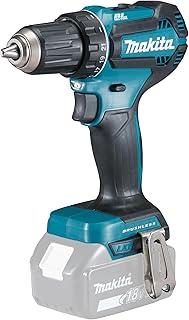


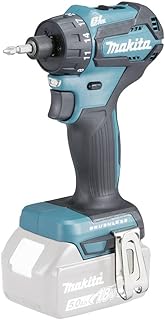


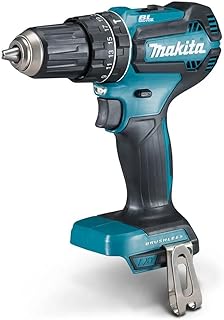


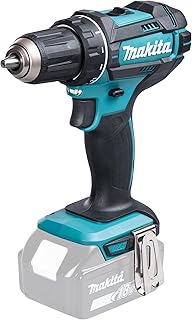


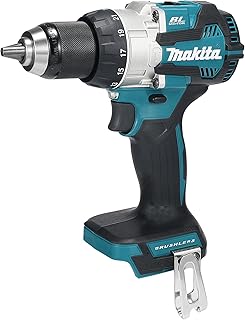

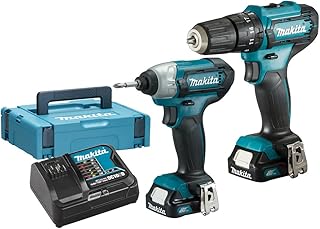


Choosing a Makita cordless drill driver is less about finding the most powerful model and more about matching the drill to the work you actually do. Makita's cordless range spans compact drill drivers for everyday household tasks, higher-torque models for demanding installation work, hammer drill drivers for masonry, and professional machines designed around the company's 18V LXT or 40Vmax XGT battery platforms.
For UK buyers, the right choice should take account of battery compatibility, voltage platform, chuck capacity, torque control, drilling performance, size, weight, charger arrangements and the type of material being drilled. A drill that is excellent for assembling furniture may be a poor choice for repeatedly drilling masonry, while a heavy-duty professional model can be unnecessarily cumbersome for occasional DIY.
The most useful comparison is therefore not simply “which Makita drill has the highest torque?” Instead, consider where you will use it, which accessories you already own, how frequently you expect to use it and whether you need a bare tool or a complete kit.
A Makita combi drill combines conventional drilling, screwdriving and hammer drilling. The hammer function makes it suitable for many light-to-moderate masonry tasks, although the exact capability depends on the individual model, bit and material.
For a typical UK household, a combi drill can be one of the most versatile cordless power tools because it can cover timber, metal, plastics, screws and many routine masonry applications without requiring a separate drill for every task.
A standard drill driver concentrates on drilling and screwdriving rather than masonry hammer drilling. This can make it a particularly good choice when most of your work involves wood, metal, cabinetry, furniture assembly, fixtures and general installation.
Without a hammer mechanism, there is less reason to choose this type if drilling brick, block or concrete is a frequent requirement. On the other hand, avoiding an unnecessary hammer function can make sense when your work is almost entirely non-masonry.
Brushless motors are widely used across Makita's professional cordless range. A brushless design eliminates conventional motor brushes and can provide an efficient, electronically controlled drive system. Depending on the model, electronic controls may also help regulate speed, torque and protection functions.
Brushless does not automatically mean that every model is the best choice. Motor technology should be considered alongside torque, speed range, physical dimensions, battery platform, chuck quality and the type of work you perform.
A compact drill is useful when access and manoeuvrability matter more than maximum output. Smaller machines are easier to position inside cabinets, between joists, in confined installation spaces and around awkward fixtures.
For prolonged overhead work, a compact design can also be easier to handle. However, buyers should check whether the reduced dimensions come with lower maximum torque or other performance compromises that matter for their intended application.
Makita's 18V LXT and 40Vmax XGT platforms serve different purposes. The 18V LXT system has a broad ecosystem of cordless tools and is a natural option for users who already own compatible LXT batteries. The 40Vmax XGT platform is positioned around higher-performance applications and provides access to more powerful equipment within that system.
Battery voltage should not be treated as a standalone measure of drill quality. A well-designed 18V drill can be a better practical purchase than a more powerful machine if it is lighter, more compact and better suited to your work.
Existing battery ownership is particularly important. If you already have several compatible Makita batteries and a suitable charger, purchasing a bare tool can potentially avoid paying for duplicate batteries and charging equipment. Buyers starting from scratch should compare the cost of a complete kit against the long-term value of joining a particular battery platform.
Torque indicates the rotational force available from the drill. Higher torque can be useful for driving larger fasteners and drilling demanding applications, but maximum torque is not the only specification that determines real-world usefulness.
A drill with a wide torque-control range can be more useful for screwdriving because delicate materials and smaller fasteners may require substantially less force than structural fixings. Excessive torque can strip screw heads, damage workpieces or drive fasteners too deeply.
Many cordless drill drivers provide more than one mechanical speed range. Lower speeds generally favour higher torque applications, while higher speeds are useful for many smaller drilling operations.
Look at the actual speed range rather than assuming that the highest advertised RPM makes one drill superior. The appropriate speed depends on the bit diameter, material and operation.
A keyless chuck is a major convenience for general-purpose work because it allows drill bits and driver accessories to be changed without a separate chuck key. Check the chuck capacity when comparing models because it indicates the range of shank sizes the drill is designed to accept.
A quality chuck should hold accessories securely and allow straightforward bit changes. If precision drilling is important, chuck construction and overall tool design deserve as much attention as headline torque figures.
If you need to drill masonry, a hammer function can be valuable. The mechanism produces repeated impacts while the bit rotates, helping suitable masonry bits penetrate brick and similar materials.
Hammer drilling should not be confused with the capabilities of a dedicated SDS rotary hammer. For extensive drilling into concrete or other hard masonry, an appropriate rotary hammer may be considerably more suitable than a conventional combi drill.
Weight becomes increasingly important when drilling overhead, working on ladders or carrying out repetitive installation tasks. The quoted tool weight may also differ depending on whether the battery is included, so comparisons should be made on a like-for-like basis.
Balance matters as well. A drill that sits naturally in the hand can feel easier to control than a similarly weighted tool with an awkward centre of gravity.
Overall length can be particularly important in confined spaces. A compact drill may fit where a high-torque professional model cannot. Before choosing a larger machine, consider the tightest areas in which you expect to work.
Brushless motors are generally associated with Makita's higher-end cordless equipment, while brushed designs remain relevant for buyers prioritising straightforward functionality or lower initial tool cost.
Brushless technology can offer advantages in efficiency, motor control and maintenance requirements because there are no conventional brushes to replace. For frequent professional use, these characteristics can make a brushless model attractive.
For occasional DIY, however, buying the most advanced motor technology is not automatically necessary. The better purchase is the model whose complete specification matches the intended workload and budget.
Battery capacity is normally expressed in ampere-hours (Ah). In general terms, a higher Ah rating represents greater stored energy within the compatible battery system, although actual runtime varies with the tool, material, workload, battery condition and operating conditions.
When comparing complete kits, check exactly which battery capacity is included. Two apparently similar packages can represent very different values if one contains batteries with substantially different capacities or quantities.
A bare tool normally makes the most sense for buyers who already own compatible batteries and a charger. It can reduce duplication when building a larger cordless tool collection around one battery platform.
A complete kit can be more convenient for first-time buyers because it may include the drill, one or more batteries, a charger and a storage case. Compare the precise contents rather than assuming that every kit contains the same accessories.
Modern cordless tools may incorporate electronic systems designed to protect the tool and battery under demanding operating conditions. Protection functions vary by model, so check the manufacturer's specification for the exact system fitted to the drill you are considering.
A multi-position clutch provides greater control when driving screws. Instead of applying maximum available torque every time, the user can select an appropriate setting for the fastener and material.
This is particularly useful when working with soft timber, cabinetry, plasterboard fixings and smaller screws where excessive torque can cause damage.
A two-speed mechanical gearbox provides a practical way of choosing between lower-speed, higher-torque operation and higher-speed drilling. This is more useful than relying on the variable trigger alone when switching between substantially different applications.
An integrated LED can improve visibility around the bit and workpiece, particularly inside cabinets, cupboards, service areas and other poorly lit locations. It is a relatively small feature but can make frequent installation work more convenient.
A side handle can improve control on higher-torque models. It is especially useful when drilling larger holes or performing demanding operations where two-handed control provides additional stability.
For flat-pack furniture, cabinetry and general assembly, a compact drill driver with adjustable torque control can be more useful than a heavy-duty combi drill. Precise control is usually more important than maximum power.
Woodworking applications benefit from good speed control, a reliable chuck and a torque range appropriate to both drilling and screwdriving. For larger holes, check the manufacturer's stated drilling capacity for timber and select suitable accessories.
Metal drilling requires appropriate drill bits, controlled speed and suitable cutting technique. The drill should be selected according to the expected hole sizes and frequency of use rather than simply its maximum torque figure.
A Makita combi drill with hammer action can be useful for routine drilling into brick and similar masonry when paired with suitable masonry bits. Check the manufacturer's recommended capacities and avoid treating maximum stated capacity as a guarantee of equal performance in every material.
Frequent concrete drilling is a different requirement from occasional drilling into brick. If your work involves numerous holes, larger diameters or hard concrete, compare a combi drill with an SDS rotary hammer and select the tool category designed for the workload.
Outdoor construction often involves repetitive screwdriving, larger fixings and longer working periods. A brushless model with a suitable battery capacity can be worth considering, particularly if the same battery platform is already used for other outdoor or construction tools.
Tradespeople should place greater emphasis on ergonomics, battery availability, charging arrangements, durability features, serviceability, runtime and compatibility with other cordless equipment. A drill that performs well for occasional DIY may not be the most efficient choice for several hours of daily use.
Makita is one of several established power-tool manufacturers competing in the cordless drill market. Buyers may also encounter brands such as DeWalt, Bosch Professional, Milwaukee, Ryobi and Metabo when comparing professional and enthusiast equipment.
The most useful comparison is platform-to-platform rather than brand-to-brand. Examine battery ecosystems, tool availability, specifications, ergonomics, accessories, charger options and the types of machines you may eventually add to the collection.
Both brands offer extensive cordless tool ecosystems. The better choice depends heavily on the tools you already own, the specifications of the particular models being compared and whether you prefer one battery platform for multiple machines.
Milwaukee's cordless range is strongly represented in professional applications, while Makita offers extensive coverage across DIY, trade and professional equipment. Compare individual models rather than assuming that brand reputation alone determines which drill is best.
Bosch Professional provides another major option for buyers seeking trade-oriented cordless tools. Check the voltage platform, battery ecosystem, dimensions and model-specific drilling and driving capabilities before making a decision.
Ryobi's cordless system is particularly relevant to DIY users who value a broad range of household and garden tools sharing a battery platform. Makita generally provides a strong selection of trade and professional equipment, making the intended workload an important differentiator.
Maximum torque is useful information, but it does not tell you everything about a drill. Weight, dimensions, speed range, chuck design, battery system, clutch settings and ergonomics can have a larger effect on everyday usability.
A surprisingly costly mistake is purchasing a tool that does not fit the battery ecosystem you intended to build. Always verify the precise platform and compatibility before ordering.
If you already own compatible Makita batteries and a charger, a bare tool may be more appropriate. Conversely, a first-time cordless-tool buyer should calculate the cost of batteries and charging equipment before comparing bare-tool prices.
A combi drill can handle many masonry tasks, but it is not necessarily a substitute for an SDS rotary hammer when concrete drilling is a frequent or demanding requirement.
A powerful drill can become frustrating when it cannot fit between the workpiece and surrounding structure. Consider the physical environment before prioritising maximum output.
A larger battery can increase runtime but also adds weight. For repetitive overhead work or confined spaces, a smaller compatible battery may produce a more comfortable setup.
Always inspect the exact contents of the listing. Model names can appear similar while kit configurations differ in batteries, chargers, cases and accessories.
The drill itself is only part of the drilling system. Bit quality, geometry and suitability for the material can have a substantial effect on results. A high-performance cordless drill paired with an unsuitable or worn bit can perform poorly.
Wood bits are designed for timber and timber-based materials. The appropriate bit should be selected according to the hole diameter, required finish and type of wood.
High-speed steel bits are commonly used for drilling metal. Cutting speed, lubrication where appropriate and controlled pressure are important considerations, particularly with larger diameters.
Masonry bits are designed for materials such as brick, block and masonry. Use the bit type recommended for the drill's operating mode and the material being drilled.
Driver bits should match the fastener head accurately. Using the wrong bit profile can increase the likelihood of cam-out, damaged screw heads and poor control.
Larger accessories place greater demands on the drill. Check the manufacturer's recommendations and drilling capacities before using large hole saws, spade bits or other high-load accessories.
Regular basic care can help keep a cordless drill in good working condition. Remove dust and debris from ventilation areas and the chuck, keep accessories in suitable condition and avoid exposing the tool to unnecessary moisture.
Cordless-tool batteries should be handled according to the manufacturer's instructions. Avoid extreme temperatures, physical damage, moisture and inappropriate chargers. If a battery shows signs of damage, swelling or abnormal behaviour, stop using it and follow the manufacturer's guidance for safe handling.
For buyers building a larger Makita cordless collection, battery management is worth considering from the beginning. Labelling or organising batteries by capacity can make it easier to choose a lightweight pack for short jobs and a higher-capacity pack for longer sessions.
For occasional household tasks, excessive power can actually make a drill less convenient. Lower-torque settings and a compact body may provide better control for assembling furniture, hanging fittings and driving small screws.
For construction, renovation and trade applications, greater torque and higher-capacity batteries may become more valuable. If you regularly drill large holes or drive substantial fixings, compare the drill's specified capabilities against your actual workload.
The best specification is therefore application-dependent. A homeowner who uses a drill a few times each month has different priorities from a joiner, electrician, kitchen installer or general builder who may use the machine every working day.
Makita cordless drills can be particularly appealing to buyers who want access to a broad cordless ecosystem and who value the ability to select between compact, general-purpose and heavy-duty models. They can suit homeowners, serious DIY users and professional tradespeople, provided the selected model matches the workload.
For occasional DIY, prioritise manageable size, good control and sensible kit contents. For frequent trade use, give more weight to ergonomics, battery strategy, durability-oriented features, runtime and the wider platform.
A conventional cordless drill driver is not the ideal solution for every drilling job. If your primary task is heavy concrete drilling, chiselling or repeated large-diameter masonry work, investigate the appropriate SDS rotary hammer category instead.
Likewise, if your work consists almost entirely of high-volume screwdriving, a dedicated impact driver may complement or replace a drill driver for some applications. The two tools serve different purposes, and many tradespeople use both because their strengths overlap only partially.
Good drilling technique can matter as much as the tool itself. Select an appropriate bit, mark the drilling location accurately and begin at a controlled speed. Increase pressure only as necessary and avoid forcing the tool when the accessory is not cutting efficiently.
For screwdriving, start with an appropriate clutch setting and increase it gradually if the fastener does not seat correctly. This provides more control than immediately using maximum torque.
When drilling larger holes, use the speed and technique appropriate to the accessory. Excessive speed can generate unnecessary heat, while excessive force can overload the tool or damage the bit.
The best top-rated Makita cordless drill driver for a UK buyer is the one that combines the right battery platform, power level, dimensions, ergonomics and accessories for the intended work. Do not choose solely from a ranking position or a maximum torque figure.
For general household use, a compact drill driver or versatile combi drill can provide a practical balance. For frequent professional work, a brushless model with an established battery ecosystem may make more sense. For demanding concrete applications, compare the drill with a dedicated SDS machine before buying.
Before purchasing, verify the current model number, specification, battery configuration and kit contents. Product ranges and retailer bundles can change, so the exact listing should always be checked at the time of purchase. Comparing specifications alongside verified customer feedback can help distinguish a genuinely suitable drill from one that simply has impressive headline numbers.
There is no single best model for every DIY user. A compact drill driver can be preferable for furniture and general screwdriving, while a combi drill is more versatile if masonry drilling is also required. The appropriate choice depends on the materials, hole sizes, working frequency and battery platform.
For many household and general DIY applications, an 18V cordless drill can provide more than enough capability. The required specification depends on the job, and 18V should not be regarded as a measure of quality by itself.
A brushless model can be attractive for frequent users who value efficiency, electronic control and reduced brush-related maintenance. Occasional users may reasonably choose a simpler model if its specifications already meet their needs.
Choose a combi drill if you expect to drill masonry and want one cordless tool for several common applications. Choose a drill driver if your work is predominantly wood, metal, plastics and screwdriving and you have little need for hammer drilling.
Some Makita combi drills can drill masonry and may be specified for concrete applications, but capability varies significantly by model. For frequent or demanding concrete drilling, a suitable SDS rotary hammer is generally the more appropriate category to investigate.
Battery compatibility depends on the specific Makita platform and tool. Do not assume that every Makita battery fits every Makita cordless machine. Check the manufacturer's compatibility information for the exact battery and tool models.
No. A higher-capacity battery can provide more stored energy but may add weight and bulk. For short jobs or overhead work, a smaller compatible battery can be more comfortable.
A side handle can be useful on higher-torque models and demanding drilling applications because it provides additional control. It is less important for small, low-load screwdriving tasks.
A drill driver uses a conventional rotating chuck and offers adjustable clutch control, making it highly versatile for drilling and controlled screwdriving. An impact driver uses rotational impacts and is particularly suited to driving fasteners where higher driving force is useful. Many users benefit from having both tools.
A bare tool can be a sensible option if you already own compatible batteries and a charger. If you are starting a cordless collection, compare the total cost of the tool, batteries and charger against the price of a complete kit.
There is no universal replacement interval. Replace or sharpen accessories according to their type and condition, and stop using bits that are visibly damaged, excessively worn or no longer cutting correctly. Poor-quality or worn bits can reduce performance and increase the load on the drill.
Compare the exact model number and the complete package rather than comparing headline prices alone. Battery quantity, Ah rating, charger, case and accessories can significantly change the overall value of a cordless drill kit.