

♥ Wishlist
Compare 43 verified Cordless Drill Drivers for Fast, Precise Drilling and Driving products in United Kingdom. Reviews, ratings, pros, cons and buying advice updated for October 2026.


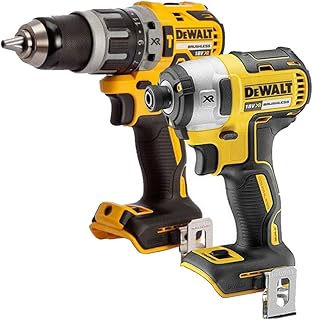


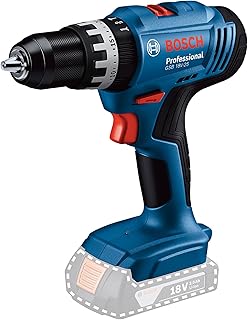


A cordless drill driver is one of the most versatile power tools for DIY, furniture assembly, home maintenance, renovation work and many professional applications. However, the highest-rated model is not automatically the right choice for every user. Battery platform, torque, chuck design, ergonomics, drilling capacity, speed control and the type of work you expect to perform can make a substantial difference to day-to-day usability.
For UK buyers, it is also worth considering whether a drill is being sold as a bare tool or as part of a kit, whether compatible batteries and chargers are included, and whether the manufacturer offers a broader battery ecosystem. A comparatively inexpensive drill can become less economical if you subsequently need to purchase batteries, a charger and additional accessories separately.
This guide is intended to help compare cordless drill drivers on the characteristics that matter when assessing specifications and customer feedback. Rather than treating one specification as decisive, consider the complete combination of performance, compatibility, handling, durability, accessories and intended use.
A strong cordless drill driver normally balances several characteristics instead of maximising a single specification. High torque can be useful for driving large screws, but excessive power may be unnecessary for light household tasks. A large battery can extend working time, but it can also increase weight. A compact drill may be easier to control in confined spaces while offering less maximum drilling capacity than a larger model.
When comparing top-rated cordless drill drivers, look closely at the following areas:
The terms cordless drill driver and cordless combi drill are sometimes used interchangeably, but there is an important functional difference. A conventional drill driver generally provides drilling and screwdriving modes, whereas a combi drill adds a hammer-drilling function intended for masonry applications.
If most of your work involves assembling furniture, drilling timber, making pilot holes or driving screws, a drill driver may provide everything you need. If you regularly need to drill into brick or masonry, a combi drill can offer additional versatility.
Hammer action does not automatically make a drill better for every task. The mechanism adds functionality and can influence the tool's size, weight and cost. For frequent heavy masonry drilling, a dedicated rotary hammer or SDS drill may be more appropriate than relying on a general-purpose combi drill.
Battery voltage is one of the most visible specifications on cordless power tools, but it should not be considered a direct measurement of real-world performance. Different motor designs, electronic controls, gearing and battery systems mean that two drills with similar nominal voltage can behave differently.
Lower-voltage compact systems can be particularly attractive for household jobs because the tools and batteries can be lighter. Higher-voltage systems generally make more sense when demanding applications, longer operating periods or compatibility with professional-grade tools are priorities.
For occasional DIY, selecting the largest voltage available simply because it appears more powerful can result in unnecessary weight and expense. For regular construction, renovation or workshop use, investing in a more capable battery platform can make more sense.
Battery capacity is commonly expressed in ampere-hours, abbreviated as Ah. In simple terms, a higher Ah rating can provide more stored energy within a battery system, although actual runtime varies according to the tool, workload, material, drilling diameter, screw size, operating technique and battery condition.
A compact battery can make a drill noticeably easier to handle, particularly when working overhead or for extended periods. A higher-capacity battery can reduce interruptions when performing demanding work, but it may increase the overall weight of the tool.
When comparing kits, check the exact battery specification rather than assuming that every battery included in a particular range has the same capacity. Also check whether the drill is supplied with one battery, two batteries or no battery at all.
One of the most important long-term purchasing decisions is the battery platform. Manufacturers such as Bosch, Makita, DeWalt, Milwaukee and Ryobi offer families of cordless tools designed around their respective battery systems, although compatibility is dependent on the specific platform and product range.
If you already own compatible cordless tools, buying a bare drill that uses the same battery system can avoid purchasing another charger and additional batteries. Conversely, if you are starting from scratch, consider the wider range of tools available on the platform rather than evaluating the drill alone.
A battery ecosystem can eventually cover much more than drilling. Depending on the manufacturer and platform, compatible tools may include impact drivers, circular saws, reciprocating saws, grinders, sanders, multi-tools, garden equipment and lighting products.
Brushless motors have become increasingly common in higher-specification cordless tools. Unlike traditional brushed motors, brushless designs do not rely on conventional carbon brushes making physical contact with the rotating component. Electronic motor control manages operation instead.
Brushless technology can offer advantages including efficient power delivery, reduced mechanical wear associated with brushes and potentially improved runtime or performance depending on the complete tool and battery system. These benefits can be particularly relevant to users who operate their drill frequently.
That does not mean every brushed drill is unsuitable. For occasional DIY, a well-designed conventional drill can still be perfectly adequate. The sensible comparison is between the complete tool, its specifications, price, intended workload and expected frequency of use.
Torque is particularly important when using a cordless drill driver as a screwdriver. Torque determines how much rotational force the tool can deliver, while the adjustable clutch allows the user to limit the amount of force applied to a fastener.
A clutch is valuable for controlled screwdriving because it can help reduce the risk of overdriving screws into softer materials. Different materials and fasteners require different settings, so a drill with a useful range of clutch positions can be more adaptable than one with limited adjustment.
Maximum torque figures should be treated as one part of the specification rather than a standalone ranking system. The stated figure may depend on the manufacturer's testing method, operating mode and measurement conditions. Gear ratio, motor characteristics and electronic control also affect how a drill feels under load.
Many quality cordless drill drivers use a two-speed mechanical gearbox. The lower gear generally prioritises controlled torque, while the higher gear provides greater rotational speed for drilling applications where appropriate.
Variable electronic trigger control gives the user additional control over drilling and screwdriving. Starting a screw slowly can make it easier to position the bit correctly and reduce the chance of damaging the screw head.
A useful drill should allow the operator to select an appropriate gear and trigger speed rather than simply relying on maximum revolutions per minute. For mixed DIY work, this flexibility can be more useful than a high headline speed alone.
The chuck is the component that holds conventional drill bits and screwdriver bits. Common cordless drill drivers use keyless chucks, allowing bits to be fitted without a separate chuck key.
A 10 mm chuck can be suitable for many compact and general-purpose applications, while a 13 mm chuck can accommodate a broader range of larger conventional bits where the drill is designed to handle them. The chuck size should therefore be considered alongside the manufacturer's stated drilling capacities.
Before purchasing, check which bit types are supported. A standard drill driver is not the same as an SDS rotary hammer, and SDS accessories are designed for compatible SDS tool systems rather than ordinary keyless drill chucks.
Manufacturers commonly state maximum drilling diameters for materials such as wood and metal. Combi drills may also provide a masonry capacity. These figures are useful for establishing the tool's intended range, but maximum capacity does not mean that every drill should routinely be used at its stated maximum.
For demanding holes, larger diameter bits and prolonged drilling, the tool's battery, gearing, motor and thermal management all become relevant. The appropriate accessory also matters. A wood drill bit, metal bit and masonry bit are designed for different materials and should be selected accordingly.
If you know the typical hole sizes you need to make, compare those requirements directly with the manufacturer's specifications instead of choosing solely on the basis of the largest advertised capacity.
A drill that looks excellent on paper can become frustrating if it is uncomfortable to hold. Ergonomics are particularly important when drilling repeatedly, working overhead or operating the tool in confined spaces.
Consider the bare-tool weight as well as the weight of the battery. A compact drill with a small battery can be easier to control for furniture assembly and light household work. A larger professional-oriented model may provide greater capability but can become tiring during prolonged use.
Good balance matters as much as the published weight. The position of the battery, motor and handle affects how naturally the drill sits in the hand. If possible, physically handling the tool before buying can provide useful information that specifications alone cannot show.
For everyday household tasks, compactness can be more valuable than maximum power. Typical applications include assembling flat-pack furniture, fitting shelves, installing brackets, drilling pilot holes and driving smaller screws.
A compact drill is particularly useful when access is restricted by cupboards, cabinets, shelving or other fixtures. A shorter overall tool length can make it easier to align the bit with the workpiece.
When choosing a compact model, still check that the battery, charger and accessories meet your requirements. Some compact systems are sold as bare tools, making them more attractive to existing users of the same battery platform than to first-time buyers.
Renovation and construction tasks can justify a more substantial cordless drill. Repeated drilling, larger holes and demanding screwdriving place greater demands on the motor, gearbox, battery and thermal management.
For heavier applications, compare maximum torque, battery capacity, chuck specification, drilling capacities and the manufacturer's intended professional-use range. A robust gearbox and effective electronic control can be important when the tool is subjected to frequent loads.
If your work regularly involves heavy-duty masonry drilling, large fasteners or prolonged drilling into hard materials, compare a conventional drill driver against specialist tools before buying. More power in a general-purpose drill is not always a substitute for using the correct tool category.
Not every additional feature is essential, but several can provide meaningful practical benefits.
Marketing specifications can make a drill appear more capable than you actually need. Before paying more for additional features, identify whether they solve a real problem in your normal work.
A bare tool normally includes the drill without a battery and charger. This can be an economical option for someone who already owns compatible batteries and charging equipment.
A complete kit generally makes more sense for a first-time buyer because it can provide the components needed to start working. However, kit contents vary, so inspect the exact specification rather than assuming a battery or charger is included.
When comparing prices, calculate the complete cost of ownership. A cheap bare tool can become more expensive than expected if you subsequently need to buy a battery and charger separately.
Battery runtime is difficult to compare using Ah ratings alone. Drilling a series of small pilot holes consumes considerably less energy than repeatedly drilling large holes or driving long structural screws.
Users should therefore think in terms of workload rather than a universal runtime expectation. If you perform short DIY jobs, a smaller battery may provide a better balance of weight and convenience. If you spend long periods away from a mains power source, carrying a spare compatible battery may be more practical than choosing the largest possible battery for every job.
Battery condition also influences performance. Rechargeable batteries gradually age, and actual capacity can change with usage, storage and operating conditions.
Use the manufacturer's compatible charger and follow the battery and tool documentation. Avoid treating batteries as interchangeable simply because the physical connector looks similar. Compatibility is determined by the specific battery platform and tool system.
For storage, follow the manufacturer's recommendations concerning temperature, charge level and environmental conditions. Keep battery contacts clean and avoid exposing battery packs to conditions outside their specified operating and storage ranges.
Do not use damaged battery packs. If a battery shows signs of physical damage, unusual heat, swelling or other abnormal behaviour, discontinue use and follow the manufacturer's safety guidance.
The quality and suitability of accessories can have a major effect on drilling results. A capable cordless drill cannot compensate for a damaged, blunt or inappropriate bit.
Wood, metal and masonry require different accessories and drilling techniques. Using the wrong bit can result in poor performance, excessive heat, damaged material or premature wear.
Wood bits are designed for timber and wood-based materials, while metal bits are engineered for metal drilling. Masonry bits are designed for suitable mineral-based materials when used with a compatible drill and operating mode.
Always follow the bit manufacturer's instructions and the drill manufacturer's guidance. When working with unfamiliar materials, establish compatibility before drilling rather than assuming that a general-purpose bit is appropriate.
An impact driver is designed primarily for driving fasteners and uses an impact mechanism to deliver rotational force. A conventional drill driver is more versatile for controlled drilling and screwdriving.
For furniture assembly, general drilling and household projects, a drill driver can be the more versatile single-tool choice. For repeated driving of longer or larger fasteners, an impact driver can complement a drill driver effectively.
Some experienced users keep both tools available because they serve different purposes. The right choice depends on whether drilling versatility or high-efficiency fastening is the primary requirement.
An SDS drill is a specialist tool designed for demanding masonry and concrete applications. It uses a dedicated chuck and accessory system that differs from a conventional cordless drill driver.
A combi drill can be convenient for occasional masonry holes, but it should not automatically be treated as an alternative to an SDS drill for extensive concrete or heavy masonry work. Matching the tool to the application can improve productivity and reduce unnecessary strain on a general-purpose drill.
Product specifications can look complicated because manufacturers present different combinations of voltage, torque, speed and drilling capacity. The most useful approach is to translate each figure into a practical requirement.
Choosing a cordless drill based exclusively on its headline rating or maximum torque can lead to an unsuitable purchase. Several mistakes are particularly common.
Customer feedback can provide useful information that specifications do not reveal, but individual reviews should be interpreted carefully. A single complaint or enthusiastic comment does not establish how a drill will perform for every buyer.
Look for repeated themes across multiple verified customer reviews. Comments about battery performance, chuck reliability, comfort, trigger control, accessory quality and long-term durability can be more informative than generic statements about whether a product is good.
Also consider the reviewer's use case. A person assembling furniture occasionally has very different expectations from a tradesperson using a drill throughout the working day. A product can be entirely suitable for one application and unsuitable for another.
Value should be assessed against your intended workload rather than the purchase price alone. A lower-cost drill can be excellent for occasional DIY, while a more advanced brushless platform may make more sense for frequent users who already own compatible batteries.
When comparing models, consider the total package:
Prioritise manageable weight, simple controls, adequate torque, a useful clutch range and a battery system that does not require unnecessary investment. A compact drill driver can be sufficient for shelves, furniture, pilot holes and general household repairs.
Look for stronger construction, a larger battery ecosystem, good ergonomics, useful drilling capacities and a brushless motor if the additional cost is justified by your workload. Two batteries can also be useful for reducing interruptions during longer jobs.
Prioritise durability, battery availability, charging options, sustained performance, ergonomics, service arrangements and compatibility with other professional tools. The ability to share batteries across several tools can be particularly important when building a cordless system.
A compact drill with precise trigger control and an adjustable clutch is often more useful than a high-powered heavy-duty model. Controlled screwdriving helps reduce the risk of damaging fasteners or softer materials.
Consider the availability of compatible outdoor equipment on the same battery platform if expanding beyond drilling is likely. Battery capacity, weather-related operating guidance and tool balance can also become more relevant for outdoor work.
Several established manufacturers offer cordless drill drivers and broader battery ecosystems. The most appropriate brand depends on the specific platform, model and user's requirements rather than brand name alone.
When comparing these manufacturers, avoid assuming that every model within a brand has the same capabilities. Battery platforms, motor technologies, capacities, included equipment and intended applications vary considerably between product lines.
Routine care can help keep a cordless drill operating reliably. Always follow the manufacturer's maintenance and safety instructions for the specific model.
Tool longevity is influenced by operating technique as well as hardware quality. Select the correct bit for the material, use an appropriate speed and avoid applying unnecessary force. Let the accessory perform the cutting rather than treating excessive pressure as a substitute for a sharp, suitable bit.
Battery life can also benefit from sensible operating and storage practices. Avoid exposing battery packs to inappropriate temperatures, use the manufacturer's charger and follow the recommended storage instructions. Keep spare batteries protected rather than loose with metal objects that could contact their terminals.
Read the manufacturer's instructions before operating any power tool. Wear appropriate eye protection when drilling, particularly where chips, dust or fragments may be produced. Secure the workpiece where appropriate and select accessories designed for the material being drilled.
Check for hidden electrical cables, plumbing and other services before drilling into walls or fixed structures. The correct detection method depends on the structure and application. Never assume that a wall is clear simply because no cable or pipe is visible.
Keep hands away from rotating components, remove the battery when changing accessories where required by the manufacturer's instructions, and stop using the tool if it develops unusual vibration, noise, heat or other abnormal behaviour.
If you expect to buy additional cordless tools, the first drill can become the starting point of a larger system. Instead of evaluating each tool independently, consider which battery platform can cover the majority of your future requirements.
For example, someone renovating a home may eventually need an impact driver, circular saw, multi-tool, grinder or reciprocating saw. A gardener may be more interested in compatibility with trimmers, blowers and other outdoor equipment. Selecting a platform with the tools you are realistically likely to use can reduce duplication of batteries and chargers.
However, do not choose an entire platform based solely on the theoretical number of compatible tools. Compare the individual products you actually expect to purchase, because performance, weight, battery capacity and specifications can vary significantly between platforms.
The purchase price is only one part of the ownership equation. Batteries, chargers, accessories and additional tools can contribute significantly to the overall cost of a cordless system.
For occasional users, a complete kit that includes the necessary battery and charger may be convenient. For existing users, a bare tool can make more financial sense because the required power system is already available.
For frequent users, durability and platform compatibility may matter more than saving a small amount at the initial purchase. A tool that integrates with batteries and chargers already used for other equipment can simplify ownership and reduce duplicate equipment.
Choose compactness when access, portability and reduced fatigue are more important than maximum capability. Choose a larger model when your work routinely demands higher torque, larger drilling capacities or extended operation.
There is no universal best size. The ideal cordless drill is the one that provides enough capability for the hardest jobs you regularly perform without making everyday tasks unnecessarily cumbersome.
The best model depends on the type of work, frequency of use, preferred battery platform and budget. For general household jobs, a compact drill driver with good clutch control, variable speed and a manageable battery can be more practical than a heavy professional model.
A brushless drill can be worthwhile for frequent users who value efficiency, reduced brush-related wear and access to more advanced cordless systems. For occasional light DIY, a good conventional drill may provide sufficient performance without the additional expense.
No. Voltage should be considered alongside motor design, torque, gearing, battery capacity, weight and intended application. A compact lower-voltage drill can be the better choice for light work, while a higher-powered system can be advantageous for demanding applications.
There is no single torque figure that suits every buyer. Light furniture assembly requires considerably less capability than large fasteners or demanding construction work. Compare the manufacturer's torque specifications with the actual fasteners and materials you expect to use.
Choose a drill driver if you primarily need drilling and screwdriving. A combi drill can be preferable if occasional hammer drilling into suitable masonry is also part of your requirements. For extensive heavy masonry work, consider a specialist SDS-type tool instead.
Modern cordless drill drivers cover a wide range of DIY applications. The appropriate model depends on the task. Compact drills can handle many household jobs, while higher-performance models are better suited to demanding drilling and screwdriving.
Neither is universally better. A larger chuck can accommodate a broader range of conventional bit sizes when supported by the tool, while a smaller chuck can be entirely adequate for compact DIY applications. Compare the chuck specification with the accessories and hole sizes you actually need.
Battery runtime varies substantially according to capacity, workload, material, accessory size and operating technique. Higher-capacity batteries generally provide more stored energy but can increase tool weight. Battery lifespan also depends on usage, storage and care.
Do not assume cross-brand compatibility. Cordless battery systems use specific electrical, mechanical and electronic interfaces. Use only batteries and chargers that the manufacturer identifies as compatible with the exact tool platform.
Prioritise compact size, low weight, precise variable-speed control and an adjustable clutch. These characteristics can make it easier to drive screws accurately without applying excessive force to furniture components.
Both serve different purposes. Torque is particularly relevant when the drill is under load or driving fasteners, while rotational speed is important for drilling applications where higher speed is appropriate. A good gearbox and variable trigger allow the operator to match the tool's behaviour to the task.
Two batteries can be useful for longer jobs because one can be used while the other is charging. For short household tasks, one battery may be sufficient. Compare the capacity of the included batteries as well as their quantity.
A drill driver can perform many screwdriving tasks, but an impact driver is designed specifically around impact-assisted fastening. Users who frequently drive larger or longer fasteners may benefit from owning both, while occasional DIY users may prefer the versatility of one drill driver.
Not for demanding SDS applications. A suitable combi drill can handle occasional masonry drilling within its stated capabilities, but heavy concrete and masonry work may require a dedicated SDS rotary hammer.
It can be extremely important if you intend to buy several cordless tools. A compatible ecosystem can allow multiple tools to share batteries and chargers. Consider your likely future purchases before committing to a platform.
Before choosing from the top-rated cordless drill drivers available to UK buyers, compare the complete specification rather than relying on rankings alone. A sensible shortlist should account for your actual workload, the materials you work with, required drilling capacity, screwdriving needs, battery platform and preferred tool size.
The strongest buying decision is not necessarily the drill with the biggest numbers or the highest headline rating. It is the model whose performance, size, battery system, features and ownership costs align with the work you actually intend to do. Comparing those factors carefully can make it easier to select a cordless drill driver that remains useful well beyond the first project.