

♥ Wishlist
Compare 17 verified Makita Cordless Leaf Blowers products in United Kingdom. Reviews, ratings, pros, cons and buying advice updated for October 2026.


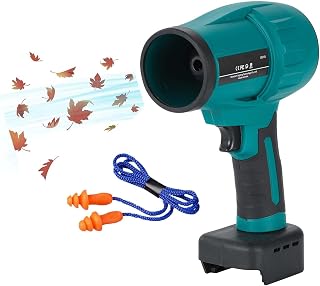

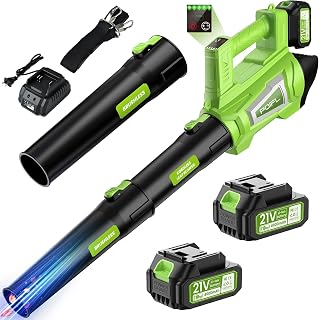


Choosing a Makita cordless leaf blower is not simply a matter of selecting the model with the highest quoted air speed. For UK gardens, driveways, patios, paths and general outdoor maintenance, the right blower depends on a combination of airflow, air velocity, battery platform, runtime, weight, control, noise, handling and the type of debris you regularly need to move.
Makita has a particularly broad cordless outdoor power tool range, which means buyers can choose between compact blowers for quick clearing jobs and substantially more powerful machines intended for larger gardens or heavier wet leaves. Some models are designed around portability and convenience, while others prioritise higher blowing performance and longer continuous operation.
This guide is designed to help UK buyers compare Makita cordless leaf blowers intelligently rather than relying on one specification in isolation. Before purchasing, compare the exact model number, whether a battery and charger are included, the compatible battery voltage and capacity, the stated air volume, maximum air velocity, physical weight and the manufacturer's operating guidance.
Makita cordless leaf blowers are part of a wider battery-powered outdoor tool ecosystem. For households or professionals who already own compatible Makita cordless equipment, using the same battery platform can be a significant practical advantage.
A cordless blower also eliminates the need to manage a mains extension lead around a garden and avoids the starting procedure associated with petrol equipment. For many domestic jobs, the convenience of picking up a charged blower, fitting the battery and starting work immediately can outweigh the additional cost of purchasing batteries.
The best model for a small patio is unlikely to be the best choice for a large property surrounded by mature trees. Start by identifying what you actually need to clear.
A compact Makita cordless blower can make sense when the main tasks involve clearing a patio, small lawn, driveway, decking area, garage entrance or garden path. In these situations, excessive power may not provide much practical benefit.
A lighter blower is often easier to pick up repeatedly, store in a shed and use for short jobs. Compact models can also be useful for moving dry leaves and light garden debris without carrying a larger machine than necessary.
Medium gardens require a balance between airflow, runtime and portability. If the blower will be used for autumn leaf clearing over several areas, consider both battery capacity and charging arrangements rather than focusing solely on maximum air velocity.
A model with good variable-speed control can be particularly useful. Lower output can help move loose debris without scattering it everywhere, while higher output can be selected when leaves have collected in corners or become more difficult to shift.
Larger properties generally benefit from higher airflow and greater sustained performance. If mature trees regularly deposit large quantities of leaves, a more powerful Makita cordless blower may reduce the number of passes required.
However, high performance can also mean greater weight, higher battery consumption and potentially more demanding handling. Buyers should therefore consider whether maximum power is genuinely required for their property.
Two of the most important specifications on a leaf blower are air volume and air velocity. They describe different aspects of blower performance and should not be treated as interchangeable.
Air velocity describes how quickly the air is moving from the blower nozzle. A higher figure can be useful when you need to dislodge stubborn leaves, debris from gaps or material that has become relatively difficult to move.
However, maximum air velocity does not automatically mean that a blower will clear a large area faster. The nozzle configuration and volume of air being delivered also influence real-world clearing performance.
Air volume indicates how much air the machine can move over a given period. Higher airflow can be valuable when gathering larger quantities of leaves across lawns, paths and open areas.
For this reason, comparing only the headline air-speed figure can produce a misleading picture of performance. A more useful assessment considers air velocity, air volume, nozzle design, power settings and battery capacity together.
Think of air velocity as the ability to deliver a concentrated stream of moving air and airflow volume as the amount of air being moved. The best combination depends on the job.
Battery compatibility is one of the most important purchasing checks when comparing Makita cordless leaf blowers.
Do not assume that every Makita battery will fit every Makita cordless blower. Makita produces different cordless platforms and voltage classes, and the exact battery requirements depend on the blower model.
Before ordering, check the manufacturer's specification for the precise model number and confirm whether the blower is supplied as a bare tool or as a kit containing one or more batteries and a charger.
A bare-tool package can be attractive when you already own compatible batteries and a suitable charger. It can be considerably less convenient for someone entering the battery platform for the first time.
When comparing prices, therefore, compare like-for-like packages. A blower listed without a battery should not be directly compared with a kit that includes a battery and charger without accounting for the difference in contents.
Battery capacity influences how long a cordless blower can operate before recharging, although actual runtime varies according to power setting, working conditions, battery condition, temperature and the way the tool is operated.
A larger-capacity battery may provide longer operation but can also add weight. For short jobs, carrying a larger battery may offer little advantage if the task can easily be completed with a smaller pack.
Makita cordless outdoor tools can use different battery arrangements depending on the model. Some machines operate from a single battery, while higher-output equipment may use multiple batteries.
A multi-battery design can provide the electrical power required for a higher-performance machine, but it also means that the user needs enough compatible batteries to operate the tool as intended.
If you are building a Makita cordless tool collection, consider the battery requirements of the complete range rather than purchasing an outdoor tool in isolation.
Variable-speed control is more useful than it may initially appear. Maximum power is not always the best setting for garden cleanup.
Dry leaves can be surprisingly easy to scatter. A blower operated continuously at maximum output may send lightweight leaves across an area that you have already cleared. Lower settings can provide more controlled movement, allowing you to gather leaves into manageable piles.
Variable control is also helpful around flower beds, gravel, decorative surfaces, garden furniture and other areas where excessive airflow can disturb loose material.
Leaf blowers are hand-held tools, so weight and balance directly influence comfort. A blower that looks impressive on paper can become tiring if it is uncomfortable to hold for the duration of the job.
Consider the complete operating weight, including the battery. A bare-tool specification can make a machine appear lighter than it will be once a battery is fitted.
Good ergonomics include a comfortable handle, sensible trigger positioning, balanced weight distribution and controls that can be operated without repeatedly changing grip.
Two tools with similar total weight can feel very different in use. If the motor and battery place most of the weight far away from your hand, the blower can create more leverage and require greater wrist effort.
For prolonged garden work, balance can therefore be just as important as the number shown on the specification sheet.
The nozzle is responsible for directing the air stream toward the material being cleared. Its shape and design can affect how concentrated the airflow feels during use.
A narrower outlet can help create a more concentrated stream for specific tasks, whereas a broader airflow pattern may be useful for moving larger quantities of loose leaves.
When comparing Makita blowers, check which nozzles are included and whether different nozzle configurations are supplied with the exact package you are considering.
Leaf blower performance can vary considerably depending on the condition of the debris.
Dry leaves are generally easier to move because they are lighter and less likely to stick to the ground. Damp leaves can be substantially more difficult, particularly when they have accumulated into a thick layer or become compressed against a lawn, paving or other surface.
If your garden experiences heavy autumn rainfall, do not base your decision solely on how well a blower should perform with dry leaves. A higher-performance model may be more appropriate if moving damp debris is a regular requirement.
Use controlled airflow when clearing leaves from grass. Extremely aggressive blowing can scatter leaves rather than gathering them efficiently. Working in the direction of a planned collection area is usually more effective than randomly blowing across the lawn.
Hard surfaces are well suited to leaf blowers because leaves can be moved relatively easily. Pay attention to joints and gaps where small debris can collect.
A driveway often requires enough airflow to move leaves over a relatively open area. Gravel driveways require more careful control because excessive airflow can disturb loose stones.
Leaf blowers can help remove loose leaves and debris from decking, including material that accumulates between boards. Use appropriate power levels to avoid unnecessarily disturbing lightweight material.
Gravel requires a gentler approach. Start at a lower power setting and increase output only as necessary. Keeping the nozzle slightly farther from the surface can also help reduce the risk of disturbing loose aggregate.
Makita's cordless blower range includes several model families with different priorities. Model numbers can look similar, so checking the exact specification is essential before purchase.
The DUB185 is a compact cordless blower format that is particularly relevant to buyers looking for a smaller machine for light outdoor cleaning and general clearing tasks. Its compact design can make this type of blower attractive for users who value portability and easy storage.
The DUB186 is another compact Makita cordless blower worth comparing when portability and everyday garden cleanup are priorities. Buyers should check the exact package contents and specifications because retailer listings can differ in whether batteries and chargers are included.
The DUB184 represents a larger handheld blower format and is commonly considered by users who need stronger outdoor clearing performance than a compact blower provides. When evaluating it, pay particular attention to battery requirements, airflow specifications, operating weight and the intended scale of the job.
The DUB362 belongs to a higher-performance cordless blower category and is designed around a more substantial battery arrangement. This type of machine can be more suitable for demanding clearing work, but buyers should account for the additional battery requirements and overall operating weight.
The DUB363 is another high-performance Makita cordless blower model that may appeal to users who need substantial clearing capability. Buyers should check the precise specification and included accessories because model variants and retail packages can differ.
These examples illustrate why model numbers should never be treated as interchangeable. Always confirm the precise model, voltage platform, battery arrangement, included accessories and current manufacturer specifications before buying.
Makita is not the only established manufacturer producing cordless garden blowers. Depending on your existing tools and priorities, it can also be sensible to compare equivalent products from Bosch, DeWalt, Ryobi, Milwaukee, Einhell and STIHL.
Bosch has a broad range of cordless garden equipment and can be particularly relevant to domestic users who already own compatible Bosch garden tools. Compare battery ecosystems, blower performance, package contents and overall tool weight rather than judging the brands solely on maximum specifications.
DeWalt is strongly established in cordless power tools and offers battery-powered outdoor equipment as part of its wider ecosystem. It can be an interesting alternative for buyers who already have compatible DeWalt batteries.
Ryobi is known for a broad consumer-oriented cordless outdoor tool ecosystem. Buyers with several Ryobi garden products may find the shared battery platform more important than small differences in individual blower specifications.
Milwaukee's cordless equipment is particularly relevant to buyers who already use its battery platform for other tools. Compare the intended duty level, battery system, ergonomics and price of the complete setup rather than comparing bare-tool prices alone.
STIHL has extensive experience in garden and grounds-maintenance equipment and offers battery-powered blowers alongside other outdoor machinery. It is worth considering when outdoor maintenance performance is a priority and the buyer is open to a different battery ecosystem.
A single maximum velocity figure does not describe the complete performance of a leaf blower. Consider airflow volume, control, nozzle design and battery performance as well.
A bare blower may look inexpensive compared with a complete kit, but the cost of compatible batteries and a charger can materially change the overall purchase.
More powerful equipment is not automatically better for every garden. If your main job is clearing a small patio, an oversized blower may add unnecessary weight and cost.
The opposite mistake can also be frustrating. If your property regularly accumulates large quantities of wet leaves, a compact blower designed for light cleaning may require considerably more time and effort.
Always consider the operating configuration rather than relying on bare-tool weight. The battery can make a noticeable difference to the overall handling experience.
Check the contents carefully. Many cordless power tools are sold as bare units specifically for users who already own compatible batteries.
Similar-looking Makita model numbers can represent substantially different tools. Verify the exact model before comparing specifications or ordering accessories.
A useful comparison should consider the complete ownership proposition rather than one headline number.
For most domestic buyers, the answer depends more on garden size and debris conditions than on a universal power threshold.
Published runtime figures should be treated as guidance rather than a guarantee of the exact operating time you will experience.
Actual runtime depends on how aggressively the blower is operated. Continuous maximum-power use can consume substantially more energy than intermittent operation at lower settings.
Weather and battery temperature can also affect cordless equipment performance. For larger properties, having additional compatible batteries can be more practical than expecting a single battery to complete every task.
Autumn can create a concentrated demand for garden maintenance. If you intend to use a cordless blower frequently during leaf-fall season, think about battery management before buying.
Users with several compatible Makita tools may already have a useful collection of batteries and chargers. In that situation, a bare blower can make more sense than buying another battery and charger unnecessarily.
New users should calculate the cost of entering the battery platform, including the blower, battery and charger, rather than comparing the headline price of the bare machine.
For loose leaves and surface debris, a blower can significantly reduce manual raking. However, it does not eliminate the need for good collection technique.
The most efficient approach is usually to establish a collection area first and then work leaves toward it in controlled stages. Blowing aimlessly across a garden can simply redistribute the debris.
A rake can still be useful where leaves are embedded in grass, lodged in dense planting or sitting in areas where airflow cannot easily reach them.
A conventional blower moves leaves rather than collecting them directly. If you want to collect leaves rather than simply relocate them, consider whether a garden vacuum or blower-vacuum system is more appropriate.
This distinction matters when comparing equipment. A high-performance blower may be excellent for creating piles but will not provide the same collection function as a dedicated vacuum system.
Always follow the operating instructions supplied with the specific Makita model you purchase. Wear suitable eye protection where there is a risk of debris being thrown toward you, and consider hearing protection when recommended for the tool and working conditions.
Even cordless blowers can produce significant operating noise. Lower noise than some petrol equipment does not mean silent operation.
When using a blower in a residential area, consider neighbours, time of day, the duration of the task and any local restrictions that may apply. The exact noise output varies between models and operating conditions, so check the manufacturer's published information for the model you are considering.
Cordless equipment still benefits from sensible maintenance. Keeping the blower clean and storing it correctly can help preserve its condition.
Remove leaves, dust and accumulated debris from accessible exterior areas after use. Keep ventilation areas clear in accordance with the manufacturer's instructions.
Check the nozzle for damage or blockage. A damaged or obstructed nozzle can affect airflow and may compromise normal operation.
Use and charge batteries according to the manufacturer's instructions. Store them in the conditions recommended by Makita and avoid exposing them to unsuitable temperatures, moisture or physical damage.
Before each use, inspect the housing, controls, battery connection area and other accessible components. Do not continue using equipment that is visibly damaged or malfunctioning.
Keep the blower and batteries in a clean, dry and appropriate storage environment. Avoid leaving cordless equipment exposed to rain or unnecessary humidity.
Natural wind can either help or hinder leaf clearing. Where conditions permit, working with the prevailing airflow can reduce effort.
Rather than trying to move every leaf in one pass, gradually direct material toward a collection point.
Start with a moderate setting and increase output when necessary. This can give you greater control and help prevent leaves from being scattered.
A sweeping motion is often more effective than holding the airflow continuously on one small area.
Before starting, decide where leaves will ultimately go. This turns the blower from a simple debris-moving tool into part of an organised clearing process.
Dry conditions generally make leaf clearing easier. Wet leaves can become heavy and adhere to surfaces, increasing the amount of effort required.
For routine autumn maintenance, clearing leaves periodically can also prevent large accumulations from becoming compressed into difficult-to-move layers.
Customer reviews can provide useful supplementary information, but buyers should read them critically rather than relying solely on the overall star rating.
Look for recurring comments about factors that are difficult to judge from a specification sheet.
Give greater weight to reviews from customers with a similar garden size and use case. A compact blower can receive a poor review from someone expecting professional-level performance while being perfectly suitable for another buyer clearing a small patio.
When comparing UK listings, check the product description carefully before purchasing. Product titles can sometimes emphasise the tool name while leaving important package details elsewhere in the listing.
If you are deciding between a compact model and a more powerful Makita blower, consider the following trade-off.
There is no universal best configuration. The right choice is the one that provides enough performance without creating unnecessary weight, expense or battery requirements.
The best Makita cordless leaf blower depends on the size of the area, the amount and type of debris, the required runtime, the available battery platform and your preference for portability or power. A compact model can be preferable for small domestic jobs, while a higher-performance model may be more appropriate for large gardens and heavy leaf fall.
Yes. Cordless blowers can be practical for lawns, patios, driveways, paths, decking and other outdoor areas. The most suitable model depends on the scale of the property and the type of debris that needs to be cleared.
No. Air velocity is only one part of blower performance. Air volume, nozzle design, variable-speed control, battery performance and ergonomics can all influence how effective and comfortable the tool is in practice.
Some packages include batteries and chargers, while others are sold as bare tools. Always check the exact product listing and package contents before purchasing.
Only if they are compatible with the exact blower model and battery platform. Do not assume compatibility based solely on the Makita brand. Check the manufacturer's specifications for the specific machine and battery.
There is no single runtime that applies to every model and battery. Runtime varies according to battery capacity, power setting, operating conditions, battery condition and how continuously the blower is used.
Some higher-performance cordless blowers can move damp leaves, but wet or compacted leaves are more difficult to clear than dry leaves. If wet leaf clearing is a frequent task, prioritise a model with appropriate airflow and power rather than selecting solely for compactness.
Yes, but use care. Begin with a lower power setting and maintain an appropriate nozzle distance to reduce the likelihood of disturbing loose gravel.
It depends on the application. Cordless models offer convenient starting, no fuel handling and easy movement, while petrol equipment can be attractive for certain demanding applications where extended operation and high output are priorities. For many domestic users, cordless convenience is a major advantage.
A cordless model provides greater freedom of movement because there is no mains cable to manage. A corded blower can still make sense where a power outlet is conveniently available and uninterrupted mains operation is more important than portability.
A bare tool can be a sensible choice if you already own compatible Makita batteries and a charger. If you do not own the required battery platform, compare the cost of the complete setup before choosing a bare tool.
Not necessarily. A compact blower may be easier to handle and more convenient for short cleaning tasks. Higher power becomes more useful as the area, quantity of debris and difficulty of clearing increase.
There is no single specification that determines suitability. Air volume, air velocity, battery platform, runtime, weight, control and nozzle design should be evaluated together.
They can be very effective for clearing loose leaves, grass clippings and light debris from patios and paved areas. Variable-speed control can be particularly useful where you want to move debris without unnecessarily scattering it.
Store the blower in a clean, dry location and follow Makita's instructions for battery storage and charging. Keep batteries protected from unsuitable temperatures, moisture and physical damage.
The strongest choice is not necessarily the largest or most powerful Makita cordless leaf blower. For UK buyers, the better approach is to match the blower to the property and then compare the complete ownership requirements.
Start with garden size and debris type. Then compare airflow, air velocity, control, battery compatibility, runtime expectations, operating weight and package contents. If you already own Makita cordless equipment, battery compatibility may be one of the most important factors in the decision.
Before buying, verify the latest specifications for the exact model, compare current UK retailer listings, read relevant customer reviews and check whether the advertised price includes the batteries and charger you actually need. Product availability, package contents and prices can change, so these details should always be confirmed at the time of purchase.
For a small garden, prioritise lightweight handling and convenience. For a medium-sized property, look for a balanced combination of airflow, battery life and ergonomics. For large gardens or heavy autumn leaf fall, consider a higher-performance model and plan your battery capacity accordingly.