

♥ Wishlist
Compare 7 verified Cordless Leaf Blowers products in United Kingdom. Reviews, ratings, pros, cons and buying advice updated for October 2026.
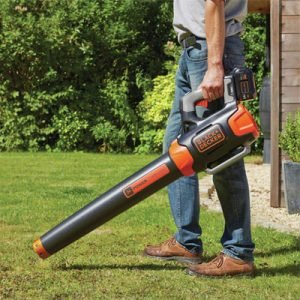
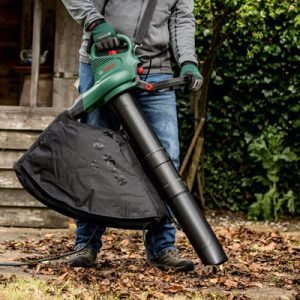
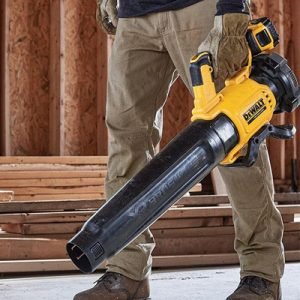
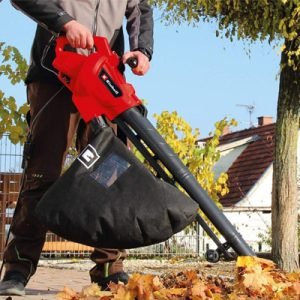
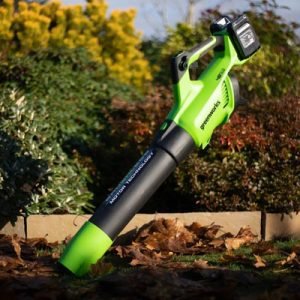
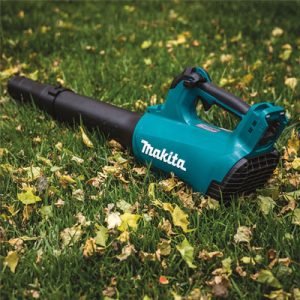
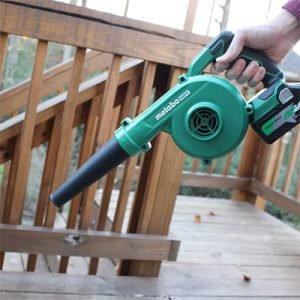
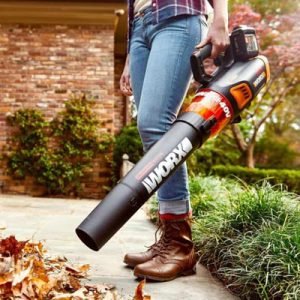


Choosing a cordless leaf blower for a UK garden involves more than comparing maximum air speed. The most suitable model depends on the size of the area, the type and volume of debris, battery ecosystem, operating time, weight, noise, storage requirements and how often the blower will be used. A compact blower can be ideal for patios, paths and small gardens, while larger properties may benefit from a higher-output model with a larger battery and more efficient airflow.
For an independent buying decision, compare the complete specification rather than relying on a single headline figure. Air speed, air volume, battery capacity, tool weight and control design all affect how useful a cordless blower is in everyday conditions. Brands such as Makita, DeWalt, Bosch, Ryobi, Einhell, Greenworks and STIHL offer cordless outdoor power tools across different performance and battery-system categories, but the right choice still depends on the particular job.
Two of the most important specifications on a cordless leaf blower are air speed and air volume. They describe different aspects of performance and should not be treated as interchangeable.
For general garden maintenance, a balanced combination of air speed and air volume is often more useful than selecting the model with the highest advertised air-speed figure alone.
Cordless leaf blowers are commonly sold within battery platforms that are shared with other garden and power tools. This can make the battery system an important part of the buying decision.
Voltage describes the electrical platform rather than directly telling you how long the blower will run. Battery capacity, normally stated in amp-hours (Ah), gives a better indication of the amount of stored energy available within a particular battery. Runtime is nevertheless affected by operating mode, motor efficiency, temperature, battery condition, and whether the blower is used continuously at maximum output.
A common mistake is comparing the price of a bare cordless blower with the price of a complete kit from another manufacturer. A bare tool normally makes most sense when you already own compatible batteries and a charger.
If you are entering a new battery platform, calculate the total cost of ownership. Consider the blower, one or more batteries, charger and any additional accessories required for the intended work. A seemingly inexpensive tool can become considerably more expensive if a suitable battery and charger must be purchased separately.
Conversely, a more expensive kit can offer better value if the included battery is appropriate for the required workload and can also power other tools you expect to use in the future.
For a small garden, patio, balcony area or short driveway, portability can be more important than maximum output. A compact blower with a manageable battery and variable speed control can make routine sweeping considerably easier without introducing unnecessary weight.
A medium-sized garden generally benefits from a balance between airflow, runtime and weight. Look for a battery capacity that provides sufficient working time for the typical clearing session and controls that make it easy to switch between gentle and high-output operation.
Larger properties can justify a higher-output blower, larger battery capacity or multiple batteries. Ergonomics become increasingly important because a blower that is comfortable for five minutes may become tiring during extended clearing sessions.
Wet leaves are substantially more difficult to move than dry leaves. A cordless blower intended primarily for light patio debris may be frustrating when used on damp piles. For demanding autumn clean-up, prioritise useful airflow, controllable power and a battery system capable of supporting the required workload.
Brushless motor technology is common in modern cordless power tools and is available in many higher-specification leaf blowers. A brushless motor does not use conventional motor brushes, which can reduce one source of mechanical wear and can support efficient electronic motor control.
That does not mean every brushless blower is automatically better for every buyer. The overall design, battery system, airflow characteristics, controls, weight and price still matter. If a blower will be used frequently or for demanding work, brushless technology may be particularly worth considering.
Leaf blowing is a repetitive task, so handling characteristics can have a significant effect on comfort. Do not judge weight in isolation. Battery placement, handle position, motor housing shape and nozzle length all influence how the tool feels during operation.
Maximum power is not always the best setting. Excessive airflow can scatter dry leaves in multiple directions, disturb loose soil or move lightweight debris into areas that have already been cleared.
Variable speed control allows more precise work. Lower settings can be useful around flower beds, gravel, garden furniture and delicate surfaces, while higher settings can help move heavier leaves and debris from hard surfaces.
A good control system should make it straightforward to increase or reduce power without interrupting the job. For regular garden maintenance, controllability can be more valuable than a higher theoretical maximum output.
The nozzle is directly involved in converting the blower's airflow into usable clearing performance. Different designs can suit different tasks.
When comparing models, check which nozzles are included rather than assuming every pictured accessory comes with the standard package.
Cordless blowers are generally more convenient than petrol machines for many domestic users, but they are not silent. Motor noise and the high-velocity airflow can still be noticeable, particularly at maximum power.
Consider the surroundings in which the blower will be used. If you live close to neighbours, a model with effective variable-speed control may allow routine cleaning at a lower setting. It is also sensible to check the manufacturer's published noise information rather than relying on generic descriptions such as “quiet”.
Hearing protection can be appropriate when operating a noisy blower for extended periods. Follow the manufacturer's safety instructions and consider the conditions around the work area before starting.
Runtime figures should be treated as guidance rather than a universal measurement. A blower operated continuously at maximum output will normally place a greater demand on its battery than one used intermittently at lower power.
When comparing runtime information, check whether the stated figure relates to continuous operation, a particular speed setting, a particular battery capacity or a specific test condition. Comparing two runtime numbers without checking the battery sizes and operating conditions can lead to an inaccurate conclusion.
For larger gardens, a second compatible battery can sometimes be more practical than waiting for a single battery to recharge. However, the additional battery increases the overall purchase cost, so it should be considered against the actual amount of work performed.
UK gardening frequently involves damp conditions, but cordless electrical equipment should not automatically be treated as suitable for use in rain simply because it is designed for outdoor work. Check the manufacturer's instructions for the specific tool and battery before operating it in wet conditions.
After use, remove loose debris and store the blower and batteries according to the manufacturer's guidance. Batteries should be protected from unsuitable temperatures, moisture and physical damage. Keeping the equipment clean and dry can also make inspection and routine maintenance easier.
Not always. A blower is designed primarily to move debris from one location to another. A garden vacuum or blower-vac can collect material where collection is required, although the two tool types have different strengths and limitations.
If your normal routine is to move leaves into a manageable pile before collecting them manually, a blower may be sufficient. If you regularly need to collect large quantities of leaves directly into a bag, a blower-vac may be more appropriate.
Some cordless garden systems offer combination machines capable of blowing and vacuuming. Compare the collection capacity, conversion process, shredding function where applicable, weight and battery requirements before choosing a combination model.
For many household gardens, cordless technology offers a useful compromise between mobility and ease of use. The appropriate choice depends on property size, clearing frequency and the amount of heavy debris involved.
If you already own cordless tools, battery compatibility deserves serious consideration. A blower from the same platform may allow an existing battery and charger to be used, provided the specific tool is compatible.
Popular UK power-tool ecosystems include ranges from Makita, DeWalt, Bosch, Ryobi and Einhell, while outdoor-power specialists such as STIHL and Greenworks also offer battery-powered garden equipment. Battery systems are not universally interchangeable between brands, so check the exact platform and voltage before purchasing.
Building around one battery ecosystem can reduce the number of chargers and spare batteries required. It can also make future purchases easier because additional compatible bare tools may be available within the same range.
A high air-speed number does not describe the complete airflow performance. Consider air volume, nozzle design and the conditions in which the blower will actually be used.
Check whether the listed price represents a bare tool or a complete kit. If a battery and charger are not included, add their cost before comparing offers.
More output can increase weight, battery consumption and purchase cost. For small cleaning jobs, controllability and portability may be more valuable.
A lightweight compact blower may be perfectly adequate for dry leaves and patio debris but struggle with wet, compacted material. Match performance expectations to the heaviest job you expect to perform.
A specification sheet cannot fully describe how comfortable a tool will feel during repeated use. Weight, balance, grip design and control placement should all be part of the comparison.
Product photographs can show a battery and charger even when the selected package is a tool-only version. Always verify the exact kit contents before purchasing.
A structured comparison makes it easier to separate meaningful differences from marketing terminology. Consider the following criteria:
Higher-specification models often focus on a combination of output, control, battery efficiency and ergonomics rather than a single headline specification. Depending on the manufacturer and product range, premium models may feature brushless motors, electronic speed control, higher-capacity battery compatibility, improved balance, multiple operating modes and more substantial construction.
However, premium specifications are only useful if they correspond to your workload. A homeowner clearing a small patio twice a month may gain little practical benefit from the largest professional-grade system, whereas a user managing a large garden throughout autumn may appreciate the additional capacity and durability.
Budget models can be attractive for occasional light-duty work, but compare the complete specification carefully. The most important questions are whether the battery and charger are included, how the battery platform can be used with other tools, whether speed control is available and whether the output matches your intended debris.
Do not automatically equate a lower price with poor quality, or a higher price with better value. Value depends on how effectively the complete package meets the user's requirements over time.
Routine care can help keep a cordless blower ready for use. Always follow the manufacturer's maintenance instructions for the particular model.
Leaf blowers can move stones, sticks and other debris at high speed. Before operating one, inspect the area and remove loose objects that could become projectiles.
For UK shoppers, availability of replacement batteries, chargers and compatible tools can be just as important as the initial purchase. A cordless blower is part of a wider equipment ecosystem, so consider whether the manufacturer provides a broader range of compatible garden tools that could be useful later.
Also check the exact model number, kit configuration and manufacturer specification when comparing listings from different retailers. Product names can be similar across battery platforms, while included accessories and battery capacities can differ substantially.
When purchasing through an affiliate retailer, review the retailer's current listing for the latest price, stock status, delivery information, warranty terms and return conditions. These details can change and should not be assumed from an editorial buying guide.
The best-value option is not necessarily the cheapest blower. Consider the total cost of ownership over the period you expect to use it.
Customer reviews can provide useful information about everyday usability, but they should be evaluated alongside the manufacturer's specifications. Look for recurring comments about battery life, handling, controls, noise, build quality and suitability for the type of debris you intend to clear.
Pay particular attention to reviews that explain the user's garden size and workload. A customer clearing a small patio has very different requirements from someone maintaining a large property with extensive lawns and mature trees.
Review dates can also matter because manufacturers sometimes update products, batteries, kits or packaging. Check the exact model number when comparing customer feedback with the specification of the product you intend to buy.
There is no single best model for every UK garden. The right choice depends on garden size, debris type, required runtime, preferred weight, battery compatibility and budget. Compare airflow, battery configuration, controls and ergonomics rather than choosing solely by brand or maximum air speed.
Some higher-output cordless blowers can handle damp leaves, but wet and compacted material is considerably more demanding than dry leaves. For regular wet-leaf clearing, prioritise useful airflow, suitable battery capacity and controllable power.
A brushless model can be a worthwhile choice for frequent or demanding use because brushless motor technology can provide efficient electronic control and avoids conventional motor-brush wear. The overall specification and price should still be considered before deciding.
There is no universal runtime. Actual operating time depends on battery capacity, blower model, speed setting, boost-mode use, temperature and workload. Use manufacturer runtime information as a guide and compare it with the conditions in which you expect to work.
Sometimes. This depends on whether both tools belong to the same manufacturer's compatible battery platform and whether the battery is approved for use with both products. Always check the exact battery and tool specifications rather than assuming compatibility based only on voltage.
They generally avoid many engine-related tasks associated with petrol equipment, such as fuel management and combustion-engine servicing. However, cordless models still require appropriate battery care, cleaning, inspection and storage.
No. Air speed is only one part of blower performance. Air volume, nozzle design, variable-speed control and battery capability also influence how effectively a blower handles different types of debris.
Variable speed is particularly useful for domestic gardens because it provides greater control. Lower settings can reduce unnecessary scattering of lightweight debris, while higher settings can be reserved for heavier or more stubborn material.
Choose a capacity appropriate to the length of your typical work session. A larger battery can provide more energy but also adds weight and cost. If you already own compatible batteries, using the existing platform may offer better overall value.
Yes, provided the blower has sufficient airflow for the material involved. Dry leaves and light debris are generally easier to move than wet leaves, gravel or compacted material. Use care around loose stones and inspect the surface before operating the blower.
Check the exact model number, battery capacity, included accessories, whether the battery and charger are included, retailer terms, current price, delivery information and applicable warranty and return conditions. Do not rely solely on product photographs or abbreviated listing titles.
Before choosing from the top-rated cordless leaf blowers available in the UK, compare the models against your actual requirements rather than simply selecting the highest specification.
The best cordless leaf blower for your UK garden is the one that provides an appropriate balance of airflow, runtime, weight, control and battery compatibility for the work you actually perform. Small gardens can often benefit from compact, lightweight equipment, while larger properties and heavy autumn workloads can justify higher-output systems and additional batteries.
When comparing top-rated models in 2026, look beyond headline air-speed figures. Examine the complete specification, distinguish bare tools from kits, assess the battery ecosystem, consider ergonomics and verify the current retailer information before making a purchase. This approach makes it easier to identify a cordless leaf blower that offers practical value rather than simply an impressive specification.