

♥ Wishlist
Compare 5 verified Cordless Chainsaws for Cutting and Garden Maintenance products in United Kingdom. Reviews, ratings, pros, cons and buying advice updated for October 2026.
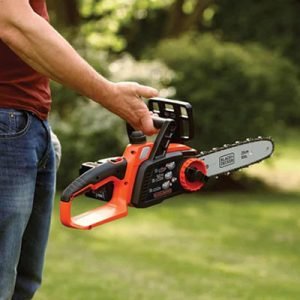
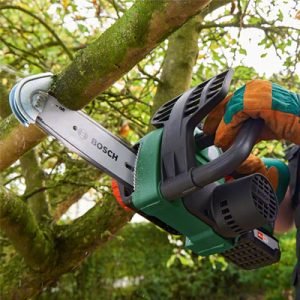
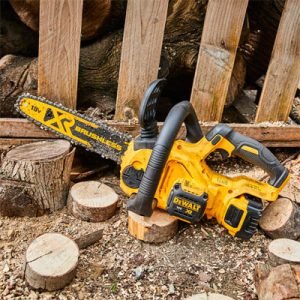
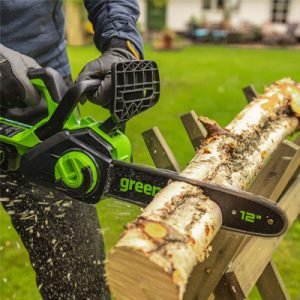
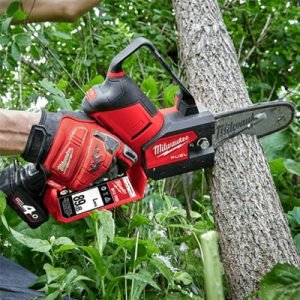
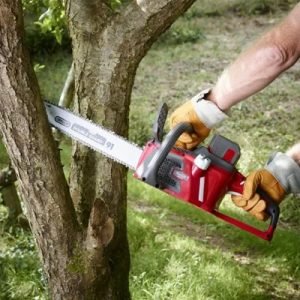
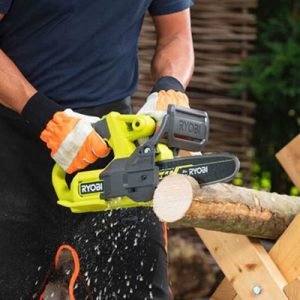


A cordless chainsaw can be a practical choice for homeowners, gardeners, allotment users and property owners who need the freedom of battery power without handling a petrol engine or running an extension cable across the garden. However, the best cordless chainsaw for one UK user may be unsuitable for another. Cutting diameter, battery platform, guide-bar length, motor technology, weight, safety equipment and the type of timber being cut all affect which model makes sense.
When comparing top-rated cordless chainsaws, it is useful to look beyond star ratings or headline battery claims. A well-rounded buying decision should consider the complete tool system, including the battery and charger, replacement chain availability, chain adjustment, lubrication, balance, braking systems and the manufacturer's recommended operating conditions. Brands such as Bosch, Makita, DeWalt, Milwaukee, Einhell, Ryobi, Husqvarna, STIHL and Greenworks offer cordless outdoor power equipment across different user groups, but specifications vary considerably between individual models.
For UK buyers, another important consideration is the nature of the work. Cutting small branches, pruning fruit trees, processing logs for a domestic wood burner and felling larger trees are very different applications. A compact battery pruning saw can be convenient for light garden work, whereas heavier timber requires a substantially more capable chainsaw and greater operator competence.
"Top rated" should not be treated as a single technical specification. A highly regarded cordless chainsaw generally combines several useful characteristics rather than excelling in only one area. The right assessment looks at performance, usability, safety, durability, compatibility and ownership considerations together.
Modern battery chainsaws typically use electric motors rather than petrol engines. Many higher-specification models use brushless motors, which are designed without conventional carbon brushes and can offer efficient operation and reduced brush-related maintenance.
The motor's nominal electrical specifications alone do not tell the complete story. Battery voltage, motor control electronics, gearing, chain speed and the condition of the chain all influence practical cutting performance. Two chainsaws with similar battery voltage can behave quite differently because their overall drive systems are designed differently.
For buyers, chain speed can be a useful specification when comparing otherwise similar products, but it should not be considered in isolation. A fast chain still depends on adequate motor power, a sharp chain, appropriate chain tension and sufficient lubrication. Forcing a saw through timber can also reduce efficiency and increase stress on the cutting system.
Brushless technology is increasingly common in battery-powered outdoor equipment because the motor design eliminates replaceable carbon brushes. This can help simplify motor maintenance and may support efficient power delivery, although the actual performance of a chainsaw depends on its complete electrical and mechanical design.
A brushed motor is not automatically unsuitable for occasional garden work. If the intended workload is light and the price difference is substantial, a simpler design may still meet the user's requirements. The important question is whether the specification matches the expected frequency and intensity of use.
Battery voltage is often one of the first specifications shoppers notice, but it should not be confused with battery runtime. Voltage describes the electrical potential of the battery system, while capacity is commonly expressed in ampere-hours, or Ah. In general terms, a battery with a higher Ah rating stores more energy within the same voltage platform, although actual runtime depends on the tool, operating conditions and workload.
A higher-capacity battery can provide longer operating periods but usually adds weight, size and cost. For occasional pruning, carrying a large battery may offer little practical advantage. For repeated log cutting, additional capacity can be much more useful.
Many battery outdoor tools are sold in different configurations. A bare-tool package normally includes the chainsaw without a battery or charger, while a kit includes some combination of battery and charger.
If you already own compatible batteries from a particular platform, a bare tool can be attractive because you avoid purchasing duplicate batteries and chargers. However, compatibility should never be assumed merely because two products carry the same manufacturer's name. Check the exact battery platform specified for the chainsaw.
If you are starting from scratch, compare the complete system cost rather than the advertised chainsaw-only price. The relevant comparison is the cost of the chainsaw, appropriate battery capacity, charger and any essential accessories required for normal operation.
The guide bar is the long rail around which the cutting chain travels. Cordless chainsaws are available with different bar lengths, and the appropriate size depends on the intended work.
A longer bar does not automatically make a chainsaw more capable. It adds cutting reach but can also increase weight, resistance and the power required from the motor. Selecting a bar that is appropriately matched to the saw is generally more sensible than choosing the longest available option.
Cutting capacity is another specification worth checking carefully. The usable cutting capacity is affected by the bar, chain arrangement, saw design and the manufacturer's stated limits. A guide bar should not be treated as a promise that the chainsaw can comfortably cut timber of the same diameter in every situation.
When comparing models, look for the manufacturer's stated maximum cutting or recommended material size and consider the type of wood involved. Softwood, hardwood, freshly cut timber and dry seasoned logs can place different demands on a chainsaw.
Chain speed describes how quickly the cutting chain travels around the guide bar. It can be relevant when comparing cutting responsiveness between cordless chainsaws, but a higher published chain speed is not necessarily evidence that a saw is better for every task.
A sharp, correctly tensioned chain can have a greater effect on practical cutting than a headline specification suggests. A chain that is dull, incorrectly installed or poorly lubricated can make even a powerful cordless chainsaw feel inefficient.
Users should also avoid pushing aggressively against the timber. Chainsaws are designed to cut with the chain doing the work. Excessive force can reduce cutting efficiency and increase the likelihood of poor control.
Chain lubrication is essential because the chain and guide bar operate under friction and heat. Many cordless chainsaws use an automatic oiling system that delivers chain oil during operation.
Before choosing a model, check how the oil reservoir is filled and whether the oil level can be monitored easily. A visible oil-level indicator can be useful during longer cutting sessions. The exact oil type and maintenance procedure should follow the manufacturer's instructions.
Never treat an automatic oiler as maintenance-free. The reservoir still needs to be filled, and the lubrication system should be checked if the chain appears unusually hot, cutting performance changes or oil delivery seems inadequate.
Correct chain tension is essential for safe and efficient operation. A chain that is too loose can create problems during use, while excessive tension can place unnecessary load on the bar and drive components.
Some cordless chainsaws use tool-free tensioning systems, allowing the operator to make adjustments using an integrated knob or similar mechanism. Others require a tool such as a screwdriver or combination wrench.
For occasional users, a simple adjustment system can be a meaningful convenience. Regardless of the design, follow the manufacturer's procedure rather than relying on a generic tensioning method because chain construction and adjustment systems differ between models.
Chainsaws are powerful cutting machines and should be treated as potentially hazardous tools. Battery operation removes fuel and exhaust from the equation, but it does not remove the mechanical hazards associated with a moving chain.
Safety features should supplement correct technique rather than replace it. Read the specific operating manual before using a cordless chainsaw, particularly if you have limited chainsaw experience.
Kickback is one of the most important hazards to understand before operating a chainsaw. It can occur when the upper portion of the guide-bar nose contacts an object or when the chain becomes pinched or obstructed in a way that causes the saw to react unexpectedly.
Good operating technique, correct equipment and appropriate personal protective equipment are fundamental. Users should understand the manufacturer's instructions regarding the kickback zone, chain brake operation and recommended cutting methods.
For anyone planning to undertake substantial tree work rather than straightforward ground-level garden maintenance, professional training and appropriate qualifications or competent professional assistance should be considered.
A chainsaw's listed weight can look relatively modest on a product page, but the real handling experience also includes the battery, chain oil and the way the weight is distributed between the motor, battery and guide bar.
Balance is particularly important during pruning because the saw may be held away from the body or at different angles. A compact model that feels balanced can be more manageable for light work than a more powerful saw that is unnecessarily large for the task.
For repeated cutting, consider not only the starting weight but also how long the saw will be held and how frequently the operator needs to reposition it. Ergonomics can influence fatigue and control as much as raw motor power influences cutting speed.
Most general-purpose chainsaws use a conventional rear-handle configuration. Compact top-handle saws exist for specialist arboricultural applications, but they should not be treated as simply smaller versions of ordinary garden chainsaws.
Top-handle chainsaws are designed for specific professional applications and require appropriate training and working practices. They are not generally the right choice for an inexperienced homeowner seeking a compact pruning tool.
Battery runtime is highly variable. Cutting diameter, wood species, moisture content, chain sharpness, operator technique, temperature, battery capacity and repeated start-stop use can all affect energy consumption.
For light pruning, a modest battery may be sufficient. For processing a larger quantity of logs, having one or more additional compatible batteries can be more practical than expecting a single battery to run continuously.
If comparing claimed runtime figures, check the testing conditions and determine whether the manufacturer specifies an exact number of cuts, a particular timber size or another controlled scenario. Such figures should not be interpreted as guaranteed real-world operating time.
For people already using cordless drills, impact drivers, hedge trimmers, leaf blowers or other outdoor equipment, battery compatibility can be one of the most important buying considerations.
A homeowner invested in a particular battery ecosystem may obtain more practical value from a compatible chainsaw than from a technically similar standalone product that requires a completely different battery and charger.
Brands including Bosch, Makita, DeWalt, Milwaukee, Ryobi, Einhell and Greenworks offer battery-powered tool ecosystems, while outdoor-power specialists such as Husqvarna and STIHL also have dedicated battery ranges. Always verify the exact battery family and compatibility information for the individual chainsaw rather than assuming that every battery from a brand will fit every tool.
For many domestic users, cordless chainsaws offer a useful middle ground between small electric garden tools and petrol-powered chainsaws.
A cordless chainsaw is particularly attractive when mobility and ease of starting matter more than continuous heavy-duty operation. Petrol equipment may still be more appropriate for demanding professional applications, while corded electric tools can suit users working close to a suitable power source.
Corded electric chainsaws can be useful for users who primarily work close to a building with an appropriate electrical supply. Their major limitation is the power cable, which needs to be managed safely throughout the job.
Cordless models eliminate that cable and are generally easier to move around a garden, but their operating time depends on battery capacity and charging arrangements. The better choice depends on the property, cutting workload and whether the user already owns compatible batteries.
For substantial tree removal, work at height or technically difficult felling, hiring a qualified professional can be a safer and more appropriate solution than selecting a larger consumer chainsaw.
Brushless cordless chainsaws can be particularly interesting for users who expect regular use. Their electronic motor control and brushless motor construction can provide an efficient modern alternative to older brushed designs.
However, buyers should still compare the complete specification. Brushless does not by itself establish cutting performance, durability or suitability for a particular job. Guide-bar size, chain type, battery platform, ergonomics and the manufacturer's intended application remain important.
Compact cordless chainsaws are designed around manoeuvrability and convenience rather than maximum cutting capacity. They can be useful for garden maintenance where branches are relatively small and the operator benefits from a lighter, shorter tool.
When comparing compact pruning-oriented models, pay attention to total weight with the battery fitted, handle design, trigger arrangement, guide-bar length and chain adjustment. A compact saw should still have appropriate safety features and should only be used within its stated application.
Firewood preparation places different demands on a chainsaw from pruning. Repeatedly cutting logs can require greater endurance, more battery capacity and a chain that remains sharp under sustained use.
Consider the typical log diameter rather than choosing a model based solely on the largest possible bar. A well-matched saw can be easier to handle and more efficient for the majority of cuts.
Users should also think about where the timber will be cut. Stable work positioning, suitable supports and keeping the cutting area clear can make a substantial difference to safe operation.
Routine garden maintenance generally calls for a balance between reach, manoeuvrability and cutting capacity. A homeowner dealing mainly with occasional branches may not benefit from a heavy-duty chainsaw designed for much larger timber.
For pruning work, avoid selecting a chainsaw simply because it has the longest bar or largest battery. A lighter model that comfortably handles the intended branch sizes can be easier to control and transport.
Wood species can influence cutting performance. Harder timber can require more effort from the cutting system than softer timber of the same diameter. Dry, dense logs can also behave differently from freshly cut wood.
A saw that handles occasional softwood branches comfortably should not automatically be assumed to be suitable for repeated cutting of large hardwood logs. Match the saw to the manufacturer's intended application and the expected workload.
A chainsaw chain is a consumable cutting component. Even a high-quality cordless chainsaw cannot perform efficiently if its chain becomes dull.
Signs of a chain that may need attention include reduced cutting efficiency, excessive effort during cutting, unusually fine sawdust instead of appropriate chips and the saw tending to cut unevenly. The exact maintenance procedure depends on the chain and manufacturer.
Learning basic chain inspection and sharpening principles can be valuable for regular users. Those who are uncomfortable maintaining a chain should use an appropriate professional sharpening service or follow the manufacturer's recommended maintenance arrangements.
Before buying a cordless chainsaw, investigate the availability of compatible replacement chains and guide bars. The chain must match the saw's required pitch, gauge, drive-link count and other specified characteristics.
Do not purchase a replacement chain solely because the advertised bar length appears identical. Chainsaw components need to be compatible with the complete cutting system.
Keeping a suitable replacement chain available can reduce downtime for regular users, particularly when a chain becomes damaged or reaches the end of its service life.
Chain pitch refers to the spacing of the chain's rivets and is used to identify compatible chain systems. Gauge relates to the thickness of the drive links that fit into the guide-bar groove.
These specifications matter because an apparently similar chain may not fit correctly. When replacing a chain, use the dimensions specified for the exact chainsaw, guide bar and sprocket configuration.
Chainsaw chain oil is different from simply treating the machine as a dry cutting tool. The chain and guide bar require appropriate lubrication during operation, and the oil reservoir should be checked before use.
After use, remove accumulated sawdust, wood debris and other material from appropriate external areas. Particular attention should be given to the guide-bar groove, chain area and ventilation openings where the manufacturer's instructions permit cleaning.
Always follow the manufacturer's procedure for removing the battery before cleaning or performing maintenance. The chainsaw should be made safe before the operator works near the cutting chain.
Battery care is part of chainsaw ownership. Lithium-ion batteries should be stored and charged according to the battery manufacturer's instructions. Avoid exposing batteries to conditions outside their specified operating and storage ranges.
For seasonal garden users, it is sensible to check the battery condition before an extended period of storage and inspect it for visible damage. A damaged battery should not be used.
A cordless chainsaw still requires appropriate personal protective equipment. The exact requirements depend on the work, environment and applicable UK guidance, but chainsaw users should consider suitable protective clothing and equipment rather than treating a battery-powered model as a low-risk garden appliance.
Personal protective equipment should be correctly selected, fitted and maintained. Protective clothing is not a substitute for safe cutting technique, appropriate training or using the correct tool for the job.
A longer guide bar can look more capable, but it also adds size and can demand more from the motor. Choose the bar according to the material you actually intend to cut.
Battery voltage does not provide a complete picture of chainsaw performance. Compare motor design, chain speed, battery capacity, cutting system and intended application as well.
A low bare-tool price can become considerably less attractive once a suitable battery and charger are added. Compare the complete ownership setup.
An oversized saw can be heavier and less convenient for routine pruning. Buy according to the majority of your intended work rather than the largest task you might perform once a year.
Chains wear and require sharpening or replacement. Check that appropriate chains, guide bars and other consumables can be obtained for the exact model.
Battery platforms differ, even within a manufacturer's wider product range. Verify compatibility using the exact product specifications.
Customer ratings can be useful when available, but ratings alone do not establish whether a chainsaw is appropriate for your workload. Specifications, intended application and ownership requirements should be considered alongside customer feedback.
A useful comparison starts with the job rather than the brand. Write down the approximate branch or log diameter, expected frequency of use, location of the work and whether you already own compatible batteries.
Brand choice can matter particularly when the buyer already owns battery-powered tools. Bosch, Makita, DeWalt, Milwaukee, Ryobi and Einhell are established names across various cordless tool categories, while Husqvarna, STIHL and Greenworks have strong associations with outdoor power equipment and battery garden machinery.
This does not mean one brand is universally the best. Each product family can target different levels of performance, ergonomics, battery capacity and intended use. The correct approach is to compare the individual chainsaw specifications rather than selecting a brand solely because it is familiar.
Suppose a household already owns several compatible cordless tools and batteries. In that situation, adding a chainsaw to the same ecosystem can reduce the need to purchase another charger and battery family.
For a first-time cordless-tool buyer, however, the calculation is different. The buyer should compare the cost of entering each ecosystem, including the battery capacity appropriate for the chainsaw. This can reveal that the cheapest-looking chainsaw is not necessarily the least expensive complete setup.
Customer feedback can reveal useful information about practical ownership, but it should be interpreted carefully. Look for recurring comments about battery compatibility, chain adjustment, ergonomics, oiling, ease of assembly and suitability for the type of work you intend to perform.
Individual reviews can reflect unusual circumstances or expectations that differ from your own. A complaint about runtime may come from someone performing heavy cutting with a small battery, while praise for a compact model may come from a homeowner using it only for light pruning.
When available, compare customer feedback with the manufacturer's technical specifications and the product's stated intended application.
One of the easiest ways to make an inaccurate price comparison is to compare a bare chainsaw with a kit that includes a battery and charger. The two listings may have similar product names but represent different purchase packages.
For a fair comparison, record the following separately: chainsaw, battery, charger and included accessories. Then compare the total cost of obtaining everything required for your intended use.
When the chainsaw is not being used, store it in accordance with the manufacturer's instructions. The cutting chain should be protected from accidental contact, the battery should be removed where appropriate and the tool should be kept in a suitable dry storage environment.
Before putting the saw away for an extended period, inspect the chain, guide bar and oil system. Cleaning accumulated debris can make the next use easier and helps you identify damage before the tool is returned to service.
Battery performance can be affected by temperature. If a cordless chainsaw is being used during colder UK weather, follow the battery manufacturer's guidance regarding operating and charging temperatures.
Do not assume that a battery that has been stored in a very cold environment should immediately be placed on charge. Follow the specific instructions supplied with the battery system.
Some cordless chainsaws are designed to cut relatively substantial timber, but suitability depends on the exact model, motor, battery system, guide bar and chain. A battery chainsaw should never be judged by the word "cordless" alone.
For large logs, check the manufacturer's stated cutting capacity and intended application. If the job approaches or exceeds those limits, selecting a larger professional-grade machine or using a qualified professional may be more appropriate.
Some chainsaws are capable of cutting timber associated with tree work, but tree felling is a specialist activity rather than a normal extension of garden pruning. Felling involves assessing the tree, surroundings, escape routes, wind, lean, branches, surrounding structures and potential hazards.
Do not assume that owning a sufficiently powerful chainsaw means you have the skills or equipment required for safe tree felling. Significant or technically difficult trees should be handled by appropriately trained professionals.
Storm-damaged trees and branches can be particularly hazardous because timber may be under tension or compression. Fallen branches can shift unexpectedly, and partially attached limbs can move when cut.
Small, stable branches within the chainsaw's intended application may be manageable for a competent user, but complex storm damage should be left to an appropriately trained professional. Never treat a damaged tree as ordinary firewood.
Cordless chainsaws generally avoid the exhaust noise and engine operation associated with petrol models, but they are still powerful machines that produce mechanical and cutting noise. If working in a residential area, consider reasonable operating hours and the proximity of neighbours.
The absence of a petrol engine should not be interpreted as meaning the tool is silent or suitable for unrestricted use at any time.
Battery-powered chainsaws eliminate petrol fuel mixing, engine exhaust at the point of use and the need to store fuel for the machine. They still depend on electricity for charging and use lithium-ion battery technology that should be managed and recycled responsibly at the end of its useful life.
For environmentally conscious buyers, consider the expected service life of the tool and battery, repairability, availability of replacement parts and whether the battery platform can be used across multiple tools. A durable battery system used across several machines can be more practical than repeatedly replacing complete tool-and-battery combinations.
There is no single cordless chainsaw that is automatically the best option for every UK buyer. Instead, narrow the choice according to application.
The chainsaw itself is only one part of a useful setup. Depending on the work, a buyer may need compatible batteries, a charger, suitable chain oil, maintenance equipment, protective equipment and a safe method of supporting the material being cut.
Regular users should also consider purchasing appropriate sharpening equipment or arranging professional chain sharpening. Keeping a correctly maintained chain available can be more useful than spending the entire budget on a larger saw that exceeds the user's actual requirements.
The purchase price is only one component of the cost of owning a cordless chainsaw. Batteries eventually age, chains require sharpening or replacement, guide bars can wear and other components may need attention over time.
When comparing models, consider the availability and cost of consumables as well as the initial tool price. A chainsaw that uses readily available replacement components can be easier to maintain over a longer ownership period.
Product listings often place the most impressive numbers prominently, but a sensible comparison should look at specifications as a group. A higher voltage, longer bar or larger battery does not automatically make a chainsaw the best choice.
For example, a larger battery may extend operating time but increase weight. A longer bar may increase reach but reduce manoeuvrability. More motor power may improve cutting performance but may be unnecessary for small garden branches.
The strongest specification is therefore the one that fits the job. Commercial investigation should focus on suitability rather than collecting the largest numbers.
The best cordless chainsaw depends on the work being performed, the required cutting capacity, battery platform, budget and preferred ergonomics. A compact pruning saw may be the better choice for garden branches, while a more powerful battery chainsaw can be appropriate for larger timber within its specified limits.
Many cordless chainsaws are capable of cutting firewood, provided the log diameter and wood type fall within the manufacturer's stated application. Battery capacity and chain condition become increasingly important when processing larger quantities of timber.
Brushless motors offer a modern motor design and can provide efficient operation with reduced brush-related maintenance. However, brushless technology alone does not determine whether a particular chainsaw is the best option. Compare the complete specification and intended application.
There is no universal runtime. Actual battery life varies according to battery capacity, timber size, wood species, chain sharpness, operating technique, temperature and the amount of cutting performed. Manufacturer runtime or cut-count information should be interpreted according to its stated testing conditions.
A higher Ah battery generally provides greater stored energy within the same battery-voltage platform, but it can also be heavier and more expensive. The ideal capacity depends on how much cutting you need to perform between charges.
Not necessarily. A longer bar can provide greater reach and cutting capacity, but it can also add weight and require more power. Choose a guide bar appropriate for the timber and work the chainsaw is designed to handle.
Yes. Chainsaw chains and guide bars require appropriate lubrication during operation. Follow the manufacturer's instructions for the correct oil, filling procedure and maintenance of the automatic oiling system.
No. Replacement chains must match the chainsaw's required pitch, gauge, drive-link count and other applicable specifications. Always verify compatibility with the exact model and guide bar.
They can eliminate several petrol-engine maintenance tasks, such as fuel mixing and engine-related servicing, but they still require chain sharpening, lubrication, cleaning, tension adjustment and battery care.
A cordless chainsaw may be easier to start and handle than some petrol equipment, but it remains a potentially dangerous cutting machine. Beginners should read the manual, understand the safety controls and learn appropriate chainsaw technique before undertaking cutting work.
Some battery chainsaws are designed for substantial cutting, but tree felling is a specialist operation requiring appropriate knowledge, planning, equipment and technique. Significant or hazardous trees should be assessed and handled by appropriately trained professionals.
For occasional use, prioritise manageable weight, appropriate cutting capacity, easy chain adjustment, dependable safety features and a battery system that suits your existing tools. A larger professional-oriented chainsaw may provide capabilities you rarely need.
If you already own compatible batteries and a charger, a bare tool may make sense. If you are new to the battery platform, compare complete kit prices because the battery and charger are essential parts of the operating system.
Recognised brands with cordless chainsaw or battery outdoor-power offerings include Bosch, Makita, DeWalt, Milwaukee, Ryobi, Einhell, Greenworks, Husqvarna and STIHL. Product availability, battery compatibility and specifications vary by model and market, so compare the exact UK specification rather than relying only on brand reputation.
Check the exact model number, guide-bar length, chain specification, battery platform, battery and charger inclusions, stated weight, intended cutting capacity, safety features, replacement-part compatibility and the current retailer terms. Product bundles can differ even when the core model name appears similar.
The best top-rated cordless chainsaw is not necessarily the most powerful, the most expensive or the one with the longest guide bar. It is the model whose cutting capacity, battery system, weight, controls, maintenance requirements and safety features align with the work you actually intend to perform.
For light garden maintenance, compactness and manoeuvrability can be more valuable than maximum power. For firewood, battery capacity and cutting-system durability deserve greater attention. For regular users already invested in cordless tools, battery-platform compatibility can have a major impact on overall value.
Before purchasing, compare the exact UK product specification, complete kit contents and current retailer information. Read the manufacturer's operating and safety instructions, verify replacement-chain compatibility and make sure the saw is appropriate for the size and type of work involved.
Most importantly, do not allow a product ranking, customer rating or attractive specification to substitute for proper chainsaw safety. Battery-powered operation makes starting and refuelling simpler, but a chainsaw remains a high-powered cutting tool that requires responsible handling, suitable protective equipment and appropriate competence.