

♥ Wishlist
Compare 31 verified Buy Cordless Multi Tools in the UK products in United Kingdom. Reviews, ratings, pros, cons and buying advice updated for October 2026.
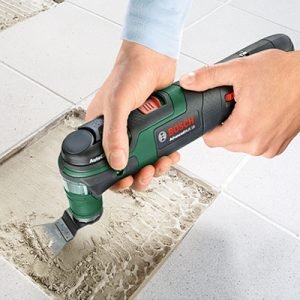
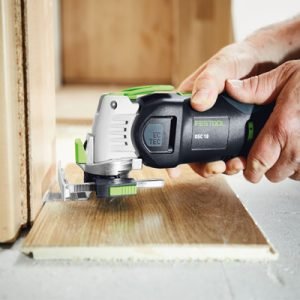
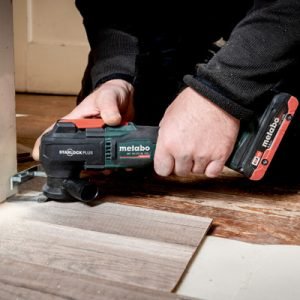
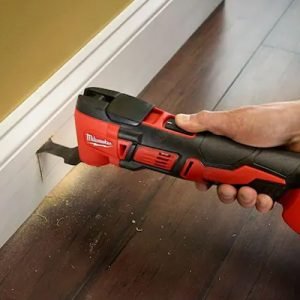
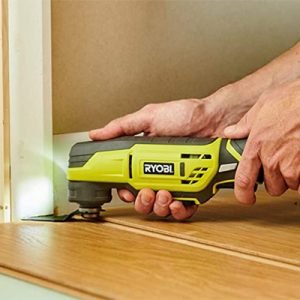


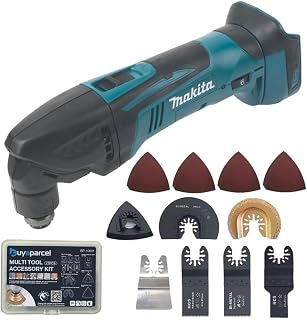


A cordless multi tool can be one of the most versatile power tools in a UK workshop, particularly when a job requires controlled cutting, sanding, scraping or detail work in a confined area. Unlike a conventional saw or sander, an oscillating multi tool accepts different accessories so one compact machine can handle several tasks. The best choice depends less on having the highest headline specification and more on matching the tool's battery platform, oscillation performance, ergonomics, accessory system and intended workload.
For UK buyers, it is worth comparing the complete tool ecosystem rather than judging the bare machine in isolation. A tool that looks inexpensive may become considerably more expensive if you also need batteries, a charger and several specialist accessories. Conversely, buyers who already own compatible batteries from a manufacturer may be able to choose a body-only multi tool and avoid duplicating chargers and battery packs.
A cordless oscillating multi tool uses a small, rapid back-and-forth movement rather than the rotating action found in drills, angle grinders and many other power tools. This oscillating movement allows a narrow accessory to work precisely in places where a larger blade or sanding tool would be difficult to control.
Typical accessories include plunge-cut blades, segmented blades, sanding pads, scrapers and specialist attachments. Depending on the accessory and material, the same machine can be used for tasks such as trimming timber, cutting plastic, removing old adhesive, sanding corners and making openings in sheet materials.
The compact head is particularly useful for renovation and repair work. It can reach into corners, work close to finished surfaces and make controlled cuts where a conventional saw would have limited access.
There is no single specification that determines whether a cordless multi tool is suitable. A sensible comparison should consider the complete combination of power delivery, speed control, battery system, accessory compatibility, handling and intended application.
The battery platform is one of the most important buying decisions. If you already own cordless tools, staying within the same battery ecosystem can reduce the cost and inconvenience of maintaining several different chargers and battery types.
Popular UK professional and DIY ecosystems include DeWalt XR, Makita LXT, Bosch Professional, Milwaukee M18, Metabo, Hikoki, Ryobi ONE+ and Einhell Power X-Change. These systems differ in battery design, tool range, capacity options and charger arrangements, so compatibility should always be checked for the exact model.
Do not assume that two batteries from the same manufacturer are automatically interchangeable. Manufacturers may operate several voltage classes or generations, and compatibility can vary between product families.
Cordless multi tools are commonly sold either as a bare machine or as a kit containing one or more batteries and a charger. A bare tool can make sense when compatible batteries and a charger are already available. A complete kit can be more practical for someone entering a battery platform for the first time.
When comparing prices, calculate the cost of the complete setup rather than comparing bare-tool prices with fully equipped kits. A lower initial price does not necessarily represent better overall value if essential components have to be purchased separately.
Oscillation speed affects how the accessory behaves in use. A higher maximum speed can be useful for certain cutting and sanding applications, while lower settings can provide greater control for delicate materials and finishing work.
Variable-speed control is therefore often more useful than simply choosing the model with the highest maximum oscillation rate. The ideal setting depends on the accessory, material, cutting depth and level of control required.
The oscillation angle describes how far the accessory moves through each side of its oscillating cycle. A larger angle can contribute to faster material removal, while a smaller movement may favour controlled work.
It is important not to compare oscillation angle figures without considering how the manufacturer specifies them. Specifications may be presented in different ways, so use the manufacturer's stated measurement method when comparing models.
The quality and availability of accessories can have as much practical importance as the power tool itself. Before buying, check which blade and accessory mounting system the multi tool uses and whether the accessories you expect to need are readily available.
Useful accessories can include:
Always match the accessory to the material and follow the accessory manufacturer's instructions. A premium multi tool cannot compensate for an inappropriate, damaged or blunt blade.
A tool-free accessory-change mechanism can save time when a job requires frequent switching between blades, scrapers and sanding attachments. This feature becomes particularly valuable during renovation projects where several operations may be performed in sequence.
However, convenience should not be evaluated independently of security. The accessory must lock firmly and correctly according to the manufacturer's instructions. If an attachment does not seat properly, the tool should not be operated.
Multi tools are frequently used close to a workpiece, and some tasks require careful positioning for extended periods. A compact body, balanced weight distribution and comfortable grip can therefore make a substantial difference to usability.
Consider where the control switch is located, whether the tool can be held comfortably with one or both hands, and whether the battery position interferes with access to corners or recessed areas.
Oscillating tools inherently produce movement that can be felt through the housing. Vibration management can affect comfort, control and fatigue, especially during longer sanding or cutting sessions.
Look for manufacturer information about vibration levels and compare the stated test conditions carefully. Published vibration figures are useful for comparison, but they should not be interpreted as a guarantee of exactly how the tool will feel during every application.
An integrated LED can be useful when working inside cabinets, under flooring, around pipework or in other poorly illuminated areas. It is a convenience feature rather than a substitute for adequate workshop or site lighting.
Battery capacity is normally expressed in ampere-hours, but a larger battery does not automatically make a tool better for every job. Higher-capacity packs can provide longer runtime but may add weight and alter the balance of a compact multi tool.
For occasional cutting or short repair jobs, a smaller compatible battery may provide a more manageable setup. For repeated cutting or sanding, a larger battery may reduce interruptions. Actual runtime depends on the battery, material, accessory, speed setting and workload.
The distinction between professional and DIY-oriented machines is not simply about brand name. Consider how frequently the tool will be used, how demanding the applications are, the availability of replacement accessories and whether the battery platform offers the wider tool range you need.
Tradespeople and frequent renovators may place greater value on durability, consistent power delivery, battery availability, ergonomics, accessory-change speed and compatibility with an established professional cordless system.
A professional user may also benefit from choosing a platform already shared with drills, impact drivers, saws, grinders and other site tools. The ability to rotate batteries between tools can be more useful than a small difference in an individual multi tool specification.
For occasional household work, a more modest machine may be entirely appropriate. If the tool will mainly be used for trimming timber, removing sealant, sanding awkward edges or completing occasional repairs, paying for capabilities that will rarely be used may not represent good value.
Brand choice should be considered in the context of the battery ecosystem, accessory availability, tool ergonomics and the type of work you expect to perform. Well-established manufacturers commonly found in the UK market include:
Brand recognition alone should not determine the purchase. Compare the exact model, battery system, accessory mounting arrangement, specifications and intended workload.
A cordless model offers freedom from the mains cable, but a corded machine can still be attractive for users who work close to a reliable power supply and expect long periods of continuous operation.
A jigsaw is generally better suited to longer curved or straight cuts through suitable sheet materials and timber. A multi tool is more useful when the cut needs to start within the material, when access is restricted or when a short, controlled cut is required.
A reciprocating saw is normally the more appropriate choice for rapid rough cutting through suitable materials. An oscillating multi tool provides more control for smaller cuts, flush trimming, detail work and confined spaces.
A dedicated detail sander can be preferable when sanding is the primary task. A multi tool is attractive when sanding is only one part of a broader range of cutting, scraping and trimming jobs.
An angle grinder is designed for different applications and operates at a very different speed and cutting mechanism. It should not be treated as a substitute for an oscillating multi tool, particularly where controlled detail work and confined access are required.
Blade selection has a major effect on cutting performance. Two multi tools with similar specifications can produce very different results when fitted with different accessories.
Wood-cutting blades are designed for timber and suitable wood-based materials. The correct blade depends on whether the task is a plunge cut, flush cut, trimming operation or another application.
Metal-cutting applications require an appropriate blade designed for the specific material and thickness. Do not assume that a general-purpose wood blade is suitable for metal.
Suitable fine-toothed or manufacturer-approved accessories can be useful for certain plastics. Cutting technique and speed control matter because excessive heat can affect some plastic materials.
Scrapers and specialist accessories can make a multi tool useful during refurbishment. The accessory must be appropriate for the substance being removed and the underlying surface must be considered to minimise unwanted damage.
The cheapest kit may look attractive initially, but the overall value depends on the tool's battery platform, included accessories, replacement-blade costs and suitability for the work. Compare what is actually included rather than focusing solely on the advertised headline price.
Buying into a completely new battery system for one tool can create unnecessary cost. If you already own compatible cordless equipment, check whether the manufacturer offers a suitable multi tool on that platform.
A high maximum oscillation speed does not automatically mean a better multi tool. Cutting control, variable-speed adjustment, accessory quality, ergonomics and power delivery can be equally important.
A multi tool is only as useful as the accessories available for the jobs you need to complete. Include replacement blades and specialist attachments in your long-term ownership calculation.
A heavier setup can become tiring during overhead, awkward-angle or prolonged work. Remember that battery weight contributes to the overall handling experience.
Some manufacturers use similar branding across different tool families. Always check the precise battery platform and model compatibility rather than assuming that batteries from different ranges can be shared.
A useful comparison should look beyond marketing terminology. Create a shortlist and assess each model against the factors that matter for your actual work.
Battery runtime is influenced by much more than amp-hour capacity. Continuous heavy cutting can consume considerably more energy than occasional trimming, while sanding behaviour can vary according to pressure, abrasive type and surface material.
Blade sharpness also matters. A worn accessory can make the motor work harder and may encourage the user to apply excessive pressure. Keeping suitable accessories in good condition is therefore part of effective battery management.
For intensive work, having two compatible batteries can be more practical than relying on one very large pack. One battery can be charging while another is in use, provided the charging setup and battery system support that workflow.
Although an oscillating multi tool is compact, its accessories can cut, scrape and abrade material at high speed. Appropriate protective equipment and safe working practices remain essential.
Specifications are useful for narrowing down a shortlist, but individual figures should always be interpreted in context. A specification may describe the bare tool, a particular battery configuration or a specific testing condition.
When comparing models, check whether battery and charger are included, how the oscillation rate is specified, whether the stated weight includes a battery, what accessories are included and which battery family the machine belongs to.
This approach prevents misleading comparisons between products that appear similar but are supplied in substantially different configurations.
Prioritise ease of use, reasonable weight, a useful accessory selection, variable speed and sensible overall ownership cost. A battery platform with a broad DIY tool range can also be useful if you expect to add more cordless tools later.
Renovation work can involve cutting, scraping, sanding and trimming within a single project. A versatile accessory system, convenient attachment changes, good control and adequate battery capacity are particularly useful.
Accuracy, blade quality, handling and plunge-cut control may matter more than maximum battery capacity. The ability to make clean controlled cuts in awkward positions can be especially valuable.
Compact dimensions and access can be important when working around existing installations. Before cutting, always identify hidden services and follow appropriate professional safety procedures.
Battery-system compatibility, durability, accessory availability, charging strategy and ergonomic comfort become increasingly important when the tool is used frequently.
There is no universally correct budget because the right purchase depends on usage frequency and the battery platform already available to you. A homeowner who uses a multi tool a few times each year has different requirements from a tradesperson who uses one throughout the working week.
Instead of setting a budget based only on the tool body, consider the total ownership cost:
For Amazon affiliate shoppers in the UK, compare the current configuration carefully because listings can change between bare-tool, single-battery and multi-battery packages. Always verify the exact contents of the selected listing before purchasing.
Customer reviews can provide useful information about everyday usability, but they should not replace specification checking. Look for recurring comments about battery compatibility, ergonomics, accessory changes, noise, vibration, cutting performance and long-term convenience rather than relying on isolated praise or criticism.
Pay particular attention to reviews for the exact model and configuration you are considering. A review for a similar-looking tool, an older generation or a different kit may not accurately describe the product being evaluated.
It is also useful to distinguish opinions about the tool itself from opinions about accessories. A poor-quality replacement blade can produce disappointing results even when the power tool is capable of good performance.
A cordless multi tool is particularly worthwhile for DIY enthusiasts, renovators, carpenters, installers, maintenance workers and tradespeople who regularly encounter jobs that require short cuts, flush trimming, scraping, detail sanding or access in awkward locations.
It may be less appropriate as a replacement for dedicated saws or sanders when one particular operation is performed continuously. A multi tool is best viewed as a versatile complement to a wider toolkit rather than a machine that replaces every other cutting or sanding tool.
If your projects consist almost entirely of long straight timber cuts, a dedicated saw is likely to be more appropriate. If sanding large flat surfaces is the main requirement, a dedicated sander can be considerably more efficient. The multi tool earns its place through versatility and access rather than being the optimal solution for every individual task.
The best cordless multi tool depends on your intended applications, battery platform, budget and frequency of use. For an existing cordless-tool owner, a compatible model from the same battery ecosystem may offer the best overall value. For a first-time buyer, compare the complete kit, accessory availability and long-term battery-system options.
Some cordless multi tools are designed for demanding professional applications, but suitability depends on the exact model, battery, accessory and workload. Professional users should assess the manufacturer's specifications and choose a machine appropriate for the materials and frequency of use.
It can be an excellent DIY investment if you regularly encounter awkward cuts, trimming, scraping or detail sanding. Its value comes from performing several specialist tasks with one compact machine.
No. Battery compatibility depends on the manufacturer's platform and exact tool family. Always verify compatibility before purchasing a bare tool or additional battery.
Buy a bare tool when you already own compatible batteries and a charger. A complete kit is generally more convenient when you are entering a new battery platform.
Some models can cut suitable metal when fitted with an appropriate metal-cutting accessory. The blade must be rated for the material and application, and the manufacturer's instructions should be followed.
Some multi tools can be used with specialist grout-removal accessories. The accessory and tool must be suitable for the job, and care is needed to avoid damaging surrounding tiles or surfaces.
Yes. With a compatible sanding pad and abrasive, an oscillating multi tool can perform detail sanding, particularly in corners and other areas where a conventional sander may struggle.
No. The right model depends on the application. A premium professional machine may provide capabilities that an occasional DIY user does not need, while a less expensive model may be entirely adequate for light household tasks.
Choose a battery that balances runtime and weight for the application. Larger-capacity batteries can provide more operating time but may increase the weight of a compact tool. Existing battery ownership should also be considered.
There is no universal replacement interval. Replace an accessory when it becomes excessively worn, damaged or no longer performs effectively. Material, cutting technique, workload and accessory quality all affect service life.
Compatibility and suitability depend on the exact accessory and tool. Check the manufacturer's guidance and accessory specifications before using alternatives. Never use an attachment that does not mount securely or is not rated for the intended application.
Before choosing one of the top-rated cordless multi tools available in the UK, work through the following checklist:
A useful buying guide should not treat every cordless multi tool as interchangeable. The most meaningful comparison considers the combination of performance, usability, compatibility, accessory support and ownership requirements.
When evaluating products for a UK audience, pay particular attention to whether the product configuration matches the buyer's needs, whether the battery ecosystem makes sense for the intended user and whether the tool has the capabilities required for the jobs described. Product specifications, current retailer information and customer feedback should be checked before making a final purchase decision.
Because cordless-tool ranges and retail listings can change, always verify the latest model details, battery compatibility, included accessories and current price before ordering. A recommendation that looks attractive on paper may not be the best option if the package does not contain the battery or accessories you require.
The best top-rated cordless multi tool for a UK buyer is the one that fits the work rather than simply the one with the longest specification list. Battery compatibility, accessory quality, handling, speed control and total ownership cost are often more useful decision factors than a single headline performance figure.
For occasional DIY work, prioritise simplicity, versatility and sensible value. For renovation and maintenance, look closely at accessory flexibility and handling. For professional applications, give greater weight to battery-platform integration, durability, ergonomics, accessory availability and the demands of repeated use.
Before buying, compare the exact model and package, read current customer feedback, verify technical specifications and check today's UK pricing from trusted retailers. Taking a few minutes to compare the complete setup can help you choose a cordless multi tool that remains useful well beyond the first project.