

♥ Wishlist
Compare 47 verified Festool Sander products in United Kingdom. Reviews, ratings, pros, cons and buying advice updated for October 2026.


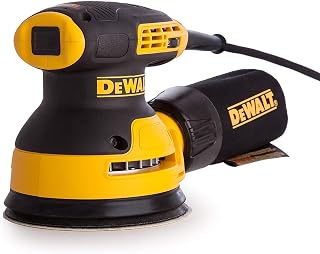



Choosing a Festool sander is less about finding the machine with the biggest headline specification and more about matching the sanding system to the material, surface area, finish requirement and working environment. Festool produces several types of sanders, and the differences between random orbital, orbital, geared eccentric and linear sanding systems can have a greater effect on results than small differences in motor power or sanding-pad diameter.
For UK buyers, it is also worth considering the complete working system rather than the bare tool. Dust extraction, abrasive availability, pad configuration, ergonomics and compatibility with other workshop equipment can influence the long-term value of a sander just as much as its initial specification.
Random orbital sanders are among the most versatile choices for woodworking and general finishing. The sanding pad combines orbital movement with rotation, helping to produce an even scratch pattern while reducing the likelihood of obvious circular marks when the machine is used correctly.
A random orbital Festool sander can be particularly useful when one tool needs to cover several stages of a project, from removing relatively minor surface imperfections to preparing timber for paint, oil, lacquer or another finish. The key variables to compare include pad diameter, orbit size, speed control, extraction arrangements and the range of compatible abrasives.
Traditional orbital or finishing sanders use a more controlled sanding movement and are well suited to flat surfaces where a fine, uniform finish is important. Their rectangular or square sanding areas can be useful for working close to edges and into corners where a round pad cannot reach as easily.
They are particularly relevant to furniture makers, decorators and joinery professionals who regularly prepare broad flat surfaces before finishing.
A geared eccentric sander is designed for situations where more aggressive material removal is required while retaining the versatility associated with an eccentric sanding movement. This type of machine can be useful for heavier stock removal, levelling uneven surfaces and demanding preparation work.
Because aggressive sanding can generate substantial dust and heat, extraction, abrasive selection and sensible working pressure become especially important. A high-performance machine should not automatically be used with maximum aggression for every task.
Linear sanding systems are designed around a straight sanding movement rather than the circular movement associated with random orbital machines. They can be useful where the sanding pattern and surface geometry make a linear approach advantageous.
For specialist woodworking applications, the ability to maintain a controlled sanding direction can be more important than having the most versatile general-purpose sander.
The material being sanded should influence the choice of machine and abrasive. Softwood, hardwood, veneered panels, painted timber, filler and composite materials can respond differently to the same sanding process.
A compact sander can be easier to control around furniture components, narrow panels and detailed areas, while a larger sanding pad may cover broad surfaces more efficiently. Neither approach is universally better.
If most of your work involves cabinets, doors and large panels, coverage and extraction efficiency may deserve greater emphasis. For smaller woodworking projects, ergonomics and control may matter more than maximum sanding area.
Sanding for a quick preparation coat is different from sanding for a high-quality final finish. A machine that removes material quickly is not necessarily the best choice for the final sanding stage.
When the finished surface will be viewed closely, consider the machine's sanding action, speed adjustment, abrasive progression and ability to maintain consistent contact with the workpiece.
Pad diameter affects the balance between coverage and manoeuvrability. A larger pad can make broad surfaces faster to work, while a smaller pad can offer better access and control in restricted areas.
Do not compare pad size in isolation. The sanding movement, motor characteristics, machine weight and intended application all contribute to how effectively a particular pad configuration performs.
Orbit size is an important specification on eccentric and random orbital sanders. In general terms, a larger orbit can favour faster material removal, while a smaller orbit can provide greater control for finishing work.
However, the actual result depends on the abrasive, sanding speed, material, extraction and operator technique. Orbit size should therefore be treated as one part of the overall specification rather than a standalone measure of performance.
Variable speed can make a sander considerably more adaptable. Different materials and abrasives may respond better to different operating speeds, and reduced speed can be useful where heat generation or aggressive cutting needs to be controlled.
For buyers who work across several materials, adjustable speed is often more valuable than a single maximum-speed figure.
Dust management is one of the most important considerations when comparing professional sanders. Effective extraction can improve visibility, reduce airborne dust and help keep the work area cleaner.
Festool's sanding ecosystem is strongly associated with integrated dust extraction, but buyers should still check the exact compatibility of the sander, hose, extractor and accessories being considered.
For indoor UK workshops, garages and renovation environments, dust extraction deserves serious attention rather than being treated as an optional accessory.
Weight matters most when the machine is used for extended periods or on vertical and overhead surfaces. A technically capable sander can become tiring if its balance forces the operator to apply unnecessary wrist or arm pressure.
Look beyond the number on the specification sheet. The position of the motor, handle design, sanding pad location and hose arrangement all influence how the tool feels during continuous work.
Motor power can provide useful information, but wattage alone does not determine sanding performance. Transmission design, sanding movement, speed control, pad configuration and extraction can all influence how efficiently a machine performs.
When comparing Festool sanders, avoid assuming that the model with the highest numerical power specification is automatically the best choice for finishing work.
Sanding creates fine particulate material that can spread quickly throughout a workshop. Effective extraction is therefore important for cleanliness, visibility and responsible working practices.
A compatible extractor can also help maintain sanding efficiency by removing debris from the working area. When dust accumulates between the abrasive and workpiece, sanding behaviour can change and the abrasive can load more quickly.
Before purchasing, check the complete connection system rather than assuming that every Festool sander and every extractor configuration will provide identical results. Hose diameter, connectors, extraction settings and accessories can all matter.
The sanding machine is only one part of the equation. Abrasive quality, grit progression and abrasive selection have a direct influence on surface quality and working speed.
The exact grit progression should be determined by the material, existing surface condition and required finish. Jumping too far between grits can leave scratches that take unnecessary time to remove later.
Efficient sanding is generally achieved by working progressively rather than attempting to complete the entire job with one abrasive grade. Each stage should remove the scratches and imperfections from the previous stage without unnecessarily removing additional material.
On visible timber surfaces, this approach becomes particularly important because excessive sanding can alter edges, profiles and veneer thickness.
If sanding is a regular part of your work, effective extraction can justify choosing a professional-grade system even when the purchase price is higher than that of a basic DIY machine.
Electronic speed control can make the tool more adaptable to different sanding stages and materials. It can also help an experienced operator reduce aggression when working on delicate surfaces.
Grip comfort is easy to overlook when comparing specifications online. For prolonged sanding sessions, however, a comfortable and balanced machine can be substantially easier to work with.
Sanding pads and abrasives are wear components. Check that replacement components are readily identifiable and suitable for the exact model before committing to a particular system.
One of the strongest reasons to buy into a professional tool ecosystem is compatibility. If you already own Festool equipment, determine whether the proposed sander works naturally with the extraction, storage and accessory arrangements you already use.
Festool is not the only established manufacturer worth considering. Depending on the application and budget, buyers may also compare professional sanding equipment from Bosch Professional, Makita, DeWalt, Mirka and Metabo.
Bosch Professional offers a broad professional power-tool range, making it a relevant comparison for tradespeople who already use the Bosch battery or corded ecosystem. When comparing a Bosch Professional sander with Festool, look at the complete system, including extraction, abrasives, ergonomics and accessories rather than focusing on motor specifications alone.
Makita has a wide selection of woodworking and professional power tools. It can be particularly attractive to users who value broad platform compatibility. For sanding, compare the exact machine type, pad size, sanding movement, speed adjustment, power source and dust-extraction arrangement.
DeWalt is another major professional brand with a substantial presence among UK tradespeople. Buyers choosing between the brands should consider whether cordless operation, existing batteries, extraction compatibility or workshop-based corded performance is the greater priority.
Mirka is especially relevant to buyers focused heavily on professional surface preparation and dust-controlled sanding. A comparison should include the complete sander-and-extraction system, abrasive range and intended finishing process rather than comparing two bare tools.
Metabo provides another established professional alternative. As with any brand comparison, the correct choice depends on the specific sanding application, available accessories, power requirements and desired level of surface control.
A corded sander can be a logical choice for a workshop where mains power is readily available and long operating periods are common. There is no battery-runtime calculation, and the tool can remain connected to an extraction system throughout extended work.
Cordless sanding can be more convenient on site, during installation work and in locations where mains access is inconvenient. The trade-off is that battery capacity, charging time, additional battery cost and overall tool weight become part of the buying decision.
If you already own compatible Festool batteries and chargers, a cordless model may fit naturally into your existing setup. If you do not, compare the total system cost rather than the bare tool price.
A respected manufacturer does not eliminate the need to choose the correct machine type. A specialist sander can be excellent at its intended job while being unnecessary or inefficient for a different application.
The purchase price of the sander is only part of ownership cost. Regular users should consider abrasive consumption, replacement pads, extraction accessories and other consumables.
More aggressive sanding is not automatically better. Delicate timber, veneer, finished surfaces and final preparation can require a more controlled approach.
A sander used without an appropriate dust-management strategy can create a significantly less pleasant working environment. Extraction should be considered during the initial purchase decision.
Maximum speed figures provide limited information without context. The sanding action, orbit, pad size and electronic control can be equally important.
Before purchasing a specialist tool, establish which components are considered consumables and whether the required replacement items are available for the model you intend to use.
Furniture makers typically need a combination of material removal, edge control and fine surface preparation. A versatile random orbital machine can cover many tasks, while a dedicated finishing sander can complement it for particular flat-surface applications.
Pay particular attention to ergonomics because furniture projects can involve prolonged sanding. Dust extraction is also important when working inside a workshop where fine dust can settle on tools, benches and freshly prepared surfaces.
Joinery work can involve doors, frames, panels, mouldings and other components with different geometries. A versatile sander with good control can be useful for general preparation, while specialised machines may be appropriate for particular profiles or finishing processes.
Consider access around edges and corners before choosing a machine based purely on sanding speed.
Renovation work can involve painted timber, filler, old coatings and large surface areas. In these situations, extraction and abrasive selection can be especially important.
Before sanding an existing painted surface, identify the material and coating and follow appropriate UK workplace and product-safety guidance. Do not assume that every coating can be safely sanded using the same method.
Excessive downward pressure is a common cause of inconsistent sanding. Allowing the abrasive and machine movement to work as designed can produce a more uniform result and may reduce unnecessary wear.
Holding a powered sander stationary on one area can remove material unevenly. Maintain controlled movement and avoid lingering over edges unless the specific operation requires it.
Do not move to a fine abrasive simply because the surface feels smoother. Inspect the surface under suitable lighting and make sure the scratches from the previous sanding stage have been properly addressed.
Edges can be damaged quickly because a sanding pad has less supporting surface when it approaches a corner. Use controlled movements and appropriate sanding techniques rather than relying on heavy pressure.
Removing sanding dust before inspecting or continuing to the next stage makes it easier to identify remaining defects and helps prevent loose abrasive debris from interfering with the next operation.
Regularly check the pad for wear, damage and loss of effective abrasive attachment. A worn pad can affect sanding consistency and may reduce the effectiveness of the sanding system.
Dust accumulation around ventilation openings can affect cooling. Follow the manufacturer's instructions for cleaning and maintenance rather than using methods that could drive dust deeper into the tool.
Inspect hoses, connectors and extraction interfaces for damage or blockage. Poor airflow can reduce dust-management performance and may make sanding less comfortable.
Do not continue using heavily worn sanding discs or pads simply to avoid replacement costs. Consumables are designed to wear, and changing them at the appropriate point helps maintain predictable sanding behaviour.
The exact maintenance requirements vary between models. The owner's manual should remain the primary reference for cleaning, inspection, replacement components and service requirements.
The right budget depends on how frequently the tool will be used and how important sanding quality, ergonomics and extraction are to the work. For occasional DIY use, paying for a highly specialised professional system may not offer the best value. For regular professional work, the productivity and system compatibility of a higher-end tool may justify a larger investment.
Instead of comparing purchase prices alone, consider total ownership cost. Include abrasives, replacement pads, batteries where applicable, extraction equipment and other accessories needed to create a functional sanding setup.
There is no single Festool sander that is best for every user. The appropriate choice depends on the material, surface size, required finish, sanding intensity, extraction setup and whether the machine will be used primarily in a workshop or on site.
Festool sanders can be used by experienced DIY users, but the value proposition depends on how frequently the machine will be used and whether the user will benefit from its professional-oriented features and system compatibility.
Neither is universally better. Random orbital sanders are highly versatile, while orbital finishing sanders can be advantageous for controlled work on flat surfaces. The better option depends on the task.
Effective dust extraction is strongly recommended for sanding operations. The appropriate setup depends on the particular machine, extractor, material and working environment. Always follow the manufacturer's instructions and applicable safety guidance.
A versatile random orbital model can cover many general woodworking tasks, but specialist work may benefit from different sanding movements, pad sizes or dedicated machines. Professionals who perform varied work may therefore use more than one type.
Choose corded operation when continuous workshop use and unrestricted runtime are priorities. Cordless operation can be more convenient when mobility and access are more important. Existing battery ownership can also influence the decision.
There is no universal replacement interval. Abrasive life depends on grit, material, pressure, sanding speed, extraction and the condition of the surface. Replace an abrasive when its cutting performance has deteriorated or it is no longer producing the required result efficiently.
Swirl marks can result from unsuitable abrasive selection, excessive pressure, contaminated or worn abrasives, incorrect sanding technique, remaining coarse scratches or problems with the sanding pad. A progressive grit sequence and controlled movement can help reduce visible sanding defects.
A larger orbit can support more aggressive material removal, but overall sanding speed depends on several factors. Abrasive type, material, machine design, extraction and operator technique all contribute to the actual result.
For frequent sanding, abrasive quality can have a significant effect on productivity and finish consistency. The best choice depends on the material and application, so compare cutting performance, loading behaviour, lifespan and final-surface requirements rather than price alone.
The best Festool sander for your needs is the model whose sanding action, pad size, ergonomics, extraction compatibility and abrasive system match the work you actually perform. A professional specification is useful only when its features solve a real problem in your workshop or on site.
Before choosing from the top-rated options, identify your main sanding applications, decide whether you need aggressive material removal or fine finishing, and establish whether corded or cordless operation makes more sense. Then compare the exact specifications, compatible accessories, extraction arrangements and current UK pricing.
For regular users, the complete sanding ecosystem should be part of the decision. A well-matched sander, abrasive and extraction setup can be more useful than choosing a machine solely because it has the highest power, fastest speed or most advanced specification.
As product specifications, retailer pricing, stock status and customer feedback can change during 2026, check the current information for the exact model before purchasing. This is particularly important when comparing different Festool sander generations or configurations that may appear similar but are designed for different applications.