
♥ Wishlist
Compare 35 verified Festool Batteries And Chargers products in United Kingdom. Reviews, ratings, pros, cons and buying advice updated for October 2026.




Choosing a Festool battery and charger is less straightforward than simply selecting the largest battery capacity available. The right combination depends on the tools you own, how frequently you use them, the type of work you carry out, the weight you are comfortable handling and how quickly you need batteries returned to service.
Festool's cordless platform is designed around an integrated system, so compatibility should be the first consideration. Before buying, check the exact battery interface and voltage requirement specified for your Festool tool. A battery that physically appears suitable is not necessarily the correct choice for every application or tool generation.
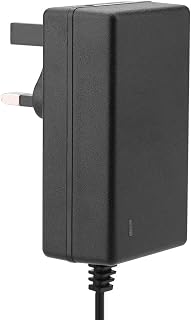
For UK buyers, it is also sensible to check the exact charger model, included accessories, plug configuration, stated charging requirements and retailer specifications before ordering. Product names and bundled contents can vary between listings, so compare the manufacturer's specifications with the retailer's current product description rather than relying on a photograph alone.
A good cordless battery has to balance several characteristics rather than maximise one specification. Capacity, physical size, weight, power delivery, electronics, heat management and compatibility all affect how useful a battery will be in everyday work.
Battery capacity is commonly expressed in ampere-hours, or Ah. In general terms, a higher-capacity battery can provide more stored energy before it needs recharging, although actual runtime depends heavily on the tool and workload.
A compact battery can therefore make more sense on a drill or installation tool where low weight matters, while a larger-capacity pack may be preferable for demanding cutting, sanding or extraction-related applications.
Do not assume that the highest Ah rating is automatically the best option. Carrying additional battery weight throughout a full working day can be more noticeable than the extra runtime is valuable.
Festool cordless products use specific battery platforms, and compatibility must be checked against the individual tool. Voltage, battery generation, electronic communication and the intended application can all matter.
When replacing an existing battery, the safest approach is to identify the exact Festool tool model and compare its approved battery specifications with the battery manufacturer's description. This is particularly important when buying older or discontinued tools because the compatibility information for a current battery may not be identical to that of every previous generation.
Lithium-ion batteries are widely used across modern cordless power tools because they offer a useful combination of energy density, rechargeability and relatively low self-discharge compared with older battery technologies.
For most users, a standard Festool lithium-ion battery is the sensible starting point when the tool does not require a specialised pack. The key is matching capacity and physical size to the work rather than choosing based on capacity alone.
Compact battery packs are particularly useful for overhead work, installation, furniture assembly and other applications where the tool is held for extended periods.
Weight at the end of a drill, driver or saw can influence fatigue, balance and control. A lighter battery may make a tool more comfortable even if it provides less runtime than a larger pack.
Higher-capacity batteries can be advantageous for demanding users who would otherwise need frequent battery changes. They are particularly attractive when the tool consumes substantial energy or when interruptions for charging are inconvenient.
However, higher capacity generally comes with increased physical size or weight. Consider whether the tool is used from a bench, on the floor, overhead or at arm's length before choosing the largest available battery.
Some Festool battery and tool combinations incorporate connected functionality. Depending on the specific product generation, connected features can support interaction between compatible cordless equipment and other components of the Festool system.
Do not purchase a battery solely because it includes a particular connectivity feature. First determine whether your existing tools and workflow can actually use that functionality.
A charger is just as important as the battery because charging speed, portability, number of charging bays and compatibility affect how effectively a cordless tool system can be used.
A single-battery charger is often sufficient for occasional users or anyone operating with a small number of batteries. It also tends to be easier to pack into a tool case or transport between locations.
If you normally finish a job with one battery and recharge it while working on another task, a single charger may provide all the functionality you need.
A dual charger can be more convenient for users with several batteries. It can reduce the amount of charger swapping required during a busy workday and is particularly useful when multiple cordless tools are used continuously.
Check how the specific charger manages multiple batteries rather than assuming that two batteries will always charge simultaneously at the same rate. The manufacturer's charging specifications should be the deciding factor.
Fast charging can be valuable for professional users because it can shorten the time between an empty battery and a usable one. However, charging speed should be considered alongside battery capacity and the number of batteries in your rotation.
For example, a user with several batteries may not need the fastest possible charger because another charged battery is already available. Conversely, a tradesperson relying on a small number of packs may benefit considerably from a faster charging setup.
Battery runtime cannot be predicted from Ah capacity alone. Two tools with the same battery can produce very different working times because motor load, material, cutting depth, accessory choice, pressure applied and duty cycle all influence energy consumption.
For example, drilling small holes in soft material may place substantially less demand on a battery than continuous cutting through dense material. Similarly, an orbital sander's actual runtime can vary according to sanding pressure, surface area and operating conditions.
Instead of looking for a single claimed runtime figure, compare the battery capacity with the typical workload of your tool and consider keeping at least one spare battery available for continuous work.
Battery weight is easy to overlook when comparing specifications online. It becomes much more important when using a tool for long periods, particularly overhead or in awkward positions.
A large battery may extend runtime but can alter the balance of the complete tool. This can affect wrist fatigue and handling precision. For installation work, cabinetry, joinery and finishing applications, a compact battery may be preferable even when a higher-capacity option is available.
For floor-based cutting or demanding applications, the additional capacity of a larger pack may be more useful because the operator is less dependent on keeping the complete tool extremely light.
Instead of choosing batteries and chargers independently, consider them as one operating system.
A practical setup can consist of a suitable battery with a straightforward compatible charger. If the tool is only used occasionally, there may be little benefit in purchasing a large collection of batteries.
Prioritise compatibility, storage, charging convenience and reasonable capacity over advanced features you are unlikely to use.
A home workshop user may benefit from having two batteries so one can be charging while the other is in use. Battery capacity should be matched to the tools that consume the most energy in the workshop.
This arrangement can also reduce the temptation to stop working simply because the primary battery has been depleted.
Professional users should think in terms of battery rotation. Instead of asking which single battery lasts the longest, consider how many charged batteries are required to maintain uninterrupted work throughout a typical day.
A combination of compact and higher-capacity batteries can be more versatile than purchasing several identical large packs. Compact packs can handle lighter tools and detailed work, while larger batteries can be reserved for applications where extended runtime is more important.
Maximum capacity is not always maximum usefulness. A large battery can increase the weight of a compact cordless tool and may make repetitive work less comfortable.
Never select a battery simply because the voltage or connector appears similar. Confirm compatibility with the exact tool model and manufacturer's specifications.
Chargers are not universal simply because they are made by the same brand. Verify that the charger is intended for the battery platform and generation you use.
A fast charger is attractive, but it may not be the most important investment if you already have enough batteries for your daily workflow.
Capacity does not tell you everything about battery suitability. Weight, size, power delivery, compatibility and intended application should all be considered.
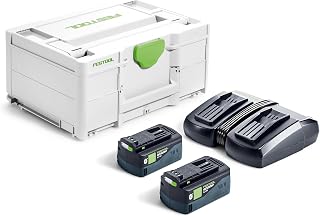
Check whether the listing includes the battery, charger, case or other accessories shown in photographs. Product images can sometimes illustrate a complete system even when the purchase price applies to only one component.
Festool is positioned within a competitive professional power-tool market that also includes brands such as Makita, DeWalt, Bosch Professional and Milwaukee. The most important distinction for buyers is not simply which brand has the largest battery; it is which cordless ecosystem best fits the tools already owned.
If you already own several tools from one manufacturer, staying within that ecosystem can be more economical and convenient than maintaining several unrelated battery platforms. Before switching brands, calculate the cost of batteries, chargers and replacement tools rather than comparing the bare tool price alone.
A brand-to-brand comparison should consider the complete system rather than isolated battery specifications.
Both brands offer extensive cordless tool ecosystems. For a Festool owner, compatibility with existing equipment, cases, chargers and working methods may be more important than a small difference in nominal battery capacity.
DeWalt has a large professional cordless range, making it attractive to users who want one platform covering many different tool categories. Festool may be the more logical choice for someone already invested in the Festool ecosystem and looking for integrated cordless solutions.
Bosch Professional is another major option for tradespeople. Buyers should compare the specific battery platform, tool range, charger technology, battery dimensions and system compatibility rather than assuming batteries from different professional ranges can be interchanged.
Milwaukee's cordless ecosystem is extensive and particularly broad across professional trade applications. A comparison with Festool should focus on the tools actually required, battery rotation, ergonomics, charger requirements and long-term platform costs.
One of the most useful purchasing decisions is whether to buy fewer high-capacity batteries or more moderate-capacity batteries.
Several medium-capacity batteries can provide greater flexibility than one extremely large battery because you can keep one or more packs charging while others remain in use. The best configuration depends on the number of cordless tools you operate and how continuously they are used.
A battery rotation system can be more effective than relying on a single high-capacity pack. While one battery powers the tool, another can be charging and a third can remain ready for the next task.
This approach is particularly useful for tradespeople moving between drilling, fastening, cutting and sanding operations. It also reduces downtime caused by waiting for a depleted battery to recharge.
Proper storage helps keep rechargeable batteries in better condition over their service life. Follow the battery manufacturer's storage recommendations, especially regarding temperature, charging state and environmental conditions.
Use the appropriate charger specified for the battery. Avoid improvised charging equipment or chargers that are not approved for the battery system.
Charging should be carried out according to the manufacturer's instructions and in suitable environmental conditions. If a battery becomes visibly damaged, unusually hot, swollen or otherwise abnormal, stop using it and follow the manufacturer's safety and disposal guidance.
Do not attempt to open, modify or repair a lithium-ion power-tool battery unless the manufacturer specifically provides an approved service procedure for that task.
Battery performance can change with environmental conditions. Very cold or very hot conditions can affect charging and operation, which is one reason manufacturers specify acceptable operating and charging temperatures.
For UK users, cold workshops, unheated garages and winter outdoor work can therefore present different conditions from a temperature-controlled indoor workshop. Follow the specific battery and charger instructions rather than forcing a battery to charge when the system indicates that conditions are unsuitable.
Modern tool batteries generally require much less maintenance than older rechargeable technologies, but good handling still matters.
Battery replacement should be considered when a pack no longer provides the runtime or performance required for the work, or when it shows physical damage or other abnormal behaviour.
A noticeable reduction in usable runtime over time is normal for rechargeable batteries. However, a damaged casing, swelling, overheating, burning smell or other unusual condition should be treated as a safety issue rather than simply a sign that the battery is getting old.
For a replacement purchase, identify the original battery model and compare it with the currently supported Festool alternatives. This helps avoid accidentally purchasing an incompatible or unsuitable pack.
When comparing UK listings, look beyond the headline price. A seemingly cheaper battery may have lower capacity, a different configuration or fewer included components.
Customer reviews can provide useful information, but they should be interpreted carefully. Look for reviews that describe the actual application rather than comments based solely on packaging or first impressions.
Useful review details include comments about battery weight, runtime in a particular tool, charger convenience, physical durability and whether the product matched the advertised specification.
Give greater weight to reviews that identify the exact tool used, the type of work performed and the battery capacity involved. A review from someone using a battery for occasional DIY drilling may not be directly relevant to a professional user operating a high-demand cordless saw throughout the day.
Battery specifications can look complicated, but several details deserve particular attention.
Ampere-hours describe electrical charge capacity, but Ah should not be treated as a direct measurement of how many minutes a particular tool will run.
Runtime depends on the tool's electrical demand and the conditions under which it operates. Two users can therefore obtain different working times from the same battery.
For purchasing decisions, use Ah as one comparison point alongside weight, size, application and the manufacturer's compatibility information.
Battery sets can be attractive when starting or expanding a cordless system because they may combine multiple batteries with one or more charging components. However, a set is not automatically better value for every buyer.
If you already own several compatible batteries and only need another charger, buying a complete kit could leave you with unnecessary duplicate equipment. Conversely, someone building a cordless system from scratch may benefit from a coordinated battery-and-charger package.
A high-capacity battery is generally most appealing to users who regularly perform demanding cordless work and value longer intervals between battery changes.
It can make sense for professional tradespeople, workshop users and anyone operating power-hungry cordless equipment for extended periods. It is less compelling when the tool is small, lightweight and used intermittently.
A compact battery is a strong option when ergonomics matter more than maximum runtime. It can be especially useful for drilling, fastening, installation, cabinetry and overhead work where the complete tool needs to remain easy to control.
For users who own several batteries, compact packs can also be used for lower-demand applications while larger packs are reserved for tools that benefit from greater capacity.
The most efficient approach is usually to build the system around your highest-frequency tools. Start by identifying which cordless tools are used most often, then determine which battery capacity provides an appropriate balance of runtime and handling.
After that, consider how many batteries are needed to maintain continuous work. Finally, select a charger capable of supporting that battery rotation.
This approach avoids spending heavily on oversized batteries that are rarely necessary while also preventing a workflow where every job is interrupted by charging.
UK tradespeople should consider not only technical specifications but also how the equipment fits into a mobile working environment. A battery system that works well in a permanent workshop may be less convenient when carried between jobs.
For mobile work, consider battery weight, charger portability, storage, the number of batteries required, access to mains electricity and the possibility of charging between tasks. For workshop-based work, charger placement and battery rotation may matter more than portability.
Fine woodworking often places a premium on control and ergonomics. Compact batteries can be attractive for drills, drivers and other handheld tools because reducing unnecessary weight can make repetitive operations more comfortable.
For demanding cutting or sanding applications, a larger-capacity battery may provide a more convenient working cycle. The best choice depends on the particular tool and workload.
Construction environments can involve frequent tool changes and long working periods. Battery rotation becomes especially important when several cordless tools are being used throughout the day.
Consider having enough compatible batteries to keep critical tools operating without relying on a single charger cycle. A combination of capacities can also make the system more adaptable to different tasks.
When tools are used above shoulder height or at arm's length, battery weight becomes particularly significant. A compact battery may be preferable because the reduction in overall tool weight can make positioning easier.
Where possible, compare the complete tool-and-battery combination rather than judging the battery in isolation.
Workshop users have greater flexibility because the charger can remain in a fixed location. A dual charger and multiple batteries may create an efficient charging station, particularly when several cordless tools are used throughout the day.
Organise batteries away from heat, moisture and conductive objects, and follow the manufacturer's storage instructions.
Modern cordless tool batteries incorporate electronic systems designed to monitor and control battery operation. Depending on the particular model, these systems can help manage conditions such as temperature, charging and discharge.
These electronic features are one reason it is important to use compatible batteries and chargers rather than attempting to substitute generic charging equipment.
For a premium cordless system, compatibility is about more than whether the battery can physically attach to the tool. The battery, charger and tool can communicate and operate as an integrated electrical system.
Using the manufacturer's specified battery and charger combination helps ensure that the equipment is being used according to its intended design. When considering third-party alternatives, carefully check the manufacturer's tool documentation and any applicable safety information before purchasing.
Price is useful, but it should be evaluated against capacity, included components and intended service life. A cheaper battery is not necessarily better value if its capacity is unsuitable for the application or if additional charging equipment must be purchased.
Calculate the complete setup cost, including batteries, chargers and any accessories you actually need. This provides a more realistic comparison than looking at the lowest individual battery price.
Exercise additional caution when a listing provides unusually vague specifications. A trustworthy product description should make it possible to identify the exact model, compatibility information and what is included.
The best Festool battery depends on the tool and application. Choose a compact battery when low weight is important and a higher-capacity option when longer working periods between charges are more valuable.
No. Compatibility should always be checked against the exact tool, battery platform and manufacturer's specifications. Do not assume that every Festool battery works with every cordless Festool product.
No. Higher capacity can provide more stored energy, but it can also increase weight and size. The ideal capacity is the one that matches the tool and workload.
Two compatible batteries can be useful because one can be used while the other is charging. Whether two are sufficient depends on how intensively you use your tools.
A dual charger can be worthwhile for users with several batteries or multiple cordless tools. Occasional users may find a single-bay charger sufficient.
Do not assume cross-brand charger compatibility. Use a charger specified for the particular Festool battery system and follow the manufacturer's instructions.
Service life varies according to usage, charging patterns, storage, operating conditions and battery age. There is no single lifespan that applies to every battery.
Store them according to Festool's instructions, protecting them from excessive heat, moisture, physical damage and conductive objects. Follow the manufacturer's recommendations for long-term storage conditions.
Follow the instructions supplied with the specific battery and charger. Modern charging systems incorporate electronic controls, but users should still operate and store the equipment according to the manufacturer's guidance.
Runtime depends on battery capacity, tool load, material, accessory, operating technique and battery condition. If runtime has declined substantially compared with when the battery was new, age or battery condition may be a contributing factor.
Choose based on what you already own. A set can be useful when building a system, while an individual battery may be more sensible when you already have suitable chargers and batteries.
Festool produces cordless systems intended for professional applications, but the appropriate battery capacity and configuration depend on the particular tool and workload.
Before choosing a battery or charger, work through this checklist:
A useful buying guide should not rank batteries simply by capacity or headline price. The more meaningful comparison considers compatibility, capacity, handling, charging convenience, intended application, system flexibility and the needs of the person using the tool.
When comparing products available to UK buyers, check the latest specifications because battery configurations, charger bundles and retailer listings can change. Customer feedback should be considered alongside technical information rather than used as a substitute for it.
The right Festool battery and charger combination is ultimately the one that integrates with your existing tools, provides sufficient working capacity and fits the way you actually work. For occasional use, simplicity and low weight may be the priorities. For demanding professional workloads, battery rotation, capacity and charging efficiency may matter considerably more.