

♥ Wishlist
Compare 19 verified Milwaukee Cordless Vacuums products in United Kingdom. Reviews, ratings, pros, cons and buying advice updated for October 2026.


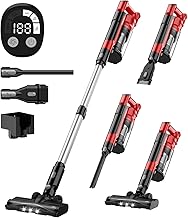


Milwaukee cordless vacuums are designed for users who want the convenience of battery power without being tied to a mains socket. They are particularly relevant to tradespeople, installers, maintenance teams, workshops, garages and DIY users who already use Milwaukee M12 or M18 batteries.
The most suitable model depends on more than suction power. Capacity, filtration, wet-and-dry capability, battery compatibility, portability, hose and accessory configuration, cleaning convenience and the type of debris you regularly collect can all make a meaningful difference in everyday use.
This guide focuses on the factors worth comparing when choosing a highly rated Milwaukee cordless vacuum in the UK. Because specifications and model availability can change, always check the manufacturer's current specification and the retailer's product information before purchasing.
When comparing Milwaukee vacuum cleaners, start by identifying the work the machine will actually perform. A compact vacuum for drilling dust and quick site clean-ups has very different requirements from a larger wet-and-dry unit intended for workshops or construction environments.
Battery compatibility should be one of the first checks you make. Milwaukee's cordless cleaning equipment is associated with its battery platforms, including M12 and M18 systems, but individual vacuum models are not automatically compatible with every battery in the range.
For existing Milwaukee users, battery compatibility can be one of the biggest practical advantages of staying within the same cordless ecosystem. However, buying a vacuum solely because it accepts batteries you already own is not enough; the vacuum's capacity and performance still need to match the application.
Suction and airflow are important, but they should not be treated as interchangeable specifications. Suction describes the vacuum's ability to generate pressure, while airflow relates to how much air and debris the machine can move.
For fine dust, drilling residue and workshop debris, effective filtration and airflow can be just as important as headline suction figures. A machine that maintains useful airflow as the filter becomes loaded can be more practical than one chosen purely because it has an impressive maximum figure.
When comparing models, look for the manufacturer's stated performance specifications and consider the intended material. Sawdust, wood chips, plaster dust, metal particles and wet debris place different demands on a vacuum.
A wet-and-dry Milwaukee vacuum can be considerably more versatile than a dry-only machine. If you regularly deal with liquid spills, damp debris or mixed workshop cleaning, wet capability can eliminate the need for a separate appliance.
Filtration becomes especially important when a vacuum is used around fine construction dust. A clogged filter can reduce airflow, while an unsuitable filtration system can make the machine less appropriate for particular materials.
Check the filter type specified for the model and determine whether replacement filters are readily identifiable before purchasing. If you work with fine dust frequently, also examine how easily the filter can be accessed, cleaned and replaced.
For potentially hazardous materials, follow the relevant workplace safety requirements and the vacuum manufacturer's instructions rather than treating a general-purpose cordless vacuum as a substitute for specialist dust-control equipment.
Tank or dust-container capacity affects how frequently you need to stop work and empty the machine. A compact vacuum can be easier to carry but may require more frequent emptying.
Do not automatically choose the largest available container. A large vacuum that is inconvenient to transport may be less useful than a smaller model that can be carried to every job.
Cordless vacuums are often purchased specifically because they can be moved around a site without dragging a power cable. That advantage becomes less significant if the machine is excessively bulky or difficult to carry.
Think about where the vacuum will normally be used. A garage-based machine can tolerate a different size and weight from a vacuum that must be carried up stairs, moved between rooms or transported inside a service vehicle.
The hose affects how much of the working area you can reach without moving the vacuum. A longer hose can be useful around machinery, vehicles and workbenches, while a shorter setup can be easier to store.
Also inspect the hose diameter, connection system and flexibility. The ideal configuration depends on the debris being collected and the accessories you intend to use.
A cordless vacuum becomes considerably more useful when its accessories match your work. Depending on the model, you may encounter combinations of hoses, extension tubes, crevice tools, floor nozzles, utility nozzles, brushes and other attachments.
Milwaukee offers different vacuum designs for different applications rather than producing one universal cordless vacuum. Buyers may encounter compact portable units alongside larger wet-and-dry machines, so the model number should always be checked carefully.
Compact M18 vacuum designs can be attractive for tradespeople who value mobility and quick clean-ups. Their smaller form factor can make them easier to carry between rooms, vehicles and work areas.
They are particularly worth considering when portability is more important than maximum container capacity. Before purchasing, compare the actual tank size, hose arrangement, filter system, operating modes and battery requirements.
Wet/dry models are aimed at users who need broader cleaning capability. Depending on the specific version, these machines may be suitable for collecting both dry debris and liquids when operated according to the manufacturer's instructions.
They can make sense in garages, workshops, construction environments and maintenance applications where conditions change throughout the day. Their additional versatility should be balanced against dimensions, weight and battery consumption.
Where a Milwaukee model carries the FUEL designation, buyers should still examine the complete specification rather than assuming every FUEL product is automatically the best choice for every application. The right comparison includes performance, battery requirements, capacity, filtration, noise, portability and accessories.
FUEL branding can be useful when comparing products within Milwaukee's range, but application suitability remains more important than the name printed on the tool.
Use the following checklist when comparing several Milwaukee models side by side:
Published runtime figures should be treated as reference information rather than a guaranteed working-day duration. Actual runtime can vary according to battery capacity, operating mode, filter condition, debris type, hose configuration and how continuously the vacuum is operated.
A vacuum used intermittently to clean up after drilling may consume substantially less energy over a working day than one operated continuously for workshop cleaning.
If runtime is important, consider purchasing or using additional compatible batteries rather than selecting a vacuum solely because of an advertised maximum runtime figure.
A higher-capacity battery can increase available energy but also adds weight and bulk. This matters when the vacuum is carried frequently.
Some Milwaukee cordless vacuums use brushless motor technology. Brushless motors are generally associated with efficient cordless power delivery and reduced mechanical wear compared with conventional brushed designs.
However, motor technology alone does not determine how well a vacuum performs in real use. The complete airflow path, filter, hose, nozzle, container design and battery system all contribute to the cleaning result.
Construction and renovation work can generate very fine particulate material. Plaster, masonry residue, wood dust and other fine particles can place considerably greater demands on filtration than ordinary household debris.
If your work involves regulated or potentially hazardous dust, check the applicable UK workplace requirements and select equipment specifically appropriate for the material and risk involved. A general cordless shop vacuum should not automatically be treated as professional respiratory or hazardous-dust control equipment.
Coarse wood chips and larger debris can behave very differently from fine dust. A vacuum intended primarily for general workshop debris may not provide the same filtration arrangement required for specialist dust extraction.
Always distinguish between a vacuum intended for cleaning up debris and a dust extractor intended to connect directly to power tools for controlled dust collection.
This distinction is particularly important for tradespeople. A general-purpose cordless vacuum can be useful for cleaning floors, benches, vehicles and work areas, but it is not necessarily a replacement for a dedicated dust extractor.
If the main purpose is connecting a vacuum to a saw, grinder, sander or other dust-producing power tool, investigate the extraction requirements of that tool and compare them with the vacuum's stated capabilities.
A lower purchase price does not necessarily represent better value. A cheaper model may have a smaller container, fewer accessories, lower capacity or a configuration that does not suit your work.
If you do not already own compatible Milwaukee batteries, remember that a bare tool is not necessarily a complete operating package. Battery and charger costs can materially change the overall investment.
Suction figures do not tell the entire story. Compare suction with airflow, filtration, hose design, nozzle configuration and the intended application.
Never assume a cordless vacuum can collect liquids simply because it looks like a workshop vacuum. Confirm wet-use capability for the exact model.
A larger tank can mean fewer interruptions, but the complete machine becomes more cumbersome as capacity and battery size increase.
Filters are consumable components. Before buying, determine which replacement filter is required and how the manufacturer recommends cleaning or replacing it.
Different vacuum systems can use different hose, connector and accessory arrangements. Verify compatibility rather than assuming every Milwaukee attachment is universal.
Prioritise compact dimensions, portability, easy emptying and convenient hose storage. A smaller unit can be preferable when the vacuum is repeatedly carried between work areas.
Garage users should consider a larger container, practical hose reach, strong filtration and wet/dry capability if liquid spills are common. Storage space and battery charging arrangements should also be considered.
Workshop users often benefit from a balance of capacity, filtration and accessory versatility. If fine dust is routinely generated by stationary or handheld power tools, consider whether a dedicated dust extractor would be more appropriate.
For vans, cars and service vehicles, portability is usually more valuable than a very large tank. A flexible hose and narrow attachments can make it easier to reach seats, footwells and confined spaces.
Professional users should consider durability, battery compatibility, runtime strategy, filter maintenance, accessory storage and transport requirements. If the vacuum will be used every day, convenience features can become more valuable than small differences in headline specifications.
Regular maintenance helps preserve airflow and keeps the vacuum ready for its next job. Follow the instructions supplied with your exact Milwaukee model because maintenance procedures can differ between products.
A loaded filter can restrict airflow and affect performance. Inspect the filter according to the manufacturer's recommended schedule and clean or replace it using the specified procedure.
Regular emptying can make the vacuum easier to handle and helps prevent unnecessary debris buildup. If you are collecting fine dust, check the filter and container more frequently than you might for coarse debris.
Check the hose for blockages, splits, crushed sections and loose connections. A damaged or obstructed hose can reduce practical performance even when the motor and filter are functioning correctly.
Hair, fibres, wood shavings and other debris can accumulate around floor heads and narrow attachments. Clean accessories regularly so that restricted openings do not reduce airflow.
Use and store Milwaukee batteries according to the manufacturer's instructions. Inspect battery packs and contacts for visible damage, and do not use damaged batteries or equipment.
Cordless convenience does not mean a vacuum is silent. If the machine will be used for extended periods, consider the manufacturer's stated noise information where available and use appropriate hearing protection when required by the working environment.
Ergonomic factors also matter. Handle position, hose flexibility, controls, carrying points and the weight distribution with the battery installed can affect how comfortable the vacuum is during repeated use.
Professional users frequently transport tools between jobs, making storage an important buying consideration. Examine the vacuum's overall footprint rather than considering only its empty container size.
A bare-tool Milwaukee vacuum can be an economical choice for buyers who already own compatible batteries and a charger. A complete kit can be more convenient for someone entering the battery platform for the first time.
Compare the complete ownership cost rather than the advertised tool price alone. A useful comparison should include the vacuum, required battery, charger if necessary, replacement filters and any accessories you are likely to need.
When comparing prices from UK retailers, make sure you are comparing equivalent configurations. Two listings with the same model name may have different package contents.
Milwaukee is not the only brand worth considering. Depending on the user's existing tool ecosystem and intended application, alternatives from brands such as Makita, DeWalt, Bosch Professional and Kärcher may also be relevant.
The strongest comparison is usually ecosystem-specific. If you already own several compatible Milwaukee M18 tools and batteries, a Milwaukee vacuum can reduce the need to introduce another battery platform. Conversely, if your workshop is built around another manufacturer, an alternative vacuum may provide greater overall convenience.
Compare the battery systems, vacuum dimensions, filtration, container capacity, accessories and tool compatibility rather than choosing purely by brand reputation. Existing battery ownership can be a major deciding factor.
Both brands have extensive cordless tool ecosystems. Compare the exact vacuum models and their intended applications, particularly if the machine will be used for power-tool extraction rather than general cleaning.
Bosch Professional can be relevant to users already invested in its professional cordless platform. Compare battery availability, extraction compatibility, filtration and accessory systems with the equivalent Milwaukee option.
Kärcher has a broad cleaning-equipment range, making it a useful comparison when wet-and-dry cleaning is a major requirement. The right choice depends on whether your priority is a tool-battery ecosystem or a cleaning-focused equipment range.
Milwaukee cordless vacuums can be a particularly logical choice for tradespeople, installers, contractors, workshop users and DIY enthusiasts who value cordless mobility and already use compatible Milwaukee batteries.
They can also be useful for vehicle cleaning, maintenance tasks and general workshop housekeeping where a mains cable would be inconvenient.
A cordless vacuum is not automatically the best solution for every application. If you need continuous operation for long periods, a mains-powered machine may be more convenient. If you regularly collect high volumes of fine dust from power tools, a dedicated dust extractor may be more appropriate. If your primary requirement is household cleaning, a consumer vacuum may offer features that a trade-focused workshop vacuum does not.
Always read the instructions supplied with the specific vacuum before use. Use the machine only for materials and applications approved by the manufacturer.
When evaluating a shortlist, ratings should be only one part of the decision. Customer feedback can help identify recurring usability issues, but specifications and application suitability should remain central to the comparison.
The best Milwaukee cordless vacuum depends on the application. A compact model may be preferable for portability and quick clean-ups, while a larger wet-and-dry machine may be better for workshops and more demanding cleaning tasks. Compare battery compatibility, capacity, filtration, performance and accessories before choosing.
They can be worthwhile for users who value cordless convenience, particularly existing Milwaukee battery users. The value proposition becomes less straightforward if you need to buy batteries and chargers separately or require specialist dust extraction.
Many Milwaukee cordless vacuum products are designed around the M18 platform, but compatibility varies by model. Always confirm the exact battery requirement for the vacuum you are considering.
Only models specifically designed and approved for wet collection should be used for liquids. Check the exact manufacturer's instructions before collecting water or other liquids.
Many workshop vacuums can collect ordinary sawdust and wood debris, but the suitability depends on the model, filter arrangement and intended application. For direct connection to woodworking power tools, check whether the vacuum is designed for dust extraction and whether its filtration system is appropriate.
Fine plaster and construction dust require careful consideration of filtration and dust-control requirements. Check the manufacturer's specifications and relevant workplace guidance rather than assuming that any general-purpose vacuum is suitable.
Battery capacity primarily relates to available energy and runtime. It should not automatically be interpreted as a direct measure of suction performance. The vacuum's motor, electronics, airflow system and operating mode all influence performance.
There is no single runtime that applies to every model or battery. Runtime varies with battery capacity, operating mode, filter condition, workload and how continuously the vacuum is operated. Use manufacturer runtime information as a guide rather than a guarantee.
They can be appropriate for many professional cleaning and site applications, particularly where cordless mobility is valuable. However, professionals should match the exact vacuum to the dust, debris and extraction requirements of the job.
A bare tool can be a sensible option when you already own compatible Milwaukee batteries and a charger. If you do not have the required battery system, compare the cost of a complete kit with the cost of purchasing the components separately.
Cleaning frequency depends on the material being collected and how heavily the vacuum is used. Fine dust can load a filter more quickly than coarse debris. Follow the maintenance instructions for the exact model and inspect the filter whenever airflow or performance appears reduced.
They can be useful for intermittent workshop cleaning, but continuous operation may favour a mains-powered machine depending on the workload. Battery changes, charging requirements and container capacity should be considered before choosing cordless equipment for prolonged use.
The best-rated Milwaukee cordless vacuum is not necessarily the machine with the biggest motor, largest tank or highest advertised performance figure. The better purchase is the model whose specifications match your actual workload.
For quick site clean-ups, prioritise portability and convenient handling. For garages and workshops, consider capacity, filtration and wet/dry functionality. For power-tool extraction, focus specifically on dust-extraction suitability and filtration rather than treating a general-purpose vacuum as an extractor. For existing Milwaukee users, battery compatibility can simplify ownership and reduce duplication across your tool collection.
Before placing an order, compare the exact model number, current specifications, battery requirements, package contents, accessories and recent verified customer feedback. Also check today's retailer pricing because cordless tool prices and kit configurations can change.
Use this buying guide as a framework for comparing the latest Milwaukee cordless vacuum options available to UK buyers in 2026, while confirming final product details directly with the manufacturer and retailer before purchase.