

♥ Wishlist
Compare 25 verified Cordless SDS Hammer Drills products in United Kingdom. Reviews, ratings, pros, cons and buying advice updated for October 2026.
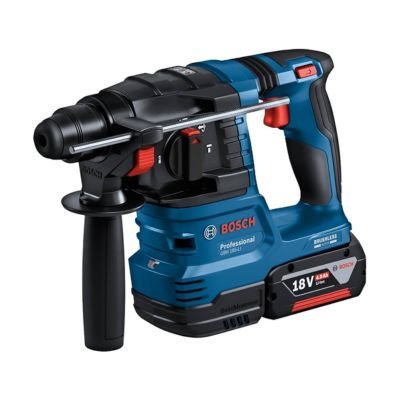
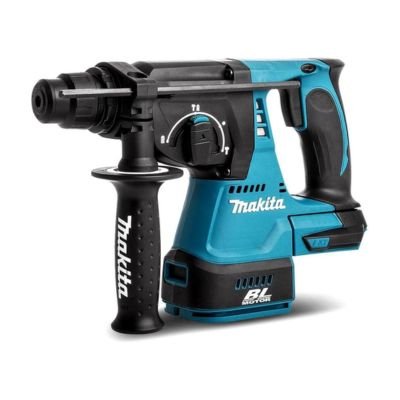
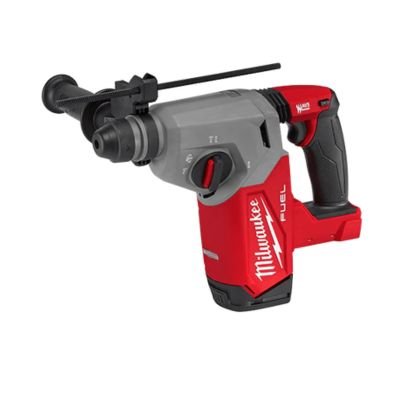


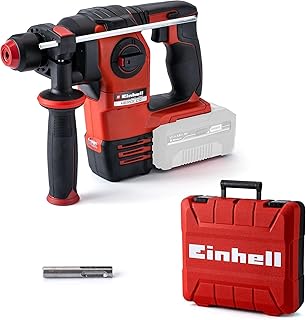


Choosing a cordless SDS hammer drill is about more than selecting the model with the highest voltage or the largest battery. For UK DIY users, tradespeople, renovators and general builders, the right drill needs to match the type of masonry work, drilling frequency, hole sizes, available batteries and the practical conditions in which it will be used.
A good cordless SDS hammer drill can provide the freedom of movement that a corded rotary hammer cannot, particularly when working outdoors, in unfinished buildings or in areas where mains power is inconvenient. However, cordless models vary considerably in impact energy, drilling speed, ergonomics, battery capacity, vibration control, chuck configuration and overall weight.
The most suitable choice therefore depends on the balance between drilling performance and portability. A compact model may be preferable for occasional wall fixing and installation work, while a higher-performance SDS Plus or SDS Max machine may make more sense for demanding construction tasks.
SDS is a tool and accessory system designed to allow compatible drill bits and chisels to be fitted quickly without using a conventional keyed or keyless chuck. The shank has specially formed grooves that engage with the drill's chuck mechanism while still allowing the bit to move axially during hammer operation.
For most general masonry drilling, SDS Plus is the most familiar system. Larger SDS Max machines are designed for heavier-duty applications and substantially larger accessories. The two systems should not be treated as interchangeable simply because both are described as SDS.
SDS Plus is particularly well suited to domestic renovation, electrical installation, plumbing work, wall fixing, light construction and general masonry drilling. Compatible bits are widely available in a broad range of diameters and lengths, making the system versatile for many everyday applications.
A cordless SDS Plus hammer drill is often the most practical choice for homeowners and tradespeople who need one machine for a mixture of drilling and occasional light chiselling.
SDS Max is intended for more demanding rotary hammer and demolition applications. The larger accessory system is designed for heavier loads and larger drilling equipment. These machines are generally larger and heavier than SDS Plus models.
If your work regularly involves large masonry holes, substantial chiselling or intensive construction work, an SDS Max machine may be more appropriate than a compact SDS Plus drill.
The principal advantage of a cordless SDS hammer drill is mobility. There is no mains cable trailing behind the machine, so the operator can move around a work area more freely and does not need to position the task close to a socket.
For occasional DIY work, cordless convenience can be more important than maximum continuous runtime. For intensive professional drilling, however, battery capacity, spare batteries and charging arrangements become much more important purchasing considerations.
Battery voltage is useful when comparing cordless tools within a manufacturer's range, but it should not be used as the sole measure of performance. A higher nominal voltage does not automatically mean that one drill will be better suited to every job.
Impact energy, motor design, gearbox efficiency, electronic control, battery technology, accessory compatibility and the overall design of the machine all influence real-world capability.
Lower-voltage cordless SDS drills can be attractive when portability and reduced weight are priorities. They may be suitable for lighter drilling tasks, fixings and installation work where extended heavy chiselling is not required.
Mid-range battery platforms often provide a useful compromise between portability and performance. They can be suitable for regular masonry drilling while remaining manageable for overhead and installation work.
Higher-voltage platforms are commonly aimed at demanding applications where stronger performance and longer operating capability are important. They can also support larger battery capacities and more powerful tool designs, although additional power can come with greater weight.
Instead of asking only which voltage is highest, consider whether the complete drill, battery and accessory combination is appropriate for your workload.
Battery capacity is normally expressed in ampere-hours, abbreviated as Ah. In simple terms, a higher Ah rating can provide more stored energy when comparing batteries within a compatible platform, although actual runtime depends heavily on how the drill is being used.
Continuous heavy hammer drilling consumes considerably more energy than occasional small-diameter holes. Chiselling, large-diameter drilling, dense concrete and long periods of operation can all increase battery consumption.
Brushless motors use electronic control rather than conventional motor brushes. They are common in modern cordless power tools and can offer advantages in efficiency, motor longevity and electronic control.
Brushed motors remain available and can still be suitable for users who need a straightforward tool for occasional work. The presence or absence of a brushless motor should be considered alongside price, specifications, battery system and intended workload rather than treated as an automatic indicator of overall quality.
Impact energy is generally expressed in joules and indicates the energy delivered by the hammer mechanism. It is one of the more meaningful specifications when comparing rotary hammers because masonry performance depends heavily on the effectiveness of the impact mechanism.
A drill with relatively high impact energy may be better suited to hard masonry and larger holes than a lightweight model designed primarily for occasional fixing work. However, maximum impact energy is not the only consideration. Excessive power can make a machine unnecessarily heavy or cumbersome for small installation tasks.
Think about the typical hole sizes and materials you work with rather than buying the highest specification available.
A versatile SDS hammer drill may provide several operating modes. The exact combination varies by model, so check the manufacturer's specification before assuming that a particular function is included.
Rotary drilling is useful when the hammer mechanism is not required. Depending on the model and accessory system, this mode can support suitable drilling tasks using compatible accessories.
This combines rotation with hammer action and is the primary operating mode for drilling masonry, brickwork, concrete and similar materials with compatible SDS masonry bits.
Chiselling mode allows the machine to deliver impact without normal rotary drilling. It can be useful for tasks such as removing tiles, chasing masonry, breaking away small areas of material and carrying out controlled demolition work, provided the machine and accessory are rated for the application.
Some SDS hammer drills allow the chisel to be rotated and locked at different angles. This can make certain chiselling tasks more comfortable because the operator can position the accessory appropriately before starting work.
No-load speed indicates how quickly the drill's spindle can rotate without being subjected to a drilling load. Higher speed can be useful for certain applications, but it does not automatically translate into better masonry performance.
For masonry drilling, impact action and the correct bit are generally much more important than simply having the highest rotational speed. Variable-speed control can nevertheless be valuable when starting holes, positioning the bit accurately or adapting the tool to different materials and accessories.
Hammer rate describes the number of impacts the mechanism can deliver per minute. A high impact rate can contribute to effective material removal, but it needs to be considered together with impact energy.
Two machines can have different combinations of impact rate and impact energy and therefore behave differently in use. Looking at both specifications provides a more meaningful comparison than focusing on either figure alone.
Manufacturers commonly state maximum drilling diameters for different materials or applications. These figures should be interpreted as capability specifications rather than a recommendation to operate continuously at the maximum size.
If your normal work involves 6 mm, 8 mm or 10 mm fixing holes, purchasing a very large heavy-duty rotary hammer simply because it has a greater maximum drilling diameter may make the tool less convenient for everyday use.
Conversely, repeatedly using a compact drill near its maximum capacity can be inefficient and may place unnecessary demands on the tool and battery.
Masonry is not a single material. Brick, block, concrete and reinforced concrete can place very different demands on a hammer drill and its accessories.
Brick is commonly encountered during domestic renovation and installation work. The appropriate drilling technique depends on the brick type, condition, mortar location and the fixing being installed.
Lightweight and dense blocks can behave differently during drilling. Excessive impact can sometimes be unnecessary for softer materials, so variable operating modes and careful accessory selection can be useful.
Concrete generally requires a more capable hammer mechanism and a suitable SDS masonry bit. Older concrete, aggregate-rich concrete and heavily reinforced structures can present additional challenges.
Reinforced concrete may contain steel reinforcement that conventional masonry drilling cannot simply pass through. If drilling encounters reinforcement, the operator should stop and assess the application rather than forcing the tool through the obstruction.
Masonry drilling can generate significant dust, particularly when drilling multiple holes or working in enclosed areas. Dust management should therefore form part of the buying decision and the working method.
Some professional cordless SDS systems are designed to work with compatible dust extraction accessories. Depending on the job, a suitable extraction system can help control airborne dust and reduce the amount of debris around the drilling point.
Users should follow the tool manufacturer's instructions and appropriate UK workplace or site requirements when dealing with construction dust.
Hammer drilling creates repeated mechanical impacts, making vibration an important consideration. A drill that is powerful but uncomfortable to hold may be a poor choice for frequent use.
Look for features such as vibration-reducing handles, carefully designed grips and balanced weight distribution. Where vibration exposure is a workplace concern, do not rely solely on a product's marketing description; consider the manufacturer's stated vibration information and follow applicable workplace guidance.
The quoted tool weight may not include the battery, so comparisons should be made carefully. A cordless SDS drill that appears lightweight on paper can feel considerably heavier once a high-capacity battery is attached.
Weight becomes particularly important for overhead drilling, ladder work, prolonged installation tasks and repetitive drilling.
Ergonomics can have a major effect on day-to-day usability. A well-designed handle, accessible controls and balanced centre of gravity can make repetitive drilling considerably easier.
Important areas to compare include the main handle, auxiliary handle, trigger arrangement, forward and reverse controls, mode selector, depth-stop arrangement and battery position.
If possible, compare the complete tool with its intended battery rather than judging a bare tool from specifications alone.
Modern cordless SDS hammer drills can include electronic and mechanical safety features designed to help manage demanding drilling conditions. The exact features differ between manufacturers and models.
Electronic protection systems can help manage conditions such as overload or excessive temperature. Check the manufacturer's documentation for the precise protection functions provided.
Some higher-specification drills include electronic systems designed to detect sudden rotational movement and reduce the risk associated with certain binding situations. This can be particularly relevant when drilling larger holes.
Overload protection can help prevent excessive stress on the motor and electronics. It is useful, but it should not be treated as permission to force a drill beyond its intended application.
Construction environments can expose power tools to dust, debris and changing weather conditions. Some professional tools are engineered with additional protection, but buyers should check the exact manufacturer's specifications rather than assuming that a cordless SDS drill is suitable for wet or dusty environments.
No cordless power tool should be treated as waterproof unless the manufacturer specifically states an appropriate protection rating and operating conditions.
For buyers who already own cordless tools, battery compatibility can be one of the strongest reasons to choose a particular SDS hammer drill.
Brands such as Bosch Professional, DeWalt, Makita, Milwaukee, Hikoki and Ryobi have established cordless tool ecosystems, although battery compatibility varies between platforms and individual tool ranges. A battery from one system should not be assumed to fit another manufacturer's tool.
Before buying a bare tool, check the exact battery platform, voltage family and charger requirements. Also confirm whether the particular drill is supplied as a bare tool or as a kit containing batteries and a charger.
A bare tool can be economical when you already own compatible batteries and a charger. For a first purchase into a cordless platform, a complete kit may be more practical because it can provide the required battery and charging equipment together.
Several established power-tool manufacturers offer cordless SDS systems for different levels of DIY and professional use. Brand reputation alone should not determine the purchase, but it can be useful when considering battery ecosystems, accessory availability and the breadth of a manufacturer's cordless range.
Makita offers a broad range of cordless construction tools and SDS rotary hammers. Buyers should compare individual models for battery platform, impact energy, weight, drilling capacity and included accessories rather than assuming that every Makita SDS drill has the same capabilities.
DeWalt is widely associated with professional cordless power tools and offers SDS rotary hammer options across its cordless ranges. When comparing DeWalt models, pay particular attention to the battery platform, impact performance, ergonomics and whether the selected configuration includes batteries.
Milwaukee's cordless construction range includes rotary hammer systems designed for different applications. Buyers who already use compatible Milwaukee batteries may find platform compatibility particularly relevant when comparing models.
Bosch Professional offers cordless rotary hammer tools in several performance categories. The Bosch Professional range should be distinguished from other Bosch power-tool ranges when checking battery compatibility and intended use.
Hikoki produces cordless rotary hammer tools and related construction equipment. When comparing a Hikoki model with competing options, consider its battery platform, impact specifications, size, weight and accessory compatibility.
Ryobi is particularly relevant to consumers interested in a broad cordless DIY ecosystem. Its SDS options can be worth considering where portability and compatibility with an existing battery platform are important.
When two products appear similar, compare the specifications in a consistent order instead of relying on headline marketing claims.
Voltage is only one specification. A lower-voltage drill with an efficient design and suitable impact mechanism may be a better choice for a particular job than a larger machine that is unnecessarily heavy.
A cordless drill is a complete system consisting of the tool, battery and charger. Comparing tool specifications without considering the battery configuration can produce a misleading picture of the overall purchase.
A powerful SDS Max machine is not necessarily the best DIY drill. If most work involves small fixing holes in brick or blockwork, a compact SDS Plus model may be easier to control and more convenient to store.
The opposite mistake is equally problematic. A compact SDS Plus machine may not be the appropriate choice for prolonged heavy chiselling or large-diameter construction drilling.
An SDS hammer drill is only as useful as the accessories available for the work. Factor in the cost and availability of suitable SDS Plus or SDS Max bits, chisels and other compatible accessories.
Drill performance depends heavily on accessory quality. A capable hammer drill fitted with a worn, unsuitable or poor-quality bit may perform badly and consume more battery power.
For masonry drilling, choose an SDS accessory specifically intended for the material and hole size. Four-cutter and multi-cutter designs can be useful in demanding concrete applications, while standard SDS masonry bits may be sufficient for routine drilling.
Always check accessory compatibility with the machine's chuck system and follow the accessory manufacturer's recommendations.
Four-cutter carbide designs are commonly associated with demanding concrete drilling because their cutting geometry is designed for difficult masonry and reinforced environments. They can be particularly relevant when drilling regularly into hard concrete.
For occasional small holes in ordinary brickwork, the additional specification of a premium concrete accessory may not be necessary. Match the bit to the material, drilling frequency and required hole quality.
Regular maintenance can help keep a cordless SDS drill operating reliably. The precise maintenance requirements vary between models, so the manufacturer's instructions should always take priority.
Drill bits should be inspected regularly for excessive wear, damage and loss of cutting performance. A blunt bit can increase drilling time and place unnecessary demands on the hammer drill.
Keep SDS accessories clean and follow the accessory manufacturer's guidance regarding lubrication where applicable. Never use a visibly damaged accessory simply because it still fits the chuck.
Store the drill and batteries in a clean, dry environment appropriate for the manufacturer's stated storage conditions. Avoid exposing batteries to excessive heat, moisture or physical damage.
If the tool will not be used for an extended period, follow the battery manufacturer's recommendations for storage charge level and temperature. Different battery systems can have different storage requirements.
For general UK DIY, prioritise versatility and manageable weight over extreme specifications. A compact SDS Plus hammer drill with rotary hammer and chiselling functions can cover many common renovation and installation tasks.
Professional users should place greater emphasis on durability, battery ecosystem, vibration management, drilling performance, service arrangements and long-term accessory availability.
If the drill will be used throughout the working day, the ability to rotate batteries efficiently can be just as important as the tool's peak specifications. Consider purchasing within a cordless platform that already powers other tools used for the same trade.
Electricians frequently need to drill masonry for cable routes, fixings, back boxes and installation equipment. In this type of work, a relatively compact SDS Plus machine can be advantageous because the operator may need to make numerous small holes rather than perform heavy demolition.
Important considerations include low weight, precise control, suitable smaller SDS bits, battery efficiency and compatibility with dust extraction equipment where required.
Plumbing installation can involve drilling through brickwork, blockwork and other masonry for pipework and brackets. The ideal machine depends on the diameter and depth of the holes required.
For repeated large holes, consider a drill with sufficient impact performance and battery capacity. For smaller fixing holes, a lighter SDS Plus machine may be more convenient.
Renovation projects can involve a mixture of drilling, tile removal, chasing and light demolition. A multi-mode SDS Plus hammer drill can therefore be particularly versatile.
Before buying, identify the most demanding task you expect the machine to perform. If the hardest job is occasional tile removal, you may not need the same specification as someone who expects to remove large quantities of concrete or masonry.
Not always. An SDS hammer drill is primarily designed around masonry drilling and impact applications. A standard drill driver is generally more convenient for many woodworking, metalworking and screwdriving tasks.
Some SDS machines provide a rotary-only mode and can accept certain accessories, but this does not necessarily make them an ideal substitute for a compact drill driver.
For a broad home workshop, owning both types can make sense. The SDS hammer drill can handle masonry while the drill driver deals with general fastening and lighter drilling tasks.
Models with a dedicated chiselling mode can be used with compatible SDS chisels for suitable applications. However, the machine's intended duty cycle and manufacturer instructions should be checked before using it for prolonged demolition.
A dedicated demolition hammer may be more appropriate where chiselling is the primary task and continues for long periods.
An SDS hammer drill is highly versatile, but there are situations where another power tool may be better suited.
Customer reviews can provide useful information, but they should be read critically. Look for reviews from buyers whose applications resemble your own rather than focusing only on an overall star rating.
Pay particular attention to recurring comments about battery life, weight, chuck behaviour, ergonomics, drilling speed, accessory compatibility and long-term usability.
A review describing excellent performance for occasional DIY does not necessarily establish that the same drill is suitable for continuous professional construction work.
Specifications should be checked against the exact model number rather than relying on a retailer category description. Product names can be similar across a manufacturer's range, while battery kits and tool-only versions can have different contents.
When comparing deals, avoid comparing headline prices alone. A lower-priced bare tool may become more expensive than a kit once a compatible battery and charger are added.
Compare the complete package, including the battery capacity, charger, case, auxiliary handle and supplied accessories. Also consider whether you already own compatible batteries within the same platform.
For current purchasing decisions, check today's retailer pricing and the exact product configuration because cordless tool bundles and availability can change over time.
For a 2026 buying decision, the strongest approach is to match the tool to the application rather than selecting a model solely because it appears near the top of a ranking. Product specifications, retailer configurations and battery bundles can change, so verify the exact current model before purchasing.
For general DIY and home renovation, start by comparing compact SDS Plus models. For frequent trade work, compare battery ecosystem, impact energy, ergonomics, vibration management and runtime. For heavy construction, evaluate larger SDS systems and dedicated rotary hammers based on the drilling and chiselling demands of the job.
There is no single best model for every UK buyer. The right choice depends on the required drilling capacity, masonry type, frequency of use, preferred battery platform, weight and budget. Compare current specifications and choose the model that best matches your normal applications.
Neither system is universally better. SDS Plus is highly versatile for general masonry drilling and many DIY and trade applications, while SDS Max is designed for larger and more demanding drilling and chiselling work.
Many cordless SDS rotary hammers are designed for concrete drilling, but performance varies significantly between models. Check the stated impact energy, drilling capacity and manufacturer's recommended applications before selecting a tool for concrete.
Runtime depends on battery capacity, material hardness, hole diameter, drilling depth, operating mode and how continuously the tool is used. Heavy concrete drilling can consume considerably more energy than occasional small fixing holes.
A brushless model can offer advantages in efficiency, motor design and electronic control. Whether the additional cost is worthwhile depends on how frequently the drill will be used and what other features are included.
Choose battery capacity according to the workload. A smaller battery can keep the tool lighter, while a higher-capacity battery can provide greater operating endurance. For frequent professional use, having multiple compatible batteries can be more practical than relying on one very large battery.
SDS Plus and SDS Max are different accessory systems. Do not assume that a bit designed for one system can be fitted directly into a tool designed for the other. If an approved adapter or specific accessory arrangement is available, follow the manufacturer's instructions.
Some models provide rotary-only operation and may support suitable accessories, but an SDS hammer drill is primarily intended for masonry applications. For regular woodworking, a conventional drill or drill driver is usually more appropriate.
A model with an appropriate chiselling mode can be used with a compatible tile or scaling chisel for suitable tile-removal work. Check the manufacturer's instructions and use the correct accessory for the application.
Choose cordless when mobility and freedom from mains cables are important. Choose corded when continuous heavy operation is the priority and mains power is conveniently available. The better option depends on the working environment and expected duty cycle.
Not necessarily. Higher-priced models may provide stronger performance, more advanced electronics, better ergonomics or a larger battery ecosystem, but those features may be unnecessary for occasional DIY. Compare the specifications with your actual requirements.
Look for feedback concerning the specific tasks you intend to perform. Repeated comments about battery runtime, drilling performance, weight, handling, vibration, accessory compatibility and durability can be more useful than a general overall rating.
Many are designed for professional applications, but suitability varies by model. Professional users should evaluate duty cycle, impact energy, battery ecosystem, ergonomics, vibration information, service arrangements and the expected drilling workload.
The best top-rated cordless SDS hammer drill for your needs is the one whose capabilities align with the work you actually perform. Start with the required SDS system, drilling diameter and material. Then compare impact energy, battery platform, runtime, weight, operating modes, vibration management and accessory compatibility.
For many UK homeowners, a compact SDS Plus cordless hammer drill offers a practical combination of portability and masonry capability. Tradespeople may benefit from investing in a broader professional battery ecosystem, while users carrying out demanding concrete drilling or demolition should consider whether a larger rotary hammer or SDS Max machine is more suitable.
Before making a purchase, compare the exact model number, current specifications, included battery and charger, compatible accessories and verified customer feedback. Checking the complete package rather than the headline product name makes it easier to identify a cordless SDS hammer drill that provides the right balance of performance, portability and long-term practicality.