

♥ Wishlist
Compare 69 verified Cordless Power Tools for UK DIY & Trade Projects products in United Kingdom. Reviews, ratings, pros, cons and buying advice updated for October 2026.
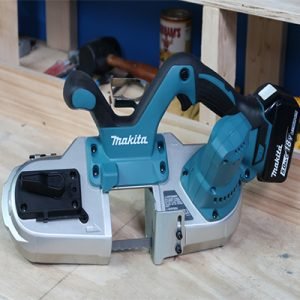
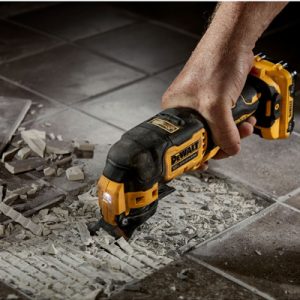
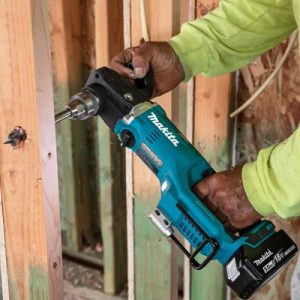
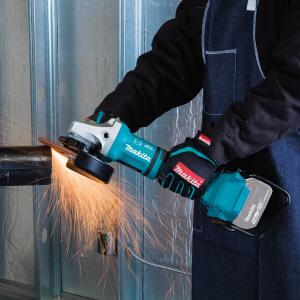
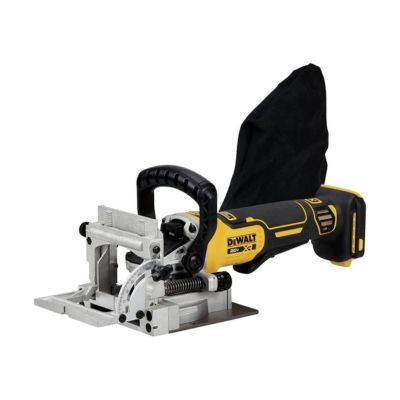
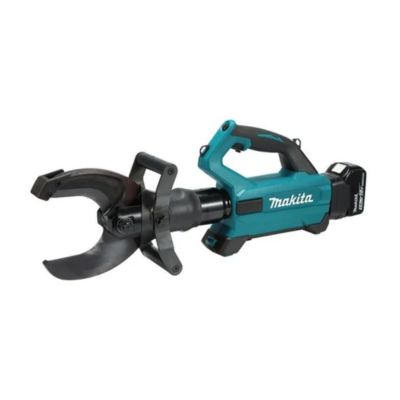
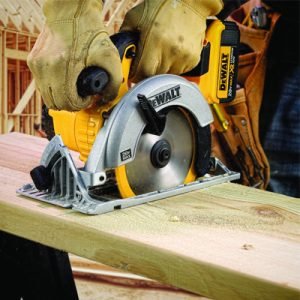
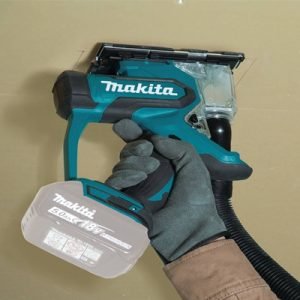
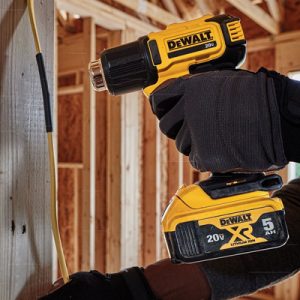
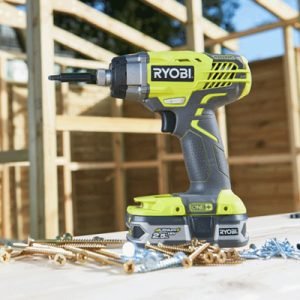
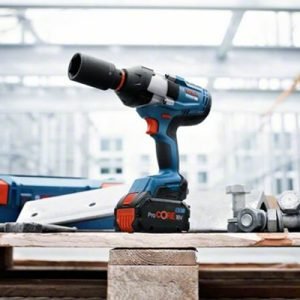
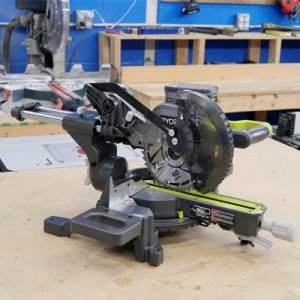
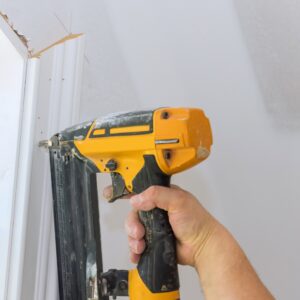
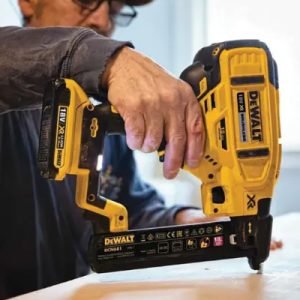
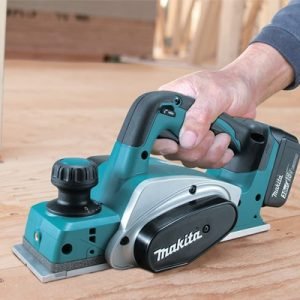
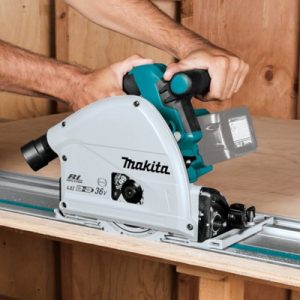
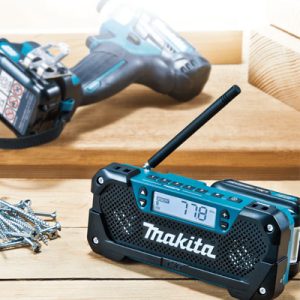
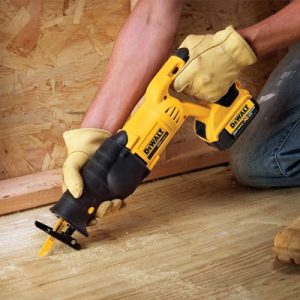
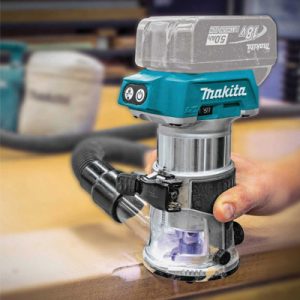
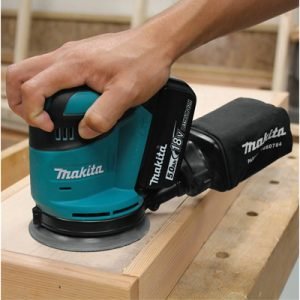
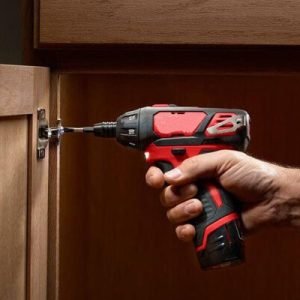
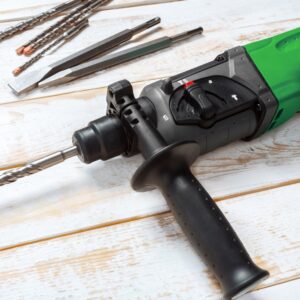
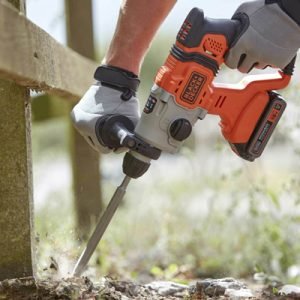
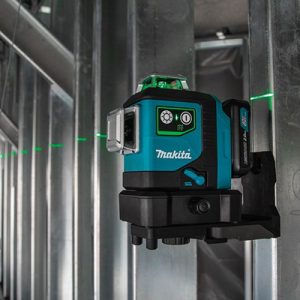


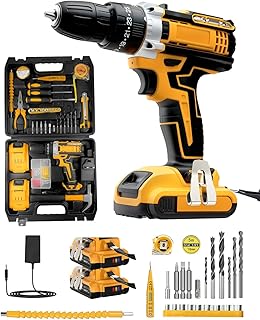


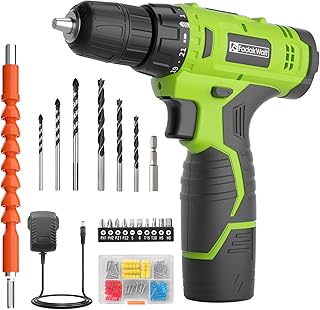


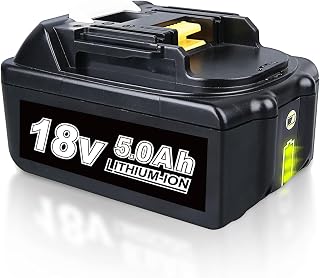


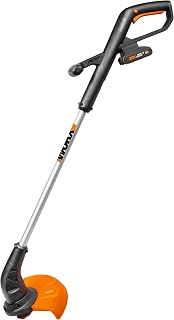


Choosing the best cordless power tools is not simply a matter of selecting the tool with the highest rating or the biggest battery. The right choice depends on the type of work you do, how frequently you use the tool, the materials involved, the battery platform you want to adopt, and the balance between power, weight, runtime and convenience. For UK buyers, it is also worth considering the availability of compatible batteries, chargers, accessories and replacement parts before committing to a particular system.
A cordless drill, impact driver, circular saw, reciprocating saw, angle grinder, jigsaw, multi-tool or cordless planer can all be useful additions to a workshop or tool collection. However, different tools place very different demands on their batteries and motors. A compact drill used for occasional household assembly has very different requirements from a cordless grinder or circular saw being used regularly on a building project.
This buying guide is designed to make that decision easier by explaining the specifications and practical considerations that matter when comparing top-rated cordless power tools in the UK. Rather than relying on one feature, compare the complete system: tool performance, battery technology, charger capability, ergonomics, accessory compatibility, safety features, manufacturer support and the intended application.
A highly rated cordless power tool should offer a useful combination of performance, reliability, usability and value rather than excelling in only one specification. Customer ratings can provide useful purchasing signals, but they should be considered alongside technical specifications and the requirements of your own projects.
For example, a lightweight drill may receive excellent feedback from DIY users because it is comfortable and easy to handle, while a heavier professional model may be better suited to prolonged drilling in demanding materials. Neither is automatically the better tool for every buyer.
When comparing top-rated cordless power tools, consider the following characteristics:
The battery platform is one of the most important decisions when buying cordless tools. A cordless tool may appear inexpensive when considered on its own, but the total cost can change significantly if you need to purchase several batteries and a charger later.
Many manufacturers build complete cordless ecosystems around shared battery packs. Once you own a battery and charger from a particular platform, additional bare tools can potentially be purchased without another battery and charger, provided they use the same system and voltage platform.
Major manufacturers such as DeWalt, Makita, Bosch, Milwaukee, Ryobi and Einhell offer extensive cordless ranges. Their individual battery systems are not generally interchangeable, so the brand and platform decision deserves careful consideration before building a larger collection.
A shared battery platform can reduce duplication and make a growing tool collection more convenient. For example, someone who already owns compatible batteries may only need to buy the bare version of another tool rather than purchasing another battery and charger.
However, buyers should never assume that batteries are interchangeable simply because two tools have the same nominal voltage. Compatibility depends on the manufacturer's specific battery system, physical interface and electronic requirements.
Cordless tools are commonly offered across different voltage classes. Lower-voltage compact tools can be convenient for lighter applications, while higher-voltage systems are generally used for applications requiring greater sustained power.
Voltage alone should not be treated as a direct measurement of cutting speed, drilling performance or overall tool quality. Motor design, electronics, gearing, battery output and the particular task all influence real-world performance.
Amp-hour capacity, commonly written as Ah, indicates the amount of electrical charge a battery can store under specified conditions. A higher Ah battery can potentially provide longer runtime, but it can also add considerable weight and size.
For a compact drill or impact driver used overhead, a smaller battery can be preferable because reducing weight may improve handling. For a cordless circular saw, grinder or other high-demand tool, a higher-capacity battery may be more practical where longer operating periods are required.
Brushless motors have become common across premium and professional cordless tools. Compared with traditional brushed motor designs, brushless systems can offer advantages in efficiency, durability and electronic control.
For buyers who expect to use a tool frequently, a brushless model can be worth considering, particularly where extended runtime, demanding workloads and long-term ownership are important. Nevertheless, a brushed tool can still be entirely appropriate for occasional household DIY where the purchase price and simplicity are higher priorities.
The ideal battery size depends on the tool rather than simply choosing the largest available pack. A high-capacity battery can extend runtime but may make a compact tool noticeably heavier.
For light-duty drilling, furniture assembly and occasional fastening, a smaller battery can make the tool easier to control. For cutting timber with a circular saw or operating a high-demand grinder, additional capacity may be more valuable.
Buyers should also consider whether purchasing two moderate-capacity batteries is more useful than purchasing one very large battery. Two batteries can allow one pack to charge while the other is being used, which may be particularly useful during longer projects.
A cordless drill driver is one of the most versatile power tools for a home workshop. It can handle drilling and screwdriving tasks and is often the first cordless tool purchased by DIY users.
When comparing cordless drill drivers, look beyond maximum torque. Useful specifications include the number of clutch settings, speed ranges, chuck size, motor type, maximum drilling capacities and battery compatibility.
A two-speed mechanical gearbox provides flexibility for different tasks. Lower gearing generally favours controlled, higher-torque applications, while higher gearing is useful for faster drilling where the material and accessory allow it.
An adjustable clutch helps control screwdriving force. This is useful when working with different materials and fasteners because excessive torque can strip screw heads, damage softer materials or drive fasteners too deeply.
A keyless chuck makes changing drill bits and accessories convenient. The chuck size also influences the range of compatible accessories, although the correct accessory should always be selected according to the manufacturer's specifications.
An impact driver is designed primarily for fastening applications and can be particularly useful where conventional drill drivers struggle with larger screws or bolts. Its impact mechanism delivers rotational impacts that can help provide high fastening performance in a compact package.
Impact drivers are not simply stronger versions of drill drivers. Their operating characteristics are different, and they are not always the best choice for delicate screwdriving or precision drilling.
When comparing impact drivers, examine torque control, speed settings, impact rate, tool length, weight, LED lighting, bit retention and battery compatibility. Electronic speed control can be especially useful when moving between delicate fastening and heavier applications.
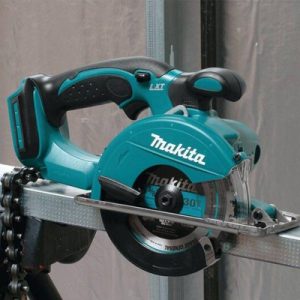
A cordless circular saw can be one of the most demanding tools in a cordless collection. It needs sufficient battery output and motor performance to maintain cutting speed under load, particularly when cutting thicker timber or sheet material.
Important specifications include blade diameter, maximum cutting depth, bevel range, spindle arrangement, base construction, visibility of the cutting line and dust-management provisions.
A larger blade does not automatically make a saw better. The appropriate blade size depends on the material, desired cutting depth and the tool's design.
Always compare the stated maximum cutting depth at both 90-degree and bevel angles where those specifications are provided. Cutting depth normally decreases when the saw is tilted for bevel cuts.
The blade has a major influence on cutting performance and finish. A saw fitted with an unsuitable or worn blade may appear underpowered even when the motor is performing normally.
For clean timber cuts, choose a blade designed for the material and finish required. For rough construction cuts, a different tooth configuration may be more appropriate. Always ensure the blade dimensions and mounting configuration match the saw.
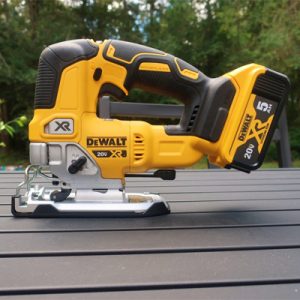
Cordless jigsaws are useful for curved cuts, openings, cut-outs and general woodworking. Their compact cutting action makes them particularly useful where a circular saw cannot easily follow a curved line.
Look for variable-speed control, pendulum or orbital action, tool-free blade changes, a stable baseplate and good visibility around the cutting area.
Blade selection is especially important. Different blades are designed for timber, metal, plastics and different finishing requirements. Using the correct blade can improve both cutting performance and the quality of the finished edge.
Reciprocating saws are designed for rapid cutting and demolition work. They can be useful for timber, pipe, sheet materials and renovation tasks when equipped with the appropriate blade.
When comparing models, pay attention to stroke length, strokes per minute, variable-speed control, vibration management, blade-change mechanism and overall weight.
A longer stroke can contribute to fast cutting in suitable materials, but it can also increase movement and vibration. For controlled work, the overall design and vibration management can be as important as headline speed figures.
Cordless angle grinders provide portability for cutting, grinding and surface preparation. They are high-energy tools and should be selected with particular attention to safety features, disc compatibility and handling.
Important features may include disc diameter, spindle size, variable-speed capability, electronic braking, overload protection and restart protection. Availability and compatibility of suitable cutting and grinding discs should also be considered.
Battery choice matters greatly with grinders because demanding cutting and grinding operations can consume significant energy. A high-capacity battery may provide greater usable runtime, although it also increases the weight of the tool.
Oscillating multi-tools are useful for detail work where access is restricted. Typical applications include trimming, plunge cutting, removing grout, sanding small areas and cutting through suitable materials with the correct accessory.
When comparing multi-tools, consider oscillation speed, angle, accessory-change system, vibration control, LED illumination and compatibility with the blades and sanding accessories you expect to use.
The accessory ecosystem can be particularly important because the tool itself is only part of the system. A versatile multi-tool becomes substantially more useful when suitable blades and attachments are readily available.
Cordless sanders can be convenient for woodworking and finishing because there is no power cable to manage around the workpiece. Random orbital sanders, detail sanders and other designs are suited to different tasks.
For sanding, examine pad size, oscillation or orbit characteristics, speed control, dust collection, grip design and battery position.
Dust extraction is especially important when sanding materials that produce significant fine dust. A tool that can connect effectively to a suitable extraction system may be preferable for workshop use.
Cordless planers are designed to remove controlled amounts of material from timber. They can be useful for adjusting doors, levelling timber edges and correcting uneven wooden surfaces.
Key specifications include cutting width, maximum depth of cut, number of blades, adjustment mechanism, base design and dust or chip ejection arrangement.
Planing performance depends heavily on blade condition and correct setup. A blunt blade can produce poor results and place unnecessary demands on the motor and battery.
One of the most important buying decisions is balancing performance against runtime. Maximum power is useful only when the application requires it, while excessive battery capacity can make a tool cumbersome.
For occasional DIY, convenience and low weight may be more valuable than maximum output. For trade use or extended projects, maintaining performance under load and reducing battery-change interruptions can become much more important.
Runtime also varies according to the task. A drill used for small pilot holes consumes energy differently from a circular saw cutting dense timber continuously. Manufacturer runtime information should therefore be treated as application-dependent rather than a universal operating time.
A cordless tool that feels manageable for several minutes can become tiring during a longer project. Tool weight, battery weight, grip position and balance all affect fatigue.
Consider where the tool will be used. A heavy tool may be manageable at bench height but uncomfortable when working overhead. Similarly, a tool with excellent power can be less useful if its balance makes precise positioning difficult.
Features worth assessing include:
Brushless and brushed motors can both be found in cordless power tools, but they are aimed at different priorities.
Brushless motors eliminate the mechanical brushes used in conventional brushed designs. This can reduce certain sources of wear and can allow sophisticated electronic control of the motor.
For frequent users, the efficiency and durability characteristics of brushless technology can make it attractive. For occasional users with a limited budget, a well-specified brushed tool may still provide all the capability required.
The important point is to avoid assuming that a brushless motor automatically makes one complete tool superior to another. Gearbox quality, battery output, ergonomics, electronics, build quality and intended application remain important.
Torque describes rotational force, while speed describes how quickly the tool rotates. Impact rate refers to the number of impacts produced by an impact mechanism or other relevant operating system.
Higher numbers are not automatically better. High torque can be useful for demanding fastening, but too much force can damage materials or fasteners. High rotational speed can be useful for efficient drilling or cutting, but the correct operating speed depends on the accessory and material.
For this reason, compare specifications within the context of the tool category. The torque figure of a drill should not be used as a direct comparison with the torque specification of an impact driver unless the manufacturer provides comparable measurement information.
Modern cordless power tools increasingly use electronic systems to improve control and protection. Depending on the category, useful features may include variable-speed triggers, selectable speed modes, electronic braking, overload protection, thermal protection, soft start and intelligent battery monitoring.
These features can improve usability, but buyers should still consider whether they are genuinely useful for the tasks they perform. Paying more for features that will rarely be used is not necessarily good value.
Cordless does not mean risk-free. Saws, grinders, drills, planers and other powered tools can cause serious injuries when used incorrectly. Buyers should consider safety design alongside performance specifications.
Depending on the tool, useful safety-related features can include trigger locks, electronic brakes, blade guards, spindle locks, overload protection and restart protection. The exact features available vary by tool type and manufacturer.
Personal protective equipment and safe working practices remain essential. Use eye protection where appropriate, hearing protection for noisy operations, suitable respiratory protection when required by the material and task, and appropriate gloves only where they are suitable for the particular operation.
Read the manufacturer's instructions before operating a new tool. Make sure guards and protective devices are correctly fitted, inspect accessories before use and select consumables designed for the tool and material.
DIY users generally benefit from a versatile collection rather than buying the most powerful version of every tool. A sensible starting combination can include a cordless drill driver, suitable batteries and charger, followed by specialist tools as specific projects require them.
Someone who regularly builds furniture may benefit from adding a jigsaw, circular saw or multi-tool. A homeowner undertaking renovation work may find a reciprocating saw, impact driver or grinder more useful.
The best approach is to identify the tasks you actually perform rather than purchasing tools based on specifications alone.
Professional users should place greater emphasis on durability, serviceability, battery availability and consistency. Downtime can be more costly when a tool is part of everyday work.
Consider the complete cordless ecosystem and whether the manufacturer offers the range of specialist tools required for your trade. A platform with drills, saws, grinders, lights, nailers and other equipment may provide greater long-term flexibility than a system with only a handful of tools.
Professional buyers should also consider battery rotation. Having multiple compatible batteries can allow one pack to charge while another remains in service, reducing interruptions during longer working periods.
Several established manufacturers have extensive cordless ranges available to UK consumers. DeWalt, Makita, Bosch, Milwaukee, Ryobi, Einhell and other recognised brands cover different segments of the market.
Rather than selecting a brand solely because it is popular, compare the specific battery platform, tool range, specifications, ergonomics, accessories and ownership costs.
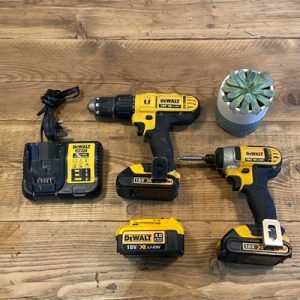
DeWalt has a broad cordless range covering DIY, construction and professional applications. Buyers considering the brand should compare the particular battery platform, tool generation, battery capacity and bare-tool options relevant to their work.
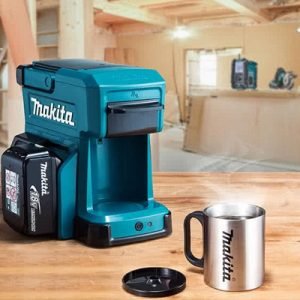
Makita is well established in power tools and offers a large cordless ecosystem. Its extensive tool selection can be particularly useful for buyers intending to build a collection around one battery family.
Bosch offers cordless tools across consumer and professional-oriented ranges. Buyers should carefully distinguish between the relevant battery systems because not every Bosch cordless tool necessarily uses the same platform.
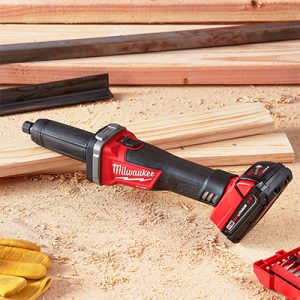
Milwaukee has a substantial cordless range aimed particularly at demanding users and professional applications. Its platform breadth can be an important consideration for buyers looking to expand their collection over time.
Ryobi is known for a broad range of cordless equipment that can appeal to homeowners and DIY users. A large ecosystem can make the platform attractive when the buyer wants to use one battery family across many different household and garden applications.
Einhell offers a broad cordless system spanning workshop, home improvement and garden equipment. Buyers should compare the battery system, tool specifications and intended workload when evaluating individual models.
Many cordless tools are sold either as a bare tool or as a kit containing one or more batteries and a charger. The best choice depends on whether you already own compatible equipment.
A bare tool can be economical for an established platform user because there is no need to duplicate batteries and chargers. For someone starting from scratch, a kit can provide a more convenient introduction to the system.
Always check exactly what is included before comparing prices. Two listings for apparently identical tools can differ in battery capacity, number of batteries, charger type and included accessories.
The purchase price of the tool is only one part of the total ownership cost. Batteries, chargers, blades, drill bits, sanding discs, cutting discs and other consumables can substantially affect the long-term budget.
When comparing two cordless platforms, calculate the likely cost of building the collection you actually need. A slightly more expensive first tool can sometimes be more practical if the platform subsequently provides the specialist tools and batteries required for future projects.
The biggest battery is not necessarily the best battery. Additional capacity brings additional weight, and that can matter when using a drill, impact driver or other handheld tool for long periods.
Power figures can be attractive on a specification sheet, but ergonomics, battery efficiency, gearing and application suitability can have a greater impact on the ownership experience.
Buying one tool without considering future purchases can result in several incompatible battery systems. Think about which other cordless tools you may need over the next few years.
Blades, bits and discs are not interchangeable simply because they appear physically similar. Check dimensions, mounting arrangements, speed ratings and material compatibility before using any accessory.
A heavy tool can become uncomfortable during prolonged use, particularly for overhead work. Always consider the tool with its battery installed rather than looking only at the bare-tool weight.
Customer ratings are useful but should be interpreted alongside the number of reviews, review content, specifications and intended application. A product can be highly rated for occasional household use while being unsuitable for intensive professional work.
Customer reviews can provide useful information about practical usability, but they should not be treated as a replacement for technical research.
Look for recurring comments about battery life, balance, chuck performance, trigger control, blade changes, durability, noise, vibration and ease of use. A single unusually positive or negative comment is less informative than a consistent pattern across many relevant reviews.
Pay particular attention to reviews from buyers performing tasks similar to your own. The experience of someone assembling furniture is not necessarily a useful benchmark for someone using a tool throughout a construction project.
A practical comparison should focus on specifications that affect your intended work. For drills, compare torque ranges, speed settings, chuck capacity and drilling capacities. For saws, examine blade size, cutting depth, bevel range and speed. For grinders, compare disc size, speed, control features and battery requirements.
Useful comparison categories include:
Woodworkers can benefit from cordless drills, impact drivers, circular saws, jigsaws, sanders, planers and multi-tools. The ideal combination depends on whether the priority is furniture construction, site work, joinery, repair or general workshop use.
For fine woodworking, control and clean results may be more important than maximum power. Blade quality, speed control, vibration and dust extraction can have a significant effect on finish quality.
Renovation projects often involve a mixture of materials and tasks, making versatility particularly valuable. A drill driver can handle general drilling and fastening, while an impact driver can assist with heavier fastening. A multi-tool can be useful for detail cutting, and a reciprocating saw can assist with demolition and removal work.
For larger timber-cutting tasks, a circular saw can be more efficient. The appropriate combination depends on the scale and frequency of the work.
Construction environments can place heavy demands on tools and batteries. Users should consider durability, battery capacity, charging arrangements and the availability of replacement accessories.
Jobsite conditions can also influence tool selection. Compact dimensions may be useful in confined spaces, while robust construction and effective protection can matter where equipment is exposed to demanding working conditions.
Good maintenance can help preserve performance and extend the useful life of cordless equipment. Follow the manufacturer's maintenance instructions for each tool and battery.
The battery is often one of the most expensive components of a cordless system, so proper handling matters. Use only the charger and battery combinations specified for the platform.
Avoid using a battery that shows signs of physical damage, swelling, leakage or other abnormal behaviour. Damaged lithium-ion batteries should not be treated as ordinary household waste. Follow appropriate manufacturer and local disposal guidance.
Battery storage conditions can also affect long-term performance. Follow the manufacturer's recommendations for temperature, storage and charging rather than relying on generic assumptions.
For regular users, charging capacity can be as important as battery capacity. A fast charger can reduce waiting time, while owning multiple batteries can allow continuous work while another pack charges.
If you are building a larger cordless collection, consider whether the charger supports the batteries you plan to use and whether your normal workflow benefits from simultaneous or rapid charging.
Cordless tools provide freedom from mains cables and can be particularly convenient on jobsites, outdoors and in locations where access to mains electricity is inconvenient. They also eliminate the need to manage a trailing power lead during many tasks.
Corded tools, however, can still make sense for applications requiring prolonged operation where continuous mains power is available. They can also be preferable where battery changes would interrupt the workflow.
The choice is therefore application-dependent. For a growing collection of cordless equipment, the convenience of one shared battery platform can be a major advantage, while a corded tool can remain useful for certain high-demand stationary or extended-duration tasks.
Start with the tools you use most often. For many households, a drill driver is a logical first purchase. Add specialist tools only when a project or recurring task justifies them.
Once a battery platform has been selected, consider whether future tools in the same ecosystem cover your likely needs. This approach can reduce the number of batteries and chargers required and simplify storage.
Before adding a new tool, ask whether it performs a task that your existing equipment cannot handle efficiently. Buying a specialist tool simply because it is available may provide less value than investing in quality accessories or additional batteries for tools you already use regularly.
Professional-grade tools often prioritise durability, sustained performance and advanced features. DIY-oriented tools can prioritise affordability, simplicity and occasional-use convenience.
The right category depends on workload. An occasional homeowner does not necessarily benefit from paying substantially more for specifications that will rarely be used. Conversely, a tradesperson who uses a tool every day may find that durability, battery efficiency and ergonomics justify investing in a higher-tier model.
Before purchasing, verify the exact model number and included equipment. Product names can be similar across different generations, battery platforms and kit configurations.
Value does not necessarily mean buying the cheapest tool. A better approach is to consider the cost of ownership over the period you expect to use it.
A tool that fits an existing battery platform may provide better value than a cheaper standalone tool that requires another charger and battery ecosystem. Similarly, a model with a robust accessory system can be more useful over time than a cheaper product with limited compatibility.
Compare complete kits carefully. A higher-capacity battery, second battery or more capable charger can change the practical value of a package even when two tools have similar headline specifications.
When comparing several highly rated cordless tools, create a shortlist based on your application rather than attempting to rank every model using one universal scoring system.
For example, a DIY homeowner might give greater weight to affordability, compact size, battery versatility and ease of use. A professional tradesperson might assign greater importance to sustained performance, battery rotation, durability and service support.
A useful comparison can therefore divide the decision into four areas: performance, usability, ownership and compatibility.
Consider whether the motor, gearbox, speed range and battery system provide sufficient capability for the materials and workload involved.
Assess weight, balance, grip, controls, visibility, vibration and accessory changes. These characteristics become increasingly important during long working sessions.
Consider battery costs, chargers, accessories, consumables, maintenance and the expected frequency of use.
Check whether the tool belongs to the battery platform you already own or the ecosystem you intend to adopt.
Low purchase cost can be attractive, especially for occasional DIY, but the cheapest tool may not provide the combination of battery compatibility, ergonomics, accessory availability and durability required for your workload.
Conversely, the most expensive tool is not automatically the best choice either. Professional features can be unnecessary for simple household jobs. The objective is to find the point where capability matches the work you actually intend to perform.
Once a buyer has invested in a cordless platform, future purchases can become simpler if additional bare tools use the same batteries. This is one of the strongest arguments for choosing a platform strategically rather than buying every tool independently.
Before committing, make a list of the tools you may realistically need in the future. Include less obvious equipment such as work lights, inflators, rotary tools, sanders, nailers or garden equipment if the platform offers them.
Cordless systems involve rechargeable batteries, chargers and electronic equipment, so responsible ownership includes appropriate storage, maintenance and end-of-life disposal.
Extending the useful life of a tool can also reduce the need for premature replacement. Keeping tools clean, using appropriate accessories and following the manufacturer's operating instructions can help maintain their intended performance.
For many DIY users, a cordless drill driver is a practical first tool because it can handle a wide range of drilling and fastening tasks. The best first purchase ultimately depends on the work you actually do.
There is no single best brand for every UK buyer. DeWalt, Makita, Bosch, Milwaukee, Ryobi and Einhell all offer cordless systems with different tool ranges and target users. Compare the specific battery platform and tools you need rather than choosing solely by brand name.
Brushless models can be worthwhile for frequent users because brushless motor technology can offer efficiency, durability and sophisticated electronic control. For occasional DIY, a well-specified brushed tool may still be adequate.
No. A higher Ah battery can provide greater capacity but usually adds size and weight. The best battery depends on the tool and application.
If you already own compatible batteries and a charger, a bare tool can avoid unnecessary duplication. If you are starting a new platform, a kit may be more practical because it can provide the battery and charger needed to operate the tool.
Generally, cordless battery systems are designed around specific manufacturer platforms and should not be assumed to be interchangeable. Always use batteries and chargers specified as compatible by the manufacturer.
The number depends on your workload. Occasional DIY users may need only one or two batteries, while frequent users may benefit from several packs so that one can charge while another is in use.
Consider torque range, speed settings, clutch adjustment, chuck type and capacity, motor design, weight, balance, battery compatibility and the manufacturer's stated drilling capabilities.
Compare blade diameter, cutting depth, bevel capability, speed, weight, visibility, baseplate design, battery requirements and compatibility with the blades you intend to use.
Many modern cordless systems are designed for demanding professional applications. Suitability depends on the individual tool, battery system, workload and material rather than the fact that it is cordless.
Both types require appropriate maintenance. Cordless systems add batteries and chargers to the ownership equation, so battery care and correct charging are additional considerations.
Customer ratings can be useful for identifying patterns in user satisfaction, but they should be considered alongside detailed review comments, technical specifications, battery compatibility and the intended application.
Before choosing a top-rated cordless power tool, compare the complete package rather than relying on one headline specification.
For a UK buying guide, the most useful comparison is one that helps readers understand why one cordless tool may suit a particular job better than another. Ratings, specifications and customer feedback are valuable starting points, but they should be interpreted in context.
When comparing products, consider performance, build characteristics, battery compatibility, ergonomics, accessory availability, ownership requirements and intended workload together. Product specifications and retailer information can change, so buyers should confirm the latest details before placing an order.
The right cordless power tool is ultimately the one that provides sufficient capability for the work without unnecessary weight, complexity or expense. For many buyers, choosing a compatible battery ecosystem first and then expanding it gradually can be a more practical strategy than purchasing unrelated tools one at a time.