

♥ Wishlist
Compare 8 verified Cordless Gardening Tools products in United Kingdom. Reviews, ratings, pros, cons and buying advice updated for October 2026.
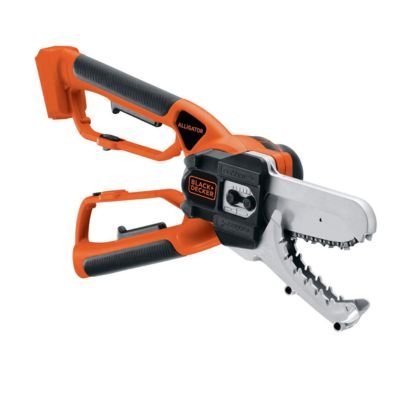
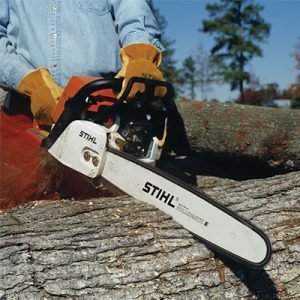
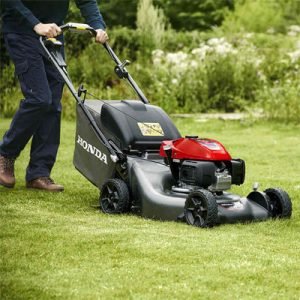
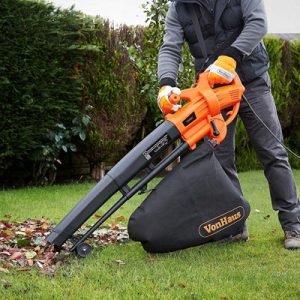
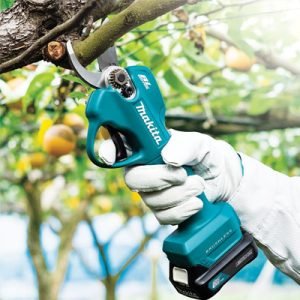
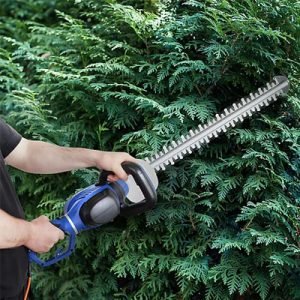
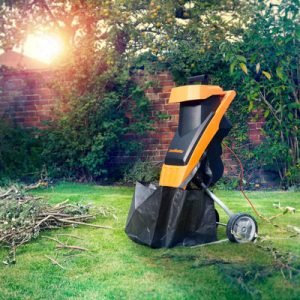

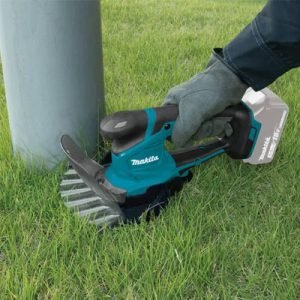
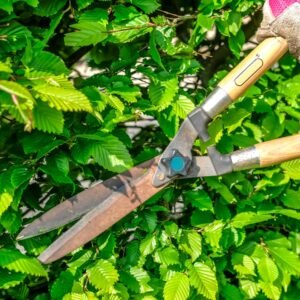
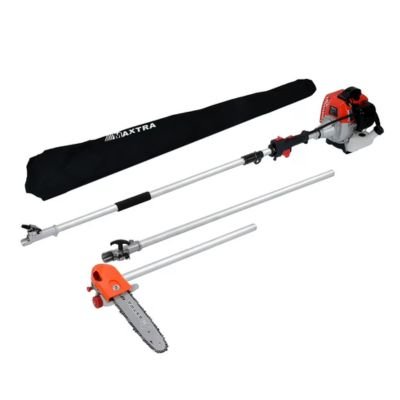


Choosing cordless gardening tools in the UK is no longer simply a question of finding the most powerful battery platform. The better purchase is usually the tool that matches the size of your garden, the type of work you regularly carry out, the materials being cut or cleared, and the battery system you are prepared to use. A compact cordless secateurs may be ideal for routine pruning, while a larger hedge trimmer, grass trimmer, chainsaw, blower or lawn mower can demand considerably more battery capacity and sustained power.
This buying guide is designed for UK shoppers comparing cordless gardening equipment for domestic gardens, allotments, larger grounds and regular seasonal maintenance. Rather than treating every cordless tool as interchangeable, it explains the practical differences that matter when comparing specifications, customer feedback, ergonomics, battery compatibility, cutting performance, runtime and long-term ownership.
Cordless equipment combines many of the advantages of electric garden machinery with the freedom of petrol-powered equipment. There is no mains cable running across the lawn, no extension lead to position around beds and borders, and no petrol to store or mix. For many homeowners, this makes battery-powered equipment particularly convenient for short and medium-duration jobs.
Modern cordless garden tools are available across a wide range of categories, including lawn mowers, hedge trimmers, grass trimmers, leaf blowers, chainsaws, pole saws, pruning tools and garden vacuums. Major manufacturers such as Bosch, DeWalt, EGO, Einhell, Greenworks, Makita, Ryobi, STIHL and WORX offer battery-powered gardening equipment in different voltage classes and battery ecosystems.
One of the most important decisions when buying cordless garden equipment is choosing the battery ecosystem. A battery that fits one manufacturer's platform will not normally fit another manufacturer's system, even if the nominal voltage appears similar.
For example, a shopper who already owns compatible Ryobi ONE+ equipment may find it sensible to investigate other tools within that ecosystem. Likewise, existing owners of Makita, DeWalt, EGO, Bosch, Greenworks or Einhell battery systems may benefit from staying within the same platform where practical.
The advantage is not limited to convenience. Buying a tool without another battery and charger can sometimes reduce the cost of expanding an existing collection. However, buyers should check exactly what is included because a listing described as a bare tool may contain the machine but no battery or charger.
Voltage indicates the electrical potential of the battery system, while amp-hours describe the battery's capacity. Watt-hours provide a more useful way to think about stored energy because they combine voltage and amp-hour capacity.
A simplified comparison can be made using the relationship between voltage and amp-hours: watt-hours are approximately equal to volts multiplied by amp-hours. Actual usable runtime varies because motor efficiency, workload, battery temperature, cutting resistance and electronic controls all affect energy consumption.
There is no universal battery size that is best for every UK garden. A small garden with short hedges may require considerably less energy than a large property with extensive lawns, mature hedges and substantial leaf fall.
For occasional light work, a compact battery may provide a good balance between runtime and weight. For demanding jobs such as cutting dense vegetation, mowing larger lawns or operating a high-output blower for extended periods, a higher-capacity battery or a second battery can be more practical.
Cordless lawn mowers are among the most useful battery-powered garden tools for homeowners who want to avoid trailing cables. When comparing models, cutting width, cutting-height adjustment, grass-box capacity, mower weight, drive system and battery compatibility deserve close attention.
A wider cutting deck can reduce the number of passes required across a lawn, but it may also increase the mower's physical size and weight. Compact models can be easier to store and manoeuvre around narrow borders, while larger machines can be more suitable for extensive lawns.
A cordless hedge trimmer is particularly useful where a garden has no convenient outdoor socket near the hedge. Blade length, tooth spacing, weight distribution and handle design all influence how quickly and comfortably a hedge can be maintained.
Blade length should not automatically be treated as a measure of quality. A longer blade can cover more hedge with each pass, while a shorter blade may provide greater control when shaping smaller or more intricate hedges.
Grass trimmers are useful for finishing areas a lawn mower cannot easily reach, including edges, slopes, around trees and along fences. Buyers should compare cutting width, line-feed system, shaft design, head adjustment and battery position.
Automatic or bump-feed systems can reduce interruptions, while a wider cutting path may help clear larger areas more quickly. For small edging jobs, however, manoeuvrability and low weight can be more valuable than maximum cutting width.
A battery leaf blower can make routine clearing of paths, patios, driveways and lawns much faster. The most useful comparison is not simply the advertised air-speed figure. Air volume, nozzle design, battery capacity, trigger control and overall balance all affect real-world usability.
High air speed can be useful for concentrated clearing, whereas high air volume can help move larger quantities of loose leaves and debris. Some designs offer variable-speed control, which is useful when working around gravel, delicate planting or dry soil.
Cordless chainsaws require more careful specification checking than many lighter garden tools. Guide-bar length, chain pitch, chain speed, automatic oiling, chain tensioning, weight and battery placement all influence suitability.
Do not choose a chainsaw solely by guide-bar length. A longer bar can provide additional cutting capacity, but it can also add weight and change the balance of the machine. For occasional domestic pruning and small timber work, a compact model may be easier to control than a substantially larger machine.
Chainsaws should always be used in accordance with the manufacturer's instructions and appropriate safety guidance. Protective equipment, secure footing and correct cutting technique are essential.
Pole saws extend your reach for pruning branches without requiring a conventional ladder-based approach for every task. The key specifications include pole length, adjustability, cutting head angle, guide-bar size, overall weight and balance.
A longer reach can be useful, but it can also make the tool feel heavier because the cutting head is positioned farther from the user's body. For this reason, balance and total working weight are particularly important when comparing pole saws.
Battery-powered pruning secateurs can reduce repetitive hand effort when carrying out extensive pruning. They are particularly suited to users who regularly cut numerous small branches and want powered assistance rather than repeatedly operating conventional manual secateurs.
Check the maximum cutting diameter stated by the manufacturer, battery configuration, tool weight, trigger arrangement, blade material and replacement-blade availability. Cutting capacity should never be interpreted as permission to cut material beyond the manufacturer's specified limits.
Garden vacuums combine collection and clearing functions and can be useful for leaves, small garden debris and seasonal clean-up. Compare suction performance, collection-bag capacity, conversion mechanisms, shredding or mulching features where applicable, and the weight of the complete machine.
A large collection bag can reduce emptying interruptions, but a full bag can substantially increase the carrying weight. For prolonged use, ergonomics can therefore matter as much as raw suction performance.
Battery voltage is only one part of the performance equation. Motor design, electronic controls, gearing, blade geometry, chain characteristics and the resistance presented by the material being cut can all influence results.
For cutting tools, the design of the cutting mechanism can be more informative than a single headline specification. A hedge trimmer working through soft new growth has a very different workload from one repeatedly encountering thick woody stems. Similarly, a grass trimmer working through short lawn edges has a different energy requirement from one clearing tall, wet vegetation.
Battery runtime is highly dependent on how a tool is used. A blower operating continuously at maximum output can consume energy much faster than one used intermittently at lower power. A hedge trimmer cutting thin new growth may also require less energy than the same machine working through dense mature growth.
Temperature can influence battery performance as well. Batteries may behave differently in cold conditions, and garden equipment used during colder UK months should be stored and charged according to the manufacturer's instructions.
When comparing runtime claims, look for the conditions under which the manufacturer provides the figure. A claimed duration may not represent continuous operation at maximum load. If the garden requires long sessions, having a second compatible battery can be more useful than relying on a single high-capacity pack.
Brushless motors have become common in higher-specification cordless equipment. They eliminate traditional motor brushes and can offer benefits in efficiency, motor control and durability, although the overall quality of the machine still depends on its complete design.
For occasional light-duty gardening, a conventional motor may be perfectly adequate. For frequent use or demanding workloads, a brushless model can be worth considering, particularly if the additional cost is reasonable within the overall battery ecosystem.
A garden tool that is technically powerful but uncomfortable to operate may be a poor choice for regular maintenance. Weight, handle position, vibration, balance, trigger design and adjustability all contribute to usability.
This is especially important for hedge trimmers, pole saws, blowers and grass trimmers, where the tool may be held away from the body for extended periods.
UK gardens can present wet grass, damp leaves, muddy soil, dense hedges and rapidly changing weather. Cordless garden equipment should therefore be selected and maintained according to the conditions specified by the manufacturer.
Do not assume that because a tool is designed for outdoor use, every component is intended to be exposed to prolonged rain or stored outdoors. Check the manufacturer's instructions for operating conditions, cleaning, battery protection and storage.
Damp leaves can also behave differently from dry leaves, while wet grass can increase resistance for lawn mowers and grass trimmers. Seasonal conditions should therefore be considered when judging whether a particular battery capacity is sufficient.
Battery care can have a significant effect on the practical ownership experience. Always follow the manufacturer's instructions for charging, storage temperature, inspection and handling.
This is one of the easiest ways to avoid spending more than necessary. A kit generally includes the garden tool, battery and charger, whereas a bare tool normally assumes that the buyer already owns a compatible battery and charger.
If you are starting from scratch, a kit may provide the simplest route into a battery platform. If you already have several compatible batteries and a charger, buying additional bare tools can make more sense.
Keeping several garden tools within one battery family can simplify charging and storage. However, there is no requirement to use a single brand for every machine, and different tools may have different priorities.
A homeowner might prefer a compact battery system for lightweight pruning tools and a higher-capacity system for demanding mowing or cutting equipment. The right decision depends on the range of tools required and the importance of interchangeability.
Before committing to a battery ecosystem, examine the manufacturer's current and expected range of compatible gardening equipment, battery sizes, charger options and replacement accessories. A platform that covers the majority of your likely future purchases can reduce duplication.
Specifications are most useful when interpreted in relation to the job. A long blade, large battery or high voltage does not automatically make a tool the best choice.
More power can be beneficial, but a heavier battery and larger machine may be unnecessary for simple trimming or pruning. Choose the performance class that matches the workload.
A seemingly inexpensive bare tool can become substantially more expensive if you also need a battery and charger. Compare the complete cost of ownership rather than the headline tool price alone.
Ratings can help identify common satisfaction patterns, but they do not explain whether a tool suits your garden. Read reviews for recurring observations about runtime, weight, balance, cutting performance and durability rather than relying only on the average rating.
A manufacturer may provide a bare-tool weight separately from the battery. For handheld and overhead tools, compare the complete working weight wherever the information is available.
Battery families can contain different generations, voltage classes and connection systems. Always confirm compatibility for the specific tool and battery rather than relying on the brand name alone.
Large equipment can be impressive on paper but awkward in tight spaces. Narrow paths, small lawns, raised beds and closely planted borders may favour compact equipment.
For a small garden, prioritise manoeuvrability, low weight, convenient storage and a battery platform that can cover several light-duty tools. A compact mower, grass trimmer and hedge trimmer may be more practical than large professional-style equipment.
Medium gardens benefit from a balance between runtime and portability. Consider whether one battery can complete a typical job and whether a second battery can be charged while the first is being used.
For larger properties, battery capacity, charging infrastructure and the availability of multiple compatible batteries become increasingly important. Buyers may also want to compare higher-output equipment from brands such as EGO, STIHL, Makita, DeWalt and Greenworks alongside suitable alternatives.
Brand selection can be useful because battery ecosystems, spare parts, chargers and accessories are often tied closely to a manufacturer's platform. Well-known names available across the UK market include Bosch, DeWalt, EGO, Einhell, Greenworks, Makita, Ryobi, STIHL and WORX.
Each brand range can contain different tool classes, battery systems and intended users, so the brand itself should not be treated as a substitute for checking the individual model. Compare the specifications and compatibility of the exact tool you are considering.
Bosch offers a broad range of battery-powered garden equipment, making its platform worth investigating for shoppers who want several different garden tools. When comparing Bosch equipment, check the specific battery family because not every cordless product necessarily uses the same battery system.
DeWalt is well established in cordless power equipment and also offers garden machinery within its battery ecosystem. It can be particularly interesting for buyers who already own compatible DeWalt batteries and want to extend their collection into outdoor equipment.
EGO focuses heavily on battery-powered outdoor equipment, including higher-output garden machinery. Buyers considering the brand should compare battery capacity, complete machine weight and the requirements of their garden rather than selecting solely on power ratings.
Einhell's battery platform covers numerous garden and workshop applications. For buyers building a collection of compatible equipment, the availability of different tool categories within one ecosystem can be an important consideration.
Greenworks provides battery-powered outdoor equipment across different power classes. When comparing models, pay particular attention to the battery family, intended garden size, cutting requirements and whether the tool is supplied with the battery and charger.
Makita has an extensive cordless range covering both professional and domestic applications. Garden shoppers who already own compatible Makita equipment may find platform compatibility particularly useful when expanding their collection.
Ryobi's ONE+ ecosystem is widely known for covering multiple tool categories from a shared battery family. This can be attractive to homeowners who want to build a versatile collection without purchasing a separate battery system for every tool.
STIHL offers battery-powered garden equipment across several levels of use. Buyers should distinguish between lightweight domestic equipment and more demanding machines, then compare battery requirements, ergonomics and cutting capacity for the intended application.
WORX offers cordless gardening products aimed at a variety of domestic garden tasks. Compact design, battery compatibility and ease of handling can be particularly relevant when comparing equipment for smaller gardens.
Customer reviews can provide useful information that specifications do not always capture, but they should be interpreted carefully. A person maintaining a small suburban lawn can have very different expectations from someone managing extensive hedges or several acres of land.
Cordless equipment removes the trailing mains cable but does not remove the hazards associated with powered garden machinery. Rotating blades, chains, cutting lines and high-speed air can cause serious injuries if equipment is used incorrectly.
Battery-powered tools generally require less mechanical maintenance than petrol machines, but they still benefit from regular inspection and cleaning. Keeping cutting components sharp and free from accumulated debris can also help equipment operate as intended.
A strong choice should provide an appropriate combination of performance, runtime, ergonomics, compatibility and ownership practicality. There is rarely one specification that determines whether a product is suitable.
For example, the best cordless hedge trimmer for a small garden may be lightweight and compact, while the best option for a large property may justify a higher-capacity battery and more substantial cutting system. Similarly, a homeowner who already owns several compatible batteries may rationally choose a different model from someone starting a completely new platform.
If you expect to buy several cordless garden tools over time, plan the collection rather than buying each machine independently. Start by identifying the jobs you perform most frequently, then select a battery ecosystem capable of covering those tasks.
Corded electric equipment can still be an excellent choice when a suitable outdoor power connection is readily available. It avoids the need to recharge batteries and can be convenient for jobs close to the house.
Cordless equipment becomes more attractive when freedom of movement, garden size, cable management and portability are more important. The decision ultimately depends on whether the convenience of battery operation justifies the cost and charging requirements.
Petrol machinery remains relevant for demanding applications and users who require extended operation away from charging facilities. However, petrol machines generally involve fuel, engine maintenance and additional operational considerations.
Cordless tools can be a compelling alternative for many domestic applications, especially where the work is intermittent and batteries can be recharged between sessions. The appropriate choice depends on workload, runtime requirements, equipment size and the user's priorities.
Price comparisons should be made using equivalent packages. A tool supplied with a battery and charger should not be directly compared with a bare-tool price without accounting for the additional equipment required.
It is also useful to consider long-term platform costs. A slightly more expensive starter kit may offer better value if the same batteries can subsequently power several tools you genuinely expect to purchase. Conversely, an expensive professional-oriented platform may not provide meaningful value for a homeowner performing only occasional light maintenance.
A highly rated cordless gardening tool can still be unsuitable for an individual buyer. Ratings are influenced by expectations, usage patterns and the specific conditions in which the tool is used.
The more useful question is whether the equipment performs the job you actually need. A compact mower may be ideal for a small lawn but frustrating on a large property. A powerful hedge trimmer may be unnecessary for a short ornamental hedge. A high-capacity blower may be excessive for a tiny patio but valuable for a large garden with extensive autumn leaf fall.
The best combination depends on the garden. Most homeowners can benefit from selecting equipment around their actual maintenance needs, such as a cordless mower for lawn care, hedge trimmer for hedge maintenance, grass trimmer for edges and a blower for clearing leaves and debris. Larger gardens may also justify cordless chainsaws, pole saws or garden vacuums.
Many cordless tools are designed specifically for regular domestic garden maintenance, but suitability depends on the workload. Dense hedges, thick branches, large lawns and prolonged clearing sessions can require more capable equipment and higher-capacity batteries.
No. Higher voltage can be appropriate for demanding equipment, but a lightweight lower-power tool can be more practical for smaller jobs. Choose according to the workload, runtime and ergonomics you actually need.
Battery runtime depends on the tool, battery capacity, workload, temperature and operating mode. Battery service life also depends on charging, storage, usage and general care. Follow the manufacturer's instructions rather than relying on a single universal lifespan figure.
Yes, when the tools belong to the same compatible battery platform. Always verify compatibility with the exact model because a brand may operate multiple battery systems.
Brushless motors can be advantageous for frequent or demanding use, particularly where efficiency and motor control are important. For occasional light-duty gardening, however, the additional cost may not be necessary. Compare the complete specification and intended workload.
If you already own compatible batteries and a charger, bare tools can be convenient. If you are starting from scratch, compare complete kits because the battery and charger are essential to operating the tool.
Compact, lightweight equipment is often the most practical choice for smaller gardens. Look for easy storage, manoeuvrability and a battery platform that can power several tools without requiring unnecessarily large batteries.
There is no single ideal capacity. Larger gardens generally benefit from greater stored energy, multiple batteries or both. Consider the duration of a typical mowing, trimming or clearing session and the availability of charging time between jobs.
Some are, but suitability depends on blade tooth spacing, cutting capacity, motor performance and the thickness and type of growth. Check the manufacturer's specified cutting capacity rather than assuming that every cordless hedge trimmer can handle mature woody branches.
Some cordless chainsaws are designed for specific cutting applications, but chainsaw work carries significant risks. The tool must be appropriate for the material and task, and users should follow the manufacturer's safety instructions and use suitable training and protective equipment.
Yes. Although they generally avoid many petrol-engine maintenance tasks, cordless tools still require cleaning, inspection and maintenance of cutting components, batteries and other parts according to manufacturer instructions.
Look beyond the overall rating. Repeated comments about battery runtime, cutting ability, balance, weight, controls, reliability and ease of maintenance are often more useful than isolated five-star or one-star reviews.
Cordless tools avoid petrol combustion during use and can reduce the need for fuel storage and handling, but batteries and electronic equipment still have environmental impacts. Responsible battery use, appropriate recycling and choosing equipment that meets your actual needs are important considerations.
The strongest cordless gardening purchase is not necessarily the most powerful, highest-voltage or most expensive machine. It is the tool that provides the right combination of performance, runtime, weight, battery compatibility, ergonomics and ownership practicality for your garden.
For UK buyers comparing top-rated cordless gardening tools in 2026, begin with the work rather than the product. Decide how much lawn you mow, how much hedge you trim, what type of branches you prune, how much leaf clearing you perform and how long typical sessions last. Then compare compatible battery systems, specifications, customer feedback and complete purchase costs.
Before ordering, verify the exact model, battery configuration, included accessories and current retailer pricing. Checking these details can prevent one of the most common cordless-tool buying mistakes: purchasing a machine that appears suitable on paper but does not match the battery system, workload or physical requirements of the garden.