

♥ Wishlist
Compare 13 verified Garden Trimmers for Neat Lawns, Borders & Garden Edges products in United Kingdom. Reviews, ratings, pros, cons and buying advice updated for October 2026.


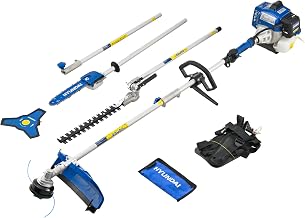


Choosing a garden trimmer is less about finding the most powerful machine and more about matching the tool to the type of grass, lawn edges, weeds and garden layout you actually need to maintain. A compact cordless trimmer can be ideal for routine edging around borders and paths, while a heavier-duty petrol or high-voltage cordless model may be more appropriate for long grass, dense weeds and larger areas.
For UK gardens, it is worth considering not only cutting performance but also battery compatibility, weather conditions, storage space, noise, vibration, weight and the availability of replacement line or blades. A trimmer that looks impressive on a specification sheet may be unnecessarily heavy for a small suburban garden, whereas a lightweight model may become frustrating when tackling overgrown areas.
Garden size is one of the simplest ways to narrow down your options. Small gardens generally benefit from lightweight cordless or corded electric trimmers because they are easy to manoeuvre and sufficient for trimming lawn edges, flower beds and small patches of grass. Larger gardens may justify a longer runtime, wider cutting width or more substantial power system.
Not every garden trimmer is designed for the same workload. Soft lawn grass around borders requires considerably less cutting capability than thick, wet or overgrown vegetation. Before buying, identify whether the machine will mainly be used for edging, tidying grass after mowing, clearing weeds or cutting heavier vegetation.
If most of your work involves maintaining neat lawn edges, precision and control can be more valuable than maximum motor output. If the garden regularly becomes overgrown, a model designed for heavier vegetation is likely to make the job easier and reduce the temptation to push a lightweight trimmer beyond its intended use.
The power source has a major effect on convenience, operating time, maintenance and overall usability. There is no universally best system. The right choice depends on access to outdoor power, garden size, storage arrangements and how demanding the cutting work is.
Cordless garden trimmers are particularly convenient for domestic gardens because there is no mains cable to drag around borders, trees, sheds and garden furniture. Modern battery platforms also allow one battery to be shared between compatible garden and power tools from the same manufacturer.
Brands such as Bosch, BLACK+DECKER, Ryobi, Makita, DeWalt and Einhell offer battery-powered tools across different equipment ranges. When comparing them, check the exact battery platform rather than assuming that batteries are interchangeable simply because they have similar voltage ratings.
Corded models can remain attractive for smaller gardens where a suitable outdoor socket is available. Their main advantage is continuous operation without needing to recharge a battery. They can also be relatively straightforward for occasional lawn maintenance.
The drawback is the power cable. Extra care is required to keep the cable away from the cutting head and to prevent it from becoming caught around obstacles. A corded model is therefore most practical where the area to be trimmed is reasonably close to a suitable power source.
Petrol-powered machines can provide strong cutting performance and freedom from both mains cables and battery charging. They are generally more relevant to demanding outdoor work, larger properties and vegetation that would be excessive for a lightweight domestic electric trimmer.
However, petrol machines normally involve more maintenance and are heavier and noisier than many electric alternatives. Fuel storage, starting procedure, engine maintenance and vibration should all be considered before choosing this type of equipment for routine domestic gardening.
Battery specifications can be confusing because voltage and amp-hour capacity describe different things. Voltage is broadly associated with the electrical system and the tool's operating platform, whereas amp-hour capacity indicates how much charge the battery stores.
A higher-capacity battery can generally provide longer operation under comparable conditions, but it can also add weight. This matters when a trimmer is being held at arm's length for extended periods. A larger battery is therefore not automatically the best choice.
If you already own cordless tools, check whether the garden trimmer belongs to the same battery family. Staying within one manufacturer's battery ecosystem can be convenient because the same batteries may work with multiple compatible tools.
Popular systems include ranges from Bosch, Ryobi, Makita, DeWalt, Einhell and other established manufacturers. Always verify compatibility with the exact model because batteries from different voltage platforms or product generations may not be interchangeable.
Cutting width determines how much grass the trimmer can cover in a single pass. A wider cutting path can reduce the number of passes required across an area, while a narrower head can be easier to control around tight borders and obstacles.
Do not select a model solely because it has the widest advertised cutting area. Consider the physical size of the garden, the type of work and whether you need to trim around paving, raised beds, trees and other obstacles.
The cutting mechanism is one of the most important specifications to investigate. Many garden trimmers use nylon line, while some models use plastic or other replaceable blades. Each system has advantages depending on the intended work.
Nylon line is widely used for cutting grass and lighter weeds. The line can be supplied through different feed systems, including manual, bump-feed and automatic arrangements. The precise mechanism varies by model.
A thicker line can be more suitable for demanding cutting applications, although the exact line specification should always match the manufacturer's requirements. Using an unsuitable diameter or replacement type can affect performance and may not be recommended for the machine.
Some domestic cordless trimmers use replaceable plastic blades rather than traditional line. These systems can offer straightforward replacement and may work well for routine grass trimming. Replacement blade availability should be checked before purchasing, particularly if the model is expected to be used frequently.
Some brushcutters and heavier vegetation tools use metal cutting equipment. These machines are fundamentally different from lightweight lawn trimmers and should be assessed according to their intended application, safety requirements and manufacturer instructions.
The line-feed mechanism can make a noticeable difference to everyday convenience. Automatic systems attempt to maintain the cutting line without the user manually adjusting it, while bump-feed systems release additional line when the head is operated in the appropriate manner.
There is no need to assume that the most sophisticated feed mechanism is always the best. Simplicity can be valuable for occasional users, while frequent gardeners may appreciate a system that minimises interruptions.
If neat lawn borders are an important part of your gardening routine, look for a trimmer with a design that supports edging. Some models allow the cutting head or shaft to be repositioned so that the line can be used vertically along a path or border.
A rotating head can make the transition between trimming and edging more convenient. However, the mechanism should remain secure during use, and the available adjustment positions should suit the areas you need to maintain.
Ergonomics become increasingly important during longer trimming sessions. An adjustable shaft can help accommodate different user heights and reduce the need to work with an awkward posture.
Secondary handles can also improve control by allowing both hands to guide the machine. When comparing models, consider whether the handle position can be adjusted and whether the controls are comfortably accessible without changing your grip.
Weight is easy to overlook when reading product specifications, yet it can have a major effect on comfort. The stated tool weight may also need to be considered alongside the battery weight on cordless models.
A heavier trimmer can feel more tiring when held away from the body. Conversely, an extremely lightweight machine may not offer the cutting capability required for demanding vegetation. The best compromise depends on how long each trimming session normally lasts and how dense the vegetation is.
Motor specifications should be interpreted in context rather than used as a simple ranking system. Cutting speed, torque characteristics, cutting width, line diameter and electronic control all influence how effectively a trimmer deals with grass.
A high-speed cutting head can be useful for fine grass and edging, but speed alone does not guarantee strong performance in dense vegetation. For heavier work, the ability to maintain cutting performance under load can be more important than an impressive headline figure.
Variable-speed controls can provide useful flexibility. Lower power may be sufficient for light trimming and can help with control, while higher output can be reserved for thicker vegetation.
For straightforward domestic edging, a single operating speed may be perfectly adequate. Variable speed becomes more useful when one machine is expected to handle several different types of garden maintenance.
UK gardens can encounter damp grass and rapidly growing vegetation, particularly during periods of frequent rainfall. Wet material can behave differently from dry grass and may place additional load on the cutting system.
Always follow the manufacturer's instructions regarding operating conditions and water exposure. A cordless tool being battery powered does not mean that every component is designed to be used in wet conditions. Electrical equipment should be used only as specified by the manufacturer.
For neglected or very long grass, avoid assuming that repeatedly forcing a lightweight trimmer through dense vegetation is appropriate. A brushcutter or more suitable heavy-duty garden machine may be a better match for the task.
A garden trimmer has a rapidly moving cutting system, so safety should be considered before convenience or cosmetic features. Different models use different protective arrangements, and users should read the manufacturer's instructions before operation.
Noise is another practical consideration, particularly in residential areas. Electric and cordless trimmers are often appealing for domestic use because they avoid the engine noise associated with petrol equipment, although every model produces some operating noise.
Vibration also affects comfort. If you expect to trim frequently, look for a design that provides a comfortable grip and balanced handling. Manufacturer specifications can provide useful information, but perceived comfort will also depend on posture, cutting technique and the user's physical characteristics.
A good garden trimmer needs to withstand repeated contact with grass, soil, dust and occasional minor impacts. When comparing construction, examine the shaft, guard, handle, cutting-head assembly and adjustment mechanisms.
Plastic components are not automatically an indication of poor quality. Modern garden equipment can use engineered plastics to reduce weight while retaining adequate durability. The important question is whether the construction is appropriate for the intended workload.
The UK market includes a wide range of established garden-tool manufacturers. Brand reputation can be useful when assessing battery ecosystems, replacement parts and product ranges, but the exact model should always be evaluated on its own specifications.
Comparing brands by reputation alone can lead to the wrong purchase. Instead, compare equivalent specifications and intended applications. A compact Bosch or BLACK+DECKER cordless trimmer should not necessarily be judged against a heavy-duty Makita, DeWalt, Stihl or Husqvarna machine as though they were designed for identical workloads.
Start by defining the job, then compare weight, cutting width, power source, battery system, cutting mechanism, runtime information, adjustment features and replacement-part requirements. This approach makes comparisons more meaningful and helps prevent paying for capabilities you will rarely use.
More power can be useful, but unnecessary weight can make routine trimming tiring. For a small lawn that mainly requires edging, a high-output machine may provide little practical advantage.
A cordless tool may appear attractive when considering the tool alone, but check whether the chosen configuration includes the required battery and charger. If it is sold as a bare tool, the additional cost of a compatible battery and charger should be included when comparing the total purchase.
A narrow cutting width may provide excellent control around detailed borders, but it can make large areas slower to maintain. Match the cutting width to the amount of ground you expect to cover.
Professional-style equipment can be excellent for demanding vegetation, but its additional weight, power and maintenance requirements may be unnecessary for a small domestic lawn.
Cutting line, blades and other wear components eventually need replacement. Before buying, check what consumables the manufacturer specifies and whether they are readily available in the UK.
Battery compatibility should never be based only on appearance. Check the manufacturer's stated compatibility for the exact battery, charger and tool model.
Customer reviews can provide useful information, but they should be interpreted alongside technical specifications. Look for recurring comments about the same practical issue rather than relying on one unusually positive or negative review.
Useful review themes include ease of line replacement, battery runtime in real gardening situations, handling, edging performance, charging convenience, durability and comfort during extended use.
Cordless garden trimmers are often offered in different configurations. A complete kit may include the tool, battery and charger, whereas a bare-tool package may include the trimmer only.
For someone already invested in a compatible battery platform, a bare tool can make sense. For a first-time buyer entering a battery system, a kit may be more convenient. Always compare the complete setup required to operate the machine rather than comparing bare-tool prices with complete-kit prices.
Routine maintenance helps keep a garden trimmer ready for use and can make faults easier to identify. The precise maintenance schedule depends on the design and manufacturer, so the product manual should take priority.
Storage conditions can affect the long-term usability of both the tool and its battery. Keep the equipment protected from unnecessary moisture, extreme conditions and accidental damage.
For cordless models, follow the battery manufacturer's recommendations for charging, storage and temperature. Do not leave a battery connected unnecessarily if the manufacturer's instructions advise otherwise. Keep batteries and tools where children cannot access them.
The terms garden trimmer and brushcutter are sometimes used interchangeably, but the equipment can differ significantly. A lightweight grass trimmer is generally intended for lawn edges, grass and lighter vegetation, while a brushcutter is designed for more demanding vegetation and may accommodate more substantial cutting equipment.
If your primary job is maintaining lawn edges and tidying grass after mowing, a conventional garden trimmer is likely to be the more practical category. For dense weeds, rough grass, nettles or substantial overgrowth, investigate equipment specifically designed for those conditions rather than expecting a lightweight trimmer to perform as a brushcutter.
A trimmer can often perform edging duties, but dedicated lawn edgers are designed around producing a clean, defined border. If precise lawn edging is a major priority, compare the edging mechanism and head orientation rather than assuming every trimmer will produce identical results.
For homeowners who only occasionally tidy the boundary between lawn and paving, a versatile trimmer with an edging mode can provide a useful compromise. For gardens with extensive formal edging, dedicated edging equipment may be worth considering.
Prioritise low weight, straightforward controls, compact storage and sufficient battery runtime or convenient mains access. A simple trimmer can be more practical than a large, high-powered machine.
Look for comfortable ergonomics, reliable cutting performance, convenient line or blade replacement and a battery platform that can support other garden tools if you plan to expand your equipment collection.
Battery capacity, cutting width and efficient workflow become more important. Consider whether an additional compatible battery would reduce downtime and whether the selected cutting system is suitable for prolonged work.
Focus on cutting capability and suitability for heavier vegetation rather than choosing solely on low weight. A brushcutter or heavier-duty machine may be more appropriate than a conventional lawn trimmer.
There is no single price point that represents the best value for every UK gardener. Instead, value should be judged against the complete ownership requirement and the amount of work the machine will perform.
For occasional light trimming, spending substantially more on professional-level equipment may provide little benefit. Conversely, frequent users may find that investing in a better-supported battery platform, more ergonomic design or stronger cutting system makes more sense over the longer term.
When comparing today's prices, remember to consider whether the advertised configuration includes a battery and charger, what replacement consumables cost, and whether compatible accessories are readily available.
For a clean finish, avoid rushing the cutting head through the grass. Maintain a controlled position and work progressively along the edge. Keeping the cutting head at the appropriate angle can help produce a more consistent border, particularly when using an edging mode.
Before trimming, remove stones and other objects from the working area. Objects hidden in long grass can be thrown by the cutting head, so preparation is an important part of achieving both a clean finish and safer operation.
There is no universal trimming schedule because grass growth varies with weather, season, lawn type and garden conditions. Many gardeners use a trimmer after mowing to tidy areas that a lawn mower cannot reach, such as around fences, walls, borders and garden furniture.
Regular light maintenance can be easier than allowing edges and vegetation to become heavily overgrown. However, avoid cutting or maintaining vegetation in ways that conflict with local wildlife considerations, property requirements or the manufacturer's operating guidance.
For buyers in the United Kingdom, check that the product configuration is intended for the UK market and that the supplied charger, battery system and electrical specifications are appropriate. Product variants can differ between countries even when model names appear similar.
It is also sensible to compare the availability of replacement line, blades, batteries and chargers through established UK retailers. A trimmer is a long-term tool purchase, so access to compatible consumables can be more important than a small difference in initial purchase cost.
For many typical domestic gardens, a cordless electric trimmer offers a useful combination of portability and convenience. The best choice still depends on garden size, grass conditions, edging requirements and whether you already own compatible batteries.
Many cordless trimmers are well suited to routine grass trimming and lawn edging. Whether one is powerful enough depends on the vegetation and the particular model. Heavy, woody or severely overgrown vegetation may require equipment designed for more demanding work.
No. Higher voltage does not automatically make a trimmer the best choice for every garden. Consider the complete combination of cutting performance, weight, battery capacity, runtime, ergonomics and compatibility with other tools.
A wider cutting width can cover more area per pass, while a narrower width can provide better control in confined spaces. For most buyers, the right choice depends on the balance between area coverage and precision required around garden features.
Some models can handle longer grass within their specified operating range, but heavily overgrown vegetation may be better suited to a brushcutter or another heavy-duty machine. Always follow the manufacturer's intended-use guidance.
No. Cordless trimmers can be sold as complete kits or as bare tools. Check the exact product configuration before comparing prices or assuming that the machine can be used immediately.
Do not assume that batteries are interchangeable between brands or even between different battery platforms from the same manufacturer. Use only combinations that the manufacturer specifies as compatible.
Weight is particularly important because trimming usually involves holding and guiding the machine for repeated periods. A lighter model can be easier to manoeuvre, while a heavier machine may provide capabilities needed for demanding vegetation.
Both can be suitable for domestic gardening. Nylon line is widely used for grass and light vegetation, while some compact trimmers use replaceable plastic blades. Choose according to the manufacturer's intended application and consider the availability of replacement consumables.
Pay particular attention to recurring comments about handling, battery runtime, cutting performance, line replacement, edging, durability and ease of use. Reviews are most useful when they come from users with similar garden sizes and cutting requirements.
Routine maintenance is generally straightforward, but requirements vary by model. Cleaning, inspecting the cutting system, checking guards and handles, replacing worn consumables and following battery-storage guidance are common considerations.
Compare the individual models rather than selecting purely by brand. Battery ecosystem, tool weight, cutting width, intended use, ergonomics, consumables and total ownership cost are usually more useful comparison points than brand name alone.
The best garden trimmer is the one that fits the actual workload of your garden. For straightforward lawn maintenance, prioritise handling, convenience and an appropriate cutting system. For larger or more demanding gardens, place greater emphasis on battery capacity, cutting performance, cutting width and long-session comfort.
Before making a purchase, compare the complete specifications rather than relying on a single headline feature. Check the exact model number, included accessories, battery arrangement, cutting mechanism and replacement-part requirements. Then compare current retailer prices and verified customer feedback for the specific configuration you are considering.
Taking this approach makes it easier to identify genuinely suitable options from the wider selection of garden trimmers available in the UK and reduces the risk of paying for features that do not improve the way you actually maintain your garden.