

♥ Wishlist
Compare 46 verified Hand Cutters Hand Tool products in United Kingdom. Reviews, ratings, pros, cons and buying advice updated for October 2026.




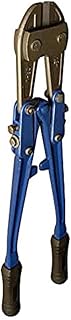




Choosing the best hand cutters is less about finding the tool with the largest cutting capacity and more about matching the cutter to the material, wire size, frequency of use and working environment. A compact diagonal cutter can be ideal for electrical work and general DIY, while a heavy-duty pair may be more appropriate for thicker wire, cable ties or tougher workshop applications.
For UK buyers, it is also worth considering handle comfort, corrosion resistance, replacement availability and the type of work the tool will perform. Brands such as Knipex, Bahco, Stanley, Draper, Faithfull, Irwin, Teng Tools, Wiha and Milwaukee offer different combinations of cutting performance, ergonomics and durability, but the right choice depends on the specification rather than the brand name alone.
Diagonal cutters, often called side cutters, are among the most versatile hand cutting tools. Their angled jaws allow the cutting edges to approach wire from the side, making them useful when access is restricted. They are commonly considered for electrical work, electronics, general maintenance, cable preparation and DIY tasks.
When comparing diagonal cutters, pay particular attention to the manufacturer's stated cutting capacity for different materials. A cutter designed primarily for softer copper or aluminium wire should not automatically be assumed to be suitable for hardened steel wire or other high-strength materials.
End cutters have cutting edges positioned at the end of the jaws rather than along the side. This configuration is useful when the cutting action needs to take place close to a surface. They can be particularly useful for trimming protruding nails, pins, wires or similar materials where a side cutter would not provide the required access.
Combination pliers incorporate gripping jaws and cutting edges into one tool. They are convenient for general-purpose work because one pair of pliers can perform several tasks. However, their cutting geometry and capacity may differ considerably from dedicated side cutters, so they should be selected according to the intended job rather than convenience alone.
Cable cutters are designed around the geometry of cable rather than ordinary single conductors. Their jaws typically work differently from standard diagonal cutters and are intended to produce a controlled cut through suitable cable types. Always check the specified cable construction and diameter before using a cutter, particularly with larger or multi-core cables.
Flush cutters are designed to leave a relatively close cut against the workpiece. They are particularly useful for electronics, component leads, plastic ties and other applications where a protruding section would be undesirable. Because the cutting edges can be more specialised, using them beyond their stated capacity can cause premature damage.
Wire rope, fencing wire and other specialised materials can require dedicated cutting tools. Their construction and cutting geometry are designed for particular materials, so a general-purpose hand cutter should not be substituted simply because it physically fits the material.
Cutting capacity is one of the most important specifications in a hand cutter buying decision. Manufacturers may state different maximum diameters for different materials, meaning a single capacity figure can be misleading.
Before buying, identify the material you intend to cut and compare the stated capacity for that exact material. Copper wire, aluminium, mild steel, stainless steel, piano wire and other hardened materials place very different demands on cutting edges.
The shape and position of the jaws affect access, leverage and the resulting cut. A slim head can make it easier to reach confined spaces, whereas a larger cutting head may provide greater leverage for appropriate heavier-duty applications.
Consider whether you normally work in open workshop conditions or inside electrical boxes, machinery, cabinets and other restricted areas. The most powerful cutter is not necessarily the most practical if its head cannot reach the workpiece comfortably.
Longer handles can provide greater mechanical advantage, but they can also be less convenient in confined spaces. Shorter cutters are generally easier to carry and position but may require more hand force when working close to their rated capacity.
A good buying decision balances cutting capacity against size. If most jobs involve small wire and cable ties, buying an oversized heavy-duty cutter can add unnecessary weight and bulk.
Handle construction affects grip, comfort and control. Common designs include bare metal handles and handles with plastic, rubber or composite grips. A softer multi-material grip can be more comfortable during repetitive work, while a simpler handle may be easier to clean in certain workshop environments.
Do not confuse a comfortable grip with electrical insulation. If a cutter is intended for work where electrical isolation is required, verify that the specific tool is appropriately rated for that application. An ordinary plastic-coated handle should not automatically be treated as protection against electric shock.
Cutting edges may be optimised for different materials and cutting actions. A sharp, precision-ground edge can be advantageous for suitable smaller-diameter material, while heavier-duty designs may prioritise strength and durability.
Look at the manufacturer's description of the cutting edge rather than assuming that a sharper-looking cutter is suitable for every material. Cutting the wrong material can damage the edge even when the material appears physically small enough to fit between the jaws.
The pivot joint has a major influence on smooth operation. A well-made joint should allow controlled opening and closing without excessive lateral movement. On frequently used cutters, a loose or poorly maintained pivot can affect cutting alignment and user comfort.
Hand cutters rely heavily on the properties of their steel because the cutting edges must resist deformation while remaining sufficiently sharp. Different manufacturers use different steel formulations and heat-treatment processes, so the material name alone does not tell the entire story.
Heat treatment can influence hardness, toughness and edge durability. A cutting edge that is too soft may deform during demanding work, while excessive hardness without sufficient toughness can make an edge more vulnerable to chipping under inappropriate use.
For buyers, the practical lesson is simple: compare the manufacturer's stated application and cutting capacity rather than attempting to judge performance solely from the appearance of the steel.
UK workshops, garages and outdoor environments can expose tools to moisture and changing temperatures. A corrosion-resistant finish can help protect the tool, but no finish eliminates the need for sensible storage and maintenance.
If cutters will be kept in a garage, shed or vehicle, consider how easily they can be wiped clean and stored away from prolonged moisture. Surface corrosion around the pivot or cutting edges can eventually affect smooth operation.
For occasional DIY use, handle comfort may seem secondary to cutting capacity. For electricians, installers, technicians, maintenance workers and other frequent users, it can become one of the most important selection criteria.
For occasional household tasks, a versatile diagonal cutter can cover many everyday requirements. Cutting suitable electrical wire, cable ties, small pieces of soft wire and similar materials generally calls for a balanced tool rather than an industrial-sized cutter.
For occasional users, durability, comfortable handling and sensible storage may be more valuable than buying a highly specialised professional tool.
Electrical work often involves repeated wire cutting in confined spaces. A compact side cutter with appropriate cutting capacity can therefore be more useful than a large general-purpose tool.
Where electrical safety is relevant, check the exact safety specification of the individual cutter. Do not rely on colour-coded handles or general descriptions such as “electrician's cutter” as proof that a tool is suitable for live electrical work.
Automotive applications can involve wire, clips, ties and other materials, but requirements vary considerably. A general-purpose cutter may be appropriate for some tasks, while tougher materials may require a dedicated tool.
Workshop users should also consider oil, dirt and moisture. A cutter that is easy to wipe down and lubricate can be more practical over time.
Electronics work usually benefits from compact flush or precision cutters. Small jaws can provide better visibility and access around components, while a suitable flush-cutting profile can reduce the amount of material left behind.
Precision cutters should be used only within their intended material and diameter range. Their compact size does not mean they are miniature versions of heavy-duty cutters.
Construction environments can demand greater durability, but the appropriate cutter still depends on what is actually being cut. If a job regularly involves heavy wire or hard material, compare dedicated heavy-duty models rather than expecting an ordinary side cutter to perform the same role.
Brand reputation can be useful as a starting point, but it should not replace specification checking. Different product ranges from the same manufacturer can be aimed at completely different applications.
The best approach is to compare the exact model specifications, cutting capacities, dimensions, handle design and intended applications rather than selecting solely by brand.
When two cutters appear similar, compare them systematically rather than relying on photographs or customer star ratings alone.
The cheapest cutter may be perfectly adequate for occasional light work, while a frequent professional user may benefit from investing in a more durable design. Price should therefore be considered alongside application, capacity, ergonomics and expected frequency of use.
This is one of the easiest ways to damage a cutter. A tool designed for copper or other softer materials should not automatically be used on steel simply because the steel fits between the jaws.
A manufacturer may list different maximum capacities for different materials. Always read the complete specification rather than using the largest number shown in a product listing.
A larger cutter can provide additional leverage, but it may be awkward for precision work or confined areas. Bigger is not automatically better.
Compact flush cutters are designed around precision and access. Using them to cut material outside their intended application can damage their delicate cutting edges.
Plastic or rubber handles do not by themselves establish that a tool is insulated or safe for electrical work. Check the manufacturer's specific safety information whenever electrical isolation matters.
Even high-quality hand cutters benefit from straightforward maintenance. Good care can help preserve cutting performance and smooth operation.
A cutter does not necessarily need replacing simply because it has become less sharp. However, visible damage to the cutting edges, excessive pivot movement, significant corrosion, cracked handles or other structural problems are reasons to stop and assess the tool carefully.
If the tool requires substantially more force than normal for material that is within its specified capacity, inspect the edges and pivot. Continued use of a damaged cutter can produce poor cuts and may increase the chance of the tool slipping during operation.
Hand cutters are convenient because they require no battery, mains supply or compressor. They are easy to carry and can be ready for immediate use. However, their limitations become more apparent when cutting larger quantities of material or harder materials.
Compared with powered cutting tools, manual cutters generally make more sense for portability, occasional jobs and situations where precise control is more important than speed. Powered alternatives may be more appropriate for high-volume work, but they introduce different considerations such as battery management, power requirements, noise and safe operation.
Customer reviews can provide useful information, but they should be read alongside technical specifications. Look for repeated comments concerning cutting performance, handle comfort, pivot smoothness, edge durability and suitability for the stated application.
Pay particular attention to reviews that identify what material was actually cut. A positive review from someone cutting small copper wire does not necessarily demonstrate that the same cutter is suitable for hardened wire or heavy-duty applications.
It is also useful to distinguish comments about the product itself from comments about packaging, delivery or retailer service. For an independent buying decision, the most valuable reviews are those that describe how the tool performs during the type of work you intend to undertake.
The best general-purpose cutter is one that matches the materials and diameters you actually expect to cut. For many household tasks, a versatile diagonal cutter is a practical starting point, but specialist jobs may call for a different cutting profile.
They can be worthwhile for users who cut frequently or need consistent performance, ergonomic handling and durable construction. For occasional light DIY work, a simpler cutter may provide better value if its specifications comfortably cover the intended jobs.
Knipex, Bahco, Stanley, Draper, Faithfull, Irwin, Teng Tools, Wiha and Milwaukee are among the established brands worth comparing. The appropriate choice should still be based on the specifications of the particular model.
Only when the specific cutter is designed and rated for the type and diameter of steel wire involved. Do not assume that a general-purpose diagonal cutter is suitable for hardened or high-strength wire.
Both can cut wire, but their cutting geometry and intended applications differ. Side cutters are versatile general-purpose tools, while flush cutters are designed to produce a cut close to the workpiece and are commonly associated with precision applications.
No. A coloured, rubberised or plastic-coated handle should not automatically be interpreted as electrical insulation. If electrical safety is relevant, check the specific manufacturer's safety rating and intended application for the exact tool.
There is no single lifespan that applies to every cutter. Service life depends on the materials being cut, cutting frequency, applied force, storage conditions and maintenance. Staying within the manufacturer's intended application is one of the most important factors in preserving the tool.
Choose according to the work. Smaller cutters are often easier to control and carry, while larger models can provide greater leverage for suitable heavier-duty applications. If you regularly work in confined spaces, head size and access may matter more than maximum leverage.
Compare the exact model number, cutting capacity by material, overall length, head dimensions, handle construction, intended application, safety information and current retailer details. Checking several specifications side by side is more reliable than choosing solely from photographs or headline ratings.
Before choosing a hand cutter, make sure the tool fits the job rather than choosing solely on popularity or price. A suitable cutter should have sufficient capacity for the material you intend to cut, an appropriate jaw profile, comfortable handling and construction suited to your working environment.
A useful buying guide should distinguish between a tool that is highly rated and a tool that is genuinely appropriate for a particular job. Ratings can help identify products that attract positive customer feedback, but technical suitability remains essential.
For that reason, compare hand cutters across several factors: intended application, material compatibility, cutting capacity, construction, ergonomics, dimensions, safety considerations and long-term practicality. The right choice for a homeowner cutting occasional cable ties may be very different from the right choice for someone performing repetitive professional installation work.
Before making a purchase in the UK, check the latest specification for the exact model, read verified customer reviews where available, compare current retailer information and confirm that the stated cutting capacity matches the material you plan to cut. This approach helps separate genuine suitability from attractive but potentially misleading headline features.