

♥ Wishlist
Compare 41 verified Knives Hand Tool for Cutting, Trimming and Precision Work products in United Kingdom. Reviews, ratings, pros, cons and buying advice updated for October 2026.

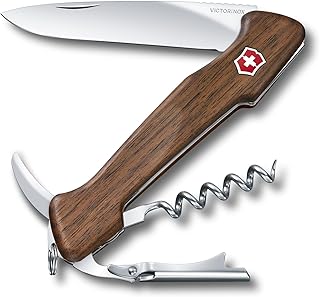


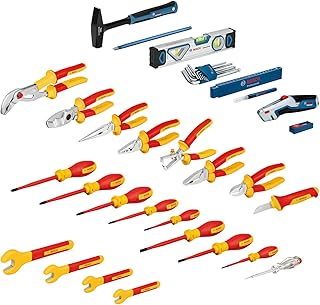


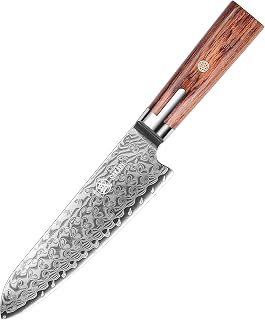


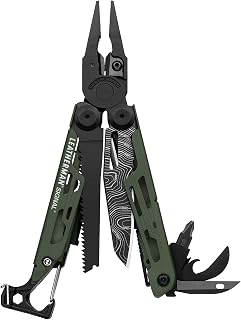


Choosing a knife as a hand tool is less about finding the sharpest blade and more about matching the knife to the work it is expected to perform. A utility knife used for opening packaging has very different requirements from a woodworking carving knife, a craft knife, a pruning knife, or a heavy-duty general-purpose tool. Blade geometry, steel, handle construction, locking mechanism, ergonomics and replacement-blade availability can all affect how suitable a particular design is.
For UK buyers, it is also important to consider the intended environment and applicable laws before purchasing or carrying a knife. A knife that is appropriate for workshop use may not be appropriate to carry in public. Always check the current UK Government guidance and the relevant legislation for the specific knife type and circumstances rather than relying on retailer descriptions alone.
A well-designed hand-tool knife should be predictable, controllable and appropriate for its intended task. Maximum sharpness is not necessarily the most important characteristic. For many workshop applications, edge stability, corrosion resistance, grip and ease of maintenance matter more than achieving an extremely fine edge.
Utility knives are among the most practical choices for workshop, DIY and general cutting tasks. Many use replaceable blades, allowing a worn edge to be changed without sharpening the knife. This is particularly useful when cutting cardboard, sheet materials, packaging, carpet, insulation or other materials that can quickly dull an edge.
When comparing utility knives, examine the blade-change mechanism, grip, blade-depth control, storage arrangements and compatibility with commonly available replacement blades. A compact design can be easier to control, while a larger handle may be more comfortable during extended work.
Folding knives are compact because the blade can be enclosed within the handle when the tool is not being used. For workshop applications, the quality and operation of the locking mechanism deserve particular attention. The handle should provide a controlled grip without requiring awkward finger positioning around the blade path.
Popular tool manufacturers such as Stanley, Milwaukee, Gerber and Victorinox offer different approaches to compact cutting tools. However, brand recognition should not replace examination of the actual blade specification, locking arrangement and intended use.
Fixed-blade knives do not have a folding joint, which can make them structurally straightforward and easy to clean. They are available in many specialised forms for outdoor, craft, woodworking and workshop applications.
A fixed blade is not automatically a better choice. For many everyday workshop jobs, a replaceable-blade utility knife may be more economical and easier to maintain. Choose a fixed-blade design only when its construction and blade profile genuinely suit the work.
Craft knives are designed for controlled cutting rather than heavy material removal. They are useful for model making, paper, card, vinyl, thin materials and precision workshop tasks. Their small blades can be extremely sharp, so blade control and a suitable cutting surface are important.
Look for comfortable grips, secure blade retention and replacement blades that are easy to identify. Designs from brands such as OLFA and Fiskars are commonly associated with cutting and craft tools, but the most appropriate model depends on the material and precision required.
Wood-carving knives typically have blade profiles intended for controlled cuts through timber. The handle shape can be especially important because carving involves repeated changes in hand position and cutting direction.
For woodworking, do not judge a carving knife solely by blade length. Consider the type of cut, timber hardness, handle ergonomics, sharpening requirements and whether the blade geometry is suitable for detailed carving or material removal.
Blade steel is one of the most frequently misunderstood specifications. There is no single steel that is best for every application. Different formulations balance hardness, toughness, corrosion resistance, edge retention and ease of sharpening differently.
Stainless steels are useful where corrosion resistance is a priority. This can be particularly relevant for tools exposed to damp workshops, outdoor environments or frequent handling. Stainless does not mean completely immune to corrosion, however. Salt, moisture, dirt and prolonged exposure to corrosive substances can still cause deterioration.
Carbon-steel blades can offer useful combinations of toughness, edge performance and relatively straightforward sharpening. Their main disadvantage is that they generally require more attention to moisture and corrosion than many stainless alternatives.
A harder blade can retain an edge effectively, but hardness alone does not determine overall performance. Excessive hardness can make some steels less forgiving under impacts or unsuitable cutting techniques. Conversely, a tougher steel may be preferable when the tool is likely to encounter demanding conditions.
When comparing products, avoid assuming that a higher hardness number automatically means a better knife. Blade geometry, heat treatment and intended application can be equally important.
A plain edge provides a continuous cutting surface and is straightforward to sharpen. It is suitable for many general-purpose cutting tasks and is often the easiest option for users who want predictable maintenance.
Serrations can be useful for particular materials and cutting actions, especially where a more aggressive bite is beneficial. They are less straightforward to sharpen than a conventional plain edge, so consider maintenance before choosing one.
A drop-point profile generally provides a useful balance between a controllable point and a substantial cutting section. It appears in many general-purpose knife designs, although suitability still depends on the exact blade geometry.
Straighter cutting edges can provide excellent control for precise slicing and scoring. They can be particularly useful when the user wants predictable contact with a workpiece rather than a pronounced curved belly.
Thicker blades can provide additional structural strength, while thinner blades can reduce cutting resistance in suitable materials. A thicker blade is not necessarily superior; using unnecessary thickness for light cutting can make the tool less efficient.
The handle is the part of the knife that determines how effectively the user can control the blade. Materials commonly include polymer, rubberised materials, wood, metal and composite constructions.
Pay attention to handle diameter, contour, texture and finger clearance rather than choosing solely on appearance. If a knife causes pressure points during a short trial or feels unstable in the hand, it is unlikely to become more comfortable during extended work.
For folding knives, the locking system is an important mechanical component. Different designs use different approaches to keep the blade open during intended use. The mechanism should operate consistently and should be inspected for damage, contamination or unusual movement.
Buyers should not assume that a particular lock type is universally superior. Consider ease of operation, construction quality, cleaning requirements and whether the mechanism is appropriate for the intended task.
For UK consumers, legal considerations are particularly important when selecting a folding knife. The legality of possessing or carrying a particular knife can depend on the knife's characteristics and circumstances. A knife intended as a workshop tool should not automatically be treated as suitable for everyday public carry.
Knife legislation in the United Kingdom is an important part of the buying decision. Rules can differ depending on the type of knife, whether it is being carried in public, the circumstances and the specific jurisdiction within the UK.
Before purchasing or carrying a knife, check current official guidance rather than relying on old buying guides, marketplace listings or comments on social media. In particular, buyers should verify current restrictions concerning prohibited knives, carrying knives in public, legitimate reasons for possessing or carrying a knife, and age-related purchasing requirements where applicable.
A product being marketed as a “tool” does not by itself remove legal responsibilities. Keep the intended use clear, follow applicable legislation and use appropriate storage and transport practices.
Write down exactly what the knife will cut. Cardboard, timber, rope, plastic, packaging, fabric and craft materials place different demands on a blade. This immediately narrows the field.
A replaceable-blade utility knife is attractive when the knife will frequently encounter abrasive or dirty materials. A permanent blade can make more sense when the objective is a reusable, sharpenable cutting tool.
Longer is not automatically better. A shorter blade can provide greater control for detailed work, while a longer cutting edge can be useful for particular materials. Choose only the amount of blade needed for the task.
Consider whether the grip works comfortably with your normal hand position and whether the shape remains controllable when cutting repeatedly. A knife that looks compact in photographs may feel very different depending on hand size.
For replaceable-blade products, verify which blade format is required and whether replacement blades are readily identifiable. For sharpenable knives, consider whether you already have suitable sharpening equipment or are prepared to maintain the edge appropriately.
Do not make a purchasing decision from a product title alone. Compare blade steel, dimensions, weight, handle material, locking or retention mechanism, blade-change system and manufacturer-stated intended use.
Customer reviews can reveal practical issues that specifications do not communicate, such as uncomfortable handles, awkward blade changes or difficult maintenance. However, individual reviews can reflect personal expectations or unusual use. Look for recurring themes across multiple reviews rather than treating one review as conclusive.
Sharpness is only one aspect of performance. A very sharp edge that is poorly matched to the material may wear quickly or become difficult to control.
A low-cost utility knife can become less economical if replacement blades are difficult to source or unusually expensive. Consider the total ownership requirements, not just the initial purchase price.
Machined handles, unusual finishes and aggressive-looking profiles can be visually appealing without providing an advantage for the intended work. Prioritise function, control, maintenance and suitability.
Even an excellent blade can be frustrating if the handle creates pressure points. Ergonomics become increasingly important when a knife is used repeatedly.
Knives should not be treated as substitutes for screwdrivers, chisels, pry bars or other tools. Using a blade as a lever or applying excessive sideways force can damage the tool and increase the risk of injury.
A suitable storage solution protects the edge, reduces accidental contact and helps prevent damage to other equipment. Folding knives should be stored closed when appropriate, while fixed blades should have suitable protection when not in use.
Remove dirt and residues after use. Follow the manufacturer's cleaning instructions, particularly for folding mechanisms and knives containing multiple materials. Avoid allowing moisture to remain trapped around joints, fasteners or blade interfaces.
Dry the blade thoroughly after cleaning. Even corrosion-resistant steel benefits from sensible moisture control, especially in damp environments.
Use a sharpening method appropriate for the blade geometry and steel. Maintain the existing bevel rather than repeatedly removing unnecessary material. If you are unfamiliar with sharpening, learning the correct technique for the particular blade is preferable to applying excessive pressure or using an unsuitable abrasive.
Folding knives may require appropriate lubrication around moving components, but the manufacturer's recommendations should take priority. Excess lubricant can attract dust and debris, so more is not necessarily better.
Before use, inspect the edge, tip, handle, fasteners and folding mechanism where applicable. A damaged blade or compromised mechanism should not be treated as normal wear.
Responsible storage is particularly important for knives that are kept as workshop tools. Store cutting tools so that blades cannot accidentally contact people or other equipment. When transporting a knife for a legitimate purpose, use suitable protection and consider the route, circumstances and applicable UK requirements.
Do not assume that owning a knife legally means carrying it in every situation is legal. Public-carry rules and restrictions should be checked using current official guidance.
Brand reputation can be useful when comparing manufacturing consistency, replacement parts and published specifications, but it should be treated as one factor rather than a guarantee of suitability. Established names found across the UK tool market include Stanley, Bahco, Fiskars, OLFA, Milwaukee, Bosch, DeWalt, Makita, Irwin and Victorinox.
Different brands specialise in different tool categories, and product ranges can vary substantially within the same brand. Compare the individual model's construction and intended application rather than assuming every knife from a familiar manufacturer will perform the same way.
A simple comparison table can prevent an attractive product description from overshadowing important practical details. Record the following information for each candidate:
The cheapest knife is not always the lowest-cost option over its useful life. For a replaceable-blade tool, calculate how frequently blades are likely to require replacement. For a sharpenable knife, consider sharpening equipment and maintenance time. For professional use, handle comfort and durability can have greater practical value than saving a small amount at purchase.
At the same time, paying more does not automatically produce better results. A premium steel or sophisticated handle can be unnecessary if the knife is only being used occasionally for simple cutting jobs. Match the level of construction to the demands of the application.
Customer feedback is most useful when it answers practical questions that product specifications leave unresolved. Look for comments about long-term handle comfort, blade retention, ease of cleaning, blade-changing procedures, sharpening behaviour and whether the product performs as expected for the stated application.
Be cautious with reviews that make absolute claims such as “indestructible”, “best ever” or “never needs sharpening”. Knife performance depends heavily on material, technique, maintenance and frequency of use. A review describing exactly what was cut and how the knife was used is generally more informative than a short rating without context.
Professional users should place greater emphasis on consistency, ergonomics and maintenance time. A tool used for several hours each week can justify a different specification from one used for occasional household DIY.
Consider whether the handle remains comfortable through repeated operations, whether consumables can be replenished efficiently, whether cleaning is straightforward and whether the blade system reduces unnecessary downtime. If multiple workers use the same tools, consistent handling and clear maintenance procedures can also be valuable.
For occasional household use, simplicity often wins. A straightforward utility knife with a secure grip and readily replaceable blades may cover many common cutting jobs without requiring specialist sharpening skills.
Avoid buying an oversized or highly specialised knife simply because it appears more capable. If most tasks involve opening packages, cutting cardboard or trimming suitable materials, a compact tool designed for those jobs may be the more sensible choice.
There is no single best option for every DIY user. A replaceable-blade utility knife is often a practical starting point for common household and workshop cutting tasks, while specialist woodworking, craft or outdoor applications may require a different blade profile and construction.
They can be worthwhile when the additional construction quality, ergonomics, blade steel or maintenance system directly benefits your intended use. For occasional light cutting, however, a simpler knife may provide better value.
Neither is universally better. Stainless steel is often attractive where corrosion resistance matters, while some carbon-steel designs can offer useful edge and sharpening characteristics. The particular steel formulation and heat treatment are more meaningful than the broad category alone.
Choose according to the task. Folding designs offer compact storage, while fixed blades eliminate the folding joint and can be straightforward to clean. For many everyday DIY jobs, a replaceable-blade utility knife may be more appropriate than either.
There is no universal schedule. Sharpening frequency depends on blade steel, edge geometry, cutting material, pressure and usage. Sharpen when performance has declined rather than following an arbitrary calendar.
For tasks involving cardboard, packaging, sheet materials and other applications where edges become worn quickly, replaceable-blade utility knives can be highly practical. Traditional sharpenable knives may be preferable where a reusable, task-specific edge is more appropriate.
Do not assume that a knife sold as a hand tool can automatically be carried in public. UK knife laws contain restrictions and exceptions that depend on the type of knife and circumstances. Check the current official guidance before carrying any knife outside the workplace or home.
Both matter, but their importance depends on the application. Blade steel influences edge and maintenance characteristics, while handle design directly affects control and comfort. For frequent use, ergonomics can be just as important as the steel specification.
Compare the details that are easy to overlook: handle dimensions, blade geometry, locking or retention mechanism, maintenance requirements, replacement-blade compatibility, weight and the manufacturer's intended use. Customer feedback can then help identify recurring practical strengths or weaknesses.
Before choosing from a selection of top-rated hand-tool knives, use this checklist to narrow down the options:
The best top-rated knife hand tool for a UK buyer is ultimately the one whose design matches the job, provides dependable control and can be maintained appropriately. Instead of choosing solely from a ranking or headline specification, compare the blade geometry, steel, handle, retention system, maintenance requirements and intended application.
For straightforward DIY and packaging work, a well-designed utility knife can be an efficient choice. Craft and woodworking users may benefit from specialised blade profiles, while professionals should give additional weight to ergonomics, durability and consumable requirements. Whatever type you select, review the complete specification, consider independent customer feedback and verify current UK legal requirements before buying or carrying the knife.