

♥ Wishlist
Compare 25 verified Cordless Shear Wrenches products in United Kingdom. Reviews, ratings, pros, cons and buying advice updated for October 2026.


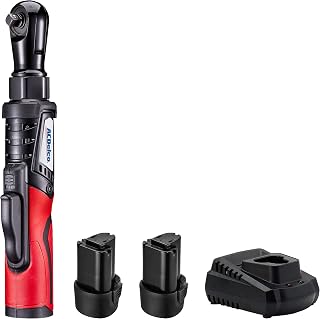

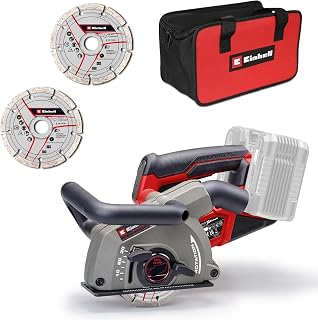


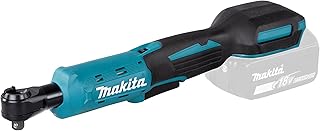


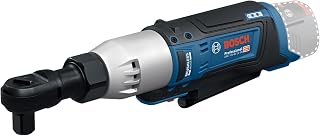


A cordless shear wrench is a specialist power tool designed primarily for installing tension-control, or TC, structural bolts. Unlike a conventional cordless impact wrench, it is built around a shear-off fastening system in which the spline or pintail at the end of the bolt is held while the nut is tightened. Once the specified tension is reached, the end section shears away, leaving a completed structural connection.
For UK buyers, choosing the right cordless shear wrench involves more than comparing battery voltage or maximum torque. The important questions include which tension-control bolt system the tool is designed for, the required bolt diameter range, whether the battery platform suits your existing equipment, how easily the tool can be handled in confined steelwork, and whether replacement parts and technical support are realistically accessible.
This buying guide focuses on the factors that matter when comparing top-rated cordless shear wrenches for construction, structural steelwork, fabrication, maintenance and other demanding fastening applications in the United Kingdom. Product specifications should always be checked against the manufacturer's current documentation before purchase.
A cordless shear wrench is a battery-powered structural fastening tool used with compatible tension-control bolts. Its purpose is to tighten the nut to the required fastening condition and then shear the bolt's predetermined spline section. The operator therefore does not normally need to use a separate conventional torque wrench to create the final connection in the same way that would be necessary with ordinary bolting methods.
The tool is sometimes confused with an impact wrench because both can be cordless and used for heavy fastening. Their operating principles and intended applications are different. An impact wrench delivers repeated impact energy to a socket and is suitable for many types of conventional fasteners. A shear wrench is engineered specifically around the geometry and installation procedure of compatible tension-control structural bolts.
This distinction is particularly important when shopping online. A high-torque cordless impact wrench is not automatically a substitute for a cordless shear wrench. If a structural fastening specification calls for a particular tension-control bolt system, the tool, fastener and installation procedure need to be compatible with one another.
A typical shear wrench has two functional areas around the fastening assembly. The outer socket engages the nut while an inner mechanism engages the spline on the bolt. During operation, the tool rotates the nut while restraining the bolt's spline. As the connection reaches its designed installation condition, the predetermined spline section breaks away.
This process is what gives the tool its name. The operator is not simply tightening a conventional nut until an arbitrary torque value is reached. The fastening system is designed so that the bolt assembly provides a defined installation event when the spline shears.
The exact installation procedure varies according to the fastener manufacturer and applicable specification. Operators should therefore follow the instructions supplied for the specific bolt system rather than relying on general assumptions about torque, battery power or tool settings.
The main attraction of a cordless shear wrench is mobility. Structural steel installation frequently involves working away from convenient mains power, moving between floors, platforms, steel members or fabrication areas, and positioning tools at awkward angles. Eliminating a mains cable can make movement around the work area considerably easier.
These advantages need to be balanced against battery weight, charging requirements, battery availability, runtime and the additional mass of a cordless tool compared with some corded alternatives.
The best cordless shear wrench for one UK buyer may be unsuitable for another because structural fastening requirements differ considerably. The following specifications deserve particular attention when comparing models.
Check the manufacturer's stated bolt-size range before considering other features. A shear wrench is not universally compatible with every tension-control bolt. The tool's internal mechanism, outer socket and spline engagement system must correspond with the intended fastener.
Look for a clearly stated compatible bolt diameter range and confirm whether that range applies to the exact bolt standard and configuration you intend to install. A tool capable of handling one diameter does not necessarily cover adjacent sizes.
Fastener compatibility is one of the most important purchasing criteria. Different structural fastening systems can use different bolt, nut and spline arrangements. The tool should therefore be selected according to the fastening system rather than simply according to its advertised torque figure.
Before ordering, compare the tool manufacturer's compatibility information with the fastener manufacturer's installation requirements. If the documentation is unclear, obtaining confirmation from the manufacturer or an authorised technical source is preferable to assuming compatibility.
Battery voltage can provide a useful indication of the tool's electrical platform, but voltage alone does not determine performance. Two cordless tools with similar nominal voltage can have substantially different designs, gearing, motor characteristics, battery capacities and operating efficiency.
Consider the complete battery ecosystem. A professional user who already owns compatible batteries and chargers may value platform compatibility more than a marginal difference in nominal voltage.
Battery capacity is generally expressed in ampere-hours, or Ah. Higher-capacity batteries can provide greater stored energy, although they may also add weight and bulk. For a heavy fastening tool that is repeatedly lifted and positioned by hand, the balance between runtime and weight can be important.
Do not select a battery solely because it has the highest Ah rating. Consider how long the tool is expected to operate between charging opportunities and whether spare batteries can be rotated efficiently during the working day.
Charging speed becomes particularly relevant when the tool is used intensively. A system with multiple batteries may reduce downtime because one battery can be charging while another is in use.
When comparing cordless platforms, check the charger supplied with the specific package. Battery and charger configurations can vary between bare-tool and complete-kit versions.
Weight is an important ergonomic specification for a shear wrench because structural fastening often involves repeated positioning, overhead work or extended periods of tool handling. A powerful tool that is unnecessarily heavy may increase operator fatigue.
Compare the stated tool weight carefully and determine whether the manufacturer's figure includes the battery. A bare-tool weight and a ready-to-use weight are not the same measurement.
Structural steel connections are not always accessible from an ideal position. A compact head and manageable overall length can make it easier to reach fasteners between steel members, around plates and inside restricted spaces.
Check both the dimensions and the fastening direction required by the application. A tool may have impressive specifications yet prove awkward if its head cannot be positioned correctly around the connection.
Good control matters when positioning a heavy-duty fastening tool. Look for a handle arrangement that allows the operator to maintain a secure grip while aligning the tool with the bolt assembly.
Trigger placement, grip shape and the position of the battery can all influence balance. These details are easy to overlook when shopping from specification tables but can become significant during repetitive use.
Check whether the tool provides the operating functions required for your fastening procedure. Although the principal task is tightening compatible structural fasteners, reversing capability can be useful for tool positioning and certain removal or service situations where the manufacturer permits it.
An integrated LED can be useful when fastening points are positioned in shaded areas, inside fabricated structures or during low-light working conditions. It is a convenience feature rather than a substitute for appropriate site lighting.
A cordless shear wrench used professionally needs a drivetrain capable of handling repeated high-load operation. Motor design, reduction gearing, bearings and the internal shear mechanism all contribute to durability.
Marketing descriptions can provide useful information, but the most meaningful comparison is whether the manufacturer's technical documentation clearly identifies the tool's intended duty and compatible fastening applications.
Torque is one of the most commonly advertised numbers on high-power cordless tools, but it should not be the sole deciding factor when buying a shear wrench. The purpose of a tension-control system is to achieve the installation condition specified for the compatible fastener, not simply to maximise a torque number.
A larger maximum torque figure does not automatically mean that a tool is better suited to your structural fastening work. The correct question is whether the wrench has the appropriate operating range and mechanism for the specific fastener system and bolt sizes involved.
When comparing specifications, distinguish between maximum torque, working torque and any values associated with particular bolt sizes. Manufacturer terminology can differ, so specifications should be interpreted within the context of the complete tool and fastening system.
These tools can look similar in photographs but are intended for different fastening tasks.
If your project specification requires tension-control bolts, buying a general-purpose impact wrench simply because it has a high torque rating can be the wrong approach.
Cordless operation provides flexibility, while corded equipment can offer continuous operation wherever suitable electrical power is available. The right choice depends on the working environment and the expected fastening volume.
For mobile structural installation, the freedom of a cordless system can be particularly attractive. For a fixed fabrication environment with reliable electrical infrastructure, a corded solution may still be worth considering.
Battery compatibility can have a major effect on the overall ownership experience. Brands such as Milwaukee, Makita, DeWalt and Bosch Professional operate established cordless tool ecosystems, but a battery from one platform should never be assumed to fit a tool from another platform simply because the voltage appears similar.
When considering a branded cordless shear wrench, check the exact battery family rather than relying on the brand name alone. Professional product ranges can contain multiple battery generations and platforms.
Brushless motor technology is common in modern professional cordless equipment. A brushless motor eliminates conventional carbon brushes and uses electronic control to manage the motor.
For a heavy-duty fastening tool, brushless construction can be attractive because it supports compact motor design and is widely used in professional cordless platforms. However, the presence of a brushless motor should not be treated as proof that one model is automatically superior to another. Gearbox construction, thermal management, electronics, battery system, fastening compatibility and overall tool design remain important.
A shear wrench can be physically demanding because the operator has to hold the tool accurately against the fastener while the mechanism completes the fastening cycle. Ergonomics therefore deserves the same attention as raw power.
Consider the centre of gravity, grip position, battery placement, trigger reach and head geometry. A well-balanced tool can feel easier to control than a heavier model with a less favourable balance, even when their headline specifications appear similar.
For repetitive applications, also consider how often the tool needs to be lifted, repositioned and held at shoulder or overhead height. The best specification on paper is not necessarily the best choice if it causes unnecessary handling fatigue.
Structural fastening applications can place substantial loads on a tool's mechanical components. When assessing durability, look beyond external styling and consider the manufacturer's stated construction, duty classification, gearbox design and service provisions.
Useful questions include whether the tool is intended for professional construction use, whether replacement wear components are available, whether the manufacturer publishes technical documentation and whether service arrangements are practical in the UK.
Protective features can also matter. A tool that may be used on construction sites should be selected with the actual environment in mind, including exposure to dust, moisture, impacts and temperature changes. Never assume that a cordless tool is weatherproof merely because it is marketed for construction.
A top-rated cordless shear wrench should be judged on suitability rather than a single star rating. Customer ratings can help identify recurring ownership issues, but professional buyers should combine those observations with technical specifications and manufacturer information.
Brand reputation can be a useful starting point, particularly when selecting professional cordless equipment, but the specific model remains more important than the logo on the housing.
Depending on the available specialist range and the requirements of your fastening system, buyers may encounter professional tool manufacturers such as Milwaukee, Makita, DeWalt, Bosch Professional, HiKOKI and other specialist structural fastening brands. Product ranges change over time, so confirm current UK specifications and compatibility for the exact model under consideration.
For structural applications, a specialist manufacturer may sometimes offer a more appropriate fastening solution than a general power-tool brand. The deciding factor should be compatibility with the specified fastening system, supported bolt sizes, installation requirements and available technical support.
A very high torque number does not make a tool suitable for every structural fastening application. Compatibility with the fastener system should come first.
Shear wrenches use specialised components that correspond to particular bolt and nut configurations. Always verify the required socket or inner and outer mechanism arrangement.
Check the complete supported range. A tool designed around smaller structural fasteners may not be appropriate for larger-diameter bolts, while a large professional tool may be unnecessarily bulky for smaller connections.
A bare tool may appear attractive when comparing prices, but the total cost can be substantially different once batteries and a compatible charger are included.
Weight becomes particularly important during repetitive fastening or overhead work. Compare the complete operating weight, including the battery.
An impact wrench and a shear wrench perform different fastening functions. Always follow the structural fastening specification rather than substituting one tool type for another based solely on power.
Dedicated fastening tools depend on compatible sockets and internal components. Before buying, investigate whether the necessary accessories and replacement parts can be obtained through established UK channels.
The tool itself is only one part of a complete shear-wrench setup. Depending on the model and fastener system, accessories can include specialised outer sockets, inner spline components, reaction or retention components, batteries, chargers, carrying cases and service parts.
Check exactly what is included in the package you are comparing. Two listings can describe the same basic tool while providing different combinations of batteries, charger and accessories.
Proper maintenance can help preserve the performance and service life of a cordless shear wrench. Always follow the manufacturer's maintenance schedule because specialist fastening tools can contain components that should only be serviced using approved procedures.
Lithium-ion batteries are sensitive to inappropriate storage, charging and operating conditions. Follow the instructions supplied with the battery system rather than treating all rechargeable batteries identically.
For frequent site work, it can be useful to maintain an organised battery rotation so charged batteries are available when required. Avoid exposing batteries to conditions outside the manufacturer's specified operating and storage limits.
Battery condition also affects practical tool performance. A cordless shear wrench may be mechanically capable of demanding work, but an unsuitable, damaged or depleted battery can limit what the system can deliver.
Structural fastening should be carried out by appropriately trained personnel following the project specification, fastener manufacturer's instructions and applicable workplace safety requirements. A shear wrench should never be treated as an ordinary consumer fastening tool simply because it is cordless.
A high-quality shear wrench cannot compensate for an unsuitable or incorrectly specified fastener. The tool and tension-control bolt system need to be considered together.
Before purchasing, confirm the required fastener specification, bolt diameter, length, coating or finish where applicable, nut configuration and installation procedure. The exact requirements should come from the structural design, project documentation and fastener manufacturer rather than from a generic online product description.
The general concept of shear-wrench installation is straightforward, but the exact procedure is application-specific. The bolt is positioned through the prepared connection, the compatible nut is fitted, and the shear wrench is positioned so that the appropriate components engage the spline and nut. The tool is then operated according to the fastener manufacturer's instructions until the designed shear event occurs.
Correct installation also depends on the condition of the connection, correct bolt selection and proper alignment. Operators should not improvise installation procedures based solely on how the tool looks or behaves.
A structured comparison makes it easier to identify the model that best matches your requirements.
Fabrication workshops often have different priorities from mobile construction crews. If the tool is used repeatedly in a controlled environment, battery rotation, charging infrastructure and workbench or assembly-line ergonomics can be more important than maximum portability.
Workshop buyers should consider how many connections are completed during a typical shift, whether multiple operators will share the equipment, and whether the selected battery platform is already used elsewhere in the workshop.
Site work places greater emphasis on portability, durability and battery management. The tool may need to move between structural members, floors or work areas while the operator deals with changing access conditions.
A compact tool can be advantageous when access is restricted, while a robust carrying case can make transportation and storage easier. Multiple batteries may also be useful for intensive work, provided the battery system is approved for the tool.
Maintenance applications can involve intermittent rather than continuous use. In this situation, buyers may prioritise compact storage, battery availability, versatility within the compatible fastening range and straightforward servicing.
Consider how often the tool will actually be used. A highly specialised professional system can be appropriate when the required fastening work justifies it, but a different fastening solution may make more sense for occasional applications that do not require a tension-control installation system.
Customer reviews can provide useful information about practical ownership, but they should be read alongside technical specifications. Reviews are most valuable when they discuss issues relevant to your intended use.
A large number of positive ratings can be encouraging, but specialist structural tools require a more technical evaluation than ordinary household power tools.
The purchase price is only one part of the cost of owning a cordless shear wrench. A realistic comparison should consider everything required to operate and maintain the system.
For users who already own batteries from a compatible professional platform, a bare-tool package may be more attractive. New users should calculate the complete system cost before deciding which model offers better value.
UK buyers should verify that the exact model is intended for the UK market and that the supplied charger and electrical equipment are appropriate for local use. Check the manufacturer's UK documentation and the retailer's product description for the precise package configuration.
Availability can change throughout the year, particularly for specialist professional tools. Compare current specifications, included accessories and retailer information at the time of purchase rather than relying on an old listing or an archived specification.
Where structural work is involved, technical suitability should take priority over convenience. If the tool is being purchased for a specified construction project, the fastening system and project requirements should determine the choice.
A cordless shear wrench makes the most sense when the work specifically requires compatible tension-control structural bolts and the benefits of battery-powered operation are useful. It can be especially practical for mobile structural steel installation where freedom from power cables improves access and movement.
It may be less appropriate when the work involves ordinary nuts and bolts that do not use a compatible tension-control system. In such cases, a conventional cordless impact wrench, torque wrench or another fastening method may be more appropriate depending on the specification.
There is no single best model for every UK buyer. The right choice depends primarily on the tension-control bolt system, required bolt diameter, workload, access conditions, battery platform and accessory requirements. Compare the manufacturer's specifications for each model against the exact fastening requirements of your project.
Yes, cordless shear wrenches are designed for compatible structural fastening applications involving tension-control bolts. The exact suitability depends on the tool and fastener combination, so the manufacturer's specifications and the project's structural requirements should always be checked.
Not automatically. A cordless impact wrench and a cordless shear wrench use different fastening methods. If a project specifies a tension-control bolt system requiring spline restraint and a shear-off installation process, use the appropriate compatible shear-wrench system.
A shear wrench is generally intended for its specified tension-control fastener system rather than ordinary hex-head bolts. Check the manufacturer's compatibility documentation before attempting to use any alternative fastener.
No. Torque is only one part of the specification. Fastener compatibility, bolt-size range, shear mechanism, ergonomics, battery system, tool dimensions and serviceability can be more important than the maximum advertised torque figure.
The appropriate battery capacity depends on workload and handling requirements. Higher-capacity batteries can provide more stored energy but may increase tool weight. For intensive work, multiple compatible batteries can be more practical than relying on one very large battery.
Brushless motors are widely used in professional cordless tools and can offer useful design and efficiency advantages, but brushless construction alone does not establish that one shear wrench is better than another. Compare the entire tool specification and its suitability for the fastening system.
Very important for repetitive structural fastening. A shear wrench may be used repeatedly at awkward angles or above shoulder height, making balance and complete operating weight significant factors in operator comfort and control.
If you already own compatible batteries and a charger, a bare tool may provide a practical route into the system. If you are starting from scratch, compare the complete cost of the tool, batteries and charger against the available kit configurations.
The required accessories depend on the exact shear-wrench and fastener system. Common requirements can include dedicated nut sockets and spline-engaging components. Verify the manufacturer's compatibility chart and check which items are included in the package.
Follow the manufacturer's maintenance instructions, keep the tool clean, inspect fastening components for wear or damage, care for the battery according to its instructions and arrange servicing when required. Do not modify the tool or substitute incompatible components.
That depends on whether the work actually requires a tension-control fastening system. For occasional structural fastening, consider the total cost of the specialist tool, batteries and accessories against the frequency and requirements of the work. If the fastening specification does not require a shear-wrench system, another tool type may be more suitable.
Check the current manufacturer's specification, supported bolt sizes, battery platform, included accessories, UK package configuration, replacement-part availability and current retailer information. Specialist product ranges can change, so current documentation should take precedence over older specifications.
The strongest cordless shear-wrench purchase is not necessarily the model with the highest torque, largest battery or lowest headline price. The best choice is the one that matches the specified tension-control fastening system, covers the required bolt sizes, fits the working environment and provides a practical combination of handling, battery capacity, accessories and long-term serviceability.
For UK buyers comparing models in 2026, start with fastener compatibility and application requirements, then assess dimensions, weight, battery platform, included components and total ownership cost. Use current manufacturer documentation to verify technical specifications and treat customer reviews as supplementary evidence rather than a replacement for technical information.
Before purchasing, compare the complete product specification, read verified customer feedback where available, check the exact package contents and review current UK retailer information. This approach makes it easier to identify a cordless shear wrench that genuinely fits the job rather than simply choosing the most powerful-looking option.