

♥ Wishlist
Compare 37 verified Power Tool Sets products in United Kingdom. Reviews, ratings, pros, cons and buying advice updated for October 2026.
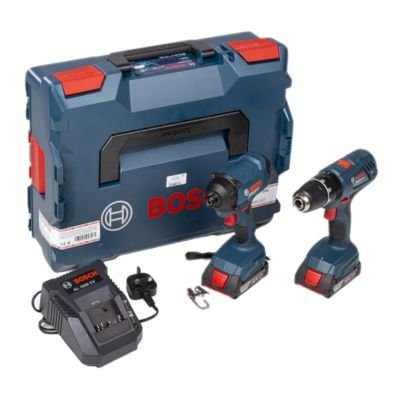
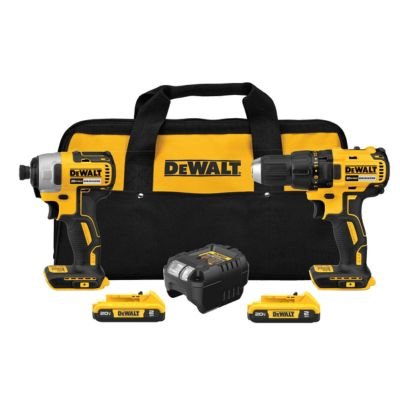
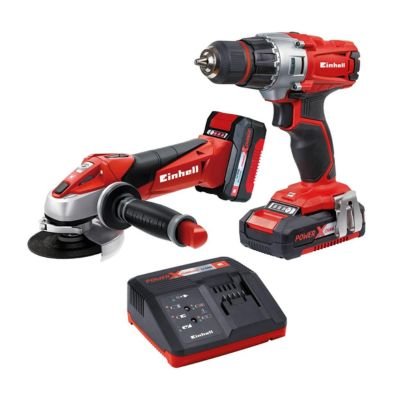
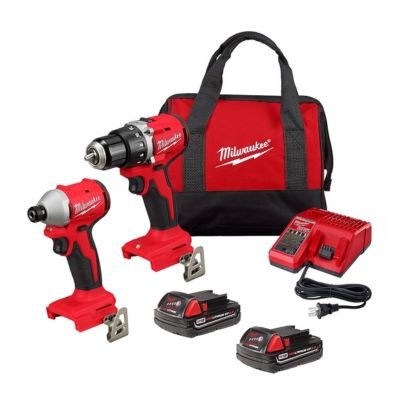
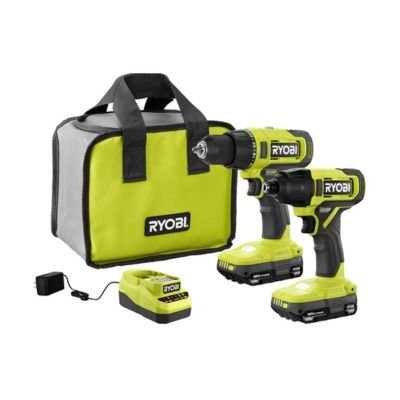


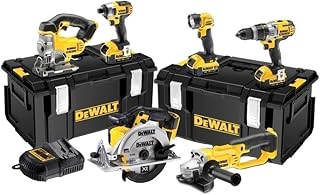


Choosing one of the best power tool sets in the UK is less about buying the kit with the largest number of accessories and more about matching the tools, batteries, performance and included equipment to the work you actually expect to do. A compact cordless drill set can be an excellent choice for household repairs, while a larger multi-tool kit may make more sense for renovation work, woodworking, installation jobs or regular DIY.
The strongest buying decisions come from looking beyond the headline tool count. A 50-piece kit can contain many small accessories that add little practical value, whereas a smaller kit containing a drill driver, impact driver, saw and useful accessories may provide considerably more capability. Battery compatibility, charger type, torque, speed control, ergonomics, included accessories and the manufacturer's wider cordless platform can all affect the long-term value of a set.
This guide focuses on the factors UK buyers should compare when assessing highly rated power tool sets, including cordless and corded options, DIY and professional requirements, battery systems, tool construction, safety, maintenance and common purchasing mistakes.
A genuinely useful power tool set should provide a sensible combination of capability, compatibility and quality rather than simply maximising the number of items in the box. The best kit for one person may be completely unsuitable for another because power requirements, working frequency and preferred tool types vary considerably.
Cordless kits are particularly popular for DIY because they provide freedom of movement and eliminate the need to work close to a mains socket. Modern lithium-ion battery systems can cover everything from light household tasks to demanding construction applications. However, the battery system becomes an important part of the purchase, and buyers should consider the cost and availability of additional batteries if they expect to use several tools simultaneously.
Corded tools remain useful where sustained power is more important than portability. A mains-powered tool does not require battery changes during extended work and can be a sensible choice for stationary workshop tasks or applications where the tool is used for long periods.
For a general-purpose UK DIY kit, cordless tools often offer the greatest flexibility. For occasional workshop use, however, a combination of corded specialist equipment and cordless hand tools can sometimes be more practical.
Battery compatibility is one of the most important considerations when comparing cordless power tool sets. Manufacturers generally develop families of tools that use the same battery system, allowing a single battery type to power several compatible machines.
Popular professional and consumer-oriented platforms include systems from Bosch, DeWalt, Makita, Milwaukee, Ryobi and other established manufacturers. Compatibility should always be checked at the exact platform level because batteries from different ranges, voltages or generations are not necessarily interchangeable.
Voltage is often used as a broad indication of the electrical platform, but it should not be treated as a direct measurement of overall tool performance. Motor design, electronics, gearing, battery capability and the particular application all influence how a tool performs.
Lower-voltage compact systems can be excellent for drilling, driving and light household work because the tools are often smaller and easier to handle. Higher-voltage systems generally make more sense for demanding applications such as heavy-duty drilling, cutting, grinding or professional construction work.
Battery capacity is commonly expressed in ampere-hours, or Ah. In simple terms, a higher-capacity battery can provide more stored energy, although actual runtime depends on the tool and workload.
Buying the largest battery available is not always the best decision. A heavy battery can make a drill or impact driver tiring to use overhead or in confined spaces.
Brushless motors have become common in higher-end cordless tools. They use electronic control rather than traditional replaceable carbon brushes and can offer advantages in efficiency, durability and motor control. Brushed tools can still be perfectly suitable for occasional DIY, particularly where purchase price is a priority.
If a power tool set is expected to receive frequent use, a brushless platform may be worth considering because the tools are generally designed for more demanding workloads. Always compare the complete specification rather than assuming that a brushless motor alone guarantees superior performance.
A sensible starter kit should cover the jobs you are most likely to encounter. The ideal combination depends on your property, hobbies and level of DIY experience, but several tools have particularly broad applications.
The drill is usually the foundation of a general-purpose power tool set. A drill driver can handle fastening and drilling, while a combi drill adds hammer action for drilling into masonry when the model is designed for that application.
Look for variable speed control, adjustable torque settings, a reliable chuck, comfortable grip and a battery size appropriate for the intended workload. For frequent masonry drilling, compare the manufacturer's specified drilling capacity and consider whether a dedicated rotary hammer or SDS drill would be more suitable.
An impact driver is designed primarily for driving screws, bolts and fasteners. Its impact mechanism can provide high fastening performance while reducing the need to apply constant manual pressure compared with a conventional drill driver.
Impact drivers are particularly useful for construction, decking, timber framing and repetitive fastening. They are not automatically a replacement for a drill because drilling tasks and fastening tasks place different demands on the tool.
A circular saw can substantially expand the capability of a power tool set for cutting timber and sheet materials. When comparing models, consider blade diameter, cutting depth, bevel adjustment, base stability, visibility of the cut line and whether the tool is compatible with the same battery platform as the other tools.
A reciprocating saw is useful for rough cutting, demolition and awkward access. It can be particularly valuable during renovation work where clean, furniture-quality cuts are not the main objective.
An oscillating multi-tool is one of the more versatile additions to a DIY kit. Depending on the compatible accessories, it can be used for tasks such as plunge cutting, flush cutting, scraping, sanding and removing grout.
Its value comes from versatility rather than raw cutting speed. Buyers should check the available accessory ecosystem because the quality and range of compatible blades and attachments can affect how useful the tool becomes.
An angle grinder is useful for cutting, grinding and surface preparation when equipped with the correct accessory. Because it is a high-speed tool capable of producing sparks and debris, it requires considerably more attention to protective equipment and safe working practices than many basic DIY tools.
Occasional DIY users rarely need a large professional kit. A compact cordless drill or combi drill, a selection of quality bits and a compatible battery can cover many routine household tasks.
If you expect your needs to grow, choosing a battery platform with a broad selection of compatible tools can be more useful than purchasing the cheapest standalone kit available.
Renovation projects often benefit from a broader combination of tools. A drill, impact driver, circular saw, multi-tool and reciprocating saw can cover many common tasks involving timber, fixings, panels and removal work.
Renovation work also tends to expose weaknesses in batteries and ergonomics more quickly than occasional DIY, so runtime, charging speed and tool balance deserve greater attention.
Woodworkers should prioritise precision, control and dust management rather than simply maximum torque. A drill driver, circular saw, jigsaw, random orbital sander and appropriate extraction equipment may be more useful than a general construction-oriented kit.
Professional users should consider the entire cordless ecosystem, not merely the initial kit. A platform with a broad selection of compatible tools, replacement batteries and chargers can reduce the need to maintain several incompatible battery systems.
Durability, serviceability, ergonomics, runtime and downtime can become more important than the lowest purchase price when tools are used every working day.
Power tool specifications can look impressive without necessarily telling you whether a particular machine is appropriate for your work. Compare specifications within the same type of tool and consider how each figure relates to the application.
Torque is especially relevant to drills and impact drivers. Higher torque can be beneficial for demanding fastening, but excessive torque is not automatically desirable for delicate work. Adjustable clutch settings can provide better control when driving screws into materials where over-tightening could cause damage.
No-load revolutions per minute indicate how quickly a tool rotates without performing work. Higher speed can be useful for certain drilling, cutting or sanding applications, but the appropriate speed depends on the accessory and material.
For impact drivers and hammer-action tools, impact rate indicates how frequently the mechanism delivers impacts. It should be considered alongside torque, speed and the intended application rather than evaluated in isolation.
For saws, cutting depth is an important specification. Compare the stated capacity at different cutting angles where applicable, since maximum depth can change when the base is tilted.
Weight becomes particularly important when working overhead, at arm's length or for extended periods. A heavier tool may deliver useful performance but still be less practical for detailed or repetitive tasks.
One of the most common mistakes when buying a power tool set is choosing the kit with the highest number of pieces. Manufacturers and retailers may count batteries, chargers, cases, blades, bits and other accessories alongside powered tools.
Instead of asking how many pieces are included, count the actual powered tools and identify how many of them you genuinely expect to use.
Brand choice can be useful when comparing cordless ecosystems, but it should not replace specification-based comparison. Established names such as Bosch, DeWalt, Makita, Milwaukee and Ryobi offer different tool ranges aimed at different users and budgets.
Bosch has several tool families covering household DIY through to more demanding applications. DeWalt and Makita are widely associated with professional-oriented cordless equipment, while Milwaukee has a particularly extensive professional tool ecosystem. Ryobi is well known for its broad ONE+ platform, which covers numerous garden and workshop applications as well as conventional power tools.
Other manufacturers may offer attractive kits for specific applications. The important point is to compare the exact tool model, battery platform, specifications and included equipment rather than assuming that every kit from a particular brand has the same level of performance.
When comparing brands, consider the breadth of the ecosystem. A battery platform becomes more valuable as you add compatible tools because the same batteries and chargers can potentially serve multiple machines.
Power tools are often judged by motor specifications, but ergonomics can have a major effect on practical usability. A tool that feels balanced and easy to control can be preferable to a more powerful machine that becomes tiring after repeated use.
Pay attention to grip diameter, trigger position, switch placement, battery location and overall balance. For drills and impact drivers, consider whether the battery creates an awkward centre of gravity. For saws and grinders, check whether the controls can be operated securely while maintaining a stable working position.
Vibration is another consideration. Tools used for extended periods should be selected with the manufacturer's stated vibration information and recommended operating practices in mind.
Woodworking typically requires good control and suitable cutting accessories. Drill bits, saw blades and driver bits should be selected according to the timber and the desired finish.
Brick, block and concrete require tools and accessories designed for masonry. A combi drill may be sufficient for lighter masonry drilling, while harder materials or repeated drilling can justify a dedicated SDS-type rotary hammer.
Metalworking requires appropriate drill bits, cutting discs and speed settings. Heat management and correct accessory selection are particularly important when drilling or cutting metal.
Plastics can melt, crack or deform when the wrong speed or accessory is used. Controlled drilling and cutting, along with suitable bits and blades, can help achieve cleaner results.
A capable power tool is only as useful as the accessory fitted to it. Poor-quality or unsuitable drill bits can make a powerful drill appear ineffective, while an appropriate blade can significantly improve the performance of a saw.
A large kit may look economical, but unused tools occupy storage space and can tie you into a battery platform that does not suit your future needs.
A starter kit with one small battery may appear attractive until you discover that your intended workload requires additional batteries. Compare the complete ownership picture rather than only the initial kit contents.
Maximum output is not always beneficial. Compact tools can be easier to control and more comfortable for detailed work, while high-powered equipment is better reserved for applications that actually require it.
Charging time can become frustrating when several tools share only one battery. Consider whether the kit includes one or multiple batteries and whether the charger is appropriate for your expected usage pattern.
Even within the same manufacturer's product range, battery compatibility can depend on the specific platform. Always verify compatibility for the exact tool and battery models.
Ratings can help identify products that deserve further investigation, but a rating does not explain whether a tool is suitable for your particular workload. Read the specification, examine the included components and consider comments about the aspects that matter to you.
Customer reviews can provide useful information about usability, packaging, battery performance and common ownership issues, but they should be interpreted carefully. Look for repeated observations rather than relying on isolated comments.
Building a cordless collection gradually can be more economical than repeatedly purchasing complete kits. Once you own compatible batteries and a charger, bare tools can sometimes provide a practical way to expand the collection.
Before choosing this approach, verify that the platform contains the specialist tools you are likely to need. A battery ecosystem should be selected for its long-term usefulness, not simply because its first starter kit is inexpensive.
Good storage protects equipment and makes a collection easier to use. Keep batteries, chargers, accessories and tools organised so that damaged components can be identified quickly.
Cases supplied with kits can be convenient for transport, while workshop users may prefer shelving, tool cabinets, organisers or modular storage. Batteries should be stored according to the manufacturer's instructions, particularly regarding temperature, charging state and environmental conditions.
Every power tool should be used according to its manufacturer's instructions and only for applications for which it is designed. Read the operating instructions before first use, inspect the tool and accessory before starting work, and use suitable personal protective equipment.
Lithium-ion batteries should be handled carefully. Use only batteries and chargers approved or specified for the relevant tool platform. Do not use a battery that is visibly damaged, swollen, leaking or otherwise compromised.
Protect batteries from excessive heat, moisture, impact and unsuitable storage conditions. Follow the manufacturer's instructions for charging, transport and storage, and discontinue use if a battery develops abnormal behaviour.
Regular maintenance can help preserve performance and identify problems before they become more serious. Maintenance requirements vary by tool, so the manufacturer's instructions should take precedence.
A simple comparison process can prevent many expensive mistakes. Start by writing down the jobs you need the tools to perform. Then identify the minimum set of powered tools required and compare compatible platforms.
Use the following checklist when comparing products in a shortlist:
A compact set can be the smarter purchase when you only need a few tools. For example, a drill driver, impact driver, two batteries and a charger may provide more practical value to a homeowner than a large collection containing specialist machines that rarely leave the case.
Smaller kits can also reduce storage requirements and make it easier to keep batteries and accessories organised. If your needs increase later, a compatible platform allows the collection to be expanded according to actual requirements.
A larger kit becomes more attractive when several different tools are required within a short period. Renovating a property, building outdoor structures, fitting kitchens or carrying out extensive woodworking can justify having several compatible machines immediately available.
The key is to calculate the value based on useful capability. If three or four of the included tools would otherwise need to be purchased individually, a larger kit can potentially be a convenient way to establish a complete cordless collection.
Professional-grade tools are generally designed with heavier workloads and frequent use in mind, while DIY-oriented equipment can be a sensible choice for occasional household projects. The distinction is not simply about brand prestige or maximum power.
Professional users should pay particular attention to durability, ergonomics, battery availability, tool range and downtime. Occasional DIY users may reasonably prioritise low weight, simplicity and overall purchase value.
There is no universal best power tool set. The most appropriate option is the one whose performance, tool selection and battery platform fit the way you will actually use it.
The best set depends on the work involved. For general household maintenance, a quality cordless drill or combi drill with compatible batteries is often a sensible foundation. Buyers who regularly undertake renovation or woodworking may benefit from a larger multi-tool kit.
They can be worthwhile for frequent users who benefit from better ergonomics, durability, performance and a broader battery ecosystem. For occasional DIY, a simpler kit can provide better value if it covers the required jobs without paying for professional-level features that will rarely be used.
There is no ideal number. Concentrate on useful powered tools rather than the advertised piece count. A smaller kit containing the right machines can be more valuable than a much larger bundle filled with accessories or specialist tools you do not need.
Neither is universally better. Cordless tools offer excellent portability and convenience, while corded tools can be useful for sustained work where continuous mains power is available. Your workspace and typical applications should determine the choice.
No. Battery compatibility is platform-specific. Always confirm that the battery, charger and tool belong to the same compatible system before purchasing or attempting to use them together.
A combi drill can cover a large proportion of routine household drilling and fastening tasks, particularly when the correct bits are used. More demanding masonry work may require a dedicated rotary hammer, while heavy-duty fastening can benefit from an impact driver.
A brushless motor can offer useful advantages in efficiency, durability and electronic control, but it is not essential for every DIY user. The value depends on how frequently the tool will be used and whether the additional cost is justified by the intended workload.
Staying within one compatible battery ecosystem can be convenient because batteries and chargers may be shared across tools. However, the best approach is to compare the exact platform and tools rather than automatically choosing every product from one manufacturer.
Check the exact model number, powered tools included, battery quantity and capacity, charger, accessories, specifications and current customer feedback. Also verify that the listed kit contents match the specific bundle being offered because similarly named kits can contain different combinations of tools and batteries.
Battery capacity affects how much energy is stored, but runtime varies according to the tool and workload. A larger battery can increase runtime while also increasing weight, so choose capacity according to the application rather than automatically selecting the largest option.
The best top-rated power tool set for a UK buyer is not necessarily the most powerful, the largest or the most expensive. A strong choice combines the right tools with suitable performance, dependable ergonomics, useful accessories and a battery system that makes sense for future purchases.
Before buying, compare the exact specifications and kit contents rather than relying solely on rankings or headline tool counts. Consider how often you will use the equipment, what materials you work with, whether you need cordless portability, and which additional tools you may eventually add.
For occasional DIY, a compact and well-balanced kit can be all that is necessary. For renovation, woodworking or professional work, investing in a broader compatible platform may provide considerably more practical value over time. Whichever route you choose, compare current specifications, customer feedback and prices from reputable UK retailers before making the final decision.