

♥ Wishlist
Compare 38 verified Worx Batteries and Chargers products in United Kingdom. Reviews, ratings, pros, cons and buying advice updated for October 2026.


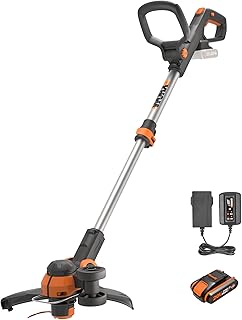


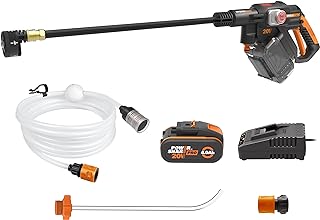


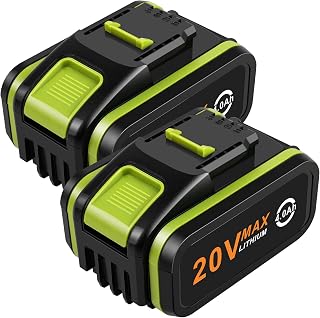
Choosing a Worx battery and charger is not simply a matter of selecting the highest-capacity battery or the cheapest compatible charger. The right combination depends on the Worx tool platform you own, the work you expect to do, how frequently you use your tools, and whether you need a compact battery for lighter jobs or greater energy capacity for demanding applications.
For UK buyers, compatibility should be the first consideration. Worx cordless tools are designed around specific battery systems, and batteries that appear similar can differ in voltage, physical design, electronics and compatibility. Before comparing capacity, charging speed or price, check the exact model number of your existing tool and the battery specification recommended for it.
A sensible buying decision should also consider the complete cordless system rather than treating the battery as an isolated accessory. A battery that works well in a drill may also be useful for a garden tool if both products belong to the same compatible Worx platform. This can make a multi-tool cordless system more convenient and potentially reduce the need to purchase separate batteries and chargers.
Voltage is one of the most important specifications when comparing cordless tool batteries. It is not an indication of how long a battery will run; instead, voltage is associated with the electrical system for which the battery and tool are designed.
Worx products are available across different cordless platforms, so buyers should never assume that a battery can be substituted simply because it has a similar appearance. Always verify compatibility with the exact tool model before buying.
When shopping for a replacement or additional battery, the safest approach is to start with the tool's documentation or the manufacturer's compatibility information rather than relying solely on photographs or a product title.
Amp-hours, usually abbreviated as Ah, are frequently used when comparing cordless batteries. In simple terms, a higher Ah rating generally represents greater electrical storage capacity within the same battery voltage platform.
For example, if two compatible batteries operate at the same voltage but one has a substantially higher Ah rating, the higher-capacity model will generally provide more available energy before recharging is required. However, it may also be larger, heavier and more expensive.
There is therefore no universally best Ah rating. The most appropriate capacity depends on the balance between runtime, weight, tool balance and cost.
Battery capacity is useful for comparison, but it should not be treated as a guaranteed runtime figure. Actual operating time varies according to the tool, material, workload, operating speed, temperature, battery condition and user technique.
A drill driving small screws into softwood may consume considerably less energy than the same drill working continuously at high load. Similarly, a cordless garden tool can experience very different battery consumption depending on vegetation density, cutting conditions and operating technique.
This is why claims such as a battery lasting a specific number of hours should be treated cautiously unless the test conditions are clearly defined. A battery specification can help you compare products, but real-world runtime is workload dependent.
Before purchasing a Worx battery and charger, work through the following checklist.
The best option depends on what you already own. If you are starting a new cordless system and do not have a compatible charger, a battery-and-charger kit can be the more straightforward choice. If you already have a suitable charger and simply need additional capacity, purchasing a battery on its own may avoid unnecessary duplication.
Existing Worx owners should check their current charger before buying another one. A charger that physically resembles another model should not automatically be assumed to support every Worx battery. Compatibility information should take precedence over appearance.
A battery-only purchase can make sense when you already have a compatible charger. It is particularly useful for users who operate several cordless tools and want multiple batteries available for rotation.
A kit is more appropriate when establishing a cordless system for the first time or when your existing charger is incompatible, damaged or otherwise unsuitable. It can also be convenient if you want a dedicated charging point for a second location.
Charging speed can be an important buying consideration, especially for users who rely on cordless tools throughout the day. A faster charger can reduce the time a depleted battery spends off the job, but charging performance should always be considered alongside battery capacity and charger compatibility.
Not every battery benefits equally from every charger. The charging system is designed around electrical and thermal characteristics, so buyers should use a charger intended for the relevant battery platform.
If you regularly complete several hours of work, having two compatible batteries can sometimes be more useful than relying on a single battery with a faster charging arrangement. One battery can be in use while another is charging, provided the charging equipment and batteries are used according to their instructions.
Lithium-ion batteries are widely used in modern cordless power tools because they offer a useful combination of energy density, relatively low weight and convenient rechargeable operation. They have helped make cordless tools practical for applications that previously relied heavily on mains electricity or petrol engines.
However, lithium-ion batteries still require appropriate care. Excessive heat, physical damage, unsuitable charging equipment and poor storage practices can shorten battery life or create safety risks.
Temperature can influence battery performance and charging behaviour. Very cold conditions can reduce apparent performance, while excessive heat can place additional stress on the battery and charging system.
UK users may notice this particularly when cordless garden equipment is used during colder months. Allowing a battery to reach an appropriate temperature before charging, where required by the manufacturer's instructions, is a sensible part of responsible battery management.
A larger battery is not automatically the better battery. When a cordless tool is held for several minutes at a time, overall weight and balance can become more important than maximum capacity.
For compact drills, impact drivers and screwdrivers, a smaller battery may produce a more manoeuvrable setup. For high-demand applications, a larger-capacity battery can be worthwhile if the additional runtime outweighs the extra weight.
Garden tools present another consideration. A battery-powered trimmer, blower or similar tool may be carried continuously, making battery weight particularly noticeable. Buyers should therefore consider the complete tool-and-battery combination rather than comparing batteries in isolation.
Occasional users generally benefit from a balanced setup rather than simply choosing the largest battery available. A moderate-capacity battery can be practical for assembling furniture, installing shelves, drilling pilot holes and completing routine household repairs.
Regular DIY users may benefit from maintaining two or more compatible batteries. This can reduce interruptions when several cordless tools are used during the same project.
For intensive applications, battery capacity, thermal behaviour, charging arrangements and tool efficiency become more significant. Users who routinely work for long periods should consider how the entire battery ecosystem will support their workflow.
Worx has a broad cordless garden-tool range, which makes battery compatibility particularly important for homeowners building a multi-tool system. Depending on the applicable platform, the same battery ecosystem may support different categories of equipment.
When choosing a battery for garden equipment, consider the type of work involved. Grass trimming, hedge cutting, blowing leaves and other tasks can place different demands on a battery. A battery that is perfectly adequate for intermittent light work may not provide the same convenience for prolonged high-load operation.
For larger gardens, having spare compatible batteries can be especially useful. Instead of stopping a job whenever a battery becomes depleted, users can rotate charged batteries while keeping depleted units in the charging cycle.
Drills and impact drivers often benefit from a compact battery when portability and balance are priorities. The ideal capacity depends on how frequently the tool is used and the materials being worked on.
For occasional screwdriving, a compact setup can be easier to handle. For extensive drilling, repeated fastening or demanding materials, greater battery capacity may provide a more convenient working cycle.
Users should also distinguish between battery capacity and tool performance. A higher-capacity battery does not automatically transform a lower-powered tool into a higher-performance model. The tool's motor, gearing, electronics and intended application remain important factors.
When several compatible batteries appear similar, compare them using a consistent set of criteria.
A higher Ah rating may provide more stored energy, but it does not make an incompatible battery suitable. Compatibility should always come first.
Voltage is fundamental to cordless tool compatibility. Never assume that batteries from different electrical platforms can be interchanged.
Chargers should be selected according to the battery system rather than appearance, brand familiarity or advertised charging speed alone.
Worx offers multiple cordless products and battery platforms. Product names and physical appearance can sometimes create confusion, so verify the exact compatibility information for your tool.
Maximum capacity can add unnecessary weight for small jobs. A compact battery may be a better choice for tools that are frequently used overhead or for short periods.
A cheaper battery may not provide the best value if it does not meet your runtime requirements, duplicates equipment you already own or requires additional charging equipment.
When buying a replacement battery, compatibility and safety should take priority over an apparently low purchase price. Genuine manufacturer batteries are designed around the relevant tool platform and its electrical and battery-management requirements.
Third-party alternatives can vary considerably in construction, cell quality, electronics, capacity and compatibility. If considering an alternative battery, buyers should carefully evaluate whether the product is explicitly intended for the exact tool and platform rather than relying on broad claims such as “fits Worx tools”.
For an independent buying decision, compare specifications, seller information and verified customer feedback while remaining alert to listings that provide incomplete technical information.
Customer reviews can provide useful information, but they are most valuable when you look beyond the overall star rating. A large number of positive ratings does not necessarily mean a particular battery is ideal for your application.
Useful review details include comments about compatibility, charging behaviour, physical fit, runtime relative to the buyer's workload, battery weight and long-term reliability. Reviews that describe the exact tool being used and the nature of the work can be more informative than vague comments about whether a battery is “good”.
If you own several compatible Worx tools, it can be useful to think of your batteries as a shared power resource. Instead of buying a battery with every new tool, a compatible platform can allow charged batteries to be moved between suitable products.
A practical system might include compact batteries for lightweight tools and higher-capacity batteries for equipment that consumes more energy. The exact combination should be based on your actual tool collection and working habits.
Before expanding a cordless collection, check the battery platform used by each planned tool. A little research at this stage can prevent a collection of incompatible batteries and chargers.
Good storage is an important part of maintaining rechargeable batteries. Batteries should be kept in a suitable dry environment and protected from unnecessary heat, moisture, impact and contamination.
For seasonal garden tools, inspect batteries before putting equipment back into regular use after extended storage. Follow the manufacturer's recommendations regarding charge level, storage temperature and long-term storage.
Do not attempt to repair a damaged lithium-ion battery unless you are specifically qualified and the manufacturer's procedures permit it. A battery that has been dropped severely, physically damaged or shows unusual behaviour should be treated cautiously.
Rechargeable batteries should not simply be placed in ordinary household waste. When a battery reaches the end of its useful life, use an appropriate battery recycling or collection route available in the UK.
Before disposal, protect exposed terminals as appropriate and follow the instructions provided by the collection facility or battery manufacturer. This is particularly important for lithium-ion batteries because damaged or incorrectly handled batteries can present safety hazards during waste handling and transport.
If you are unsure which option to choose, use this sequence:
A useful comparison should consider more than price. The following criteria can help separate genuinely suitable options from products that only look attractive in a search result.
| Comparison Factor | Why It Matters |
|---|---|
| Compatibility | Determines whether the battery can be safely and correctly used with the intended tool. |
| Voltage | Identifies the relevant electrical platform. |
| Ah capacity | Helps compare relative energy storage between compatible batteries. |
| Weight | Affects portability, handling and tool balance. |
| Charger compatibility | Ensures the battery can be charged using suitable equipment. |
| Charging speed | Can reduce downtime for frequent users. |
| System compatibility | May allow one battery platform to support multiple compatible tools. |
| Customer feedback | Can highlight recurring practical issues not obvious from specifications alone. |
There is no single capacity that is best for every UK homeowner. Instead, think about the workload.
Worx is the focus of this guide, but shoppers comparing cordless systems may also encounter brands such as DeWalt, Makita, Bosch, Milwaukee, Ryobi, Einhell and BLACK+DECKER. These brands use their own battery ecosystems and product ranges, so direct battery interchangeability should never be assumed between brands.
If you are already invested in Worx tools, staying within a compatible Worx battery platform can be more convenient than switching systems solely to obtain a different battery specification. On the other hand, someone building a cordless tool collection from scratch may want to compare complete ecosystems, including the range of tools, battery options, chargers and accessories available within each platform.
The best cordless system is ultimately the one that matches your tool collection and workload. If you need a very broad range of professional-grade equipment, it may be worthwhile comparing several established cordless platforms before committing to additional batteries.
For homeowners who already have multiple compatible Worx tools, however, expanding within the existing platform may offer a simpler approach. The value of a battery is not just its individual specification; it also comes from the number of compatible tools it can support.
Online listings can contain similar-looking product titles, so inspect the technical information carefully. A good listing should make it reasonably clear what battery or charger is being sold, which platform it belongs to and which tools it is intended to support.
Before selecting a battery or charger, ask yourself the following questions:
The best Worx battery depends on the tool, battery platform, workload and desired balance between runtime and weight. A higher-capacity battery can be useful for extended work, while a smaller battery may be preferable for lightweight applications.
No. Compatibility depends on the relevant battery platform, voltage, physical interface and electronic requirements. Always check the exact tool and battery specifications before purchasing.
No. Higher capacity can provide more stored energy, but it can also increase weight and cost. The right capacity is the one that matches your workload without creating unnecessary bulk.
Not necessarily. Tool performance depends on the motor, electronics, gearing, battery system and application. A larger-capacity battery primarily provides greater energy storage when the battery is otherwise compatible.
A spare can be useful if you regularly use cordless tools for extended periods. It can allow one battery to be used while another is charging, provided both are compatible with the tools and charging system.
Only if it is compatible with your battery system and the charging speed provides meaningful value for your usage. Occasional users may have little need for the fastest charging arrangement.
Interchangeability depends on the specific Worx battery platform and the individual tools. Never assume that a garden tool and power tool share a battery simply because both carry the Worx name.
Use the correct charger, avoid physical damage, protect batteries from unsuitable temperatures, keep contacts clean and follow the manufacturer's storage and charging instructions.
Use an appropriate battery recycling or collection service rather than putting the battery in ordinary household waste. Follow the relevant collection instructions, particularly if the battery is damaged.
They require careful evaluation. Check exact compatibility, specifications, construction information, seller details and customer feedback. A low price should not outweigh uncertainty about electrical compatibility or battery safety.
There is no universal replacement interval. Battery lifespan depends on usage, charging practices, storage, temperature, workload and the condition of the cells and electronics. Replace a battery when it no longer performs adequately or shows signs of damage, following the manufacturer's guidance.
The most important lesson when comparing Worx batteries and chargers is to start with compatibility rather than price, Ah capacity or charging speed. Identify the exact tool and battery platform first, then choose the capacity that fits your workload.
For occasional DIY, a lightweight battery may provide the best overall experience. For demanding work, greater capacity or a second compatible battery can be more practical. Users with several cordless tools should also consider the wider value of maintaining one compatible battery ecosystem.
Before purchasing, compare the latest specifications, confirm exactly what each listing includes, examine verified customer feedback and check current UK prices from trusted retailers. Taking a few minutes to verify the battery platform can prevent an otherwise avoidable compatibility mistake.