

♥ Wishlist
Compare 43 verified Hand Tools products in United Kingdom. Reviews, ratings, pros, cons and buying advice updated for October 2026.
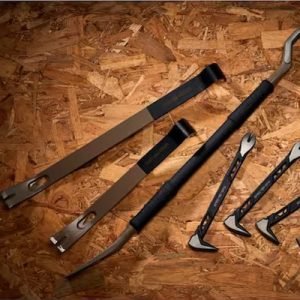
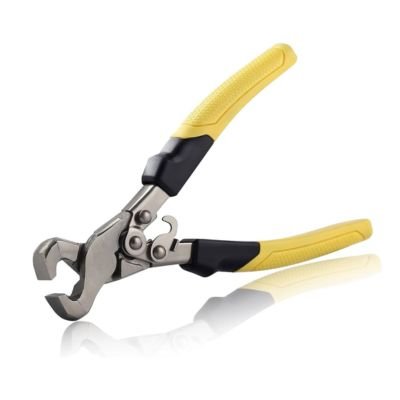
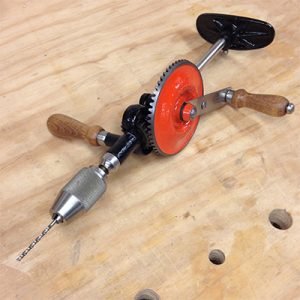
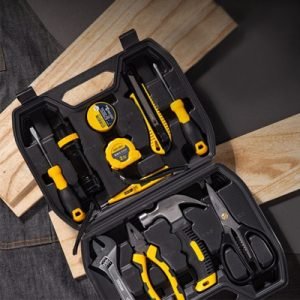
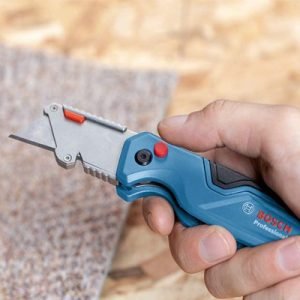
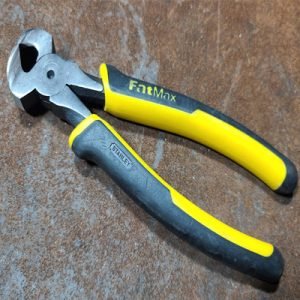


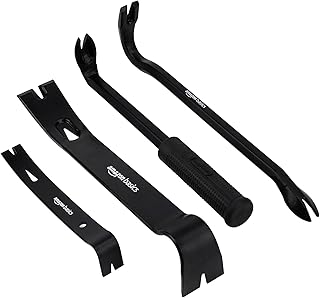


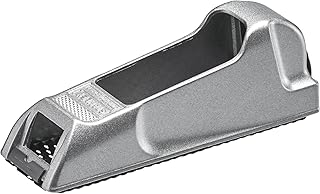






Choosing the best hand tools is less about buying the largest toolbox and more about selecting tools that match the jobs you actually carry out. A reliable set should combine sensible ergonomics, appropriate materials, accurate construction, useful sizes and dependable performance. For UK buyers, it is also worth considering metric sizing, British Standard compatibility where relevant, corrosion resistance in damp environments and the availability of replacement or additional pieces.
Whether you are assembling furniture, maintaining a car, carrying out DIY around the house, working on plumbing or electrical projects, or building a professional workshop, the right hand tools can make routine jobs faster and more controlled. A poorly chosen tool can do the opposite: it may slip, damage fasteners, fatigue your hands or simply be unsuitable for the task.
This guide explains the specifications and practical considerations that matter when comparing top rated hand tools in the UK. Rather than relying on a single headline feature, consider the complete combination of build quality, usability, versatility, safety, storage and long-term value.
A highly rated hand tool should offer a useful balance between performance, durability and ease of use. Customer ratings can help identify products that have attracted positive feedback, but ratings alone do not establish whether a particular tool is appropriate for your application.
When comparing products, look beyond the star rating and examine the underlying specifications. Pay attention to the tool material, dimensions, drive size, handle construction, adjustment mechanism, included accessories and intended application. A premium tool designed for professional workshop use may be unnecessary for occasional household jobs, while an inexpensive general-purpose tool may not be suitable for demanding mechanical work.
One of the first decisions is whether to buy individual tools or a complete hand tool set. Neither approach is automatically better. The correct choice depends on the jobs you perform and the tools already in your collection.
A common compromise is to start with a well-chosen general-purpose set and then add individual tools as specific projects demand them. This approach can provide good coverage without encouraging unnecessary purchases.
Material choice has a major effect on tool performance. Most quality metal hand tools use steel or steel alloys, but the exact formulation, heat treatment and manufacturing process can vary significantly.
Chrome vanadium steel, often abbreviated as Cr-V, is widely used for sockets, ratchets, spanners and other general-purpose tools. The alloy is valued for a useful combination of strength, toughness and resistance to wear. However, the words “chrome vanadium” should not be treated as a guarantee of premium quality. Manufacturing accuracy, heat treatment and overall design remain important.
Chrome molybdenum, commonly described as Cr-Mo, is frequently associated with demanding socket applications, particularly impact sockets. It is designed to withstand different stresses from those encountered by ordinary hand-tool sockets. If a socket is intended for use with an impact wrench, make sure it is specifically designed and rated for that application rather than assuming any heavy-looking socket is suitable.
Carbon steel is used in many practical hand tools and can provide good strength when appropriately manufactured and treated. The performance of a carbon-steel tool depends heavily on the intended application and the quality of the finished product.
Stainless steel can be useful where corrosion resistance is particularly important. It does not mean a tool is completely immune to corrosion, and stainless construction does not automatically make a tool stronger than a suitable hardened tool steel. Consider corrosion resistance alongside the mechanical demands of the application.
Tool descriptions sometimes focus heavily on hardness, but hardness is only one part of performance. A tool that is extremely hard may resist wear effectively but can be less tolerant of certain forms of shock if the material and heat treatment are poorly matched to the application.
Hardness generally relates to resistance against indentation and wear. Strength describes the ability to withstand applied forces without permanent deformation or failure. Toughness concerns the ability to absorb energy and resist cracking or breaking. Good hand-tool design requires these characteristics to be balanced according to the intended use.
For this reason, avoid choosing tools solely because a manufacturer highlights an impressive hardness figure. Check the complete specification and intended application instead.
A useful home workshop does not need hundreds of tools. A carefully selected collection of dependable basics can handle a surprisingly wide range of everyday jobs.
A screwdriver set should normally include several common sizes and profiles. Phillips and slotted screwdrivers remain useful, while Pozidriv is particularly relevant to many screws encountered in UK DIY and woodworking. Torx and security-style profiles can also be valuable for modern appliances, electronics, vehicles and machinery.
The tip should fit the fastener correctly. A screwdriver that is too small or uses the wrong profile can damage the screw head and make removal substantially harder. Magnetic tips may be convenient for positioning small screws, although magnetism should not be considered a substitute for correct technique.
Combination pliers are among the most versatile general-purpose hand tools. They can grip, bend, twist and cut suitable materials, depending on their design. Look for comfortable handles, accurately aligned jaws and a smooth pivot.
Long-nose pliers are useful when working in narrow spaces or manipulating small components. Their narrow jaws provide access that conventional combination pliers may not.
An adjustable wrench provides flexibility when different fastener sizes need to be handled. The downside is that the adjustable jaw can introduce movement if it is poorly fitted or incorrectly positioned. For high-torque work, a correctly sized fixed spanner or socket is often preferable.
Combination spanners provide a useful combination of an open-ended jaw and a ring end. Metric sizes are particularly important for many modern applications. When comparing sets, examine the actual size range rather than the number of pieces alone.
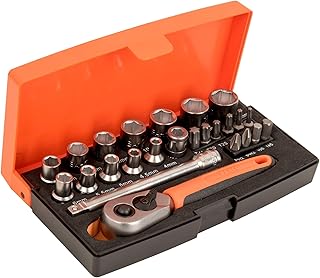
A socket set can dramatically improve access to nuts and bolts compared with an open-ended spanner. Common drive sizes include 1/4-inch, 3/8-inch and 1/2-inch, with each offering a different balance between compactness, torque capability and socket size.
A 1/4-inch drive is convenient for smaller fasteners and confined areas. A 3/8-inch drive is a versatile middle-ground option for many maintenance tasks. A 1/2-inch drive is generally more appropriate for larger fasteners and applications requiring greater torque, provided the individual tools are rated for that work.
Hex keys are inexpensive but essential for many furniture, bicycle, machinery and workshop applications. A good set should include the sizes you are likely to encounter and should have accurately formed ends that engage the fastener without excessive play.
A general-purpose claw hammer remains useful for household maintenance, woodworking and fixing tasks. Consider head weight, handle design and overall balance. A heavier hammer is not necessarily better; control and suitability for the task are more important.
Accuracy, readable markings, blade stability and the locking mechanism are useful comparison points. For general household work, a practical tape measure with a suitable blade length is usually more useful than simply choosing the largest model available.
A spirit level is useful for shelves, cabinets, frames and many installation tasks. Longer levels can provide a useful reference across wider surfaces, while shorter models are easier to use in restricted spaces.
When comparing screwdriver sets, count the actual useful profiles rather than the total number of pieces. Some sets increase their piece count with interchangeable bits, storage accessories or duplicate sizes.
For a general UK household toolkit, consider coverage of:
Brands such as Stanley, Bahco, Wera, Wiha and Klein Tools are commonly associated with professional or trade-oriented hand tools, but the suitability of any individual product should still be assessed from its specifications and intended use.
Socket sets can look impressive because they often contain dozens or even hundreds of pieces. The piece count should not be the primary buying criterion.
Instead, examine the drive sizes, socket range, socket types and accessories. Check whether the set includes standard and deep sockets, metric sizes, extensions, universal joints and appropriate adapters where these are genuinely useful.
Metric sockets are an important consideration for most UK buyers, but imperial sizes can still be relevant for older machinery, certain vehicles, imported equipment and specialist applications. If your work involves older or imported equipment, a mixed system may be worthwhile.
Standard or shallow sockets are compact and suitable for many ordinary fasteners. Deep sockets provide additional clearance around longer threaded sections and can be indispensable when a nut sits over a protruding stud.
Six-point sockets provide broad contact with compatible hexagonal fasteners and can be particularly useful where avoiding damage to a tight fastener matters. Twelve-point sockets can offer more engagement positions and may be convenient where access is restricted. The appropriate choice depends on the fastener and working environment.
Ratchet specifications often mention tooth count. A finer-tooth ratchet generally allows a smaller movement between engagement positions, which can be helpful when working in restricted spaces. A coarser ratchet may have a different mechanical design and can be perfectly appropriate for applications where access is less constrained.
Do not assume that a higher tooth count automatically makes a ratchet stronger or better. The gear mechanism, materials, manufacturing quality, handle design and intended load rating all matter.
A good ratchet should have a secure socket-retention mechanism and a direction selector that can be operated without accidentally changing direction. For demanding work, pay attention to the manufacturer's stated limitations rather than relying on feel alone.
Vehicle maintenance places different demands on hand tools from ordinary household DIY. Automotive work can involve high torque, restricted access, corrosion, heat, oil contamination and fasteners that have not been moved for long periods.
A useful automotive toolkit may include:
Do not substitute a ratchet for a breaker bar when a tool is not designed for high loosening loads. Similarly, never assume that an ordinary socket is appropriate for impact-tool use. The tool and accessory should be designed for the equipment and load involved.
A torque wrench is different from a normal ratchet because its purpose is controlled tightening rather than simply applying as much torque as possible.
When buying a torque wrench, examine its torque range, drive size, adjustment system, scale readability and stated accuracy. The required range should match the fasteners you intend to tighten. Using a torque wrench at the extreme edge of its range may not provide the same practicality as choosing a wrench whose operating range comfortably covers the required torque.
For safety-critical automotive, engineering or machinery applications, always follow the equipment manufacturer's specified torque values and the torque wrench manufacturer's instructions. A torque wrench should not be treated as a general-purpose breaker bar.
Pliers are available in many specialised configurations, and choosing the correct jaw shape can make a major difference to usability.
Never use cutters for materials harder or larger than their specification allows. Overloading cutting jaws can damage the tool and create a risk of fragments being ejected.
Ergonomics becomes increasingly important as the amount of tool use increases. A handle that feels comfortable for five minutes may become uncomfortable after several hours.
Look for handles that allow a secure grip without requiring excessive squeezing force. Textured materials can improve grip, particularly when hands are damp, but an overly aggressive texture may create pressure points during extended use.
Handle shape should also match the task. Screwdrivers designed for high-torque applications may use a different grip shape from precision screwdrivers. Pliers should open and close smoothly without excessive resistance, while ratchet handles should provide enough length for the intended application without becoming awkward in confined spaces.
Tool storage is easy to overlook when comparing hand tool sets, but it has a direct effect on usability. A good case should keep tools organised, identify missing pieces quickly and prevent smaller components from becoming mixed together.
Consider whether the storage system is suitable for your environment. A compact moulded case can be convenient for transporting a set, while a toolbox or drawer organiser may be better for a permanent workshop.
Check how securely tools are retained. A case with loose sockets or poorly fitting inserts can become frustrating to use, particularly when transported.
A 200-piece tool set is not automatically better value than a 100-piece set. Piece counts can include small bits, adapters, duplicates, accessories and storage components.
Instead of asking “How many pieces are included?”, ask:
A large set can contain many useful tools, but it can also contain a high proportion of pieces that never leave the case. Prioritise useful coverage over the headline number.
Buying a large socket collection without considering the drive system can leave you with an inconvenient combination of sockets and ratchets. Check compatibility before purchasing additional components.
Imperial tools can be valuable for particular applications, but a UK buyer who mainly works on modern metric fasteners may obtain greater practical value from a comprehensive metric selection.
Phillips and Pozidriv screwdrivers can look similar but are not interchangeable for every application. Using an incorrect profile can damage the fastener.
Standard sockets and impact sockets are designed for different conditions. If an impact wrench is involved, use accessories specifically designed for impact applications.
An adjustable wrench is convenient, but it should not replace every correctly sized fixed spanner or socket. Poor adjustment can allow movement and damage the fastener.
A very long handle can provide leverage but become difficult to use in a confined engine bay or cabinet. Conversely, a compact tool may not provide enough leverage for a demanding application.
UK workshops, garages and sheds can be exposed to moisture and condensation. Tool surfaces should be kept clean and dry, and appropriate corrosion protection should be considered for metal tools stored in damp environments.
Professional-grade tools are generally designed around more frequent use, demanding workloads and long-term serviceability. DIY-oriented tools can offer excellent practicality for occasional jobs without requiring the same investment.
The best choice depends on usage frequency rather than the label alone. Someone who performs occasional furniture assembly may not benefit significantly from buying an extensive professional mechanics' set. Conversely, someone who uses the same ratchet, pliers or screwdriver every working day should place greater emphasis on ergonomics, durability and replacement availability.
Brands including Bahco, Gedore, Facom, Wera, Wiha, Stanley, DeWalt, Milwaukee and Makita have extensive tool ranges, but product quality can vary between categories and individual models. Compare the particular tool rather than assuming every product from a familiar brand has identical characteristics.
Brand reputation can be a useful starting point, particularly when evaluating tool construction, range depth and long-term availability. It should not replace product-level research.
When comparing brands, consider the specific product line, intended workload and specification. A reputable manufacturer can make excellent tools across several categories, but no single brand necessarily provides the best option for every type of hand tool.
For general home improvement, versatility is usually more valuable than specialist capacity. A sensible DIY collection can include a screwdriver set, combination pliers, adjustable wrench, tape measure, spirit level, hammer, utility knife, hex-key set and a compact socket set.
If you regularly assemble flat-pack furniture, shelving and cabinets, Pozidriv screwdrivers, metric hex keys, a tape measure and a spirit level may be used more often than a large automotive socket collection.
For hanging shelves, installing fittings and carrying out general repairs, accurate measurement and appropriate fastening tools can matter more than maximum tool strength.
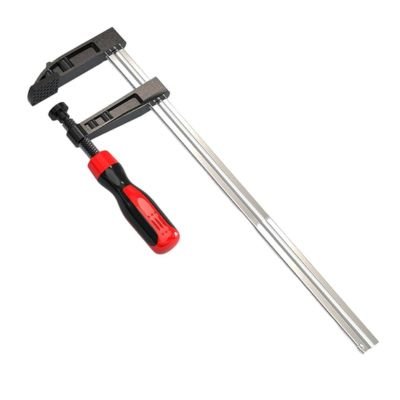
Woodworking requires a somewhat different collection. A woodworking toolkit may benefit from accurate measuring tools, marking tools, clamps, chisels, saws, screwdrivers, a suitable hammer or mallet and sharpening equipment.
For woodworking, precision can be more important than sheer strength. A poorly aligned measuring tool can introduce errors throughout a project, while a poorly maintained cutting edge can make controlled work more difficult.
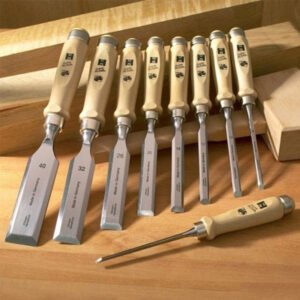
When selecting chisels or other edged tools, consider the steel, handle design, blade dimensions and intended use. Store cutting tools securely and maintain their edges according to the manufacturer's recommendations.
Plumbing work can involve awkward access, corrosion, deposits and fittings of different shapes. Adjustable and water-pump pliers can be useful, but they should be selected according to the size and material of the fittings.
Take particular care with plated or decorative fittings. Excessive gripping force or inappropriate jaws can mark surfaces. Protective methods may be appropriate where the fitting finish must be preserved.
Do not use a hand tool beyond its intended application simply because it physically fits. Specialist plumbing tools exist because common tools cannot always provide the correct combination of access, grip and protection.
Electrical work requires additional safety considerations. Tools intended for electrical applications should be clearly specified for the relevant task. Insulated tools and voltage-rated equipment should never be treated as permission to work on live electrical systems without appropriate competence, procedures and precautions.
For household electrical work in the UK, follow applicable safety requirements and use a suitably qualified professional where the work is outside your competence or requires regulated electrical installation work.
Where a tool or application is associated with a recognised standard, check the manufacturer's stated compliance rather than assuming that a product meets a particular standard simply because it looks professional.
Standards can apply to specific tool types, dimensions, materials, performance characteristics or safety requirements. The relevant standard depends on the tool and application, so buyers should verify the exact designation in the manufacturer's documentation.
For electrical, automotive, lifting, engineering or other safety-sensitive work, tool selection should form part of a wider safe working procedure rather than being treated as an isolated purchasing decision.
Customer reviews can reveal practical issues that are not immediately obvious from a product specification. However, they should be evaluated critically.
Look for recurring comments about the same characteristic rather than relying on one enthusiastic or negative review. Useful review information can include observations about handle comfort, socket fit, case quality, ratchet operation, markings, corrosion, missing sizes and long-term durability.
Also distinguish between comments about the product itself and complaints about packaging, delivery or an incorrect item. Those issues may be relevant to a retailer or fulfilment process but may not indicate the performance of the tool.
Verified purchase indicators can provide additional context, but they do not independently prove that every review is technically accurate. The strongest buying decision combines review patterns with manufacturer specifications and the requirements of the intended task.
When two tools have similarly strong ratings, compare the characteristics that will actually affect your use.
A tool can be technically excellent and still be the wrong choice if it cannot reach the fastener. Access is especially important in automotive repair, appliance maintenance and compact workshop projects.
Before buying specialist tools, consider the physical space around the fastener. Short sockets, low-profile ratchets, extensions, flexible adapters and different handle lengths can all change accessibility, but each has appropriate applications and limitations.
For general workshop use, owning several complementary options is often more practical than trying to make one universal tool perform every job.
An open-ended spanner provides quick access and is convenient where a fastener can be approached from the side. A ring spanner generally provides more complete contact with the fastener and can be preferable when higher controlled torque is required.
Combination spanners provide both formats in one tool. When buying a set, inspect the jaw dimensions, ring profile, offset and finish. The ability to position the tool comfortably can be as important as the nominal size.
Good hex keys should have accurately formed ends that engage the fastener without excessive movement. Poor fit increases the likelihood of rounding the internal hex profile.
L-shaped keys are simple and provide useful leverage. Folding sets are convenient for storage and portability. T-handle designs can be faster for repeated work and may provide a more comfortable grip for suitable applications.
Ball-end hex keys can provide access at an angle, but the angled end is not a universal replacement for a conventional straight engagement. Use the appropriate end and avoid applying excessive torque through an angled engagement when the tool is not intended for that load.
Even high-quality hand tools require sensible maintenance. Keeping tools clean can improve operation and make defects easier to identify.
Moisture is one of the biggest threats to steel hand tools. Garages, sheds and unheated workshops can experience condensation, particularly when temperatures change.
Keep tools dry, avoid storing wet tools in closed cases and consider suitable corrosion protection for tools kept in challenging environments. Surface rust should not simply be ignored, because corrosion can eventually affect moving mechanisms, markings and working surfaces.
Do not apply substances to a tool if they could compromise grip, contaminate a workpiece or conflict with the manufacturer's instructions.
A hand tool should be removed from service when damage compromises safe or effective operation. Warning signs can include cracked handles, severely deformed jaws, damaged cutting edges, rounded screwdriver tips, distorted sockets, excessive ratchet movement or corrosion that affects structural integrity.
Do not continue using a damaged tool simply because it was expensive. A compromised tool can damage the workpiece, fastener or user.
For tools used in safety-critical applications, follow the manufacturer's inspection and replacement recommendations and any relevant workplace procedures.
There is no single correct budget because hand-tool requirements vary enormously. The most cost-effective approach is to allocate more of your budget to tools that you use frequently or that must withstand demanding loads.
For occasional DIY, a modest collection of dependable tools can be sufficient. For frequent mechanical or trade work, spending more on heavily used items such as ratchets, sockets, pliers and screwdrivers can make sense if the additional durability and ergonomics justify the cost.
Do not automatically buy the most expensive product. Compare specifications, intended use, construction and long-term practicality. A mid-range tool that exactly matches your requirements can represent better value than a premium specialist tool that rarely gets used.
Building a toolkit over time can be more efficient than purchasing everything at once. Start with tools that solve the most common problems in your home, vehicle or workshop.
Beginners should prioritise versatility, ease of use and sensible coverage. There is little advantage in purchasing highly specialised tools before learning which jobs you actually perform.
A practical starter collection can include a screwdriver set, combination pliers, long-nose pliers, adjustable wrench, metric hex-key set, claw hammer, tape measure, spirit level and a compact socket set.
As experience grows, you can identify which tools deserve an upgrade and which specialist items would genuinely save time.
Professionals generally need to consider tool performance over much higher usage cycles. Comfort, consistency and durability can become more important than the initial purchase price.
Professional buyers should consider whether a tool can withstand repeated use, whether its size range covers common jobs, whether replacement pieces are available and whether the storage system suits transportation between work locations.
For trade users, downtime caused by damaged or missing tools can be more costly than the original purchase price. This makes reliability and serviceability particularly important factors.
Value is not simply the lowest purchase price. A useful tool is one that performs its intended job reliably and avoids unnecessary replacement purchases.
Before buying a set, make a list of the tools you already own. Duplicate screwdrivers, repeated socket sizes and unnecessary accessories can inflate the apparent value of a package without improving your toolkit.
It can also be useful to identify the three or four tools you expect to use most frequently. Those tools deserve particular attention when comparing ergonomics, materials and build quality.
Not necessarily. A smaller set containing the correct tools and sizes can be more useful than a large collection filled with pieces you rarely need.
No. Price can reflect materials, manufacturing, ergonomics and brand positioning, but the most expensive option is not automatically the best match for every user.
For many modern UK applications, metric tools are an important starting point. Imperial tools remain useful for certain older, imported or specialist equipment. Choose based on the fasteners you actually encounter.
Chrome vanadium is widely used in hand tools and can offer a useful balance of properties. However, the alloy name alone does not establish the overall quality of a finished tool.
There is no universal best drive size. A 1/4-inch drive is useful for smaller fasteners, 3/8-inch is versatile, and 1/2-inch is useful for larger or higher-torque applications when the tools are correctly rated.
It depends on your priorities and budget. Occasional users may not need professional-grade equipment, while anyone who values premium ergonomics or expects frequent use may consider the additional investment worthwhile.
They can provide useful practical information, especially when many reviewers mention the same issue or benefit. However, reviews should be considered alongside specifications, intended use and manufacturer documentation.
The best hand tools are not necessarily the ones with the largest sets, highest prices or most impressive marketing claims. They are the tools that provide the right combination of fit, strength, control, durability and convenience for the work you actually perform.
For a general UK toolkit, prioritise useful metric coverage, dependable screwdrivers, versatile pliers, a practical socket and ratchet selection, accurate measuring tools and sensible storage. If you work on vehicles, machinery or demanding mechanical applications, place greater emphasis on drive sizes, torque capability, deep sockets, extensions and specialist tools designed for the loads involved.
When comparing top rated hand tools in 2026, use customer feedback as one source of evidence rather than the entire decision. Check current specifications, compare equivalent products, verify compatibility and consider how often each tool will be used. Trusted names such as Stanley, Bahco, Wera, Wiha, Knipex, Gedore and Facom can provide useful starting points for comparison, while brands such as DeWalt, Milwaukee and Makita may also be relevant depending on the type of hand tool required.
Most importantly, choose tools for the job rather than for the size of the toolbox. A smaller collection of well-matched tools can provide greater practical value than a much larger set that leaves important sizes or specialist requirements uncovered.
The best choice depends on the intended application, frequency of use and budget. For general DIY, prioritise versatile screwdrivers, pliers, spanners, a socket set, hammer, measuring tools and hex keys. For professional or specialist work, select tools according to the exact application and required load rating.
Compare construction materials, dimensions, ergonomics, size coverage, compatibility, storage, intended workload and customer feedback. Always check the current product specification before buying because manufacturers can change product configurations over time.
Stanley offers a broad range of hand tools covering household and workshop applications. Suitability depends on the individual tool, its specification and how demanding your intended use is.
Bahco offers extensive professional-oriented hand tool ranges. As with any manufacturer, compare the particular model's construction, dimensions and intended application rather than relying solely on brand reputation.
Wera is well known for screwdrivers, bits and fastening tools. Whether a particular product is worthwhile depends on the grip, tip profile, dimensions, intended use and price compared with competing products.
Knipex specialises strongly in pliers and related gripping and cutting tools. Buyers should still select a specific model based on jaw configuration, capacity, cutting capability and the materials it is designed to handle.
There is no single most useful tool for every household. A screwdriver set, combination pliers, adjustable wrench, tape measure and hammer are among the broadly useful starting points for general maintenance.
Start with the jobs you expect to perform. Look for a practical set of screwdrivers, pliers, spanners or sockets, hex keys and basic measuring tools. Avoid selecting solely on the number of included pieces.
They can be, but moisture and condensation can increase corrosion risk. Store tools as dry as practical, wipe away moisture after use and use appropriate storage and corrosion protection for the environment.
Do not assume that ordinary sockets are suitable for impact equipment. Use sockets and accessories specifically designed for impact applications and follow the manufacturer's instructions.
A ratchet is designed to allow repeated tightening or loosening without removing the socket after each movement. A breaker bar provides a solid lever for applying controlled loosening force and does not use the same ratcheting mechanism. They serve different purposes and should not automatically be substituted for one another.
There is no universal replacement interval. Replace a tool when it becomes damaged, excessively worn or otherwise unsuitable for safe and effective use. Frequently used professional tools may require closer inspection than tools used occasionally at home.
For shoppers comparing the best top rated hand tools in the UK, the strongest buying process is straightforward: identify the work, determine the required tool type and size, compare construction and ergonomics, check compatibility, review customer feedback, and then assess overall value.
A high rating is useful evidence, but it should not override technical suitability. The right hand tool is the one that fits the fastener or workpiece correctly, handles the intended load, gives you sufficient control and remains practical for the environment in which you will use it.
Before making a final purchase, compare the latest specifications and current customer feedback for the exact product variant you are considering. Product ranges, included accessories and configurations can change, so checking the details at the point of purchase is particularly important when comparing hand tool sets in the UK.