

♥ Wishlist
Compare 16 verified Battery And Charger products in United Kingdom. Reviews, ratings, pros, cons and buying advice updated for October 2026.
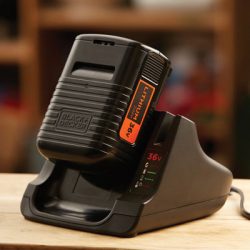
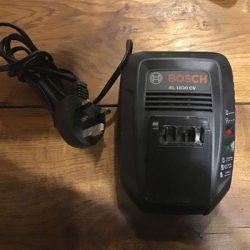
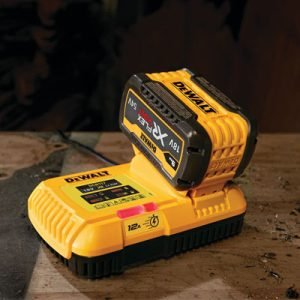
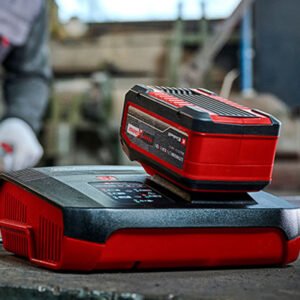
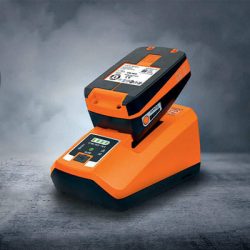
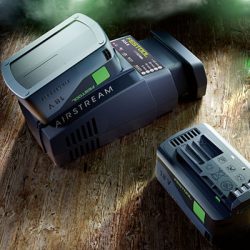
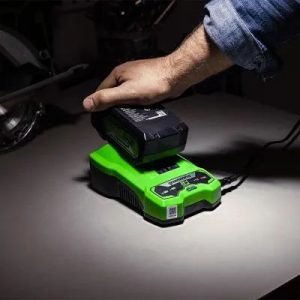
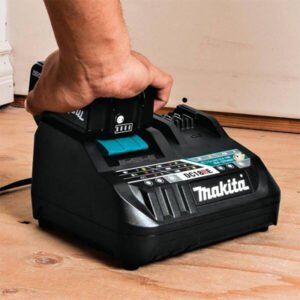
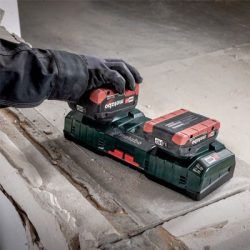
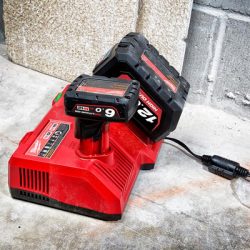
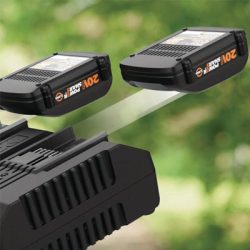


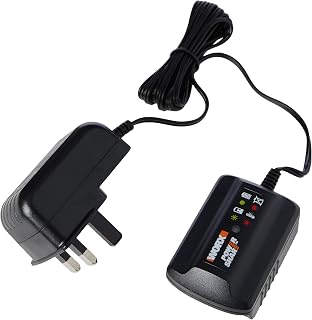
Choosing a battery and charger for a power tool is not simply a matter of selecting the largest capacity or the cheapest compatible pack. The right combination depends on the tool platform, voltage, battery chemistry, workload, charging requirements, operating environment and the type of work you expect to undertake. For UK buyers, compatibility is particularly important because many cordless tools are sold as bare tools without a battery or charger, while starter kits and multi-tool bundles can use the same battery platform across an entire range.
This buying guide is designed to help you assess battery and charger combinations on their technical merits rather than relying on a single headline specification. Whether you need a compact battery for a drill driver, a higher-capacity pack for a cordless saw, several batteries for continuous site work, or a replacement charger, comparing the complete system can help prevent compatibility problems and unnecessary expenditure.
Popular professional and consumer power-tool ecosystems from brands such as Bosch, Makita, DeWalt, Milwaukee, Ryobi, Metabo, Hikoki, Einhell and Festool illustrate why platform compatibility matters. A battery that physically resembles another pack is not necessarily electrically or electronically compatible, and batteries should normally be used only with tools and chargers designed for the relevant platform.
Several specifications deserve attention before choosing a battery and charger. Voltage determines the electrical platform and is one of the first compatibility checks. Amp-hour capacity indicates how much electrical energy the battery can store, although actual runtime varies substantially according to the tool, workload, material and operating conditions. Charging speed affects how quickly a depleted pack can be returned to service, while the charger itself may incorporate temperature monitoring, battery identification and other control functions.
A sensible comparison therefore looks at the battery, charger and intended tool together. A high-capacity battery may provide longer runtime but add weight and bulk. A compact pack may make a drill or impact driver easier to handle but require more frequent charging. Similarly, a fast charger can be useful for demanding work, but it does not automatically make every battery charge at the same speed.
Voltage is one of the most important specifications in a cordless power-tool system. Common battery platforms include lower-voltage systems designed for compact tools and higher-voltage systems intended for applications requiring greater power. Voltage should not be treated as a simple ranking where a higher number automatically means a better battery. The appropriate voltage is determined by the tool platform and the work it is designed to perform.
For example, compact cordless screwdrivers, drills and lightweight garden equipment may use a different voltage platform from heavy-duty grinders, circular saws or high-output construction equipment. A battery should therefore be selected according to the manufacturer's stated compatibility rather than attempting to match voltage by appearance or connector shape.
Buyers should also pay attention to the way manufacturers describe their battery platforms. Some systems use nominal voltage terminology while others advertise maximum or peak voltage. These figures can make apparently different products seem more different than they actually are, so the exact tool and battery model information should be checked before purchase.
Amp-hour, commonly abbreviated as Ah, describes the battery's capacity. In general terms, a battery with a higher Ah rating can store more electrical energy than a lower-capacity battery within the same voltage platform. However, Ah should not be interpreted as a guaranteed number of working hours.
Actual runtime depends on many variables. A cordless drill driving small screws into soft timber may consume considerably less energy than a circular saw cutting dense material. An angle grinder under sustained load can place a very different demand on a battery from an occasional impact driver. Ambient temperature, battery age, tool condition, material and technique can also influence practical runtime.
For light-duty work, a smaller battery can provide a useful balance between runtime and manoeuvrability. For repetitive cutting, drilling or grinding, a larger pack may reduce the number of battery changes. The best choice is therefore the capacity that matches the job without adding unnecessary weight.
Compact batteries are often useful for overhead work, installation tasks, assembly, light drilling and situations where the tool needs to remain easy to control. Their lower mass can make a noticeable difference when a tool is held for extended periods.
Mid-range capacities can provide a practical compromise for general workshop and DIY work. They may offer enough runtime for common tasks while avoiding some of the weight associated with the largest packs.
High-capacity packs are particularly relevant when tools are operated for extended periods or under substantial loads. They can reduce interruptions for battery changes, but buyers should account for increased weight, physical size and potentially higher purchase cost.
Most modern cordless power-tool systems use lithium-ion battery technology because it offers a useful combination of energy density, relatively low weight and rechargeable performance. Within lithium-ion systems, manufacturers may use different cell formats, electronic controls and pack designs to achieve different balances between capacity, output, thermal management and physical size.
Battery technology should be assessed as part of the complete platform. Two batteries with identical Ah ratings can have different physical designs and output characteristics, while newer generations within the same manufacturer's ecosystem may incorporate revised cell technology and electronic management.
Buyers should avoid judging battery quality from capacity alone. A suitable battery must be designed to deliver the electrical characteristics required by the tool while remaining compatible with the manufacturer's charging and protection system.
Modern cordless tool batteries commonly incorporate electronic management rather than relying solely on individual cells. Depending on the platform, the battery and tool can communicate to monitor operating conditions and control power delivery. Chargers can also monitor charging conditions and adjust the charging process accordingly.
Protection features can include monitoring for excessive temperature, overcharging, excessive discharge and other operating conditions. The precise implementation varies between manufacturers and product generations, so buyers should check the technical information for the particular battery and charger rather than assuming that every pack provides identical protection.
This is another reason to avoid unverified battery combinations. A battery that fits mechanically may not provide the electrical or electronic communication expected by the tool or charger.
Charging speed can be an important purchasing consideration for users who depend on cordless tools throughout the working day. A standard charger may be perfectly adequate for occasional DIY use where batteries can be charged between projects. A faster charger becomes more attractive when several batteries are rotated during continuous work.
Charging time should always be considered alongside battery capacity. A larger battery can naturally require more time to charge than a smaller one, while the charger's rated charging capability can affect the overall cycle. Manufacturers may also specify different charging times for different battery capacities.
Rather than selecting a charger solely because it has an impressive charging-speed claim, check whether the stated charging time applies to the exact battery model or capacity you intend to use.
A single-bay charger can be a sensible choice for occasional users who own one or two batteries. It can also make sense where the charging area is limited or where batteries are normally charged overnight or between jobs.
Multi-battery charging arrangements can be more useful for professional users or anyone operating several cordless tools. However, buyers should determine whether a multi-port unit charges batteries simultaneously or sequentially, because the distinction can affect the practical benefit.
If several tools share one battery platform, a charging strategy can be just as important as individual battery capacity. Keeping multiple appropriately sized packs available can allow one battery to charge while another remains in use.
Battery platforms are ecosystems rather than interchangeable universal standards. A manufacturer may offer multiple voltage ranges, battery generations and tool families, and compatibility can vary even within a single brand.
Before purchasing, identify the exact battery family supported by the tool. Do not assume that two products from the same manufacturer will automatically accept the same battery simply because they have similar branding.
Brands including Bosch, Makita, DeWalt, Milwaukee, Ryobi, Hikoki, Metabo, Einhell and Festool each have their own platform structures. Some platforms cover a broad selection of tools, while others are more specialised. If you expect to expand your cordless tool collection, choosing a platform with the tools you are likely to need can be more valuable than focusing on one battery purchase in isolation.
If you are starting to build a cordless tool collection, consider the tools you may realistically buy over the next few years. A platform can become more useful when multiple tools share batteries because the cost of buying additional chargers and batteries for every tool can be reduced.
For example, someone who primarily uses a drill and impact driver may prioritise compact batteries and good handling. Someone working with saws, grinders and rotary hammers may place greater importance on high-output and higher-capacity batteries. A gardener may have entirely different requirements from a woodworking enthusiast.
Consider the platform's breadth before committing to a large collection. Look at the types of drills, impact drivers, saws, sanders, grinders, lights, vacuums and other equipment available within the relevant ecosystem. This approach can make future purchases easier and prevent the need to maintain several unrelated battery systems.
Battery capacity is only one side of the equation. Weight can have a major effect on comfort, particularly when a cordless tool is used above shoulder height, at arm's length or for repetitive tasks.
A high-capacity battery may be beneficial for a circular saw used continuously, but it may be unnecessary for short drilling tasks. Conversely, choosing an extremely small battery for a demanding tool can lead to frequent battery changes and may be less convenient overall.
Think about how the battery changes the centre of gravity of the complete tool. A well-balanced combination can be easier to control than a technically powerful tool carrying a battery that is unnecessarily large for the task.
Some battery platforms offer packs specifically designed for applications that demand high current output. These batteries can be relevant to tools such as grinders, circular saws, reciprocating saws and other equipment that can place significant electrical demand on a pack.
High-output terminology varies between manufacturers, so comparisons should focus on the specific technology and compatibility information supplied for the battery platform. A higher Ah rating and a high-output design are not necessarily the same thing.
For demanding tools, look for battery information that explains the intended application and supported tool range rather than assuming that capacity alone determines performance.
Drills and impact drivers often benefit from a balance between power and low weight. For installation, furniture assembly, electrical work and general DIY, a compact battery may make the tool easier to manoeuvre in confined spaces.
Users who regularly drill large holes, drive long fasteners or perform repetitive work may prefer a larger capacity or higher-output battery. The ideal configuration depends on the task, so there is no single battery size that is universally best for every drill or impact driver.
Cordless saws can place substantial demands on a battery, particularly during sustained cutting. When comparing batteries for these tools, consider capacity, output capability, weight and the material being cut.
For occasional cutting, a moderately sized battery can offer easier handling. For repeated cuts throughout the day, additional batteries or higher-capacity packs may be more practical. Keeping a second compatible battery available can also reduce downtime without requiring the user to carry the largest possible pack on every job.
Angle grinders can draw significant power when used continuously or under heavy load. Battery selection should therefore be based on the grinder's supported platform and the intended workload.
For short grinding or finishing tasks, a smaller pack may be sufficient. For sustained cutting and grinding, higher-capacity or high-output options can be more appropriate where supported by the manufacturer. Weight remains an important consideration because grinders can already be relatively demanding to control.
Cordless garden equipment such as hedge trimmers, blowers, grass trimmers and chainsaws can benefit from battery platforms that offer several capacity choices. The best battery depends heavily on whether the tool is being used for occasional maintenance or extended garden work.
Garden tools can also have very different consumption patterns. A blower used continuously at high power may consume energy differently from a hedge trimmer operated intermittently. Look at the manufacturer's runtime guidance where available, but treat runtime figures as application-dependent rather than universal guarantees.
A product listing can contain several numbers that appear important but have different meanings. Voltage, Ah capacity, charging time, dimensions and weight should be evaluated together.
One of the most important decisions when buying a replacement battery is whether to choose the manufacturer's battery or an alternative advertised as compatible. Compatibility claims should be treated carefully because electrical compatibility, physical fit and electronic communication are separate considerations.
A low-cost alternative can appear attractive, but the buyer should establish whether the product is genuinely designed for the specific tool platform and charger. Consider the manufacturer's stated specifications, protection system, cell configuration, warranty terms where applicable and safety information.
For valuable professional tools, the potential cost of a battery problem should also be considered. A saving on the battery may be less meaningful if it introduces uncertainty regarding compatibility or long-term reliability.
Many poor purchasing decisions happen because buyers compare one specification without checking the complete system. Avoiding a few common mistakes can make the buying process considerably easier.
Cordless power tools are frequently sold in different package configurations. A bare tool normally excludes the battery and charger, while a kit may include one or more batteries and a compatible charger.
A bare tool can be economical for someone who already owns several compatible batteries. For a new user entering a platform, a complete starter kit may provide better practical value if it contains the required battery and charger.
Always compare the complete package contents rather than comparing product titles alone. Two apparently similar listings can contain very different combinations of batteries, accessories and chargers.
The cheapest battery is not necessarily the best value, and the highest-capacity battery is not necessarily the most economical choice. Value should be considered in relation to how often the battery will be used and what tools it will power.
For occasional DIY work, a smaller battery may provide everything required. For professional users, the cost of downtime and frequent battery changes may make additional or higher-capacity batteries more worthwhile.
It is also useful to compare the cost of adding another battery to an existing platform with the cost of moving to a completely different ecosystem. A platform that initially appears more expensive can sometimes become more convenient when multiple tools share its batteries and chargers.
There is no universal number because usage patterns differ. A homeowner using one cordless drill occasionally may need only one battery. Someone using several cordless tools continuously may benefit from multiple packs that can be rotated between tools and the charger.
A practical approach is to consider the longest period you expect to work without convenient access to charging. If the workday involves continuous cutting, drilling or grinding, having spare batteries can be more useful than relying on one very large battery.
For a mixed cordless toolkit, different capacities can also make sense. Compact packs can be reserved for lightweight tools, while larger packs can be used with equipment that benefits from additional runtime.
Proper storage can help maintain rechargeable battery performance over time. Follow the battery manufacturer's storage recommendations rather than applying assumptions from unrelated battery types.
Keep batteries away from excessive heat, moisture and physical damage. Avoid storing loose batteries where their terminals can contact metal objects. Inspect packs periodically for visible damage and discontinue use of a battery that appears damaged or behaves abnormally.
Chargers should also be kept in a suitable environment and used according to the manufacturer's instructions. Keeping charging equipment clean and free from obstructions can help maintain normal operation.
Temperature can affect rechargeable battery behaviour. Manufacturers may specify temperature ranges for charging and operation, and modern battery systems can incorporate monitoring designed to manage charging conditions.
Do not assume that a battery should be charged immediately after heavy use if it is unusually hot. Follow the instructions supplied with the specific battery and charger. Similarly, extremely cold conditions can affect battery performance and may influence charging requirements.
Battery longevity depends on chemistry, cell design, usage patterns, charging conditions, storage and age. No charging routine can eliminate normal battery wear, but sensible handling can help avoid unnecessary stress.
Rechargeable batteries naturally lose capacity as they age and are cycled. A noticeable reduction in practical runtime can indicate that a pack is approaching the end of its useful service life, although performance can also be influenced by temperature, workload and tool condition.
Physical damage deserves greater attention than ordinary capacity loss. A battery with a damaged casing, signs of swelling, unusual heat, leakage or other abnormal behaviour should not be treated as a normal ageing pack. Follow the manufacturer's safety guidance and use appropriate battery recycling or disposal arrangements.
Rechargeable power-tool batteries should not simply be treated as ordinary household waste. UK buyers should use appropriate battery collection and recycling arrangements and follow local guidance for disposing of rechargeable battery packs.
Before disposal, protect exposed battery contacts as recommended by the relevant recycling facility or manufacturer and avoid damaging the battery. If you are unsure how a particular battery should be handled, consult the manufacturer's disposal instructions or an appropriate UK recycling service.
The ideal battery system can differ considerably between a professional tradesperson and a homeowner. Professionals may prioritise durability, charging speed, high-output performance, multiple batteries and platform breadth because cordless tools can be used throughout the working day.
DIY users may place greater emphasis on affordability, compact dimensions and occasional-use convenience. A smaller battery platform can be entirely adequate when tools are used intermittently.
Neither approach is automatically better. The right specification is the one that matches the workload, frequency of use and number of tools in the collection.
Workshop users should consider how frequently tools are used and whether batteries can be charged between tasks. For woodworking, furniture assembly and general fabrication, compact batteries can be useful for drills and drivers, while higher-capacity packs may be more appropriate for saws and other high-demand equipment.
If the workshop contains multiple cordless tools from one ecosystem, platform compatibility becomes especially valuable. A shared battery system can simplify storage and reduce the number of chargers required.
Construction environments can place greater demands on cordless batteries. Long periods of drilling, fastening, cutting and grinding can consume battery capacity quickly, making spare packs and appropriate charging equipment important considerations.
Site users should also consider battery protection, durability, weather exposure, storage and transport. Batteries should be handled according to the manufacturer's safety instructions, particularly when moving them between workshops, vehicles and job sites.
Impact drivers, impact wrenches, inspection lights and other cordless equipment used around vehicles can benefit from batteries selected according to the tool's output requirements. Compact packs may be preferable when access is restricted, while higher-capacity packs can be useful during repetitive work.
As with other applications, the correct platform and charger should take priority over simply choosing the battery with the highest capacity.
Rechargeable power-tool batteries contain significant stored energy and should be treated as electrical components rather than ordinary accessories. Always follow the safety information supplied with the battery, charger and tool.
When comparing major brands, focus on the ecosystem rather than assuming that one manufacturer has the best battery for every user. Bosch offers multiple cordless tool families, while Makita has a broad range of cordless equipment across its battery platforms. DeWalt and Milwaukee are widely associated with professional-oriented cordless tool ecosystems, while Ryobi is notable for a broad consumer and DIY-focused tool range. Hikoki, Metabo, Einhell and Festool provide additional platform choices with their own combinations of tools, batteries and chargers.
The important comparison is whether the ecosystem contains the tools you actually need. A platform with many suitable tools can become more valuable as the collection grows, while a highly specialised system may make sense for users with narrower requirements.
Bosch offers cordless tools across different battery families, so compatibility should be checked against the exact tool and battery range. Buyers should not assume that every Bosch battery works with every Bosch cordless tool.
When comparing Bosch batteries, consider the intended tool family, battery capacity, physical size, charger compatibility and whether the platform fits your expected future purchases.
Makita's cordless range includes numerous tools designed around its battery platforms. The brand offers batteries in different capacities and form factors, allowing users to balance runtime and weight according to the application.
Before purchasing, verify the exact battery series and tool compatibility. A larger capacity may be attractive for high-demand tools, while compact packs can be preferable for drills, drivers and lighter equipment.
DeWalt provides a broad cordless range aimed at demanding applications. When comparing DeWalt batteries, examine the exact voltage family, capacity, physical format and compatibility with the tool you intend to use.
For users building a wider DeWalt collection, the availability of different battery sizes can make it possible to select compact packs for lighter tools and higher-capacity options for more demanding equipment.
Milwaukee offers several cordless tool families, making exact platform identification essential. Its battery range includes different capacity and output configurations intended for different classes of tools.
Buyers should compare the battery to the tool's recommended platform and consider whether future Milwaukee tools are likely to form part of the same collection.
Ryobi is particularly relevant to users looking for a broad cordless ecosystem covering DIY, workshop and garden applications. A shared battery platform can be useful for households that want to operate several types of equipment without buying a separate battery system for every tool.
As with other brands, check the precise platform and compatibility information before purchasing a battery or charger.
Hikoki cordless equipment includes battery platforms designed for demanding power-tool applications. When comparing Hikoki batteries, consider the intended tool category, capacity, output requirements and charging equipment.
The most suitable pack is the one that provides the required balance between runtime, weight and tool compatibility rather than simply the largest capacity available.
Metabo offers cordless equipment for workshop, construction and professional applications. Buyers should compare the exact battery platform and tool requirements because battery compatibility is determined by the relevant system rather than brand name alone.
For users with several compatible Metabo tools, the ability to rotate batteries between equipment can be an important part of the purchasing decision.
Einhell's cordless ecosystem is relevant to DIY users and households that want to operate a range of workshop and garden equipment using compatible batteries. A shared platform can simplify ownership when several tools are required for occasional maintenance and home projects.
Check the stated compatibility of each battery, tool and charger, particularly when mixing products purchased at different times.
Festool cordless equipment is aimed at users who place strong emphasis on integrated professional tool systems. Buyers considering the platform should assess not only battery capacity but also the specific tools, chargers and workflow requirements involved.
For professional users, the complete cordless ecosystem and its suitability for the work environment can be more important than the specification of an individual battery.
Runtime figures should be interpreted carefully because there is no single real-world runtime figure that applies to every user. A manufacturer may test or estimate runtime under a particular workload, material or operating pattern.
When comparing products, look for like-for-like information. Compare the same tool category, similar battery capacities and comparable usage conditions whenever possible. A battery that lasts longer in one tool does not necessarily provide proportionally longer runtime in another.
Power tools rarely consume exactly the same amount of energy throughout a task. A drill may draw relatively little power while running without load and considerably more when drilling or driving under resistance. A saw can experience changing loads depending on the material and cutting technique.
This explains why theoretical capacity comparisons do not always translate directly into practical runtime. When choosing a battery, think about the actual work rather than relying solely on laboratory-style numbers.
Chargers can differ in charging speed, physical design, status indicators, cooling arrangements and compatibility. Some systems offer sophisticated charging management intended to monitor battery condition and temperature.
An additional charger can be useful when multiple battery packs are used across different locations. For example, a workshop charger and a separate charger kept with site equipment can reduce the need to transport charging equipment constantly.
However, an extra charger may be unnecessary for occasional users. If one charger can comfortably keep the available batteries ready for work, investing in another charger may offer less practical value than buying an additional compatible battery.
This depends on how you work. Two smaller batteries can provide flexibility because one can be in use while the other charges. They may also allow users to choose a lighter battery when working with compact tools.
One large battery may be preferable when long uninterrupted runtime is the priority and additional battery changes would be inconvenient. The trade-off is increased weight and potentially greater cost.
For a mixed tool collection, owning batteries of different capacities can sometimes provide a better overall solution than standardising on one size.
Customer reviews can be useful when comparing batteries and chargers, but they should be interpreted in context. A review about runtime on a drill may not tell you much about how the same battery behaves on a circular saw. Likewise, a complaint about charging speed may relate to a different battery capacity than the one you are considering.
Look for recurring themes rather than relying on isolated comments. Reviews discussing compatibility, physical fit, battery weight, charging behaviour and long-term use can be more informative than generic statements about whether a product is good or bad.
It is also worth checking whether reviews relate to the exact model and generation. Product listings can sometimes group several variants together, so verify the specification of the specific item before making a purchasing decision.
When comparing UK listings, record the exact model number and package contents before comparing prices. This helps prevent a lower price from appearing attractive when the cheaper listing actually contains a smaller battery, fewer accessories or no charger.
Pay attention to terms such as bare tool, body only, battery included, charger included, twin pack and kit. These descriptions can represent substantially different purchasing propositions even when the tool itself is identical.
A battery is a long-term component of a cordless tool system, so purchase price should be considered alongside compatibility, capacity, expected workload and platform expansion. A very cheap battery may not provide good value if it does not meet the demands of the tool or requires replacement sooner than expected.
Similarly, the most expensive battery is not automatically the best option. Paying for capacity that you rarely use can add weight and cost without delivering a meaningful advantage.
For users starting from scratch, a sensible approach is to begin with the tools that will be used most frequently. Choose a compatible platform, then select batteries according to each tool's workload.
A mixed collection might include compact batteries for drills and impact drivers, medium-capacity packs for general workshop tools and larger packs for high-demand saws or grinders. The exact combination should be based on actual usage rather than a fixed formula.
As the collection grows, keeping the number of battery platforms manageable can simplify charging, storage and replacement planning.
A strong battery-and-charger combination provides the right balance of compatibility, runtime, charging convenience, weight and long-term practicality. The best choice is not necessarily the battery with the largest capacity or the fastest charger. It is the combination that works reliably with the intended tools and fits the user's workload.
For occasional users, simplicity and value may matter most. For professional users, charging turnaround, battery rotation and high-output capability can become more important. For anyone building a large cordless collection, the strength and breadth of the battery ecosystem deserve particular attention.
The best battery depends on the tool, battery platform, workload and desired balance between runtime and weight. A compact battery can be ideal for drills and drivers, while a higher-capacity or high-output battery may be more appropriate for demanding saws, grinders and other high-load tools.
No. A higher Ah rating generally means greater capacity within a compatible platform, but it can also mean greater weight and size. For some applications, the improved runtime is worthwhile; for others, a lighter battery may be more comfortable and practical.
No. Chargers should be selected according to the battery manufacturer's compatibility requirements. Do not assume that chargers with similar connectors or voltage markings are interchangeable.
No. Manufacturers can operate multiple battery platforms and tool families. Always check the exact compatibility information for the battery and tool rather than relying solely on the brand name.
A fast charger can be valuable when batteries need to be returned to service quickly, especially during continuous professional work. For occasional DIY use, a standard charger may be sufficient if there is plenty of time between jobs.
One battery can be sufficient for occasional use, while regular or professional users may benefit from several packs. The right number depends on tool usage, charging access, battery capacity and how continuously the equipment is operated.
Not necessarily. A compact battery can improve handling and reduce weight for drilling and fastening. A larger battery may be useful for demanding or prolonged work, but the best choice depends on the specific drill and application.
Battery service life varies according to chemistry, construction, usage, charging conditions, temperature, storage and other factors. Instead of relying on a universal lifespan figure, monitor practical capacity and physical condition and follow the manufacturer's guidance.
High tool loads, dense materials, continuous operation, temperature and battery age can all affect runtime. A battery used with a demanding saw or grinder will generally experience a different workload from one used with a drill driver for occasional fastening.
Follow the instructions supplied with the particular battery and charger. Modern charging systems can incorporate sophisticated charging controls, but users should still follow the manufacturer's specified charging and storage procedures.
Generally, cordless battery platforms are designed around specific manufacturers and systems rather than being universally interchangeable. Do not attempt to use a battery from another brand unless the equipment manufacturer explicitly states that the combination is compatible.
Use appropriate battery recycling or disposal arrangements rather than placing rechargeable power-tool batteries in ordinary household waste. Follow the manufacturer's guidance and local UK recycling instructions for the particular battery type.
It depends on what you already own. A complete kit can be practical when entering a new battery platform, while buying a bare tool or separate battery can make more sense when you already have compatible batteries and chargers.
Compatibility should come first. Once the correct platform has been identified, compare capacity, weight, output characteristics, charging requirements and price according to the intended workload.
The strongest buying decision starts with compatibility and ends with the complete cordless-tool workflow. Identify the correct battery platform, decide how much runtime you actually need, consider the effect of battery weight on handling and then choose a charger that suits your charging routine.
For UK buyers comparing top-rated battery and charger options, it is worth looking beyond headline ratings and checking the exact model number, platform, capacity, charger compatibility and package contents. Comparing these details side by side can help distinguish a genuinely suitable battery system from a product that merely appears attractive because of a larger capacity or lower advertised price.
Whether your priority is DIY convenience, workshop flexibility, professional site work or a growing multi-tool collection, the best battery and charger combination is the one that matches your tools and working habits while providing the right balance of runtime, portability, charging speed and platform flexibility.